
Makeup
Chemo vs. Radiation for Cancer: Uses, Benefits, Side Effects, More
Jun
When people hear the words chemotherapy and radiation therapy, it is easy to imagine two mysterious medical dragons breathing fire at cancer from different directions. In reality, both treatments are carefully planned tools used by oncology teams to kill, shrink, control, or slow cancer. They can be powerful, they can be exhausting, and yes, they can come with side effects that make your calendar look like it was designed by a very intense personal assistant.
The big difference is simple: chemotherapy usually works throughout the body, while radiation therapy usually targets one specific area. Chemotherapy uses drugs that travel through the bloodstream to attack fast-growing cells. Radiation uses high-energy beams or radioactive sources to damage cancer cells in a focused location. Depending on the cancer type, stage, tumor size, genetic features, and your overall health, doctors may recommend chemotherapy, radiation, surgery, immunotherapy, targeted therapy, hormone therapy, or a combination.
This guide breaks down chemo vs. radiation for cancer in plain English: how each treatment works, when each is used, what benefits they offer, what side effects may happen, and what patients often wish they had known before starting treatment.
Chemo vs. Radiation: The Quick Comparison
| Feature | Chemotherapy | Radiation Therapy |
|---|---|---|
| Main method | Uses anti-cancer drugs | Uses high-energy radiation |
| Reach | Usually systemic, meaning it can affect the whole body | Usually local, meaning it targets a specific body area |
| Common uses | Treat cancers that have spread, shrink tumors, lower recurrence risk | Shrink or destroy tumors in a defined location |
| Common side effects | Fatigue, nausea, hair loss, infection risk, mouth sores, neuropathy | Fatigue, skin changes, irritation near the treated area, localized symptoms |
| Schedule | Often given in cycles with rest periods | Often given daily over several days or weeks |
What Is Chemotherapy?
Chemotherapy, often called chemo, is a cancer treatment that uses drugs to kill or damage cancer cells. Many chemotherapy medicines work by attacking cells that divide quickly. Because cancer cells often grow and multiply faster than many normal cells, they are vulnerable to these drugs.
However, chemo does not come with a tiny GPS system that says, “Cancer cells only, please.” Some healthy fast-growing cells can also be affected, including cells in hair follicles, the digestive tract, bone marrow, and the mouth. That is why chemo side effects can involve hair loss, nausea, low blood counts, fatigue, mouth sores, and a higher risk of infection.
How Chemotherapy Is Given
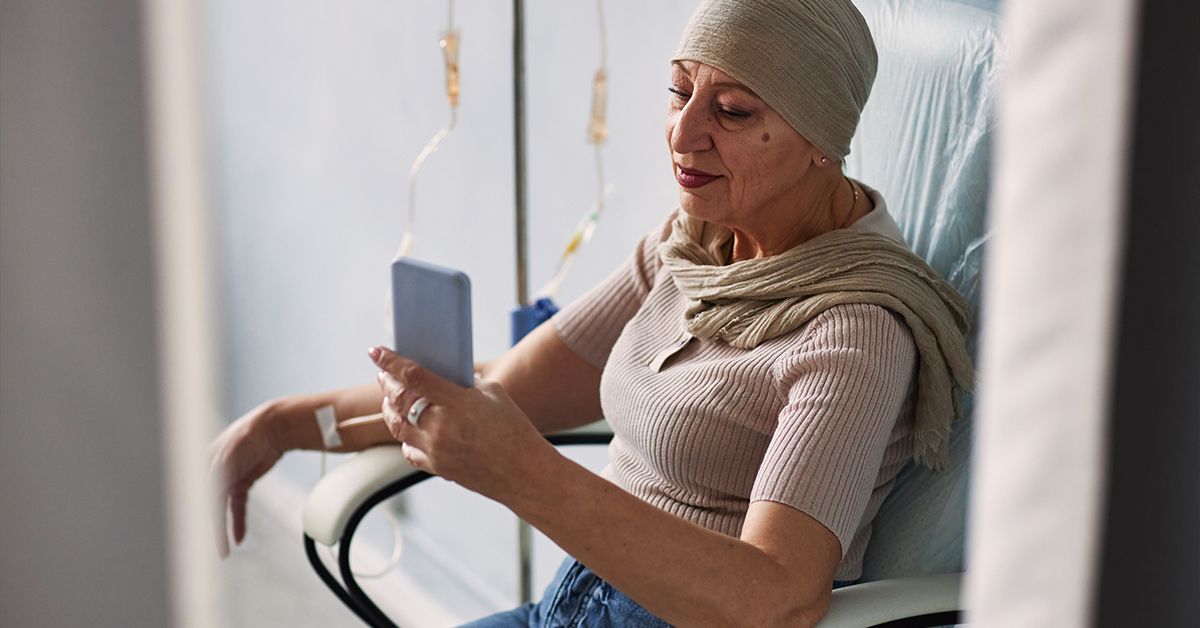
Chemotherapy can be delivered in several ways. Some people receive it through an IV infusion at a cancer center. Others take chemotherapy pills at home. It may also be given as an injection, through a port, directly into a body cavity, or in other specialized ways depending on the cancer and treatment plan.
Chemo is often given in cycles. A cycle may include treatment days followed by rest days, giving the body time to recover before the next round. This is not a vacation, exactly, but it is a planned pause in the medical marching band.
What Is Radiation Therapy?
Radiation therapy uses high-energy beams or radioactive materials to damage cancer cells’ DNA. When cancer cells cannot repair that damage, they stop dividing or die. Unlike chemotherapy, radiation is generally focused on a specific area, such as the breast, prostate, lung, brain, pelvis, head and neck, or a bone where cancer has spread.
The most common type is external beam radiation therapy, where a machine directs radiation at the tumor from outside the body. Other types include brachytherapy, where radioactive material is placed inside or near the tumor, and systemic radiation therapy, where radioactive medicine travels through the body to find certain cancer cells.
Does Radiation Hurt?
External radiation treatment itself usually does not hurt. You lie still while the machine delivers treatment, often within minutes. The challenge is not usually the appointment itself; it is the fatigue, skin changes, swelling, soreness, or organ-specific symptoms that may build over time. Radiation is precise, but the body still notices when a neighborhood is under construction.
When Is Chemotherapy Used?
Chemotherapy may be used for many goals, depending on the diagnosis. It may be the main treatment for cancers that respond well to drug therapy, such as certain leukemias, lymphomas, testicular cancers, ovarian cancers, and others. It may also be used before or after surgery or radiation.
Common Chemotherapy Uses
Curative treatment: In some cancers, chemo is used with the goal of eliminating cancer completely.
Neoadjuvant therapy: Chemo may be given before surgery or radiation to shrink a tumor, making it easier to remove or treat.
Adjuvant therapy: Chemo may be given after surgery to reduce the risk that hidden cancer cells will grow later.
Palliative therapy: When cancer cannot be cured, chemo may help slow growth, reduce symptoms, and improve quality of life.
Systemic treatment for spread: Because chemo can travel through the bloodstream, it is often useful when cancer has spread beyond one location.
When Is Radiation Therapy Used?
Radiation therapy is often used when cancer needs strong local control. It can be used alone or with surgery, chemotherapy, immunotherapy, or targeted therapy. Radiation may be recommended for early-stage cancers, locally advanced tumors, or specific areas where cancer has spread and is causing pain or pressure.
Common Radiation Uses
Primary treatment: Radiation may be the main treatment for certain prostate, head and neck, cervical, lung, brain, and skin cancers.
After surgery: Radiation may destroy microscopic cancer cells left behind after a tumor is removed.
Before surgery: Radiation may shrink a tumor so surgery is easier or more effective.
Symptom relief: Radiation can help relieve pain from bone metastases, reduce bleeding, or shrink tumors pressing on nerves or organs.
Combination treatment: Radiation may be paired with chemotherapy when chemo makes cancer cells more sensitive to radiation.
Why Doctors Sometimes Use Chemo and Radiation Together
Some cancers are treated with chemoradiation, meaning chemotherapy and radiation are used during the same treatment period. This approach can be especially helpful when doctors want to control a tumor in one area while making cancer cells more vulnerable to radiation.
For example, chemoradiation may be used for some head and neck cancers, cervical cancer, anal cancer, rectal cancer, lung cancer, and esophageal cancer. The exact plan depends on the tumor, stage, lymph node involvement, patient health, and whether surgery is part of the treatment strategy.
The advantage is that the treatments may work better together than alone. The trade-off is that side effects can also be stronger. Combining treatments is a bit like hiring two contractors to renovate the same kitchen: impressive results are possible, but you should expect noise, dust, and many appointments.
Benefits of Chemotherapy
Chemotherapy’s biggest advantage is its ability to treat cancer throughout the body. If cancer cells have moved beyond the original tumor, a systemic treatment may be necessary. Chemo can also shrink tumors, make surgery easier, reduce recurrence risk, and improve survival for many cancer types.
Another benefit is flexibility. There are many chemotherapy drugs and combinations. Oncologists can adjust doses, schedules, anti-nausea medicines, and supportive care based on how the patient responds. Chemo can also be paired with newer treatments such as immunotherapy or targeted therapy in certain cancers.
Benefits of Radiation Therapy
Radiation therapy’s greatest strength is precision. Modern radiation planning uses imaging, computer mapping, and specialized delivery techniques to focus treatment on cancer while limiting exposure to nearby healthy tissue. This is especially valuable when a tumor is located near important structures.
Radiation can also preserve organs in some cases. For example, certain patients may avoid more extensive surgery when radiation or chemoradiation can control the cancer. Radiation may also work quickly for symptom relief, especially for painful bone metastases or tumors causing bleeding or compression.
Chemotherapy Side Effects
Chemotherapy side effects vary widely. Two people can receive similar treatment and have completely different experiences, because drug type, dose, schedule, cancer type, age, genetics, nutrition, and overall health all matter.
Common Chemo Side Effects
- Fatigue
- Nausea and vomiting
- Hair thinning or hair loss
- Mouth sores
- Loss of appetite or taste changes
- Constipation or diarrhea
- Low white blood cell count and infection risk
- Anemia and shortness of breath
- Easy bruising or bleeding
- Nerve damage, tingling, or numbness
- Skin and nail changes
- Brain fog or trouble concentrating
Many side effects improve after treatment ends, but some may last longer. Neuropathy, fertility changes, heart effects, lung effects, or increased risk of second cancers can occur with certain drugs. This is why oncology teams monitor labs, symptoms, heart function, and other risk factors carefully.
Radiation Therapy Side Effects
Radiation side effects depend heavily on the treatment area. If radiation is aimed at the breast, side effects may involve breast swelling, tenderness, and skin irritation. If it is aimed at the pelvis, bowel, bladder, or sexual side effects may be more likely. If it is aimed at the head and neck, swallowing, dry mouth, taste changes, and dental issues may become major concerns.
Common Radiation Side Effects
- Fatigue
- Skin redness, darkening, dryness, itching, peeling, or tenderness
- Hair loss only in the treated area
- Swelling or soreness near the treatment site
- Nausea, diarrhea, or appetite changes if the abdomen or pelvis is treated
- Dry mouth, mouth sores, or swallowing trouble with head and neck radiation
- Cough or shortness of breath with chest radiation
- Urinary or bowel irritation with pelvic radiation
Some side effects begin during treatment and fade gradually afterward. Others, called late effects, may appear months or years later. These can include scarring, fertility problems, bowel or bladder changes, heart or lung effects, thyroid problems, or a small increased risk of another cancer, depending on the area treated and total dose.
Which Is Better: Chemo or Radiation?
The honest answer is: neither is automatically better. The best treatment is the one that fits the cancer’s biology and location. Chemo may be better when cancer is widespread or likely to have microscopic cells traveling through the body. Radiation may be better when the main problem is a tumor in a specific place.
For example, a small localized prostate cancer may be treated with radiation, surgery, or active surveillance depending on risk level. A blood cancer such as leukemia usually needs systemic therapy, not local radiation as the main plan. A rectal cancer may require chemotherapy, radiation, and surgery in a carefully timed sequence. Cancer treatment is less “one-size-fits-all” and more “one-size-fits-this-exact-tumor-after-a-tumor-board-meeting.”
How Doctors Decide Between Chemo and Radiation
Oncology teams consider several factors before recommending treatment. These include cancer type, stage, tumor grade, location, lymph node involvement, molecular markers, previous treatments, symptoms, age, fertility goals, other medical conditions, and patient preferences.
Doctors also weigh benefits against risks. A treatment that gives a small benefit but a high chance of serious side effects may not be right for one person, while another person may accept more side effects for a stronger chance of cure. Shared decision-making matters. Patients should feel comfortable asking, “What is the goal of this treatment?” and “What happens if I choose a different option?”
Questions to Ask Your Cancer Care Team
- Is the goal to cure, control, shrink, or relieve symptoms?
- Why are you recommending chemotherapy, radiation, or both?
- What side effects are most likely for my exact treatment plan?
- Which side effects require an urgent call?
- Will treatment affect fertility, sexuality, work, eating, or daily activities?
- How will we know if treatment is working?
- Are there clinical trials or alternative approved options?
- Who do I contact after hours if I develop fever, pain, bleeding, or severe symptoms?
Managing Side Effects: Practical Tips
Side effect management is not a bonus feature; it is part of cancer treatment. Tell your care team early when symptoms appear. Many problems are easier to manage when they are small. Nausea medicines, mouth rinses, nutrition support, skin care, hydration, physical therapy, pain control, and dose adjustments can make a major difference.
For chemotherapy, infection prevention is important. Patients may be told to monitor temperature, wash hands often, avoid sick contacts, and call immediately for fever. For radiation, skin care instructions are essential. Patients should ask which lotions, deodorants, soaps, or clothing choices are safe for the treated area.
Fatigue is common with both chemo and radiation. Light movement, short walks, hydration, balanced meals, and scheduled rest may help. The goal is not to become a fitness influencer during treatment. The goal is to keep the body functioning, one manageable step at a time.
Life During Treatment: What Patients Often Experience
Many people expect cancer treatment to be dramatic every second, like a hospital scene with urgent music. Often, it is more repetitive than dramatic: appointments, labs, waiting rooms, water bottles, insurance calls, medication lists, and figuring out what food still tastes normal. One day may feel surprisingly okay; the next day, brushing your teeth may feel like an Olympic event.
During chemotherapy, patients often describe the first cycle as the “learning cycle.” They discover when fatigue hits, which foods are tolerable, how their stomach reacts, whether they need help with rides, and which anti-nausea schedule works best. Keeping a symptom notebook can help. Write down temperature, appetite, bowel changes, pain, sleep, mood, and medication timing. This is not homework for fun; it gives the oncology team useful clues.
Radiation therapy can feel different because the appointments may be short but frequent. Some patients go every weekday for several weeks. The routine can become strangely familiar: check in, change clothes if needed, lie in position, hold still, finish treatment, go home. Side effects may build slowly, especially fatigue and skin irritation. The first week may seem easy, then the body starts sending emails marked “high priority.”
People receiving radiation to the head and neck may struggle with dry mouth, swallowing, taste changes, dental care, and weight maintenance. Those receiving pelvic radiation may plan their day around bathroom access. Breast radiation may bring skin tenderness and swelling. Chest radiation may cause cough or swallowing discomfort. These experiences are not signs of weakness; they are signs that treatment is affecting tissues in the treatment field.
Emotionally, chemo and radiation can both be heavy. Patients may feel anxious before scans, frustrated by changing energy levels, or guilty for needing help. Caregivers may feel helpless, tired, and unsure what to say. A useful rule is: offer specific help. “Can I bring dinner Tuesday?” beats “Let me know if you need anything,” because people in treatment are already managing a full-time job called Staying Alive and Reading Medical Portals.
Work and family life often need temporary adjustments. Some patients continue working, especially during radiation or milder chemo regimens. Others need reduced hours, remote work, medical leave, or help with childcare. There is no gold medal for pretending everything is normal. Energy is a limited currency during cancer treatment; spend it carefully.
Food can also become complicated. Chemo may cause metallic taste, nausea, constipation, diarrhea, or mouth sores. Radiation side effects depend on the treated area but may also affect appetite and digestion. Small meals, soft foods, protein-rich snacks, smoothies, bland options, and help from an oncology dietitian can be useful. If pizza suddenly tastes like cardboard wearing cologne, blame treatment, not the pizza.
The end of treatment can bring mixed feelings. Many people expect instant celebration, but recovery may take weeks or months. Fatigue can linger. Hair may regrow slowly after chemo. Skin may continue healing after radiation. Follow-up visits, scans, and survivorship plans become the new rhythm. Patients may also worry about recurrence, long-term side effects, fertility, intimacy, finances, and returning to normal life. Support groups, counseling, rehabilitation, nutrition services, and survivorship clinics can help bridge that gap.
Conclusion
Chemotherapy and radiation therapy are two of the most important cancer treatments, but they work in different ways. Chemotherapy usually travels through the body using drugs to attack fast-growing cancer cells. Radiation therapy usually targets a specific area with high-energy treatment designed to damage cancer cells while sparing as much healthy tissue as possible.
One is not universally better than the other. The right choice depends on the cancer type, stage, location, biology, treatment goals, and the patient’s overall health and preferences. Some people need chemo. Some need radiation. Some need both. Some need neither and are better served by surgery, immunotherapy, targeted therapy, hormone therapy, active surveillance, or supportive care.
The best next step is a clear conversation with the oncology team. Ask what the treatment is meant to accomplish, what side effects are most likely, how symptoms will be managed, and what support is available. Cancer treatment can be tough, but understanding the plan can make the road feel less like a foggy maze and more like a mapped routewith snacks, questions, and a very necessary backup phone charger.
Note: This article is for general educational purposes only and should not replace medical advice, diagnosis, or treatment from a qualified oncology professional.

