
Makeup
Corrugated Plastic Panels
Jun
Corrugated plastic panels are the quiet overachievers of the building, packaging, signage, gardening, and DIY worlds. They do not strut around like marble countertops or flex like stainless steel appliances, but hand one to a contractor, sign maker, greenhouse grower, warehouse manager, or weekend tinkerer, and suddenly it becomes the answer to half the problems in the room. Need a weather-resistant yard sign? Corrugated plastic. Need a lightweight roof panel for a patio cover? Corrugated plastic. Need a reusable divider for shipping parts? Corrugated plastic again, wearing a tiny cape.
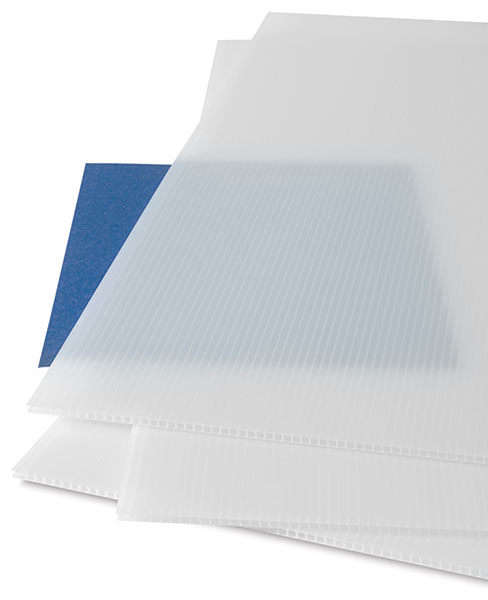
At its core, a corrugated plastic panel is a plastic sheet shaped with ridges, flutes, or internal channels that add strength without adding much weight. That simple design gives the material a surprisingly useful mix of stiffness, flexibility, moisture resistance, impact resistance, and affordability. Depending on the application, these panels may be made from polypropylene, polycarbonate, PVC, or other plastic materials. The most familiar type is fluted polypropylene sheet, often used for signs, packaging, displays, floor protection, crafts, and temporary barriers. For roofing, skylights, carports, and greenhouses, corrugated polycarbonate panels are especially popular because they combine daylight transmission with strong impact performance.
This guide explains what corrugated plastic panels are, where they work best, how to choose the right type, and what real-world experience teaches after cutting, fastening, cleaning, storing, and occasionally wrestling one in the wind like a very flat sail.
What Are Corrugated Plastic Panels?
Corrugated plastic panels are sheets of plastic designed with a ribbed, fluted, or wavy structure. The purpose of corrugation is not just decoration, although the ribbed look can be stylish in a practical, “I own a utility knife” kind of way. The ridges and internal channels increase rigidity, helping the sheet resist bending while keeping the panel light enough to carry, cut, and install without heavy equipment.
The phrase “corrugated plastic panels” can describe several related products:
- Fluted polypropylene panels: Lightweight twin-wall sheets commonly used for signs, packaging, displays, partitions, templates, and reusable containers.
- Corrugated polycarbonate panels: Strong, translucent or opaque roofing panels used for greenhouses, patio covers, skylights, carports, and agricultural buildings.
- Corrugated PVC panels: Economical panels often used for open-sided, well-ventilated structures in mild climates.
- Specialty plastic panels: UV-resistant, anti-static, flame-retardant, food-safe, or custom-colored sheets designed for specific industrial or commercial jobs.
The magic is in the structure. A flat sheet of plastic can bend easily, but add channels or waves and it becomes much stronger for its weight. This is the same basic logic behind corrugated cardboard, metal roofing, and even some architectural panels. The shape does more work than the material alone could do.
Why Corrugated Plastic Panels Are So Popular
They Are Lightweight but Tough
One of the biggest advantages of corrugated plastic panels is their strength-to-weight ratio. Fluted polypropylene sheets can be carried, stacked, trimmed, and installed with minimal effort. Corrugated polycarbonate roof panels are also much lighter than glass while offering impressive impact resistance. That matters when you are building a greenhouse roof, transporting event signage, or trying not to drop a full-size sheet on your foot before coffee.
They Handle Moisture Better Than Cardboard or Wood
Unlike cardboard, corrugated plastic does not collapse when exposed to rain. Unlike untreated wood, it does not swell, rot, or absorb moisture in the same way. This makes it useful for outdoor signs, damp work areas, temporary barriers, plant trays, storage dividers, and packaging that may encounter humidity or spills.
They Are Easy to Cut and Fabricate
Most fluted polypropylene panels can be cut with a utility knife, scored for folding, drilled, riveted, taped, or die-cut. Sign shops like them because they are printable, especially when corona-treated for better ink adhesion. DIYers like them because they are forgiving. Cut a little crooked? Congratulations, you have invented “custom fit.”
They Can Be Weather-Resistant
Outdoor performance depends on the material and grade. Basic polypropylene sign board can work well for temporary outdoor use, while UV-stabilized versions are better for longer exposure. Corrugated polycarbonate roofing panels are built for sun, rain, and impact, and many products are designed to block harmful UV rays while allowing useful daylight through.
They Are Cost-Effective
Corrugated plastic panels often cost less than plywood, metal, glass, acrylic, or solid plastic sheets for comparable light-duty applications. Their low weight can also reduce shipping, handling, and installation costs. For temporary projects, reusable packaging, seasonal signage, and quick protective barriers, that value adds up fast.
Common Uses for Corrugated Plastic Panels
1. Signs and Displays
If you have ever seen a real estate sign, political yard sign, event parking sign, sale sign, or temporary wayfinding sign, you have probably seen corrugated plastic at work. Fluted polypropylene panels are popular for signage because they are lightweight, printable, weather-resistant, and easy to mount on stakes or frames.
White corrugated plastic sheets are especially common because they provide a clean printing surface. Colored panels are also available for branding, safety marking, school projects, and retail displays. For longer outdoor life, UV-resistant panels are worth considering.
2. Packaging and Reusable Containers
Corrugated plastic sheets are widely used in packaging because they protect products without adding unnecessary weight. They can be fabricated into bins, totes, dividers, layer pads, sleeves, and custom inserts. Compared with single-use cardboard, plastic corrugated packaging can often be cleaned and reused many times.
This is especially useful in automotive, electronics, agriculture, manufacturing, distribution, and warehouse operations. Anti-static versions can help protect sensitive electronic components, while custom-cut dividers can keep parts from bumping into each other during transport.
3. Greenhouses and Garden Structures
Corrugated polycarbonate panels are a favorite for greenhouses because they provide light transmission, impact resistance, and weather protection. Clear panels maximize sunlight, while opal, white, or diffused panels can soften harsh light and reduce hot spots. For gardeners, that can mean happier plants and fewer “why is one tomato sunburned and the other one thriving?” mysteries.
Polycarbonate roofing panels are also used for potting sheds, chicken runs, cold frames, patio covers, and small agricultural structures. When choosing panels for plant use, look for products designed for outdoor exposure, UV protection, and appropriate light transmission.
4. Patio Covers, Carports, and Roofing
Corrugated plastic roof panels can cover patios, walkways, pergolas, carports, lean-tos, and storage areas. Polycarbonate is commonly chosen when impact resistance and daylight matter. PVC panels may work for budget-friendly, well-ventilated structures in mild climates, but polycarbonate is generally the stronger option for demanding outdoor projects.
Installation details matter. Panels must be overlapped correctly, fastened with compatible screws or washers, and supported according to the manufacturer’s spacing recommendations. Plastic expands and contracts with temperature changes, so over-tightening fasteners can lead to cracks, leaks, or noises that make your patio sound haunted.
5. Floor, Wall, and Surface Protection
Contractors often use corrugated plastic panels to protect floors, walls, counters, doors, and finished surfaces during remodeling. Because the sheets are moisture-resistant and lightweight, they can be moved from room to room and taped in place. They are useful during painting, drywall work, flooring installation, appliance delivery, and messy projects involving tools, dust, and one person who insists they “do not need a drop cloth.”
6. Crafts, Templates, and DIY Projects
Corrugated plastic is a dream material for makers. It can become storage dividers, drawer organizers, model structures, pet cage liners, school presentation boards, cosplay props, lightweight panels, stencils, plant markers, temporary window inserts, and hobby aircraft parts. It is rigid enough to hold shape but easy enough to cut without a full workshop.
Types of Corrugated Plastic Panels
Fluted Polypropylene Panels
Fluted polypropylene is the classic “corrugated plastic sheet” used for signs, packaging, displays, and general-purpose panels. It is lightweight, moisture-resistant, chemical-resistant, and available in many colors and thicknesses. Common thicknesses include 2 mm, 3 mm, 4 mm, 5 mm, 6 mm, and heavier grades for stronger packaging or industrial uses.
Choose fluted polypropylene when you need an economical panel that is easy to cut, print, fold, or reuse. It is not the best choice for permanent roofing, high-heat areas, or heavy structural loads.
Corrugated Polycarbonate Panels
Polycarbonate panels are used where strength, daylight, and outdoor durability matter. They are common for greenhouses, skylights, carports, patio covers, and agricultural buildings. Many polycarbonate panels are engineered to resist impact, block UV radiation, and maintain clarity or controlled light diffusion over time.
Choose corrugated polycarbonate when the panel will face sun, rain, hail, wind, or regular outdoor exposure. It costs more than basic polypropylene, but it performs in situations where a sign board would simply wave a tiny white flag.
Corrugated PVC Panels
PVC corrugated panels are often used for sheds, lean-tos, and open structures where budget is a major concern. They are usually easy to install and maintain, but they may not offer the same impact performance or temperature tolerance as polycarbonate. Always check product limitations before using PVC panels in hot climates, enclosed roofs, or structural applications.
How to Choose the Right Corrugated Plastic Panel
Match the Material to the Job
For temporary signs, use fluted polypropylene. For reusable packaging, use thicker polypropylene or custom-fabricated corrugated plastic. For greenhouses and patio roofing, use corrugated polycarbonate. For simple open-sided covers in mild weather, PVC may be acceptable if the manufacturer allows that application.
Check Thickness and Rigidity
Thicker panels usually provide more stiffness and impact resistance. A 4 mm corrugated plastic sign panel may be fine for yard signs, while a 6 mm or heavier panel may be better for displays, dividers, and reusable packaging. Roofing panels should be selected based on span, load, profile, and manufacturer installation guidelines.
Consider UV Protection
Not every plastic panel is designed for long-term outdoor exposure. If the panel will sit in direct sun, look for UV-stabilized polypropylene or polycarbonate panels with built-in UV protection. Without UV resistance, plastic can fade, become brittle, or lose performance sooner.
Think About Printing and Adhesion
For signs and graphics, corona-treated polypropylene is often preferred because the surface accepts inks, coatings, and adhesives more reliably. Standard polypropylene can be difficult to glue or print because of its low surface energy. In plain English: some plastics are naturally commitment-phobic when it comes to sticking.
Plan for Cleaning and Reuse
Corrugated plastic panels can usually be cleaned with mild soap and water. Avoid harsh solvents unless the manufacturer confirms compatibility. If panels will be reused, label them, store them flat, and keep them out of extreme heat or long-term UV exposure when not in use.
Installation Tips for Corrugated Plastic Panels
Cut Carefully
Use a sharp utility knife for fluted polypropylene and support the sheet on a safe cutting surface. For polycarbonate roofing panels, use the recommended saw blade or cutting method for the product. Always wear eye protection when cutting, drilling, or trimming panels.
Respect the Flutes and Ribs
Flutes and ribs are not random. They control strength, drainage, bending direction, and fastening behavior. On roofing panels, the corrugations should run with the slope so water can drain properly. On packaging or signs, flute direction affects stiffness and how stakes or folds perform.
Use Compatible Fasteners
For roofing, use fasteners recommended by the panel manufacturer, typically screws with sealing washers. Do not over-tighten. Plastic needs room to expand and contract. A fastener that is cranked down like it owes you money can create stress cracks.
Overlap Correctly
Roofing panels need proper side laps and end laps to shed water. Follow the slope, support spacing, and overlap rules for your specific panel profile. A small shortcut during installation can become a big leak during the first storm.
Store Panels Properly
Store panels flat or supported, away from excessive heat. Clear and dark panels can heat up quickly in direct sun when stacked. Keep protective film on polycarbonate sheets until installation when applicable, but do not leave film exposed outdoors longer than recommended.
Pros and Cons of Corrugated Plastic Panels
Advantages
- Lightweight and easy to handle
- Moisture-resistant and washable
- Available in many colors, sizes, and thicknesses
- Printable for signs and displays
- Reusable for packaging and protection
- Impact-resistant options available
- UV-resistant grades available for outdoor use
- Often more affordable than wood, glass, metal, or solid plastic sheets
Disadvantages
- Basic grades may become brittle in long-term sun exposure
- Not all panels are structural
- Polypropylene can be difficult to glue without surface treatment
- Thin panels can bend in wind if not supported
- Plastic expansion and contraction must be considered during installation
- Some panels may scratch, dent, or crease under rough handling
Corrugated Plastic Panels vs. Other Materials
Compared with Cardboard
Corrugated plastic is more moisture-resistant, more durable, and easier to clean than cardboard. Cardboard is cheaper for single-use packaging, but plastic wins when reuse, outdoor exposure, or washability matters.
Compared with Plywood
Plywood is stronger for structural work, but corrugated plastic is lighter, cleaner, and more resistant to moisture. For temporary protection, signs, dividers, and lightweight panels, plastic can be more convenient.
Compared with Glass
Glass offers excellent clarity and scratch resistance, but it is heavy and breakable. Corrugated polycarbonate is much lighter and more impact-resistant, making it practical for greenhouses, skylights, and patio covers.
Compared with Metal
Metal roofing and siding are strong and durable, but they are opaque, heavier, and can dent or corrode depending on coating and environment. Corrugated plastic panels are useful when light transmission, low weight, and corrosion resistance are priorities.
Maintenance and Longevity
Maintenance is usually simple. Wash panels with mild soap, water, and a soft cloth or sponge. Avoid abrasive pads that can scratch clear panels. For roofing panels, keep gutters and edges clear of leaves so water drains properly. Inspect fasteners once or twice a year, especially after storms, heavy snow, or extreme temperature swings.
Longevity depends on material, thickness, UV protection, installation quality, and exposure. A temporary yard sign may only need to last a few weeks. A greenhouse roof should be chosen and installed for years of outdoor use. The right product for the right job is the difference between “smart purchase” and “why is my roof making confetti?”
Buying Tips
Before buying corrugated plastic panels, answer four questions: Where will the panel be used? How long does it need to last? Will it face sun, wind, rain, chemicals, impact, or repeated handling? Does it need to be printed, cut, folded, drilled, or fastened?
For signage, prioritize printability, color, thickness, and UV grade. For packaging, prioritize durability, cleanability, flute direction, and custom fabrication. For roofing, prioritize material type, profile, UV protection, impact resistance, warranty, span ratings, and compatible accessories. For DIY projects, prioritize ease of cutting, thickness, and whether the panel can be safely attached with tape, screws, rivets, or clips.
Real-World Experience: What Working With Corrugated Plastic Panels Teaches You
The first thing corrugated plastic panels teach you is that lightweight does not mean effortless. A full-size sheet may weigh very little, but outdoors it behaves like a sail with career ambitions. If you are carrying panels in wind, hold them vertically, keep a firm grip, and ask for help with larger sheets. One gust can turn a simple walk across the driveway into an interpretive dance called “Person Chasing Plastic.”
Cutting fluted polypropylene is usually straightforward, but the cleanest results come from patience. A sharp blade, straightedge, and two or three light passes beat one aggressive cut every time. If you press too hard, the knife can jump the flute or create a ragged edge. For craft projects, drawer dividers, or sign blanks, marking the flute direction before cutting helps prevent surprises. Panels bend more easily along one direction than the other, and that matters when making boxes, sleeves, or folded guards.
Printing and sticking are another lesson. Smooth polypropylene can be stubborn with adhesives, paint, and ink. Corona-treated sheets are much better for graphics, but even then, testing is smart. For DIY labels or small signs, vinyl decals often work well on clean surfaces. Wipe the panel first, let it dry, and apply pressure evenly. Dust, oil, or moisture can ruin adhesion faster than a toddler can find a permanent marker.
For roof panels, the big experience-based lesson is this: read the installation guide before the ladder comes out. Corrugated polycarbonate is forgiving in some ways, but fastener spacing, overlap direction, support spacing, slope, and thermal movement all matter. Pre-drilling oversized holes where recommended can help accommodate expansion. Using the correct screws and sealing washers helps prevent leaks. Over-tightening fasteners is a common mistake because the instinct is to make everything “extra secure.” With plastic panels, extra secure can become extra cracked.
Storage also matters more than people expect. Leaning thin panels against a wall for weeks can cause bowing. Leaving stacked panels in direct summer sun can trap heat. Clear panels with protective film should be handled according to the product instructions, because film left on too long may become difficult to remove. Flat, shaded storage is best, especially for panels intended for visible installations.
Cleaning is refreshingly simple. Mild soap and water solve most problems. For greenhouse panels, gentle cleaning helps maintain light transmission. For signs and packaging, regular wiping keeps the surface presentable and extends reuse. Avoid harsh solvents unless you know the exact plastic and chemical compatibility. Plastic may look tough, but the wrong solvent can cloud, soften, or damage it.
Finally, corrugated plastic panels teach you to choose by purpose, not just price. The cheapest sheet may be perfect for a weekend yard sale sign and terrible for a greenhouse roof. A premium polycarbonate panel may be unnecessary for a temporary craft template but ideal for a patio cover. In practice, the best panel is not always the thickest, clearest, strongest, or most expensive one. It is the one that fits the job, survives the environment, and does not make you redo the project while muttering things unsuitable for a family-friendly blog.
Conclusion
Corrugated plastic panels are practical, versatile, and surprisingly clever. Their ribbed or fluted structure gives them strength without unnecessary weight, while their plastic composition helps them resist moisture, impact, chemicals, and everyday abuse better than many traditional materials. From yard signs and reusable packaging to greenhouse roofs and patio covers, these panels solve problems in a clean, lightweight, cost-effective way.
The key is choosing the right panel for the job. Fluted polypropylene is excellent for signs, displays, crafts, protection, and packaging. Corrugated polycarbonate is the better choice for roofing, skylights, greenhouses, and long-term outdoor exposure. PVC may suit certain budget-friendly, open-air applications when conditions are mild and manufacturer guidelines are followed.
Whether you are building a greenhouse, protecting a floor, organizing a warehouse, printing signs, or making a DIY project that may or may not involve heroic amounts of duct tape, corrugated plastic panels deserve a spot on the shortlist. They are not glamorous, but they are useful. And useful, in the real world, wins a lot of arguments.
Note: This article was written in original standard American English and synthesized from current U.S. manufacturer, supplier, retailer, and industry information about corrugated plastic panels, fluted polypropylene sheets, corrugated polycarbonate roofing, signage materials, reusable packaging, and DIY installation practices.

