
Makeup
What Are Healthy Carbs?
Jun
Carbohydrates have been blamed for everything from afternoon sleepiness to jeans that suddenly feel like they were washed in hot lava. But here is the truth: carbs are not the villain sneaking around your pantry in a tiny cape. Carbohydrates are one of the body’s main sources of energy, and many of the healthiest foods on the planet are rich in carbs. Think oats, beans, apples, lentils, sweet potatoes, brown rice, berries, peas, and crunchy vegetables that make your lunch look like it has its life together.
The real question is not, “Are carbs bad?” It is, “Which carbs are worth eating most often?” Healthy carbs usually come from whole or minimally processed foods. They bring fiber, vitamins, minerals, antioxidants, and steady energy to the table. Less healthy carbs tend to be heavily refined, stripped of fiber, and packaged with added sugars, sodium, or fats that make them easy to overeat and not very satisfying.
In plain English: healthy carbs are the carbs that do more than just show up. They bring gifts.
What Are Carbohydrates, Really?
Carbohydrates are nutrients found in foods and drinks. During digestion, many carbs break down into glucose, a type of sugar your body uses for energy. Your brain, muscles, and cells all rely on glucose in different ways. This does not mean every carb behaves the same once it lands on your plate. A bowl of oatmeal and a frosted toaster pastry may both contain carbohydrates, but nutritionally they live in different neighborhoods.
There are three main types of carbohydrates: sugars, starches, and fiber.
Sugars
Sugars can occur naturally in foods such as fruit and milk, or they can be added to foods like soda, candy, sweetened coffee drinks, cookies, and many packaged snacks. Natural sugars in whole foods usually come with useful nutrients. For example, an orange contains sugar, but it also provides water, fiber, vitamin C, and plant compounds. A sugary drink, on the other hand, may deliver sweetness without much nutritional backup. It is basically a one-person band playing only the kazoo.
Starches
Starches are complex carbohydrates found in foods such as grains, beans, lentils, peas, corn, potatoes, and winter squash. Starchy foods can be very healthy when they are close to their natural form. A baked sweet potato, a bowl of lentil soup, or brown rice with vegetables can provide lasting energy and important nutrients.
Fiber
Fiber is a special type of carbohydrate that your body cannot fully digest. Instead of being broken down quickly into glucose, fiber moves through the digestive system and helps support regularity, fullness, blood sugar balance, cholesterol management, and gut health. Fiber is found in plant foods, especially vegetables, fruits, beans, lentils, nuts, seeds, and whole grains.
So, What Makes a Carb “Healthy”?
A healthy carb is not defined by one magic number on a nutrition label. It is better to look at the whole food. Is it rich in fiber? Is it minimally processed? Does it contain vitamins and minerals? Does it keep you full? Does it fit into a balanced meal? If the answer is yes, you are probably looking at a smart carbohydrate choice.
Healthy carbohydrates usually have several things in common:
- They are naturally rich in fiber.
- They are minimally processed or unprocessed.
- They contain nutrients such as B vitamins, potassium, magnesium, iron, or antioxidants.
- They help provide steady energy instead of a quick spike and crash.
- They pair well with protein and healthy fats for a balanced meal.
That is why foods like oats, beans, lentils, quinoa, brown rice, berries, apples, carrots, peas, potatoes with the skin, and whole-grain bread can be part of a healthy eating pattern. They do not just provide carbs; they provide a whole nutritional package.
Healthy Carb Examples You Can Actually Eat
Nutrition advice sometimes sounds like it was written by someone who thinks dinner is a spreadsheet. Let’s make this practical. Here are healthy carb sources that work in real kitchens, real lunchboxes, and real lives.
1. Whole Grains
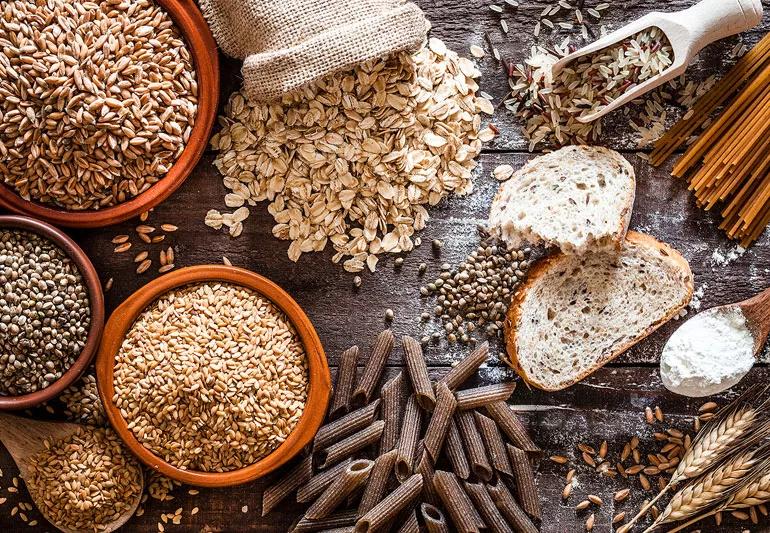
Whole grains include all parts of the grain kernel: bran, germ, and endosperm. Because they keep these parts intact, they usually contain more fiber and nutrients than refined grains. Good examples include oats, brown rice, quinoa, barley, bulgur, farro, whole wheat, millet, sorghum, and whole-grain pasta.
Simple swaps can make a big difference. Try oatmeal instead of sugary cereal, brown rice instead of white rice sometimes, or whole-grain toast instead of white bread. You do not need to become a person who speaks lovingly to a bag of barley, but adding more whole grains is a smart move.
2. Beans, Lentils, and Peas
Beans and lentils are carbohydrate all-stars. They provide fiber, plant-based protein, minerals, and slow-digesting starch. Black beans, chickpeas, kidney beans, pinto beans, split peas, and lentils can be used in soups, salads, burrito bowls, chili, pasta dishes, and dips.
They are also budget-friendly, which is wonderful because healthy eating should not require taking out a tiny loan. Canned beans are convenient; just rinse them to reduce some sodium. Dried beans are inexpensive and great for batch cooking.
3. Fruits
Fruit contains natural sugar, but that does not make it “bad.” Whole fruits provide fiber, water, vitamins, minerals, and antioxidants. Berries, apples, oranges, bananas, pears, peaches, grapes, and melon can all fit into a healthy diet.
The key word is “whole.” Whole fruit is usually more filling than fruit juice because it contains fiber and takes longer to eat. Drinking a glass of juice can be easy; eating several oranges in one sitting is a project. Your jaw will file a complaint before you finish.
4. Vegetables, Including Starchy Vegetables
Non-starchy vegetables such as broccoli, spinach, peppers, tomatoes, cucumbers, mushrooms, zucchini, and leafy greens are lower in calories and packed with nutrients. Starchy vegetables such as potatoes, sweet potatoes, corn, peas, and squash provide more carbohydrates but can still be healthy choices.
A potato is not automatically unhealthy. The trouble usually starts when it is deep-fried, oversized, buried under heavy toppings, or eaten with a soft drink large enough to water a small lawn. A baked potato with beans, salsa, Greek yogurt, or vegetables can be a nutritious meal.
5. Dairy and Fortified Alternatives
Milk and yogurt contain lactose, a natural carbohydrate. Plain yogurt, milk, and fortified unsweetened soy milk can provide protein, calcium, vitamin D, and other nutrients. When choosing yogurt, look for options with little or no added sugar. If your yogurt tastes like melted candy, it may be dessert wearing a fitness outfit.
Healthy Carbs vs. Refined Carbs
Refined carbohydrates are foods that have been processed in a way that removes much of their fiber and some nutrients. Examples include white bread, many pastries, sugary cereals, crackers made mostly with refined flour, candy, soda, and many packaged snack foods.
Refined carbs are not poisonous, and eating a slice of birthday cake will not erase your health. Food should not come with a side of guilt. But if most of your daily carbohydrates come from refined grains and added sugars, you may miss out on fiber and nutrients that help your body feel and function better.
A useful rule: choose whole, fiber-rich carbs most of the time, and enjoy refined treats occasionally without turning them into the main character of every meal.
How Fiber Turns Carbs Into a Better Deal
Fiber is one of the biggest reasons healthy carbs deserve respect. High-fiber foods tend to digest more slowly, which can help support steadier blood sugar and longer-lasting fullness. Fiber also supports the digestive system and feeds beneficial gut bacteria.
There are two main types of fiber: soluble and insoluble. Soluble fiber dissolves in water and can help support healthy cholesterol and blood sugar levels. It is found in foods such as oats, beans, lentils, apples, and citrus fruits. Insoluble fiber does not dissolve in water and helps move material through the digestive tract. It is found in whole grains, vegetables, nuts, seeds, and the skins of many fruits and vegetables.
Most people benefit from eating a variety of fiber-rich foods instead of obsessing over one perfect source. Your gut likes variety. It is basically a tiny community with surprisingly strong opinions.
How to Choose Healthy Carbs at the Grocery Store
Food labels can be useful, but they can also feel like reading a contract written by a cereal lawyer. Here is what to check:
Look at the Ingredient List
For grain products, look for words like “whole wheat,” “whole oats,” “brown rice,” “whole rye,” or “whole grain” near the beginning of the ingredient list. Terms like “multigrain,” “wheat,” or “made with whole grains” can sound healthy but may still include mostly refined flour.
Check Fiber
A food with at least 3 grams of fiber per serving is often a better choice than a similar food with little or no fiber. For meals, you can also build fiber by combining foods: whole-grain toast with peanut butter and banana, rice with beans, or yogurt with berries and chia seeds.
Watch Added Sugars
The Nutrition Facts label lists added sugars separately. This helps you tell the difference between foods that naturally contain sugar, such as fruit or plain milk, and foods sweetened with sugar, syrups, or other sweeteners.
Consider the Whole Meal
Carbs work best when paired with protein, healthy fats, and produce. For example, a bowl of brown rice becomes more balanced with salmon or tofu, vegetables, and avocado. Whole-grain toast becomes more satisfying with eggs or nut butter. An apple becomes a better snack with cheese, yogurt, or nuts.
Healthy Carb Meal Ideas
Need examples? Here are simple, realistic combinations:
- Oatmeal with berries, walnuts, and cinnamon.
- Whole-grain toast with avocado and eggs.
- Brown rice bowl with black beans, salsa, lettuce, and grilled chicken or tofu.
- Lentil soup with a side salad and fruit.
- Greek yogurt with berries and a sprinkle of oats.
- Baked sweet potato topped with beans, vegetables, and plain yogurt.
- Whole-wheat pasta with tomato sauce, vegetables, and lean protein.
- Quinoa salad with chickpeas, cucumbers, tomatoes, olive oil, and lemon.
These meals include carbohydrates, but they also include fiber, protein, fats, and micronutrients. That balance is what helps food feel satisfying instead of sending you back to the pantry 27 minutes later to negotiate with a box of crackers.
Are Low-Carb Diets Necessary?
Some people choose lower-carb eating patterns for personal or medical reasons. For people with diabetes or certain health conditions, carbohydrate choices and amounts may need to be planned with a healthcare professional. But for many people, the goal does not have to be “as few carbs as possible.” A more useful goal is “better carbs more often.”
Very restrictive eating can make meals stressful and may crowd out nutritious foods such as fruit, beans, whole grains, and starchy vegetables. Healthy eating should support your life, not turn lunch into a courtroom drama.
Common Myths About Healthy Carbs
Myth 1: Fruit Has Too Much Sugar
Whole fruit contains natural sugar, but it also provides fiber, water, vitamins, and antioxidants. For most people, fruit is a healthy choice. If you are managing diabetes or another medical condition, a registered dietitian or clinician can help personalize portions and timing.
Myth 2: Bread Is Always Bad
Bread quality matters. Whole-grain bread with fiber and a short ingredient list can be part of a healthy meal. A heavily sweetened white bread product is different. Read the label and choose the bread that acts more like food and less like cake in a trench coat.
Myth 3: Potatoes Are Unhealthy
Potatoes provide potassium, vitamin C, and carbohydrates for energy. The preparation matters. Baked, boiled, or roasted potatoes with balanced toppings are different from oversized fries or chips eaten as a daily staple.
Myth 4: All Carbs Cause Energy Crashes
Highly refined carbs and sugary drinks can be digested quickly, which may leave some people feeling hungry soon after. Fiber-rich carbs paired with protein and fats usually provide steadier energy.
Experience-Based Tips: What Healthy Carbs Look Like in Real Life
One of the easiest ways to understand healthy carbs is to stop treating them like a math problem and start treating them like ingredients. In real life, most people do not eat “carbohydrates.” They eat breakfast before school or work, lunch between tasks, snacks when energy dips, and dinner when everyone is tired and the kitchen looks like it has been through a small weather event.
A helpful experience is comparing two breakfasts. On one morning, imagine eating a sugary cereal with very little fiber. It may taste great, but it might not keep you full for long. On another morning, try oatmeal with banana slices, peanut butter, and cinnamon. Both breakfasts contain carbs, but the second one brings fiber, protein, and healthy fats. It usually feels more satisfying and gives the body a steadier source of energy. The oatmeal is not glamorous, but it does show up for work.
Lunch is another place where healthy carbs make a noticeable difference. A meal built around white bread, chips, and a sweet drink may feel quick, but it can leave you sluggish. A lunch with whole-grain bread, turkey or hummus, lettuce, tomato, fruit, and water gives you carbs along with protein, fiber, and hydration. The goal is not perfection. The goal is to build a plate that does not abandon you halfway through the afternoon.
Healthy carbs can also make snacks more useful. An apple alone is good, but an apple with peanut butter is often more satisfying. Whole-grain crackers with cheese, yogurt with berries, or carrots with hummus can help bridge the gap between meals. Pairing carbs with protein or fat is like giving your snack a seatbelt. It slows things down and makes the energy last longer.
In family meals, healthy carbs are often the foods that stretch the meal and make it comforting: rice, beans, potatoes, pasta, tortillas, noodles, oats, corn, and bread. Instead of removing these foods, upgrade them when possible. Add beans to rice. Choose whole-grain pasta sometimes. Put vegetables into noodle bowls. Keep the potato skin on. Add lentils to soup. These small choices can raise fiber and nutrients without making dinner taste like homework.
Another real-life lesson: healthy carbs should fit your culture, budget, and taste. Brown rice is great, but it is not the only answer. Corn tortillas, beans, lentils, oats, sweet potatoes, barley, fruit, and many traditional grain dishes can all be part of healthy eating. If a food is affordable, familiar, and easy to prepare, it has a better chance of becoming a habit.
It is also worth remembering that healthy eating is not ruined by one dessert, one slice of pizza, or one sweet coffee drink. The body responds to patterns over time. If your usual meals include fiber-rich carbs, colorful plants, enough protein, and mostly minimally processed foods, occasional treats can fit. A healthy relationship with carbs includes both nourishment and flexibility. Nobody needs to fear a blueberry muffin like it is a haunted object.
The best experience-based advice is this: choose carbs that leave you feeling good after you eat them. Notice your energy, fullness, digestion, and mood. Build meals with whole grains, beans, vegetables, fruits, and balanced toppings. Keep refined sweets and snacks as extras rather than the foundation. That approach is practical, kind, and much easier to maintain than declaring war on an entire nutrient.
Conclusion: Healthy Carbs Are About Quality, Not Fear
Healthy carbs are carbohydrate-rich foods that provide fiber, nutrients, and steady energy. The best examples include whole grains, beans, lentils, vegetables, fruits, and other minimally processed plant foods. These foods support digestion, heart health, blood sugar balance, and everyday energy.
Instead of asking whether carbs are good or bad, ask better questions: Is this food rich in fiber? Is it close to its natural form? Does it add nutrients to my meal? Does it help me feel satisfied? If yes, you have probably found a healthy carb.
Carbs do not need to be feared, banned, or treated like dietary drama queens. Choose the ones that come with fiber and nutrients, pair them with protein and healthy fats, and enjoy your food like a normal human being with taste buds and a life.
Note: This article is for general nutrition education only and is not a substitute for personalized medical advice. People with diabetes, digestive disorders, food allergies, eating disorder history, or other medical conditions should consult a qualified healthcare professional or registered dietitian for individual guidance.

