
Body Care
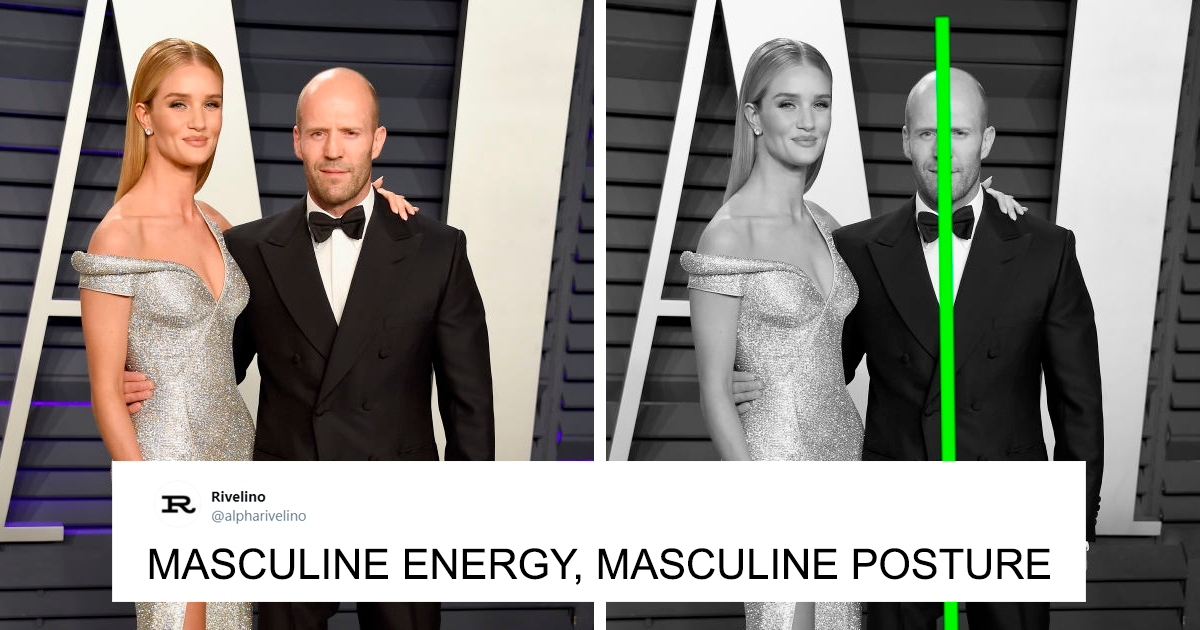
This Guy Tells Others That Showing Emotions Is A Weakness
Jun
Editorial note: This article is original, written in standard American English, and synthesized from reputable psychology, public health, medical, and relationship research sources including APA, CDC, Harvard Health, Cleveland Clinic, NAMI, Mayo Clinic, Harvard Medical School, NIH-indexed research, and academic health systems.
When “Be Strong” Turns Into “Be Silent”
There is always that one guy. He appears at dinner tables, group chats, gyms, workplaces, family gatherings, and occasionally under comment sections where he definitely should have logged off two hours ago. His message is simple: showing emotions is weakness. Crying is embarrassing. Talking about hurt is “dramatic.” Asking for comfort is “needy.” If someone says, “That actually bothered me,” he reacts like they just tried to bring a therapy couch into a boxing ring.
The problem is not strength. Strength is wonderful. We all need grit, discipline, patience, and the ability to keep going when life throws a chair through the window of our plans. The problem is the strange idea that strength requires emotional muting. According to modern psychology and public health research, emotional well-being is not about having no feelings. It is about recognizing, processing, expressing, and managing feelings in healthy ways. In other words, the emotionally strong person is not the one who feels nothing. That is a refrigerator. The emotionally strong person is the one who can feel something intense and still respond with wisdom.
The belief that emotions are weakness often comes dressed as confidence. In reality, it usually reveals fear: fear of being judged, fear of losing control, fear of appearing vulnerable, or fear of not knowing what to do when someone else is hurting. Emotional avoidance can look tough from across the room, but up close it often looks like disconnection, defensiveness, and a social skill set running on low battery.
Why Some People Think Emotions Are Weakness
The “never show emotions” mindset usually does not appear out of nowhere. Many people learn it early. A child may hear phrases like “stop crying,” “man up,” “don’t be sensitive,” or “you’re fine” before they have even learned how to tie their shoes. Over time, the child does not stop having feelings; they simply learn that feelings should be hidden, denied, or converted into something more socially acceptable, such as sarcasm, anger, overworking, or pretending they are “just tired.”
Traditional masculine norms often play a role. Research and clinical guidelines have long discussed how boys and men may be encouraged to value toughness, self-reliance, dominance, and emotional stoicism. None of those traits is automatically bad. Self-reliance can be useful. Courage is useful. Calm under pressure is extremely useful, especially when the Wi-Fi goes down during an important meeting. But when these values become rules that forbid sadness, fear, tenderness, grief, or vulnerability, they stop being strength and become a cage.
This mindset also survives because it offers a shortcut. It is easier to mock emotions than understand them. It is easier to call someone “weak” than sit with discomfort. Emotional maturity requires listening, patience, and humility. Dismissing emotions requires only a raised eyebrow and a personality built like a locked garage.
The Difference Between Emotional Control and Emotional Suppression
One major confusion is the difference between controlling emotions and suppressing them. Emotional control means you notice what you feel and choose a responsible response. Emotional suppression means you shove the feeling into a mental closet and hope it does not come out wearing a scary costume later.
For example, imagine someone gets criticized at work. Emotional control might sound like: “That feedback stung, but I’ll take a minute, think about what is useful, and respond professionally.” Emotional suppression sounds like: “I don’t care,” followed by three days of silent resentment, weirdly aggressive email punctuation, and a sudden desire to reorganize the entire office snack drawer with military intensity.
Research on emotional suppression suggests that pushing emotions down does not necessarily make the inner experience disappear. It may reduce visible expression, but the emotion can remain active inside. That is why people who constantly bottle things up may still experience stress, irritability, loneliness, low confidence, or trouble communicating needs. The face says, “I’m fine.” The nervous system says, “We are absolutely not fine, Gary.”
Emotions Are Information, Not Instructions
A healthier way to understand emotions is to treat them as information. Anger can tell us a boundary may have been crossed. Sadness can tell us we lost something meaningful. Fear can warn us of risk. Joy can point toward connection, purpose, or delight. None of these emotions should automatically control the steering wheel, but they deserve a seat in the car.
This is where emotionally mature people shine. They do not obey every feeling blindly. They also do not pretend feelings do not exist. They ask better questions: What am I feeling? Why might I be feeling it? Is this emotion reacting to the present moment, or is it borrowing panic from an old wound? What response would protect my dignity and respect the other person?
That is not weakness. That is advanced human software.
How “Emotions Are Weakness” Damages Relationships
In relationships, emotional dismissal is like termites in the walls. At first, everything looks normal. People still eat dinner, send memes, and ask where the remote went. But underneath, trust is being quietly chewed apart.
When one person treats emotions as weakness, the other person often learns to stop sharing. They may avoid bringing up hurt feelings because the conversation always turns into a courtroom where their emotions are on trial. They may start saying “nothing” when asked what is wrong, not because nothing is wrong, but because explaining has become exhausting. Eventually, the relationship becomes peaceful in the same way an abandoned house is peaceful.
Healthy connection requires emotional safety. That does not mean everyone must agree all the time. It means people can express hurt, fear, confusion, disappointment, or affection without being mocked or punished for having a normal human nervous system. Validation is not surrender. Saying “I understand why that upset you” does not mean “you are right about everything and I will now legally transfer my opinions to you.” It simply means, “I recognize that your inner experience matters.”
Why Emotional Vulnerability Can Be a Sign of Strength
Vulnerability is often misunderstood. Some people think it means oversharing every private thought with anyone who accidentally makes eye contact. That is not vulnerability; that is emotional karaoke without a sign-up sheet. Real vulnerability is honest, appropriate openness. It means being willing to say, “I was hurt,” “I need help,” “I’m scared,” or “I care about this more than I wanted to admit.”
That takes courage because it involves risk. Someone might misunderstand. Someone might not respond well. Someone might be awkward. But courage is not the absence of risk. Courage is doing something meaningful despite risk. By that standard, honest emotional expression is not weakness at all. It is one of the most underrated forms of bravery.
Think about a person apologizing sincerely. A fake apology is easy: “Sorry you feel that way.” That sentence should be sent to apology jail. A real apology requires emotional strength: “I hurt you. I understand why it mattered. I am sorry. I will do better.” That is vulnerability, accountability, and self-control working together. It is far stronger than pretending nothing happened.
The Workplace Myth: Professional Means Emotionless
The “emotions are weakness” myth also appears at work. Some people confuse professionalism with emotional numbness. They believe good workers never show stress, never admit confusion, never ask for support, and never say, “This deadline is unrealistic unless we borrow three clones and a wizard.”
But emotional intelligence is now widely recognized as valuable in leadership, teamwork, health care, education, and business. People who understand emotions tend to communicate better, manage conflict more effectively, and build stronger trust. A leader who can read the room, notice burnout, respond to concerns, and stay calm during disagreement is not being soft. That leader is preventing the team from becoming a group project with salaries.
Of course, emotional expression at work should be appropriate. Throwing a stapler because a spreadsheet froze is not emotional intelligence; it is a meeting with HR waiting to happen. But calmly saying, “I’m frustrated because we lack clear priorities,” can help solve the actual problem. Emotional awareness gives language to pressure before pressure becomes explosion.
What Emotional Strength Actually Looks Like
Emotional strength is not loud. It is not cold. It is not the ability to win every argument by acting like a stone statue with opinions. Emotional strength looks like pausing before reacting. It looks like admitting when something hurts instead of dressing pain up as contempt. It looks like asking for help before the situation turns into a personal disaster documentary.
Emotionally strong people can say, “I need a minute.” They can say, “I was wrong.” They can say, “I don’t know how to talk about this, but I want to try.” They can listen without immediately fixing, defending, or comparing pain like it is an Olympic event. They understand that feelings are not enemies to defeat. Feelings are signals to understand.
How to Respond to Someone Who Calls Emotions Weak
If someone tells you showing emotions is weakness, you do not have to launch into a TED Talk while dramatic music plays in the background. A calm response is often more powerful.
1. Do not accept the insult as truth
Someone’s discomfort with feelings does not define your character. If you cry, grieve, worry, or express hurt, that does not make you weak. It makes you alive. Congratulations, you are not a printer.
2. Separate privacy from shame
You do not owe everyone access to your deepest emotions. Privacy is healthy. Shame is different. Privacy says, “I choose who gets this part of me.” Shame says, “This part of me is unacceptable.” The goal is not to become emotionally available to every random person with a podcast microphone. The goal is to stop treating normal feelings like evidence of failure.
3. Use simple language
You might say: “I don’t think emotions are weakness. I think how we handle them shows maturity.” Or: “I’m not asking you to fix it. I’m telling you what I feel.” Clear language can prevent emotional conversations from turning into fog machines.
4. Notice patterns
If someone regularly mocks, minimizes, or punishes emotional honesty, that pattern matters. One awkward comment can be ignorance. A repeated pattern can become emotional harm. Healthy relationships require respect, even during discomfort.
Why People Who Mock Emotions May Be Struggling Too
It is tempting to see the “emotions are weakness” guy as simply arrogant. Sometimes he is. Let us not pretend every emotionally dismissive person is secretly a misunderstood poet under a leather jacket. But many people who mock emotions are also protecting themselves. They may have learned that vulnerability was unsafe. They may have grown up around adults who punished sadness, laughed at fear, or only approved of anger. They may genuinely not know what to do when someone says, “I’m hurt.”
This does not excuse cruelty. Understanding is not the same as permission. But it can help explain why emotional growth takes time. People who spent years building walls may not know how to install doors. They may need patience, education, honest feedback, and sometimes professional support to learn new ways of relating.
Real-Life Examples: Strength With Feelings Included
Consider a father who tells his child, “I felt sad today, but I’m taking care of it.” That child learns sadness is not dangerous. Consider a manager who says, “I know this project has been stressful. Let’s talk about what support is missing.” That team learns pressure can be discussed before burnout becomes the unofficial company mascot. Consider a friend who says, “I’m sorry I pulled away. I was overwhelmed and didn’t know how to say it.” That friendship gains honesty instead of confusion.
None of these people are falling apart. They are doing the opposite. They are turning emotions into communication, boundaries, repair, and wisdom. That is what mature strength looks like in daily life. It is not cinematic. It does not always get applause. But it keeps relationships alive.
The Cost of Pretending Not to Care
Pretending not to care can feel powerful for a moment. It protects the ego. It gives the illusion of control. But long term, it can become lonely. If people believe you do not feel, they may stop comforting you. If they believe you do not care, they may stop including you. If they believe every emotional conversation will be dismissed, they may stop trusting you with the truth.
The person who says “I don’t care” all the time may eventually get exactly what they advertised: a life where nobody brings them tenderness because everyone assumes tenderness is unwanted. That is not strength. That is emotional false advertising.
Experiences Related to the Topic: What This Looks Like in Everyday Life
Many people have met someone like this guy. He might be the friend who laughs when someone opens up. He might be the partner who disappears whenever a serious conversation begins. He might be the coworker who calls empathy “soft” but somehow has a dramatic meltdown when the coffee machine is out of order. The contradiction is almost artistic.
One common experience happens in families. A teenager comes home upset after a bad day, and an adult says, “Don’t be so sensitive.” The adult may think they are teaching resilience. What the teenager often hears is, “Your feelings are inconvenient.” Over time, that young person may stop talking. The house becomes quieter, but not healthier. Silence is sometimes mistaken for peace, when it is actually distance wearing slippers.
Another familiar situation appears in friendships. Someone finally admits they are struggling, and the group comedian instantly makes a joke. Humor can be healing, but it can also be a shield. If the joke creates relief and the person feels supported, wonderful. If the joke shuts the person down, it becomes avoidance with a punchline. A good friend learns the difference.
Romantic relationships can be especially affected. One partner wants to discuss emotional needs; the other says, “You’re making a big deal out of nothing.” Maybe the issue is not big to them, but it is big to the person bringing it up. Dismissing it does not make the feeling disappear. It only teaches the hurt person that honesty is unsafe. Eventually, small unresolved moments stack up like emotional laundry. Ignore laundry long enough and it develops its own ecosystem.
Workplaces have their own version. An employee says they are overwhelmed, and someone replies, “That’s just how the job is.” Sometimes pressure is part of work. But constant pressure without communication creates mistakes, resentment, and burnout. A healthier response would be, “What is causing the most pressure, and what can we adjust?” That question does not eliminate responsibility. It improves performance by dealing with reality.
Some people also experience this belief inside themselves. They may want to cry but force themselves not to. They may want comfort but feel embarrassed asking. They may type a vulnerable message, delete it, rewrite it as “lol never mind,” and then wonder why nobody understands them. This inner critic often sounds like the dismissive voices they heard growing up. Healing begins when they realize that voice is not wisdom. It is an old survival strategy that may no longer fit.
The better experience is not emotional chaos. Nobody is recommending that every inconvenience become a three-act tragedy. The better experience is emotional honesty with boundaries. It is saying, “I’m upset, and I want to talk when I’m calmer.” It is saying, “I care about you, so I’m being honest instead of pretending.” It is saying, “I need support,” without treating that need like a personal scandal.
People who learn this often describe a surprising result: relationships become less dramatic, not more. When emotions are named early, they do not have to sneak out later as resentment, passive aggression, or mysterious coldness. Emotional openness, done well, is not the enemy of stability. It is one of the tools that makes stability possible.
Conclusion: Real Strength Has Room for Feelings
The guy who tells others that showing emotions is weakness may believe he is defending strength. But real strength does not require emotional blindness. Real strength can hold grief without shame, anger without cruelty, fear without denial, and love without embarrassment. It can say, “This matters to me,” and still stand tall.
Showing emotions is not the same as losing control. It is not the same as oversharing, collapsing, or demanding that everyone become your unpaid therapist. Healthy emotional expression means being honest enough to name what is happening inside and mature enough to choose what to do next.
A world where nobody shows emotion would not be strong. It would be cold, confusing, and very bad at birthday cards. The better goal is not to feel less human. The better goal is to become more skillful at being human. And that means understanding one simple truth: emotions are not weakness. They are part of the equipment. Use them wisely.

