
Makeup
Plan for the Unexpected: What You Need at Home for an Emergency – Bob Vila
Aug
An emergency rarely arrives after checking whether your pantry is stocked, your phone is charged, and everyone has located their shoes. A severe storm, wildfire, extended power outage, flood, earthquake, or neighborhood evacuation can turn an ordinary Tuesday into a very complicated Tuesday in minutes.
Fortunately, home emergency preparedness is not about constructing an underground bunker or buying enough freeze-dried chili to feed a small country. It is about covering basic needs, reducing preventable hazards, and giving your household a plan that still works when the lights, internet, stores, and familiar routines do not.
A useful home emergency kit should help you shelter safely for several days while also allowing you to leave quickly if local officials order an evacuation. The following guide explains what to store, how to organize it, and which commonly overlooked supplies can make an uncomfortable situation considerably safer.
Preparedness framework:
Begin With a Household Emergency Plan
Buying supplies without making a plan is like purchasing a fire extinguisher and then hiding it behind twelve boxes of holiday decorations. The equipment may technically exist, but it will not be especially helpful when seconds matter.
Start by identifying the emergencies most likely to affect your area. Coastal households may prioritize hurricanes and flooding, while people in other regions may need to prepare for tornadoes, wildfires, winter storms, earthquakes, extreme heat, or prolonged utility failures. Check local evacuation zones, nearby shelters, flood maps, warning systems, and community emergency-management instructions.
Create Two Types of Plans
Your household needs a shelter-in-place plan and an evacuation plan. Decide which interior room provides the best protection during severe weather, how you would maintain a safe indoor temperature during an outage, and where supplies will be stored.
For evacuation, choose two meeting locations: one immediately outside the home and another beyond the neighborhood. Select an out-of-area contact who can relay information if local networks are overloaded. Every household member should know the contact’s name and phone number on paper, not merely inside a phone that may have a dead battery.
Practice the plan occasionally. Walk through exit routes, place children or pets in the car, and confirm that everyone can carry what they are expected to carry. A five-minute practice session often exposes problems that a beautifully printed checklist does not.
Family planning guidance:
Store Enough Emergency Water
Water is the highest-priority item in a home emergency supply. Store at least one gallon per person per day for a minimum of three days. That amount covers drinking and limited sanitation. A larger supply is preferable when space allows, and the CDC recommends trying to maintain enough for two weeks.
Households in hot climates and those with pregnant family members, illnesses, pets, or greater sanitation needs may require additional water. Do not forget water for cooking, brushing teeth, preparing infant formula, and taking medications.
Use Appropriate Storage Containers
Commercially bottled water is a dependable option when stored according to the manufacturer’s directions. For water filled at home, use clean, food-grade containers designed for water storage. Do not reuse containers that previously held chemicals, milk, juice, or other substances that may leave residue or encourage bacterial growth.
Label containers with the filling date and replace home-filled water approximately every six months. Store it in a cool location away from sunlight, gasoline, pesticides, paint, and strong-smelling products. Water is excellent at keeping people alive, but it is also annoyingly heavy, so divide the supply into containers household members can safely lift.
Water quantities and storage practices:
Build a Practical Emergency Food Supply
Your emergency pantry should contain familiar, shelf-stable food that requires little water, fuel, or preparation. The middle of a blackout is not the ideal moment to discover that every meal in your survival stash requires an electric blender.
Useful options include canned meat, fish, beans, vegetables, fruit, soup, nut or seed butter, crackers, shelf-stable milk, cereal, protein bars, dried fruit, and ready-to-eat meals. Choose lower-sodium foods when possible because very salty meals increase thirst. Include a manual can opener, disposable utensils, paper plates, and food suitable for allergies, diabetes, infants, older adults, or other dietary requirements.
Rotate emergency food into your normal meals before it expires and replace what you use. This approach reduces waste and prevents the emergency pantry from becoming a museum of canned goods nobody actually likes.
Know the Power-Outage Food Rules
Keep refrigerator and freezer doors closed during an outage. An unopened refrigerator generally keeps food cold for about four hours. A full freezer may maintain a safe temperature for approximately 48 hours, while a half-full freezer may last about 24 hours.
Place appliance thermometers in both units. Perishable food should remain at 40 degrees Fahrenheit or colder. Never taste questionable food to decide whether it is safe. Food exposed to floodwater should generally be discarded, especially items in containers that cannot be properly cleaned and sanitized.
Emergency food and refrigeration guidance:
Prepare for Lighting, Charging, and Communication
Every household should have multiple flashlights or headlamps, spare batteries, and at least one light stored where it can be reached in darkness. Headlamps are especially useful because they leave both hands free for opening doors, treating an injury, or searching for the family cat, who will almost certainly choose the emergency as an opportunity to become invisible.
Add fully charged power banks, charging cables, a vehicle charger, and a battery-powered or hand-crank radio. A NOAA Weather Radio can broadcast official weather warnings and other hazard information even when household internet service is unavailable.
During a widespread emergency, text messages may go through when voice calls do not. Keep conversations brief, preserve battery power, dim phone screens, close unnecessary apps, and use an out-of-area contact to reduce repeated calls among family members.
Avoid relying on candles as your primary light source because they introduce a fire risk. Battery-powered lanterns provide safer, longer-lasting room lighting.
Warning and communications guidance:
Keep First Aid Supplies and Medications Ready
A well-stocked first aid kit should contain adhesive bandages, sterile gauze, medical tape, antiseptic wipes, antibiotic ointment, disposable gloves, tweezers, scissors, a thermometer, cold packs, and basic over-the-counter medicines appropriate for your household.
Include personal prescriptions, a current medication list, allergies, diagnoses, doctors’ contact information, insurance details, and instructions for medical equipment. Discuss emergency refills and storage requirements with a pharmacist or health care professional before disaster season.
Some medications and medical devices depend on refrigeration or electricity. Create a written backup plan for insulin, oxygen equipment, mobility devices, hearing aids, communication devices, powered wheelchairs, and other essential equipment. Keep spare batteries and charging options where appropriate.
Inspect the first aid kit at least twice a year. Replace expired medicine, dried-out wipes, damaged packaging, and anything that mysteriously disappeared after the last scraped knee.
Medical and first aid preparedness:
Include Sanitation and Personal-Care Supplies
Utility interruptions can affect water service, sewage systems, trash collection, and access to stores. Store soap, hand sanitizer containing at least 60 percent alcohol, disinfecting products, moist towelettes, toilet paper, paper towels, heavy-duty garbage bags, plastic ties, disposable gloves, and basic cleaning tools.
Add menstrual products, diapers, wipes, incontinence supplies, contact-lens solution, spare glasses, denture supplies, sunscreen, insect repellent, and any other personal item household members cannot comfortably or safely go without.
N95 respirators can be valuable during wildfire smoke events or other situations involving airborne particles. In smoke-prone regions, consider a properly sized portable air cleaner or a high-efficiency HVAC filter. Identify one room that can function as a cleaner-air space with windows and doors closed.
Sanitation and smoke preparedness:
Make the Home Safer Before Trouble Starts
Emergency preparedness includes the condition of the house itself. Install working smoke alarms on every level, inside bedrooms, and outside sleeping areas. Install carbon-monoxide alarms according to local requirements and manufacturer directions. Test alarms regularly and replace batteries or units when required.
Draw a home fire-escape map showing two ways out of every room. Keep doors, windows, hallways, and stairs unobstructed. Choose a permanent outdoor meeting place where everyone can be counted without standing in a driveway or blocking emergency vehicles.
Use Generators Outdoors Only
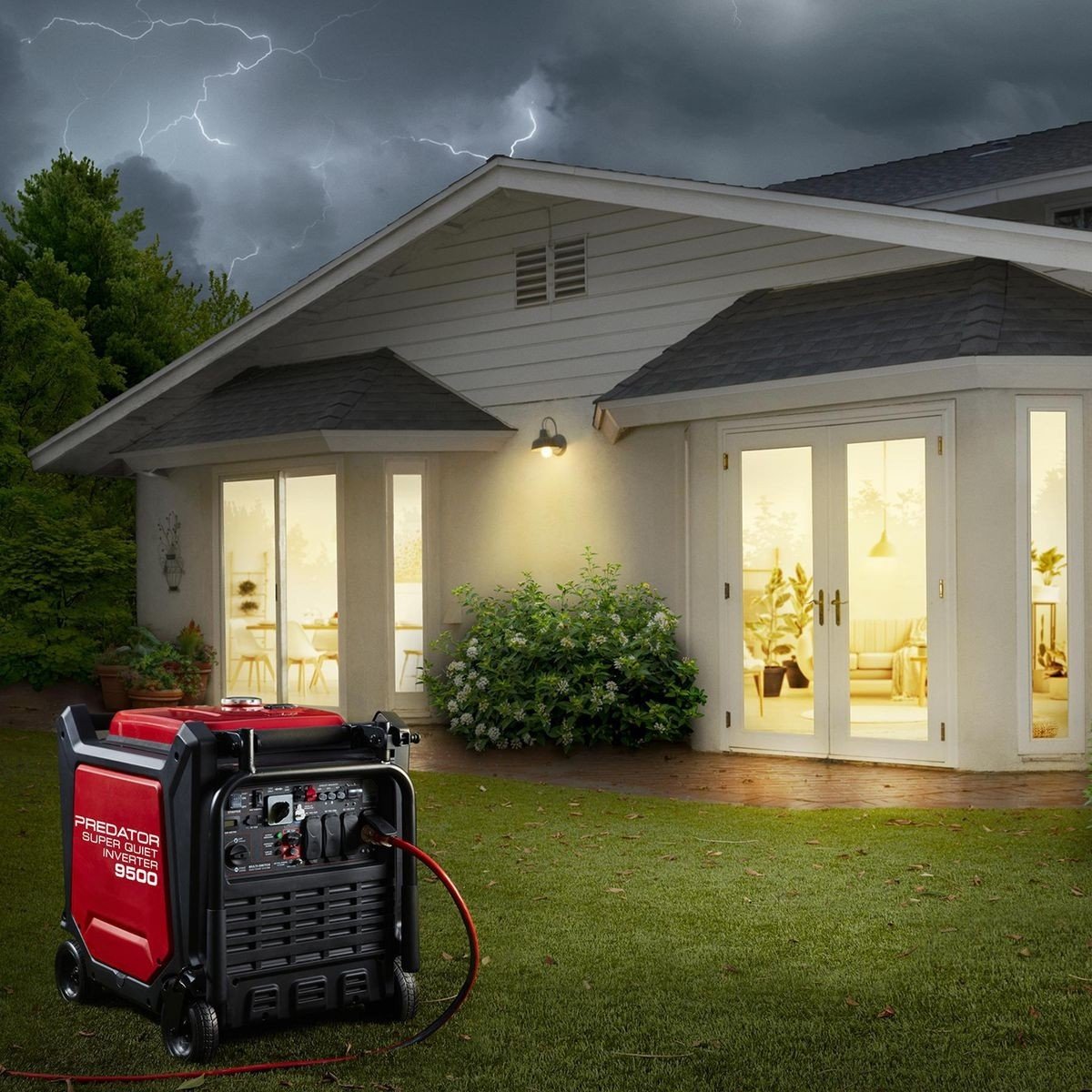
Portable generators produce carbon monoxide, an invisible and odorless gas that can kill. Operate a generator outdoors, at least 20 feet from the home, with the exhaust directed away from windows, doors, vents, and neighboring buildings. Never run one in a house, garage, basement, crawlspace, shed, porch, or carport, even when doors are open.
Have a qualified electrician install any required transfer equipment. Never attempt to power household wiring by connecting a generator directly to a wall outlet. Store fuel safely and follow all manufacturer instructions.
Fire escape and generator safety:
Protect Documents, Cash, and Household Information
Place copies of identification, insurance policies, medical records, prescriptions, property documents, vehicle information, emergency contacts, and pet records in a waterproof, portable pouch. Keep encrypted digital copies in a secure location that can be reached even if your primary computer is damaged.
Create a photographic inventory of rooms, valuables, appliances, tools, and important serial numbers. This record can make insurance claims easier after a loss. Store a modest amount of cash in small bills because payment terminals and ATMs may not work during a lengthy outage.
Do not place every original document in an evacuation bag that could be lost or stolen. Use copies in the kit and protect irreplaceable originals in an appropriate secure location.
Financial and document preparedness:
Plan for Pets and Individual Household Needs
Pets require their own food, water, medications, bowls, waste bags, litter, bedding, identification, vaccination records, recent photographs, and first aid supplies. Keep leashes, harnesses, and carriers near an exit rather than buried in the least accessible corner of the garage.
Identify pet-friendly shelters, hotels, boarding facilities, veterinarians, and friends outside the immediate area. Arrange a backup caregiver who can reach the animals if an emergency occurs while you are away from home.
Children may benefit from a small comfort kit containing a favorite toy, activity book, headphones, snacks, and an identification card. Explain emergency plans in calm, age-appropriate language and restore familiar routines as soon as circumstances permit.
Older adults and people with disabilities may need accessible transportation, backup mobility equipment, visual or vibrating alarms, written care instructions, and a support network. A generic kit becomes a useful emergency kit only after it reflects the actual people living in the home.
Pet and household-specific planning:
Organize Supplies Into Three Kits
Stay-at-Home Kit
This is the largest collection and should contain water, food, sanitation products, medical supplies, lighting, batteries, tools, blankets, and other items needed during an extended service interruption.
Go Kit
Use a backpack, rolling case, or easy-to-carry container for evacuation essentials. Include several days of supplies, documents, medications, chargers, water, food, clothing, hygiene items, and pet necessities.
Vehicle Kit
Keep water, shelf-stable snacks, a flashlight, first aid supplies, blankets, a reflective vest, phone charger, basic tools, and seasonally appropriate equipment in the car. Avoid storing temperature-sensitive medication or anything that may be damaged by extreme vehicle temperatures.
Label each container and store it where household members can reach it quickly. Review everything every six months, perhaps when clocks change or at the beginning of severe-weather seasons.
A Quick Home Emergency Checklist
- Water for every person and pet
- Shelf-stable food and a manual can opener
- Flashlights, headlamps, lanterns, and batteries
- Battery-powered or hand-crank emergency radio
- Power banks and charging cables
- First aid supplies and essential medications
- Sanitation and personal-care products
- N95 respirators and region-specific protective gear
- Copies of important documents
- Cash in small denominations
- Pet food, carriers, leashes, and records
- Warm clothing, sturdy shoes, and blankets
- Basic tools, work gloves, and duct tape
- Local maps and written contact information
- Household evacuation and communication plans
What a Real Home Emergency Teaches You
Consider a common experience: A violent summer storm knocks out power shortly after dinner. At first, the outage feels almost entertaining. Everyone turns on a phone flashlight, checks the utility company’s website, and announces the remaining battery percentage as if participating in an unusually boring game show.
Then the cellular connection slows. The house becomes warmer. One flashlight is missing, another has corroded batteries, and the power bank that was supposedly “always kept charged” is sitting at 9 percent. The garage door will not open automatically, and nobody remembers how to disengage it by hand.
The first practical lesson is that emergency equipment must be accessible and maintained. A flashlight without working batteries is just an oddly shaped paperweight. A generator without safe operating knowledge can create a more dangerous emergency than the outage itself. Supplies should be grouped, labeled, tested, and familiar to the people expected to use them.
As the evening continues, the family opens the refrigerator repeatedly to inspect food that has not changed since the previous inspection. Cold air escapes each time. Eventually, someone tapes a note to the door: “Stop checking. The cheese is still in there.” An appliance thermometer would provide useful information without turning every household member into a refrigerator detective.
By morning, the outage has become less amusing. The electric stove does not work, a coffee maker is useless, and nearby stores are either closed or accepting cash only. A no-cook breakfast, manual can opener, bottled water, and small emergency cash reserve suddenly appear far more valuable than several expensive survival gadgets purchased after watching dramatic online videos.
The household also discovers how quickly small comfort problems accumulate. The baby needs more wipes. The dog refuses to drink from an unfamiliar collapsible bowl. An older family member’s hearing-aid batteries are nearly empty. One child becomes anxious because the usual routine has disappeared. None of these issues is spectacular, but several at once can make clear thinking difficult.
This is why a successful emergency plan is personal. It includes the cereal a child will actually eat, medication in the correct dose, a leash that fits the dog, batteries for a specific medical device, and written instructions that another person can understand. The most impressive multipurpose tool in the world cannot replace those details.
Communication provides another lesson. When everyone repeatedly calls the same local relatives, congested networks and dying batteries create unnecessary frustration. A preselected out-of-area contact and a simple message“We are safe, staying home, next update at noon”can reduce dozens of calls to one concise exchange.
When electricity finally returns, the most valuable step is not immediately putting the emergency supplies back into a forgotten closet. The household should record what worked, what failed, and what ran out. Recharge every power bank, replace used batteries, restock food and water, update contact information, and make the garage release, water shutoff, and electrical panel familiar to responsible household members.
Experience shows that preparedness is less about predicting the exact emergency than removing avoidable complications. You may not know whether the next disruption will involve wind, fire, water, heat, ice, or a damaged utility line. You can still know where the flashlights are, how much drinking water you have, which medications matter most, where the pet carrier is stored, and how your family will reconnect.
Conclusion: Preparedness Is a Household Habit
A dependable home emergency kit does not have to be assembled in one expensive shopping trip. Begin with supplies already in the house, add one or two items during regular shopping, and prioritize water, food, medication, communication, lighting, sanitation, and safe evacuation.
The best emergency plan is not the thickest binder or the fanciest backpack. It is the plan your household understands, can reach, and has practiced. Review it regularly, adjust it as people, pets, prescriptions, and local risks change, and replace supplies before they expire.
Emergencies are unpredictable. Your response does not have to be.
Note: This independently written article provides general preparedness information and is not affiliated with or endorsed by Bob Vila. During an actual emergency, follow instructions from local authorities, emergency services, and qualified health or safety professionals.

