
Beauty Tools & Accessories
Is Cranberry Juice Bad for Ulcers or Gastritis?
Jun
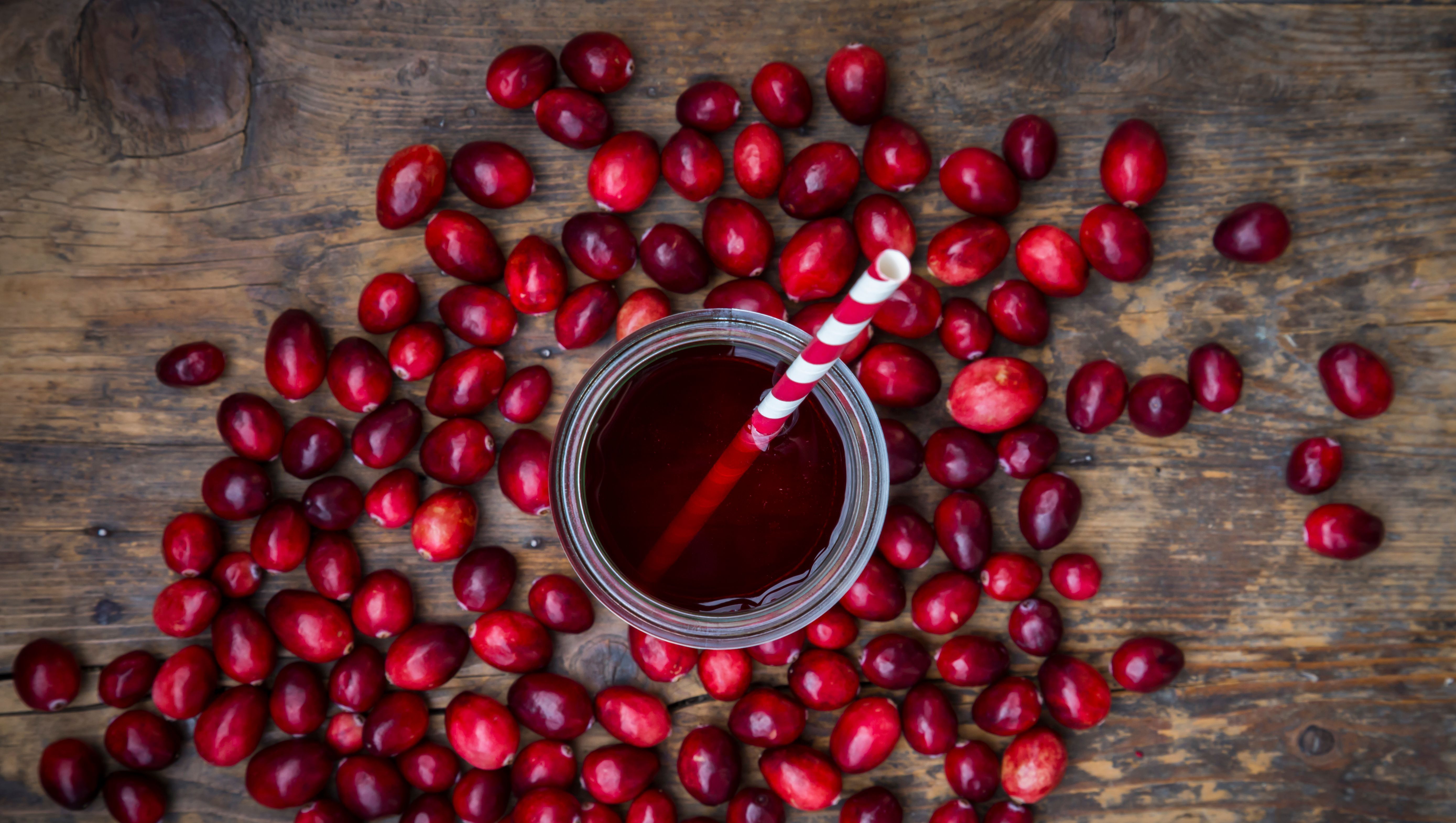
Cranberry juice has a personality. It is tart, bold, ruby-red, and fully convinced it belongs at both Thanksgiving dinner and the pharmacy aisle. But if your stomach lining is already irritated from gastritis or you are dealing with a peptic ulcer, one sip can raise a very practical question: Is cranberry juice bad for ulcers or gastritis?
The honest answer is: cranberry juice is not automatically bad for everyone with ulcers or gastritis, but it can irritate symptoms in some people because it is acidic and often high in sugar. At the same time, cranberries contain plant compounds that have been studied for possible effects against Helicobacter pylori, the bacteria linked to many cases of gastritis and peptic ulcer disease. So yes, cranberry juice is complicated. It is not a villain wearing a cape. It is more like a dramatic guest at a dinner party: harmless for some, too intense for others.
This guide explains how cranberry juice affects gastritis and ulcers, when it may make symptoms worse, when it might be tolerated, and how to decide whether it deserves a spot in your glassor a polite vacation from your refrigerator.
Understanding Ulcers and Gastritis First
Before blaming cranberry juice for every stomach complaint, it helps to understand what is actually happening inside the digestive system. Gastritis and ulcers are related, but they are not the same thing.
What Is Gastritis?
Gastritis means inflammation of the stomach lining. It can be acute, appearing suddenly and dramatically like a stomach-themed soap opera, or chronic, lingering for months or years. Some people have no symptoms at all. Others may experience upper abdominal pain, nausea, vomiting, bloating, early fullness, loss of appetite, or a burning sensation after meals.
Common causes of gastritis include H. pylori infection, frequent use of nonsteroidal anti-inflammatory drugs such as ibuprofen, naproxen, or aspirin, heavy alcohol use, bile reflux, autoimmune conditions, and severe physical stress from illness or injury. Food can aggravate symptoms, but in most cases, food is not the root cause of gastritis.
What Is a Peptic Ulcer?
A peptic ulcer is an open sore that forms in the lining of the stomach or the first part of the small intestine, called the duodenum. The classic symptom is a dull, burning, or gnawing pain in the upper abdomen. Some people feel worse when the stomach is empty; others feel worse after eating. Because the stomach likes to keep everyone guessing, symptoms vary.
The two biggest causes of peptic ulcers are H. pylori infection and regular use of NSAID pain relievers. Smoking, alcohol, untreated stress, and spicy foods do not usually cause ulcers on their own, but they may worsen symptoms or slow healing. In other words, hot wings may not create the fire, but they can definitely fan the flames.
So, Is Cranberry Juice Bad for Ulcers or Gastritis?
Cranberry juice may be bad for your symptoms if it causes burning, nausea, reflux, bloating, or stomach pain. It may not be bad for the condition itself in every case, but symptom tolerance matters. If your stomach feels like it is filing a formal complaint after drinking it, listen.
Cranberry juice is naturally acidic. Many commercial cranberry juice cocktails also contain added sugar or are blended with other acidic juices. For someone with an inflamed stomach lining or an active ulcer, acidic drinks can feel harsh. They may increase discomfort, especially during a flare-up.
However, medical guidance generally does not say that every person with ulcers or gastritis must avoid every acidic food or drink forever. Instead, the better approach is personal trigger tracking. Some people tolerate small amounts of diluted cranberry juice with food. Others react to one tiny glass as if they swallowed a tiny marching band with cymbals.
Why Cranberry Juice Can Irritate the Stomach
1. It Is Acidic
The tart flavor in cranberry juice comes from natural acids. Acidic drinks can irritate sensitive tissue, especially when the stomach lining is already inflamed. If you have gastritis, that lining may be more reactive than usual. If you have an ulcer, the sore area may be exposed to stomach acid and irritation. Adding a tart beverage may intensify burning or discomfort.
This does not mean cranberry juice “burns a hole” in the stomach. That is not how ulcers work. But it can aggravate pain in people who are already sensitive. Think of it like lemon juice on chapped lips. The lemon did not cause the cracks, but it certainly knows how to announce itself.
2. Many Cranberry Drinks Are High in Sugar
Pure cranberry juice is very tart, so many products are sold as cranberry juice cocktail. These drinks may contain added sugar, corn syrup, or blends with grape, apple, or other juices. High-sugar beverages can worsen bloating, discomfort, and reflux in some people. They may also crowd out more stomach-friendly choices such as water, low-acid smoothies, or herbal tea.
If you are choosing cranberry juice, read the label carefully. “Cranberry juice cocktail” is not the same as “100% cranberry juice.” The cocktail may taste smoother, but it often gets there with added sweeteners. Your taste buds may applaud; your stomach may request a meeting with management.
3. It May Trigger Reflux-Like Symptoms
Many people with gastritis or ulcers also experience acid reflux, indigestion, or upper abdominal burning. Acidic beverages can worsen reflux symptoms in sensitive people. If cranberry juice causes sour burps, chest burning, throat irritation, or nighttime discomfort, it may not be your best beverage during healing.
4. It Can Be Too Much During a Flare-Up
Timing matters. During a quiet period, you may tolerate a small amount of cranberry juice. During an active gastritis flare or ulcer pain episode, the same drink may feel like a terrible idea wearing a fruit costume. When symptoms are intense, bland and gentle choices usually work better.
The Possible Benefit: Cranberry and H. pylori
Here is where the story gets interesting. Cranberries contain proanthocyanidins, often shortened to PACs. These plant compounds are studied because they may help prevent certain bacteria from sticking to tissues. That anti-adhesion effect is one reason cranberry products are often discussed in urinary tract health.
Researchers have also studied cranberry products in relation to H. pylori, the bacteria associated with many stomach ulcers and chronic gastritis cases. Some clinical research suggests that cranberry juice with enough PAC content may help suppress H. pylori in some people. That does not mean cranberry juice cures ulcers, replaces antibiotics, or magically power-washes the stomach lining. It means cranberry may have a supportive role worth studying further.
If your ulcer or gastritis is caused by H. pylori, proper medical treatment usually involves acid-suppressing medicine and antibiotics or other prescribed therapies. Cranberry juice should not be used as a stand-alone treatment. If cranberry juice were an antibiotic, it would come with a prescription label instead of a cheerful fruit picture.
Cranberry Juice vs. Cranberry Supplements
Some people wonder whether cranberry capsules or extracts are gentler than juice. They might be, because they often avoid the acidity and sugar of liquid juice. However, supplements vary widely in quality, dose, and PAC content. They may also interact with medications or be inappropriate for certain health conditions.
If you have an ulcer, gastritis, kidney stone history, take blood thinners, or use several medications, talk with a healthcare professional before taking cranberry supplements. “Natural” does not always mean “automatically safe,” just like “homemade” does not automatically mean your uncle should be trusted with fireworks.
Who Should Avoid Cranberry Juice During Ulcers or Gastritis?
You may want to avoid cranberry juice, at least temporarily, if any of the following apply:
- You are having an active gastritis flare with burning, nausea, or vomiting.
- You have a confirmed stomach ulcer and acidic drinks increase your pain.
- You notice reflux, sour burps, or chest burning after drinking cranberry juice.
- You are drinking cranberry juice cocktail that is high in added sugar.
- You are using NSAIDs frequently and already have stomach irritation.
- You have black stools, vomiting blood, unexplained weight loss, or severe abdominal pain.
The last point deserves extra attention. Black or tarry stools, vomiting blood, coffee-ground-like vomit, faintness, shortness of breath, or sudden severe belly pain can be signs of bleeding or another serious problem. Do not try to solve those symptoms with juice math. Seek medical care promptly.
How to Try Cranberry Juice More Safely
If your symptoms are mild, your doctor has not told you to avoid acidic beverages, and you really enjoy cranberry juice, you can test it carefully. The goal is not to win a cranberry-drinking contest. The goal is to see whether your stomach can tolerate a modest amount without drama.
Start Small
Try a small serving, such as two to four ounces, instead of a giant glass. Your stomach is not a swimming pool. It does not need to be filled.
Dilute It
Mix cranberry juice with water to reduce intensity. A half-and-half blend is a reasonable starting point. If that still causes burning, your stomach has voted.
Drink It With Food
Avoid drinking cranberry juice on an empty stomach. Having it with a gentle meal or snack may reduce irritation. Oatmeal, toast, bananas, rice, eggs, yogurt, cooked vegetables, or lean protein may be easier companions than hot sauce and late-night pizza.
Choose the Right Product
Look for labels with less added sugar. A 100% juice blend may still be acidic, but it may avoid some of the extra sweeteners found in cranberry cocktails. Unsweetened pure cranberry juice is very tart, so dilution may be necessary unless you enjoy making the facial expression of a surprised accordion.
Keep a Symptom Journal
Write down what you drank, how much, whether it was diluted, whether you had food with it, and what symptoms appeared. Patterns are more helpful than guesses. If cranberry juice causes symptoms three times in a row, that is not a coincidence; that is your stomach sending a group email.
Better Drinks for Gastritis or Ulcer Symptoms
During active symptoms, many people do better with gentler beverages. Options may include:
- Plain water
- Warm water
- Non-caffeinated herbal tea
- Low-fat milk if tolerated
- Non-dairy milk such as oat milk or almond milk if tolerated
- Low-acid smoothies made with banana, oats, and yogurt
Not every “gentle” drink works for every person. Peppermint tea, for example, may relax some digestive discomfort but can worsen reflux in others. Coffee, alcohol, carbonated drinks, citrus juice, tomato juice, and energy drinks are common troublemakers for sensitive stomachs.
Foods That Usually Pair Better With a Healing Stomach
There is no universal ulcer diet that cures everyone, but many people feel better with meals that are simple, balanced, and not overly spicy, greasy, acidic, or huge. Helpful choices often include cooked vegetables, oatmeal, rice, bananas, applesauce, lean poultry, fish, eggs, tofu, lentils, low-fat yogurt, kefir, and whole grains.
Fiber-rich foods may support digestive health. Probiotic foods such as yogurt or kefir may be useful for some people, especially when antibiotics are involved, though they should not replace prescribed treatment. Smaller, more frequent meals can also help if large meals cause fullness, pressure, or burning.
The main rule is beautifully unglamorous: eat what your stomach tolerates while you are healing. A food can be healthy and still be wrong for you during a flare. Kale is nutritious, but if raw kale makes your stomach feel like it is arguing with a lawn mower, cook it or choose something else.
What About Cranberry Juice for H. pylori?
If you tested positive for H. pylori, cranberry juice may sound tempting because of research on cranberry compounds. But it is important to separate “may support” from “will treat.” H. pylori is a real infection. Standard treatment is medical, not just dietary. Doctors may prescribe a combination of acid-reducing medication and antibiotics or other targeted medicines.
Cranberry juice may be discussed as a complementary choice, but it should not delay diagnosis or treatment. Untreated H. pylori can contribute to ongoing gastritis, ulcers, and complications. If you have persistent upper abdominal pain, nausea, unexplained weight loss, anemia, black stools, or recurrent ulcer symptoms, ask a healthcare provider about testing.
Common Myths About Cranberry Juice, Ulcers, and Gastritis
Myth 1: Cranberry Juice Causes Ulcers
Cranberry juice is not considered a main cause of ulcers. The most common causes are H. pylori infection and regular NSAID use. Cranberry juice may irritate symptoms, but irritation is not the same as causation.
Myth 2: If It Burns, It Must Be Killing Bacteria
Nope. A burning feeling does not mean cranberry juice is disinfecting your stomach. It may simply mean your stomach lining is irritated. Pain is not proof of healing. If that were true, dental bills would come with applause.
Myth 3: Natural Juice Is Always Safe
Natural foods can still trigger symptoms. Lemon juice is natural. Chili peppers are natural. A cactus is natural, and nobody recommends hugging one during a flare-up. Cranberry juice can be part of a healthy diet for many people, but gastritis and ulcers require personal tolerance.
Myth 4: You Must Eat a Bland Diet Forever
Most people do not need to live permanently on toast, bananas, and emotional support oatmeal. During active symptoms, bland foods may help. As healing improves, many people can gradually reintroduce more variety while watching for triggers.
Practical Examples
Example 1: Maria has mild chronic gastritis. She drinks four ounces of diluted cranberry juice with breakfast twice a week and feels fine. For her, cranberry juice may be acceptable in moderation.
Example 2: James has an active ulcer and gets burning pain after acidic drinks. Cranberry juice makes his symptoms worse within 20 minutes. For him, avoiding cranberry juice during treatment is the smarter choice.
Example 3: Denise tested positive for H. pylori. She read that cranberries may help suppress the bacteria. She still follows her prescribed treatment plan and asks her clinician whether cranberry juice is okay for her. That is the right approach: curious, but not reckless.
Experience-Based Section: Living With the Cranberry Question
People dealing with ulcers or gastritis often describe food choices as a daily negotiation. One day, a meal feels completely fine. The next day, the same meal causes bloating, burning, or nausea. That unpredictability can make cranberry juice especially confusing because it sits in a gray area. It is not alcohol. It is not coffee. It is not a greasy cheeseburger stacked like a construction project. It is fruit juice, so it feels like it should be innocent.
In real life, many people first suspect cranberry juice after noticing a pattern. They may drink it in the morning because they are trying to be healthier, then feel a sharp or sour burn in the upper stomach. At first, they blame breakfast. Then stress. Then the weather, because humans are creative. Eventually, they realize the common denominator is the bright red drink.
A useful experience-based strategy is the “pause and test” method. Stop cranberry juice for one to two weeks while keeping the rest of the diet fairly consistent. If symptoms improve, reintroduce a small diluted serving with food. If burning returns, the answer is clear. This method is not fancy, but it works better than guessing while staring suspiciously at everything in the fridge.
Another practical lesson is that brand and type matter. One person may tolerate a lightly diluted 100% juice blend but react badly to a cranberry cocktail loaded with sugar. Another may tolerate cranberry capsules but not juice. Someone else may react to all cranberry products during flares and tolerate them only after treatment. The stomach is not a democracy; it is a very sensitive committee.
People also learn that “healthy” and “healing” are not always the same during gastritis. Cranberries contain antioxidants and interesting plant compounds, but that does not guarantee comfort when the stomach lining is inflamed. A salad may be healthy, but cooked rice and eggs may feel better during a flare. Orange juice may contain vitamin C, but it can be a disaster for someone with burning pain. Cranberry juice belongs in that same category: potentially healthy in general, potentially irritating in context.
One of the most helpful habits is building a personal safe-drink list. For some people, that list includes water, warm herbal tea, oat milk, and smoothies made with banana and yogurt. Cranberry juice may return later in small amounts, or it may remain a “not right now” beverage. That is not failure. That is good symptom management.
The emotional side matters too. Gastritis and ulcers can make people anxious about eating. When a favorite drink suddenly causes pain, it can feel frustrating and unfair. But the goal is not to fear food. The goal is to collect information, treat the underlying cause, and create a diet that reduces irritation while the stomach heals. Cranberry juice is just one variable. It does not deserve panic, but it does deserve attention.
A realistic takeaway from everyday experience is this: if cranberry juice hurts, skip it for now. If you tolerate it, keep portions modest and avoid sugary versions. If you have H. pylori, do not rely on juice instead of treatment. And if symptoms are severe or alarming, call a healthcare professional rather than experimenting with beverages like you are hosting a stomach science fair.
Final Verdict: Should You Drink Cranberry Juice?
Cranberry juice is not universally bad for ulcers or gastritis, but it can be a trigger. Its acidity may worsen burning, nausea, reflux, or upper abdominal pain, especially during active inflammation or ulcer symptoms. Sugary cranberry cocktails may also be harder on digestion for some people.
At the same time, cranberry contains compounds that have been studied for possible H. pylori suppression. That research is interesting, but cranberry juice is not a cure and should not replace medical treatment. If you enjoy cranberry juice and tolerate it, small diluted servings with food may be reasonable. If it causes symptoms, avoid it while your stomach heals.
The best answer is personal and practical: treat the cause, avoid your triggers, choose gentle drinks during flares, and let your stomach’s reaction guide you. Your digestive system may not speak English, but it is usually very clear when it wants cranberry juice removed from the agenda.
Note: This article is for general educational purposes only and should not replace medical advice. Anyone with severe abdominal pain, vomiting blood, black stools, unexplained weight loss, trouble swallowing, anemia, or persistent symptoms should contact a qualified healthcare professional promptly.

