
Body Care
How to Prepare Shrimp for Cooking: 9 Steps
Jun
Shrimp is the weeknight hero of the seafood world: quick to cook, easy to season, and polite enough to taste good with almost anything from garlic butter to tacos. But before shrimp hits the pan, grill, pot, or skewer, it needs a little prep. Not a dramatic spa dayjust the right thawing, peeling, deveining, drying, and seasoning so it cooks tender instead of turning into tiny pink rubber bands.
Learning how to prepare shrimp for cooking is one of those simple kitchen skills that pays off immediately. Proper prep improves flavor, texture, food safety, and presentation. Whether you are making shrimp scampi, shrimp cocktail, grilled shrimp, fried rice, gumbo, pasta, or a classic shrimp boil, the basic steps are nearly the same. Start with good shrimp, keep it cold, clean it properly, remove what you do not want to eat, and cook it quickly.
This guide walks through nine practical steps for preparing shrimp, with beginner-friendly explanations, useful examples, and a few kitchen-tested tricks that make shrimp taste like it came from someone who owns more than one cutting board.
Why Proper Shrimp Preparation Matters
Shrimp cooks fast because it is small, lean, and delicate. That is wonderful when dinner needs to happen before everyone starts eating cereal over the sink. But it also means mistakes show up quickly. Over-soaked shrimp can taste watery. Wet shrimp may steam instead of sear. Undeveined shrimp can look gritty. Poorly thawed shrimp may cook unevenly. And shrimp left too long at room temperature is asking for trouble.
Good shrimp preparation gives you three big advantages: better texture, cleaner flavor, and safer cooking. Shrimp should smell mild and fresh, not sour or ammonia-like. Frozen shrimp should be solid, well packaged, and free from heavy ice crystals that suggest thawing and refreezing. Once thawed, shrimp should be cooked promptly and handled with clean tools, clean hands, and cold storage.
How to Prepare Shrimp for Cooking: 9 Steps
1. Choose the Right Shrimp for Your Recipe
Before you peel, rinse, or reach for the garlic, start with the right shrimp. Shrimp is commonly sold fresh, frozen, raw, cooked, shell-on, peeled, deveined, tail-on, or tail-off. That sounds like a seafood counter pop quiz, but it is easier than it looks.
For most recipes, raw frozen shrimp is a smart choice. Much of the “fresh” shrimp at stores has already been frozen and thawed, so buying frozen gives you more control over freshness. Choose shrimp that is firm, shiny, and clean-smelling. Avoid packages that are torn, crushed, covered with excessive frost, or filled with shrimp that looks limp, dry, or freezer-burned.
Shrimp size is usually labeled by count per pound. For example, 16/20 means there are about 16 to 20 shrimp per pound. Larger shrimp work well for grilling, shrimp cocktail, and skewers. Medium shrimp are great for pasta, stir-fries, tacos, and rice bowls. Tiny shrimp are useful in salads, dips, and fillings, but they can overcook faster than gossip spreads at a family reunion.
2. Keep Shrimp Cold Until You Are Ready
Shrimp is perishable, so temperature matters. Keep raw shrimp in the refrigerator until you are ready to prep it. If you bring shrimp home from the store, place it in the coldest part of the fridge and cook it within one to two days if it is thawed. Store raw shrimp in a covered container or sealed bag, ideally on the bottom shelf to prevent juices from dripping onto other foods.
If the shrimp is frozen and dinner is not happening today, keep it frozen until you need it. Do not thaw shrimp on the counter. Room-temperature thawing can warm the outside while the inside remains frozen, which is not great for either safety or texture. Shrimp likes a cold, controlled environment. Basically, treat it like a tiny seafood celebrity with a strict backstage rider.
3. Thaw Frozen Shrimp Safely
The best way to thaw shrimp is in the refrigerator overnight. Place the frozen shrimp in a bowl or sealed bag and let it thaw slowly for 12 to 24 hours. This method keeps the shrimp cold and helps preserve texture.
Need shrimp sooner? Use the cold-water method. Put the shrimp in a sealed bag, place it in a bowl of cold water, and change the water every few minutes if needed. Small and medium shrimp often thaw in about 15 to 25 minutes. Do not use hot water. Hot water can partially cook the outside, damage the texture, and make your shrimp go from “dinner” to “why is it weirdly warm?”
After thawing, drain the shrimp well. If it feels mushy, smells sour, or has a strong ammonia odor, discard it. Good shrimp should smell faintly briny, like the ocean behaved itself.
4. Decide Whether to Peel Before or After Cooking
One of the most common shrimp prep questions is simple: should you peel shrimp before cooking? The answer depends on the dish.
Peel shrimp before cooking when you want easy eating and quick seasoning contact. This works well for shrimp scampi, pasta, tacos, stir-fry, fried rice, soups, salads, and shrimp cocktail. Peeled shrimp absorbs marinades and sauces faster, and nobody at the table has to wrestle with shells while trying to look graceful.
Leave the shells on when you want extra flavor and protection from high heat. Shell-on shrimp is excellent for grilling, roasting, broiling, steaming, or shrimp boils. The shell acts like a little suit of armor, helping protect the delicate meat from overcooking while adding deeper seafood flavor. For peel-and-eat shrimp, shell-on is part of the fununless you are wearing white, in which case proceed with caution.
5. Peel the Shrimp Properly
To peel shrimp by hand, hold the shrimp gently and pull off the legs first. The shell usually loosens once the legs are removed. Use your thumbs to crack the shell along the underside, then peel it away from the meat. You can remove the entire shell or leave the tail attached for presentation.
Tail-on shrimp looks nice for appetizers, shrimp cocktail, and skewers because the tail acts like a tiny handle. Tail-off shrimp is better for pasta, rice, soups, and dishes where people do not want surprise shell fragments interrupting their happiness.
You can also peel shrimp with kitchen shears. Snip along the back of the shell, open it gently, and pull the shell away. This method is especially useful if you want to devein shrimp while keeping the shell partly intact for grilling or roasting.
6. Devein the Shrimp
The dark line along the back of shrimp is not actually a vein. It is the digestive tract. It is not always harmful to eat, but many cooks remove it because it can look unpleasant and sometimes taste gritty. Deveining is especially helpful with large shrimp, where the line is more noticeable.
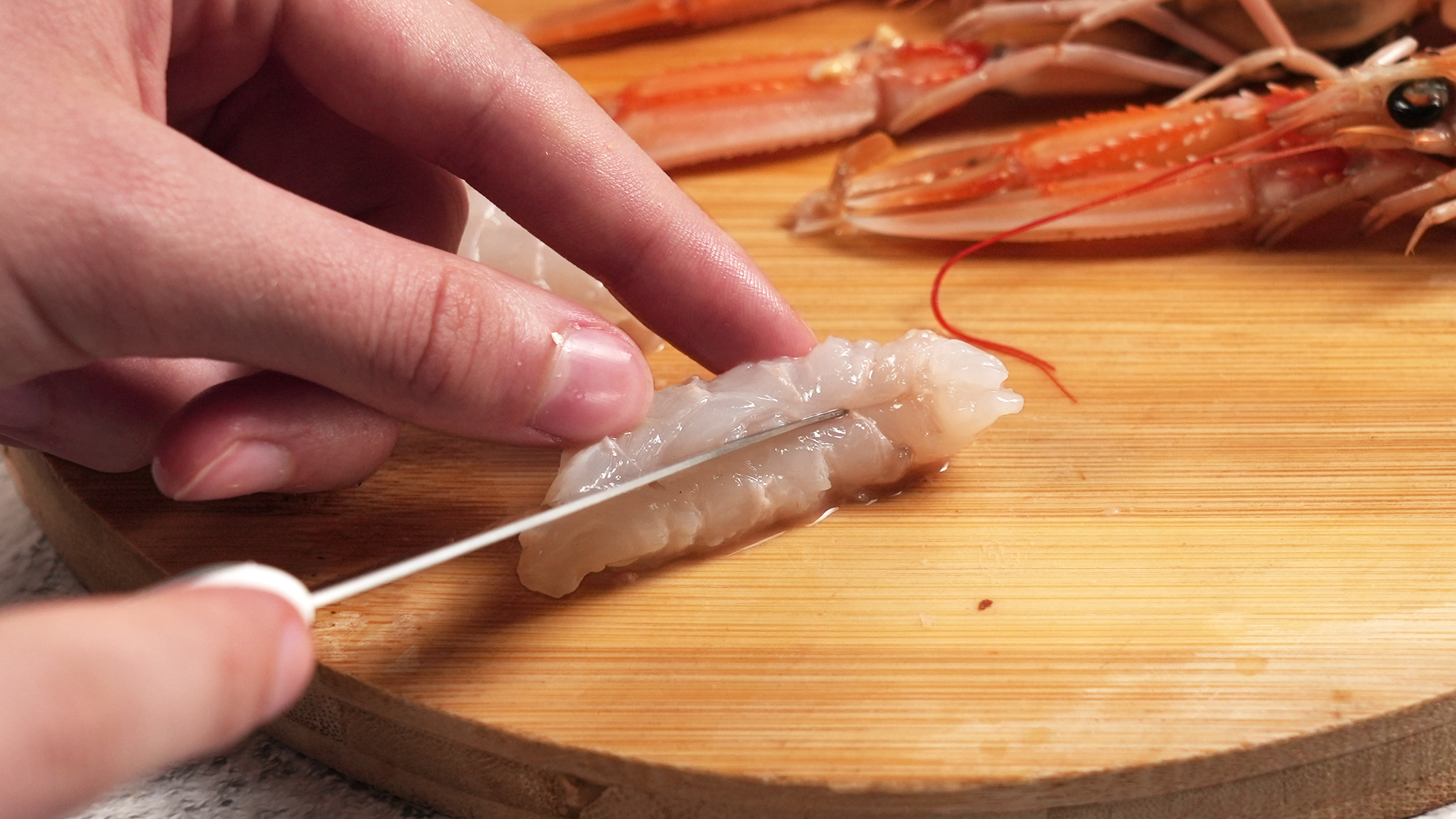
To devein peeled shrimp, place the shrimp on a cutting board with the curved back facing up. Use a small paring knife to make a shallow cut along the back. Lift out the dark line with the knife tip, your fingers, a toothpick, or kitchen tweezers. Rinse lightly only if needed, then drain well.
For shell-on shrimp, use kitchen shears to cut through the shell along the back, then remove the digestive tract through the opening. This keeps the shell in place while cleaning the shrimp. It is a useful trick for grilled shrimp, where the shell helps lock in moisture.
7. Rinse Only When Necessary, Then Dry Thoroughly
Many people automatically rinse shrimp, but it is not always necessary. Commercial shrimp is often already cleaned, and rinsing can spread splashes around the sink if done carelessly. If your shrimp is already peeled and deveined and looks clean, you can usually skip a heavy rinse.
If you do rinse shrimp, use cold water briefly and avoid soaking it. Shrimp absorbs water easily, and waterlogged shrimp does not sear well. After rinsing, place the shrimp on paper towels or a clean kitchen towel and pat it dry thoroughly.
This drying step is not glamorous, but it matters. Dry shrimp browns better in a hot skillet, grips seasoning more evenly, and avoids turning your sauté pan into a sad seafood steam room. If you want golden edges, dry shrimp is your friend.
8. Season, Brine, or Marinate Based on the Dish
Once shrimp is peeled, deveined, and dry, it is ready for flavor. A basic seasoning can be as simple as kosher salt, black pepper, garlic, lemon zest, paprika, chili flakes, Old Bay-style seasoning, or fresh herbs. Shrimp has a mild sweetness, so it pairs beautifully with bright, bold ingredients.
For better texture, try a quick dry brine. Toss one pound of shrimp with about one teaspoon of kosher salt and a small pinch of baking soda, then let it rest in the refrigerator for 15 to 30 minutes. The salt helps the shrimp stay juicy, while the baking soda can encourage a firmer, snappier bite and better browning. Use this technique for sautéed, grilled, or roasted shrimp.
Marinades are also useful, but keep them short. Shrimp is delicate, and acidic ingredients like lemon juice, lime juice, or vinegar can change its texture if left too long. For citrus-heavy marinades, 15 to 30 minutes is usually enough. For oil, garlic, herbs, and spices without much acid, you can go a little longer, but shrimp does not need an overnight soak. It is shrimp, not a college thesis.
9. Prep Your Cooking Surface Before Shrimp Hits the Heat
The final step in preparing shrimp is setting up the actual cooking process. Shrimp cooks so quickly that you should have everything ready before it goes into the pan. Heat the skillet, prepare the grill, bring the poaching liquid to the right temperature, or arrange the sheet pan before adding shrimp.
Cook shrimp in a single layer whenever possible. Crowding the pan traps steam and prevents browning. If you are cooking a large batch, work in batches. Shrimp is done when it turns pink, curls into a loose “C” shape, and becomes pearly and opaque. If it curls tightly into an “O,” it may be overcooked. Think “C” for cooked, “O” for overdone. Is it scientifically perfect? No. Is it memorable? Absolutely.
For food safety, cook shrimp until the flesh is opaque and firm. If using a thermometer, many cooks use 145°F as a general seafood doneness benchmark, but visual cues are especially common for shrimp because the pieces are small and cook rapidly.
Common Shrimp Preparation Mistakes to Avoid
Thawing Shrimp in Hot Water
Hot water may seem faster, but it can damage texture and start cooking the shrimp unevenly. Use refrigerator thawing when you have time or cold-water thawing when you are in a hurry.
Skipping the Drying Step
Wet shrimp does not brown well. If you want seared shrimp with flavorful edges, pat it dry before seasoning and cooking.
Marinating Too Long
Long acidic marinades can make shrimp mushy. Keep lemon, lime, and vinegar-based marinades short and purposeful.
Overcrowding the Pan
Shrimp needs space. A crowded pan lowers the temperature and creates steam. Use a large skillet or cook in batches for better texture.
Overcooking
Shrimp can go from tender to rubbery in less time than it takes to find your favorite spatula. Watch closely and remove it from heat as soon as it is opaque and just cooked through.
Best Ways to Use Prepared Shrimp
Once your shrimp is prepared, the cooking options are wide open. For a fast dinner, sauté shrimp with olive oil, garlic, chili flakes, and lemon juice, then toss it with pasta. For tacos, season shrimp with cumin, smoked paprika, garlic powder, and lime zest, then sear quickly and serve with slaw. For grilled shrimp, leave the shells on or thread peeled shrimp onto skewers, brush with oil, and cook over high heat just until opaque.
Prepared shrimp also works beautifully in soups and stews. Add shrimp near the end of cooking so it does not overcook. In fried rice, use dry, peeled, deveined shrimp and cook it quickly before combining it with rice and vegetables. For shrimp cocktail, poach peeled and deveined shrimp gently, chill it quickly, and serve with cocktail sauce.
Kitchen Experience: What Actually Helps When Preparing Shrimp
After preparing shrimp enough times, you start to notice that the small habits matter more than fancy techniques. The first real lesson is that frozen shrimp is not a downgrade. In many kitchens, frozen raw shrimp is the dependable option because it is available, convenient, and often preserved close to peak freshness. The trick is to thaw it gently and not punish it with hot water. A cold-water thaw feels almost too simple, but it works. The shrimp stays firm, the texture remains clean, and dinner does not need a dramatic rescue mission.
The second lesson is that peeling shrimp gets faster with rhythm. At first, it feels like every shrimp is wearing complicated armor. After a few tries, the process becomes automatic: pull the legs, crack the shell, peel, decide on the tail, move on. Keeping a small bowl nearby for shells makes the job cleaner. If you are making stock, save the shells in a freezer bag. Shrimp shells can add excellent flavor to seafood broth, risotto, gumbo, or soup. That little bag of shells in the freezer may not look glamorous, but it has delicious potential.
Deveining is another step where judgment helps. For large shrimp, removing the digestive tract improves appearance and avoids grit. For very small shrimp, it may not be worth the time unless the line is obvious. A paring knife works, but kitchen shears can be even easier, especially when working with shell-on shrimp. The goal is not to carve a canyon into the shrimp. A shallow cut is enough.
Drying shrimp before cooking may be the most underrated step. Many home cooks season shrimp while it is still wet, then wonder why it steams in the skillet instead of browning. Patting shrimp dry gives the surface a chance to sear. This is especially important for garlic butter shrimp, tacos, skewers, and stir-fries. A hot pan plus dry shrimp equals better flavor.
Seasoning shrimp also rewards restraint. Shrimp cooks quickly and has a natural sweetness, so it does not need to be buried under a mountain of spices. Salt, pepper, garlic, lemon, and a little heat can be enough. A short dry brine with salt and a tiny pinch of baking soda can make shrimp pleasantly snappy, especially for sautéing or grilling. Just do not overdo it. Too much baking soda can create an odd texture and flavor, and nobody invited that to dinner.
Finally, shrimp teaches timing. Prepare everything else first: sauce, vegetables, pasta, rice, tortillas, serving bowl, lemon wedges, and whatever garnish makes you feel like a cooking show host. Shrimp should usually be one of the last ingredients to cook because it needs only minutes. When it turns pink and opaque, stop. Pull it from the heat. Let carryover warmth finish the job if needed. The best shrimp dishes often come from confidence, not complication.
Conclusion
Preparing shrimp for cooking is simple once you understand the order: choose good shrimp, keep it cold, thaw it safely, peel when needed, devein for cleaner presentation, dry it well, season smartly, and cook it quickly. These nine steps help protect shrimp’s delicate texture and bring out its sweet, briny flavor.
The biggest secret is not a secret at all: do not rush the wrong parts. Thaw gently, dry thoroughly, season thoughtfully, and have the pan ready before the shrimp goes in. Do that, and shrimp becomes one of the easiest proteins to cook well at home. It is fast, flexible, and forgivingas long as you do not abandon it in a hot skillet while checking your phone.
Note: This article is written for web publishing in standard American English, using practical food-safety guidance and cooking best practices synthesized from reputable U.S. culinary and food-safety resources.

