
Beauty Unlocked
New Furniture from Another Country, Inspired by Poetry
Jul
Some furniture arrives with an instruction sheet. Other furniture arrives with a backstory, a point of view, and the faint suggestion that it has read more books than you have. The latter is where poetry-inspired furniture lives: somewhere between a dependable chair and a very quiet work of art.
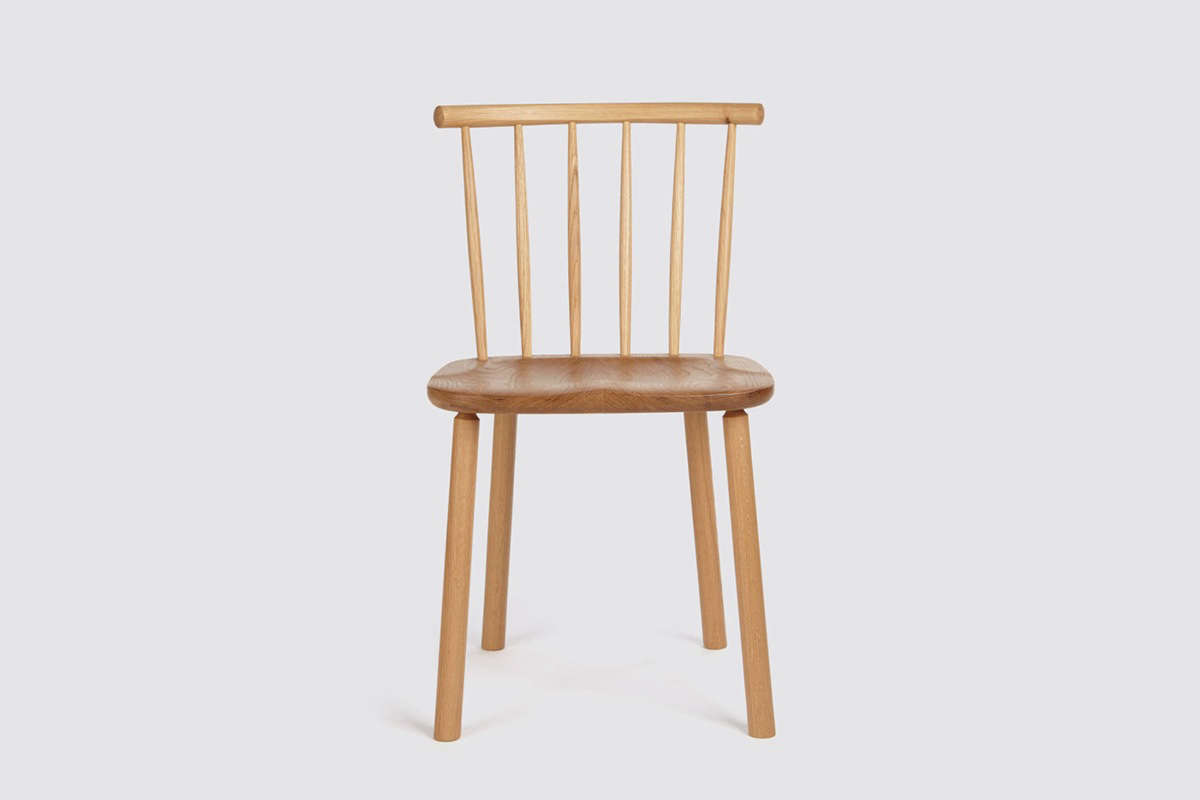
The Hardy collection from British furniture brand Another Country is a compelling example. Designed by David Irwin, the collection takes its emotional cue from Thomas Hardy’s poem Old Furniture, which reflects on the lives and generations connected to familiar household objects. Instead of turning that idea into something overly precious or museum-like, the collection translates it into practical wooden furniture intended to be used, marked, loved, and passed along.
That is the real charm of furniture inspired by poetry: it does not need to print verses across a tabletop or give every chair a dramatic name like “The Whispering Moonbeam.” It can work more quietly. A curve can echo a line of verse. A weathered timber surface can suggest memory. A rocker can feel like a pause between stanzas. Good poetic furniture is not furniture wearing a beret. It is furniture with rhythm.
When Poetry Becomes Furniture Design
Poetry and furniture may seem like odd roommates. One lives in language; the other gets sat on during family arguments. Yet both deal with proportion, rhythm, pause, repetition, texture, and emotional response. A poem can use a short line to create tension or stillness. A furniture designer can use a slim leg, a wide seat, or an unexpectedly curved rail to create a similar feeling in physical form.
Designers have long borrowed ideas from art, literature, and memory instead of relying only on trends. Danish-Italian studio GamFratesi, for example, has discussed how a Japanese haiku helped shape the mood behind one of its sofa designs. The point was not to build a sofa that looked like a poem on a greeting card. It was to translate an atmosphere, a gesture, and a feeling into a functional object.
That approach matters because homes are not showrooms. The most successful pieces do not demand a spotlight every minute of the day. They simply make a room feel more intentional. A chair with a gently arched back can soften an angular dining room. A side table made from warm oak can give a modern apartment a sense of history. A carefully designed rocker can turn an empty corner into a place where people actually sit instead of merely storing decorative pillows.
The Hardy Collection: A Modern Take on Old Furniture
The Hardy collection is rooted in a simple but emotionally rich idea: furniture becomes more meaningful when it stays in a family long enough to collect stories. Thomas Hardy’s poem reflects on the human touch left behind on old household pieces. David Irwin took that spirit and turned it into a collection that looks toward the future while nodding to the past.
The Hardy Chair combines influences from two nineteenth-century British chair types: the Captain’s chair and the Smokers Bow. Those references give the chair a familiar silhouette, but the final result is not a historical replica. It is a contemporary wooden armchair with clean lines, balanced proportions, and enough warmth to avoid looking like it escaped from a corporate waiting room.
This balance is important. Reproductions can feel frozen in time, while hyper-modern furniture can sometimes feel like it expects you to wear shoes made of chrome. Poetry-inspired design sits in the middle. It respects tradition without treating the past as a costume party.
Why the Collection Feels Familiar
The collection’s appeal comes partly from recognition. Even when a viewer cannot identify a specific historical chair style, the forms feel understandable. The curved back, solid wood construction, and modest dimensions suggest something durable and human-scaled. The pieces do not scream for attention. They make a stronger move: they invite you to live with them.
That sense of familiarity aligns with the best heirloom furniture. An heirloom piece does not have to be antique before it earns respect. It simply needs enough integrity to survive changing paint colors, moving trucks, energetic children, curious pets, and at least one person who insists a coffee table is an acceptable footrest.
Furniture With Memory, Not Just Style
Modern furniture shopping often focuses on speed. Consumers want a sofa delivered by Friday, a dining table assembled before guests arrive, and a lamp that makes the room look better during video calls. There is nothing wrong with convenience. But poetry-inspired furniture asks a different question: what will this piece mean after ten years?
That question changes how people evaluate materials, joinery, finishes, and repairability. A table made from solid wood can develop scratches, soften in color, and gain character. A well-made chair can be refinished instead of replaced. A cabinet can move from a first apartment to a larger house, then eventually to a child’s home. In other words, it can have a second career without needing LinkedIn.
The idea of giving wood another life also appears in the work of furniture maker George Nakashima. The Metropolitan Museum of Art notes that Nakashima believed individual pieces of wood had distinctive character and sought to give trees a “second life” through furniture. His work joined Japanese tradition, Shaker simplicity, and modern design into objects that feel both crafted and deeply personal.
This is where poetic furniture becomes especially relevant today. It offers an alternative to disposable decor. Rather than buying objects that photograph well for six months and feel tired by next spring, homeowners can choose pieces with a longer emotional horizon.
How Poetry Shapes Form, Material, and Mood
1. Rhythm Becomes Repetition
In poetry, repeated sounds and phrases create rhythm. In furniture, repetition can appear through spindle backs, turned legs, slatted surfaces, or a series of carefully spaced joints. Repetition makes an object feel organized without becoming stiff. Think of a dining chair with evenly spaced spindles: the eye reads the pattern almost the way the ear hears a refrain.
2. Metaphor Becomes Material
Poetry often uses objects as metaphors. A tree may suggest endurance. A river may suggest change. A worn threshold may suggest the passage of time. Furniture designers can use materials in the same way. Oak feels grounded and durable. Ash feels lighter and more flexible. Rattan can suggest airiness and movement. Stone can add permanence, while paper-based furniture can explore fragility and transformation.
Japanese designer Tokujin Yoshioka’s Honey-Pop Armchair is a striking example of an object that turns material behavior into experience. Made from paper honeycomb similar to that used in lantern construction, the chair opens from a flat form and takes the impression of the first person who sits in it. It is a functional seat, but it also becomes a record of contact.
3. Silence Becomes Negative Space
A strong poem knows when not to say too much. Furniture does, too. Negative space around chair legs, under a console, or between shelves prevents a room from feeling crowded. This is especially useful in small homes, where every bulky object can make the room feel like it is preparing for hibernation.
Minimal furniture can still be expressive. It does not need carved leaves, ten shades of brass, and a drawer pull shaped like a dragon’s eyebrow. Sometimes the poetry is in the restraint: a slightly softened edge, a visible grain pattern, a tucked-away drawer, or a proportion that feels quietly right.
How to Style Poetry-Inspired Furniture at Home
The easiest mistake is trying to make every item in a room poetic at once. That is how a living room becomes a very expensive English literature seminar. Instead, choose one anchor piece and build around it.
A wooden armchair can become the centerpiece of a reading corner. Add a simple floor lamp, a textured throw, and a small side table with enough room for a book and a cup of tea. Keep the rest of the room calm so the chair has space to breathe.
A sturdy oak console can work beautifully in an entryway. Pair it with a framed print, a ceramic bowl for keys, and a mirror. The goal is not to recreate a nineteenth-century cottage. The goal is to create a daily landing place that feels considered from the moment someone walks through the door.
In a dining room, mix a poetic wood table or set of chairs with contemporary lighting. This contrast prevents the room from feeling overly themed. A sculptural pendant light above traditional-inspired seating can create a conversation between old and new, like a poem that uses ancient imagery in modern language.
What to Look for Before Buying Heirloom-Style Furniture
Furniture inspired by poetry should still perform like furniture. Before falling in love with a story, inspect the practical details.
- Check the material. Solid wood, high-quality veneer, metal, and durable upholstery usually age better than thin particleboard or weak plastic components.
- Study the joinery. Well-built joints are a better sign of longevity than a dramatic product description full of words like “artisan,” “curated,” and “soulful.”
- Consider repairability. Ask whether cushions, hardware, finishes, or seat pads can be replaced or restored.
- Measure carefully. A poetic chair that blocks every pathway is still a traffic cone with upholstery.
- Think beyond the current room. Choose a piece that could move with you and work in a different home later.
- Buy for touch, not only photos. Sit in it, open the drawer, run a hand across the surface, and notice whether it feels substantial.
Buying furniture online can make this harder because photographs rarely communicate scale, comfort, or finish accurately. Design experts have noted that shoppers often lower expectations when purchasing furniture without seeing it in person. When possible, order material samples, read dimension charts carefully, and review return policies before committing.
Why Furniture Inspired by Poetry Still Matters
There is a reason people respond to furniture with a story. Homes are where everyday life piles up: school bags by the door, late-night meals at the table, books left open on the armchair, birthday candles, arguments, apologies, naps, and the occasional mystery stain that becomes part of family folklore.
Furniture that acknowledges time feels more human because it accepts that life is not a static photograph. The best pieces do not stay pristine forever. They become better because they are used. Their surfaces record habits. Their edges soften. Their drawers hold increasingly strange collections of batteries, receipts, string, spare keys, and objects nobody remembers buying.
Poetry-inspired furniture encourages homeowners to slow down and choose with more care. It makes room for craft, memory, and imperfection. It also proves that functional design can be emotionally intelligent without becoming impractical. A good chair supports your back. A great chair may also support your sense that the room has finally become yours.
Experiences With Poetry-Inspired Furniture: Living With Objects That Grow Older With You
The first thing people notice about poetry-inspired furniture is often its appearance. They see a curved chair back, a warm grain pattern, a handmade edge, or a cabinet that looks less like a product and more like it has a past. But the deeper experience begins after the furniture has been in a home for a while.
Imagine bringing home a wooden chair with a soft, rounded frame. On the first day, it looks almost too perfect. The finish is clean. The seat is untouched. It sits in the corner like a guest who has arrived early and is waiting politely for someone to offer a drink. A few weeks later, it becomes the place where you read after dinner. A few months later, it becomes the chair where a friend sits during long conversations. Eventually, it is the chair everyone quietly claims when they visit.
That is how furniture becomes poetic. Not because it is delicate, but because it collects context. A dining table becomes more interesting after birthday cakes, laptop workdays, crayon marks, and holiday meals. A sideboard becomes meaningful when it holds family photographs, letters, or a bowl inherited from someone who believed every snack required proper dishware.
Living with a piece designed for longevity also changes your relationship with imperfection. A scratch on a cheap table can feel like a disaster because the table already seemed temporary. A scratch on a well-made oak table can feel different. It may still be annoying, especially if it happened during an enthusiastic attempt to assemble flat-pack furniture nearby, but it becomes part of the object’s story rather than the end of its usefulness.
Poetry-inspired furniture also encourages slower decorating. Instead of buying ten small items to make a room look complete, you may choose one chair, one console, or one table with a strong point of view. The room develops gradually. It becomes less about immediate visual impact and more about atmosphere. The result often feels calmer because every object has space to matter.
There is also a social side to this kind of furniture. Guests ask questions about it. They notice the unusual curve of the arms or the softness of the wood finish. That opens a conversation about where it came from, who designed it, what inspired it, and why you chose it. Suddenly, the furniture is no longer background scenery. It becomes a small piece of storytelling in the room.
Perhaps the most satisfying experience comes years later. You move homes, repaint walls, change rugs, replace curtains, and discover that the same chair still works. It looks different in a new space but remains familiar. It has outlasted trends, temporary obsessions, and at least three different opinions about what color a living room should be. That kind of durability is not flashy, but it is deeply reassuring.
Poetry-inspired furniture reminds us that a home does not need to be perfect to be beautiful. It needs objects that can stay through the mess, the celebrations, the transitions, and the ordinary Tuesday evenings. A well-designed chair, table, or cabinet can become a witness to life. And that may be the most poetic job furniture can have.
Conclusion
New furniture from another country can offer more than a different silhouette or unfamiliar design language. When it is inspired by poetry, it can bring memory, craftsmanship, rhythm, and emotional depth into everyday rooms. The Hardy collection shows how a poem about inherited furniture can become a contemporary design language built around durability and use.
The lesson is simple: choose furniture that does more than fill empty floor space. Look for pieces with honest materials, thoughtful proportions, and enough character to stay interesting long after the first photo is posted. The most meaningful furniture does not demand attention every day. It simply becomes part of the life happening around it.

