
Hair Care
How to Overcome Dizziness
Jul
Dizziness is the human body’s way of saying, “Hey, let’s pretend the floor is a trampoline for a minute.” Sometimes it’s harmless (hello, stood up too fast), and sometimes it’s your nervous system waving a tiny red flag (or, occasionally, a giant red banner with flashing lights). The good news: a lot of dizziness is treatable, manageable, and preventable once you figure out what kind you’re dealing with.
In this guide, you’ll learn how to get dizziness relief safely, what home remedies for dizziness actually help, when to try targeted techniques like the Epley maneuver, and when it’s time to call a healthcare professional instead of “walking it off.” (Spoiler: if you have stroke-like symptoms, you don’t “walk it off.” You call 911.)
First, translate “dizzy”: not all dizziness is the same
“Dizzy” is a catch-all word that can mean totally different problems. Getting specific helps you (and your clinician) find the right fix faster.
1) Vertigo (spinning or tilting)
This is the “the room is doing the cha-cha” sensation. Vertigo often points to an inner-ear (vestibular) issue, like benign paroxysmal positional vertigo (BPPV), vestibular neuritis, or Ménière’s disease.
2) Lightheadedness (about to faint)
This can happen with dehydration, low blood pressure (including orthostatic hypotension), low blood sugar, anxiety/panic, anemia, or medication side effects. It’s often worse when standing up quickly.
3) Disequilibrium (unsteady, off-balance)
More like “I’m walking on a boat,” without the spinning. This can show up with vestibular problems, nerve issues in the feet/legs, vision changes, or neurologic conditions.
4) “Woozy” or foggy dizziness
This can overlap with anxiety, sleep deprivation, migraine, or medication effects. Sometimes it’s also what people mean when they’re actually describing vertigo. (Humans are creative; symptoms are not.)
Safety first: what to do immediately when dizziness hits
When dizziness starts, your first goal is simple: don’t fall, don’t faint, and don’t turn a small problem into a dramatic ER story that begins with “So I was in the shower…”
The 60-second reset
- Sit or lie down right away. If you can, put your feet up. Falls are a major risk when dizzy.
- Fix your gaze on something still. A stable visual target can reduce spinning sensations for some people.
- Breathe slower than your panic wants to. Inhale 4 seconds, exhale 6 seconds for 5 rounds.
- Hydrate (small sips). Water is great. An oral rehydration solution can help if you’ve been sweating or sick.
- Stand up like a suspense movie: slowly, in stages (lying → sitting → standing), pausing between steps.
If dizziness follows a new medication, an increased dose, alcohol, or poor sleep, note that detailpatterns are clues, not trivia.
When dizziness is an emergency (don’t “wait it out”)
Get emergency care for new, severe dizzinessespecially if it comes with any of the following:
- Weakness, numbness, facial droop, trouble speaking, confusion
- Severe headache that’s sudden or unusual
- Chest pain, shortness of breath, fainting, or a fast/irregular heartbeat
- Trouble walking, new vision changes, or severe coordination problems
- New hearing loss (especially sudden) or severe one-sided symptoms
- Head injury, especially with worsening symptoms
In plain English: if it looks like stroke, heart trouble, or a major neurologic event, don’t troubleshoot at home.
How to overcome dizziness long-term: find the “why”
Dizziness is a symptom, not a personality trait. (Even if it shows up uninvited like that one group chat member.) Here are common causes and what typically helps.
BPPV: the “rolling over in bed = spin cycle” problem
BPPV is a very common cause of vertigo. It’s often triggered by head position changesrolling in bed, looking up, bending downcausing brief but intense spinning.
What helps
- Canalith repositioning (Epley maneuver). This series of head-and-body positions helps move tiny inner-ear crystals back where they belong. Many people improve quickly, sometimes after one session.
- Professional guidance the first time. A clinician or vestibular therapist can confirm BPPV and show you the correct side and technique.
Practical example
If the room spins for 15–30 seconds when you turn to the right in bed, then fades, and you feel okay-ish between episodes, BPPV is a strong possibility. The Epley maneuver is often considered first-line treatment for this pattern.
Vestibular neuritis or labyrinthitis: “I’m dizzy for days”
These conditions involve inflammation of the vestibular nerve (neuritis) and sometimes the inner ear structures (labyrinthitis). People often describe sudden severe vertigo, nausea, and imbalance that can last days, gradually improving over weeks.
What helps
- Short-term symptom meds (doctor-guided). Some medications reduce nausea or motion sensitivity but can cause drowsiness.
- Vestibular rehabilitation therapy (VRT). Targeted exercises retrain the brain and balance system and have strong evidence for many vestibular disorders.
- Gentle movement as tolerated. Counterintuitively, prolonged total rest can slow adaptationyour clinician can advise the right pace.
Vestibular migraine: dizziness with or without headache
Migraine can be a major cause of dizziness and vertigoeven when you don’t have a classic pounding headache. Symptoms may include vertigo episodes, motion sensitivity, light/sound sensitivity, nausea, and brain fog.
What helps
- Consistency basics: regular sleep, steady meals, hydration, and stress management
- Trigger tracking: not to “fear foods,” but to notice patterns (sleep debt, skipped meals, certain environments)
- Medical treatment: providers may recommend preventive or rescue medications based on your pattern
- VRT for lingering imbalance when appropriate
Orthostatic hypotension: dizzy when you stand up
If your dizziness happens mainly when you move from sitting/lying to standing, orthostatic (postural) hypotension may be involveda drop in blood pressure with position changes.
What helps
- Hydration and adequate salt (only if appropriate for your health conditionsask your clinician if you have heart/kidney issues)
- Rise in stages and “pump” your calves before standing (ankle flexes)
- Compression garments may help some people (clinician guidance is best)
- Medication review (some blood pressure meds, diuretics, antidepressants, and others can contribute)
Dehydration, illness, and low blood sugar: the “basic maintenance” causes
Not glamorous, but common: fluid loss (sweating, diarrhea, vomiting), not eating enough, or long gaps between meals. Your brain is surprisingly dramatic about fuel and fluids.
- Eat something balanced: protein + complex carb (e.g., yogurt + granola, peanut butter + toast)
- Rehydrate smart: water plus electrolytes if you’ve been losing fluids
- Limit alcohol and be cautious with excess caffeine if it worsens symptoms
At-home strategies that actually reduce dizziness
These are broadly useful across many dizziness causes and support steadier balance over time.
1) Build a “dizziness-proof” routine
- Hydration target: keep urine pale yellow (not clear-all-day, not apple-juice-dark)
- Meal rhythm: don’t skip breakfast; avoid long fasting stretches if you’re prone to lightheadedness
- Sleep consistency: same wake time most days (your vestibular system loves predictability)
- Move daily: gentle walking improves circulation and balance confidence
2) Reduce motion sensitivity safely
If you feel worse in grocery store aisles, scrolling, or busy patterns, you’re not alone. Controlled exposure can help: short, repeated practice with breaks can train your brain to tolerate motion again. Vestibular rehab professionals can tailor this so it’s challenging-but-not-miserable.
3) Fall-proof your environment
- Use night lights, especially for bathroom trips
- Hold handrails on stairs (yes, even if you feel young and invincible)
- Keep floors clear of cords and throw rugs
- Avoid driving or climbing ladders when symptomatic
4) Check your meds and supplements (with a pro)
Many medications list dizziness as a side effectblood pressure medications, sedatives, some antidepressants, antihistamines, and others. Don’t stop anything suddenly on your own, but do ask a pharmacist or clinician: “Could this be contributing? Are there alternatives or dose adjustments?”
What a clinician can do (and what to bring to the appointment)
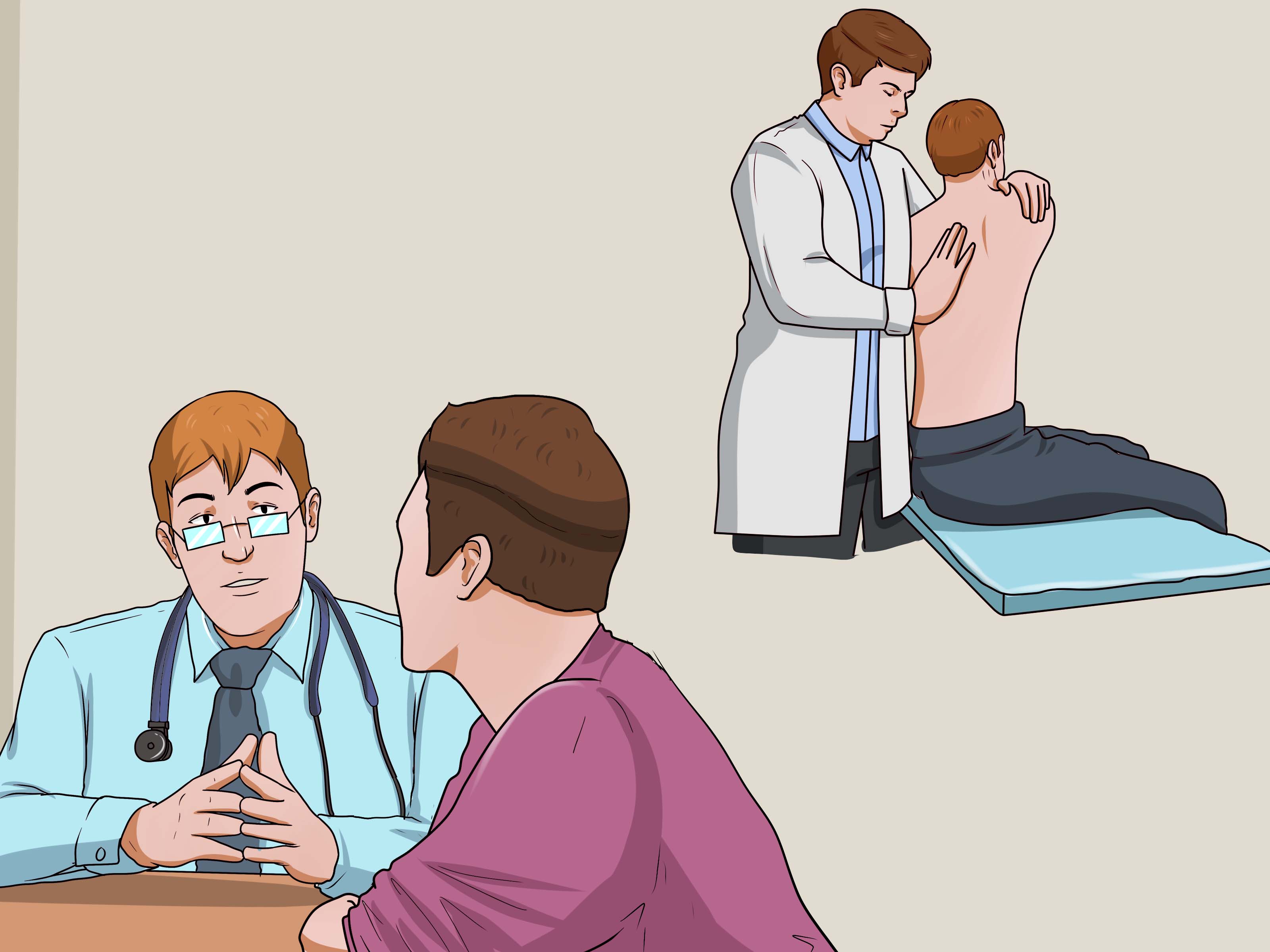
If dizziness keeps returning, disrupts daily life, lasts longer than expected, or has no clear explanation, it’s worth a medical evaluation. Clinicians often diagnose dizziness by timing + triggers + associated symptoms, not just by a single test.
Bring this “dizziness detective” list
- Timing: seconds vs minutes vs hours vs days
- Triggers: turning in bed, standing up, noisy/busy environments, exertion, stress
- Symptoms: hearing changes, ringing, headache, nausea, palpitations, fainting, numbness
- Medication changes: new meds, dose changes, missed doses
- Recent illness (especially viral infections) or head injury
Depending on your story and exam, your provider may check blood pressure sitting and standing, look for specific eye movements, assess balance and gait, evaluate hearing, and consider targeted tests when needed.
A simple “choose your next step” plan
If dizziness is brief and triggered by head position
Think BPPV. Ask about the Dix-Hallpike test and canalith repositioning (Epley maneuver). Consider vestibular therapy if episodes recur.
If dizziness happens mainly when standing up
Think orthostatic hypotension, dehydration, medication effects, or low blood sugar. Hydrate, rise slowly, eat regularly, and discuss blood pressure patterns with your clinician.
If dizziness is persistent for days with nausea and imbalance
Think vestibular neuritis/labyrinthitis or other vestibular disorders. Medical evaluation is wise, and vestibular rehabilitation can help recovery and reduce fall risk.
If dizziness comes with light/sound sensitivity or migraine features
Think vestibular migraine. Track patterns, prioritize sleep/meal regularity, and discuss migraine-focused treatment options.
Conclusion: steady wins (even when you feel wobbly)
To overcome dizziness, you don’t need a single magic trickyou need the right match between cause and strategy. The best path usually combines safety (prevent falls), smart self-care (hydration, regular meals, sleep), and targeted treatments (like the Epley maneuver for BPPV or vestibular rehabilitation for ongoing imbalance). And when symptoms suggest something serious, you treat dizziness like the warning signal it can be and get urgent care.
If you take one thing from this article, let it be this: dizziness is common, but it isn’t “normal enough to ignore” when it keeps happening. With the right approach, most people can reduce episodes, regain confidence, and get back to living life without feeling like the world is spinning every time they roll over.
Experiences: what “overcoming dizziness” often looks like in real life
People rarely wake up one day and declare, “I have overcome dizziness.” It’s usually more like: “Huh… I realized I went three days without gripping the kitchen counter like it’s a life raft.” Progress tends to arrive in small, almost boring winswhich is excellent news, because boring is exactly what your balance system is going for.
One common story starts with a sudden spin when rolling over in bed. The first thought is often, “Am I dying?” The second is, “Maybe I just need water.” And then comes the third: “Why is my pillow trying to fling me into orbit?” For many, this turns out to be BPPV. After a proper diagnosis, a canalith repositioning maneuver (like the Epley) can feel almost comically simple for something that caused so much chaos. People describe a strange moment of hope when they realize the vertigo is predictabletriggered by the same head movementand then relief when the spins gradually shrink in intensity. The experience teaches a powerful lesson: dizziness is scary, but patterns are useful.
Another frequent experience is “stand up and the screen goes dark for a second.” Some people laugh it off as a quirky personality feature (“I’m just dramatic”), until it happens in a grocery store line or after a hot shower. When they start tracking it, they notice the timing: it’s almost always after sitting, lying down, dehydration, or skipping meals. They learn to stand in stages, hydrate earlier in the day, and keep quick snacks nearby. That’s not glamorous wellness content, but it’s effective. For some, a clinician review reveals that a medication or dose change is contributing, and the fix becomes a safer adjustmentone of those “why didn’t we check this sooner?” moments.
Then there’s the longer, more stubborn journey: persistent dizziness after an illness, concussion, or a vestibular event. People often describe feeling “off” rather than spinninglike their internal GPS is lagging. Busy visual environments (think big-box stores with bright lights and endless aisles) can feel brutal. Many report that the hardest part isn’t the symptom itself; it’s the uncertainty and the fear of triggering it. This is where vestibular rehabilitation therapy can feel like a turning point. The exercises can be uncomfortable at firstbecause they intentionally challenge the systembut the right program is paced. People often say the first big win is simply trusting their body again: walking without constantly scanning for somewhere to sit, driving short routes confidently, or going out without mapping every exit like a fire drill.
Migraine-related dizziness has its own signature experience: symptoms that seem “random” until you zoom out. People start noticing that dizziness shows up after poor sleep, irregular meals, dehydration, stress spikes, or sensory overload. Some learn that they don’t need a pounding headache for migraine to be the culprit. The practical change that helps most is often consistencyregular sleep and mealsplus a plan with a clinician for prevention and rescue strategies. Many describe it as building a “buffer” so the nervous system doesn’t tip into chaos as easily.
Across these stories, the theme is surprisingly hopeful: overcoming dizziness usually means turning a vague, frightening symptom into a specific, manageable problem. It’s less about toughness and more about strategy. People who do best tend to (1) take safety seriously, (2) track triggers like a curious scientist, (3) get evaluated when symptoms persist or worsen, and (4) practice targeted rehab when appropriate. The world stops spinningnot because you forced it to, but because you finally gave your balance system the right support.

