
Skincare
Couple Forced to Demolish Dream Home – Neighborhood Lawsuits
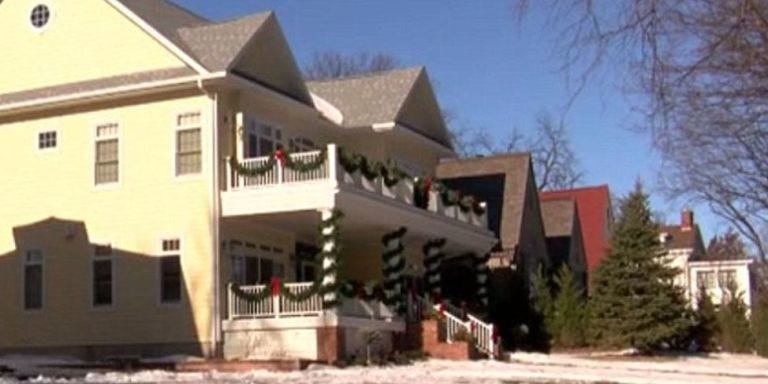
Jun
Building a dream home is supposed to feel like the opening scene of a lifestyle commercial: golden sunlight, fresh paint, maybe a smug little espresso machine humming in the kitchen. It is not supposed to end with a demolition order, a courtroom headache, and neighbors watching the drama unfold like it is the season finale of a real estate reality show.
Yet that is exactly why stories about a couple forced to demolish a dream home grab so much attention. They sit at the messy intersection of ambition, property rights, neighborhood rules, zoning laws, permits, and the one person down the road who has memorized the local building code with the intensity of a detective in a crime drama.
The recent case involving Jeremy and Elaine Zielinski in Great Abington, Cambridgeshire, became a cautionary tale for homeowners everywhere. The couple had permission tied to a rural business use, including a specialist facility and limited staff accommodation. Instead, officials found that the completed building functioned like a regular residential home. The result was brutal: the house had to come down.
Although that case happened in the United Kingdom, the lesson translates perfectly to American homeowners: your land may be yours, but what you can build on it is rarely yours alone to decide. Zoning boards, building departments, homeowners associations, historic districts, easements, setback rules, and neighbors all get a say. Sometimes that say is polite. Sometimes it arrives wearing a lawsuit.
What Happened in the Dream Home Demolition Case?
The heart of the dispute was not simply that a couple built something beautiful. The issue was that the approved use and the actual use appeared to be two very different animals. Permission had been granted for a countryside business-related structure, with staff accommodation connected to that business. But planning officials later concluded that the building was being used as a conventional private home.
That distinction matters. In land-use law, a building is not judged only by its walls, roof, or charming breakfast bar. It is judged by purpose. A barn that becomes a wedding venue, a garage that becomes an apartment, or a business structure that becomes a private residence can trigger enforcement if the legal approval does not match reality.
In the Zielinski case, the inspector found little convincing evidence that the approved business use had actually taken root. The property reportedly looked more like a family residence than a functioning specialist facility. Once that conclusion was reached, the local authority did not merely ask for a fresh coat of paperwork. It pushed for demolition, and the appeal failed.
For many readers, the reaction is immediate: “Demolition? Really? Not a fine? Not a stern letter with official-looking fonts?” But courts and planning authorities sometimes view demolition as the only practical remedy when an unauthorized building cannot be brought into compliance or when allowing it to remain would reward a clear breach of the rules.
Why Neighborhood Lawsuits Happen Around Dream Homes
Most neighborhood lawsuits do not begin with villains twirling mustaches over a property survey. They usually begin with small frictions: a fence inches over the line, construction noise that starts before breakfast, a new second story blocking sunlight, a driveway drainage problem, or a house that seems too large for the lot.
Then come the questions. Was the project permitted? Did the plans match what was built? Did the builder respect setbacks? Did the homeowner follow HOA rules? Did the structure interfere with a neighbor’s use and enjoyment of their property? In other words, was this a dream home or a dream home wearing legal roller skates?
Zoning Laws: The Invisible Fence Around Every Property
Zoning determines how land may be used. In the United States, zoning laws commonly regulate whether property can be residential, commercial, agricultural, mixed-use, or industrial. They may also control density, building height, lot coverage, parking, setbacks, accessory dwelling units, and sometimes even the character of a neighborhood.
This means a homeowner cannot simply say, “I bought the land, therefore I shall build a castle, a recording studio, and a llama sanctuary.” The local code may have other opinions. Zoning rules are the invisible fence around every parcel. You do not see them when you tour the property, but they are absolutely there, quietly judging your Pinterest board.
Building Permits: Annoying Paperwork That Can Save Your Wallet
Building permits exist to confirm that major work complies with safety codes, zoning rules, approved plans, and inspection requirements. Structural changes, additions, roofing, plumbing, electrical work, HVAC changes, and major renovations often require permits, though exact rules vary by city and county.
Skipping permits can feel tempting when a project is already expensive. But that shortcut can become the most expensive item on the budget. Unpermitted work may lead to stop-work orders, fines, insurance problems, forced corrections, difficulty selling the home, or in extreme cases, demolition.
The cruel irony is that many homeowners spend months choosing countertops but only minutes checking permit history. Granite is nice. A valid certificate of occupancy is nicer.
Neighbors: Not Just Background Characters
Neighbors have legal interests too. They may object if construction crosses a boundary, violates setbacks, creates drainage problems, causes structural damage, produces unreasonable noise or dust, blocks access, or violates shared covenants. In some cases, neighbors may report violations to city officials. In others, they may sue for nuisance, trespass, injunctions, or damages.
A private nuisance claim generally focuses on whether one property owner’s use of land substantially and unreasonably interferes with another person’s use and enjoyment of their property. That can include noise, odors, dust, vibration, drainage, smoke, or other recurring disturbances. In plain English: your dream project cannot make next door feel like a construction-themed escape room.
Common Neighborhood Lawsuits That Can Threaten a Home Project
1. Boundary and Encroachment Disputes
Boundary disputes happen when property owners disagree about where one lot ends and another begins. This can involve fences, retaining walls, landscaping, sheds, garages, pools, driveways, or additions. A few inches may sound silly until concrete has been poured. Then those inches become extremely expensive.
The smartest first step is usually a current professional survey. Old assumptions, informal agreements, and “the previous owner said the line was over there” are not strong foundations for a six-figure project. Before building, homeowners should review the deed, survey, easements, setbacks, and any recorded covenants.
2. Setback Violations
Setbacks are rules that require structures to sit a certain distance from property lines, roads, waterways, or other buildings. A house, deck, garage, or accessory dwelling built too close to the line may violate zoning even if the owner never meant to cause trouble.
Setback violations are dangerous because they are often discovered late. A neighbor sees framing go up, checks the rules, calls the city, and suddenly the project pauses. If the violation cannot be solved with a variance or redesign, the owner may be ordered to alter or remove the structure.
3. HOA and Architectural Review Fights
Homeowners associations can enforce covenants, conditions, and restrictions. These rules may cover exterior colors, roof materials, fences, landscaping, additions, rentals, parking, and architectural style. Some HOAs have design-review boards that must approve plans before construction begins.
Many homeowners discover too late that city approval and HOA approval are separate creatures. The city may approve your addition for safety and zoning, while the HOA rejects it because the roofline “does not harmonize with community character.” Translation: your dormer has offended a committee.
4. Nuisance Claims During Construction
Construction can create dust, noise, vibration, blocked driveways, runoff, cracked walls, and general neighborhood misery. Most neighbors accept some temporary inconvenience. But if construction becomes unreasonable, unsafe, or damaging, lawsuits may follow.
Contractors and homeowners should document site conditions before work begins, communicate schedules, control dust and debris, respect local work-hour rules, protect adjacent structures, and carry proper insurance. A polite notice before construction may not solve everything, but it is cheaper than becoming the villain in a neighborhood group chat.
5. Historic Preservation and Demolition Restrictions
Some homes cannot be demolished or heavily changed without review because they sit in historic districts or have landmark status. These rules can frustrate owners who want to modernize, expand, or replace older structures. But preservation laws are designed to protect cultural, architectural, or community significance.
Before buying an older property, especially in a famous or historic neighborhood, buyers should ask whether demolition, exterior changes, windows, roofing, or additions require special approval. A bargain fixer-upper can become a very expensive museum exhibit if the rules are ignored.
Why Courts and Local Authorities Sometimes Choose Demolition
Demolition is usually a last resort, but it is not imaginary. It becomes more likely when the violation is serious, intentional, unsafe, impossible to legalize, harmful to neighbors, or inconsistent with land-use policy. Authorities may also choose demolition when lesser remedies would allow the owner to profit from breaking the rules.
For example, if someone gets approval for a small agricultural building but constructs a luxury residence instead, simply charging a fine could send the wrong message. A fine might become just another development cost. Demolition says something much louder: the rules were not decorative.
Courts may also consider whether the owner acted in good faith. A homeowner who made a minor measurement mistake may receive different treatment from one who knowingly built something unauthorized and hoped nobody would notice. The law is not always warm and cuddly, but it does care about intent.
How Homeowners Can Avoid a Dream Home Lawsuit
Do Legal Due Diligence Before Buying Land
Before buying property to build or renovate, investigate zoning, easements, flood zones, environmental restrictions, historic status, access rights, utility availability, soil conditions, surveys, title issues, and neighborhood covenants. This is not the glamorous part of real estate, but it is the part that keeps your home from becoming an expensive cautionary tale.
Make Sure the Approved Plans Match the Built Reality
One of the biggest mistakes is treating approved plans as a loose suggestion. If the permit says one thing and the finished building says another, trouble follows. Field changes happen, but they should be documented and approved when required. Do not let a contractor casually say, “We do it this way all the time,” unless “this way” includes legal compliance.
Talk to Neighbors Early
Neighbors do not need to approve every legal project, but early communication reduces suspicion. Tell them when work will begin, how long it may last, and whom to contact if problems arise. A neighbor who feels respected is less likely to sprint directly to City Hall with photos, measurements, and the emotional energy of a courtroom thriller.
Keep Records Like Your House Depends on It
Save permits, inspection approvals, contractor contracts, stamped plans, surveys, HOA approvals, variance decisions, correspondence, photos, and certificates of occupancy. If a dispute arises, records turn panic into evidence. Memory is foggy. Paperwork has better posture.
Use Mediation Before Litigation
Many neighbor disputes can be resolved through conversation, a formal letter, HOA involvement, city inspection, or mediation. Litigation should usually be the last stop, not the opening move. Lawsuits are expensive, slow, stressful, and terrible for block-party invitations.
What Buyers Should Check Before Purchasing a “Dream Home”
Buyers should never assume that an existing home is fully legal just because it is standing. A structure may contain unpermitted additions, illegal conversions, setback problems, unresolved code violations, or expired approvals. These issues can follow the new owner like a very boring ghost.
Before closing, ask for permit records, final inspection documents, certificates of occupancy, surveys, HOA documents, title reports, disclosures, and records of any variances or enforcement notices. If the property includes a finished basement, converted garage, guesthouse, large deck, pool, or accessory unit, verify that those features were legally approved.
A beautiful home with hidden legal defects is like a sports car with no brakes. It may look fantastic in photos, but the first downhill turn gets exciting in all the wrong ways.
Experience-Based Takeaways: What This Story Teaches Real Homeowners
The biggest real-world lesson from a couple being forced to demolish a dream home is this: property problems rarely explode overnight. They usually grow from ignored warnings, casual assumptions, missing documents, or one sentence that begins, “It should be fine.” In real estate, “it should be fine” is not a strategy. It is a scented candle placed next to a fireworks box.
Imagine a couple buying a rural parcel because they want peace, space, and a kitchen window view that does not include a neighbor’s recycling bin. They find a property with some kind of prior approval attached to it. The plans look promising. The contractor is confident. The couple is excited. Everyone wants to move quickly because delays cost money. But somewhere in the process, the legal purpose of the building becomes blurry. Is it a business structure? A guest unit? A home? A mixed-use building? The answer matters more than the flooring.
Another common experience involves neighbors noticing changes before officials do. A homeowner may think nobody cares about a new garage, fence, second-story addition, or backyard rental unit. But neighbors live with the effects every day. They see trucks arrive. They hear saws. They watch sightlines change. They notice water pooling after a storm. They count how close the wall is to the fence. Sometimes they are being nosy. Sometimes they are protecting their own property. Often, it is both.
For homeowners, the practical approach is to act boringly responsible. Before building, pull a fresh survey. Read the zoning code or hire someone who can. Confirm setbacks. Check HOA covenants. Ask whether a variance is needed. Get permits before work starts. Make sure inspections are completed. If the project changes, ask whether the permit must be revised. This may feel slow, but it is faster than defending a lawsuit while wondering whether your new living room is legally a laboratory, barn, office, or “oops.”
For neighbors, the lesson is to start with facts rather than fury. If something looks wrong, document it, check public permit records, review surveys if available, and speak calmly before escalating. A polite conversation can sometimes fix a misunderstanding. If that fails, local building departments, zoning boards, HOAs, mediation services, and attorneys exist for a reason.
For buyers, the lesson is even sharper: never fall in love with a property so hard that you stop asking ugly questions. The dreamier the home, the more carefully you should inspect its legal bones. Ask whether every major improvement was permitted. Ask whether the current use is allowed. Ask whether there are open violations. Ask whether neighbors have complained. A dream home should come with sunlight, storage, and legal certainty.
In the end, neighborhood lawsuits are not only about buildings. They are about trust. Communities run on the idea that everyone follows the same basic rules, even when those rules are inconvenient. When one owner ignores them, the conflict can spread far beyond one property line. That is how a private dream becomes a public disputeand sometimes, a demolition order.
Conclusion
The story of a couple forced to demolish a dream home is shocking because it turns the fantasy of homeownership upside down. But beneath the drama is a practical lesson: land ownership comes with limits. Zoning laws, building permits, HOA rules, nuisance claims, boundary lines, and neighbor rights can shape what happens to a property long after the purchase contract is signed.
For homeowners, the safest path is simple: verify before you build, document as you go, communicate with neighbors, and never assume approval for one use allows another. A dream home should be built on more than concrete and optimism. It should be built on permits, surveys, compliance, and enough paperwork to make a city clerk smile.
Note: This article is for general informational and editorial purposes only. Property laws vary by location, and homeowners facing a real dispute should consult qualified local professionals before making legal or construction decisions.

