
Hair Care
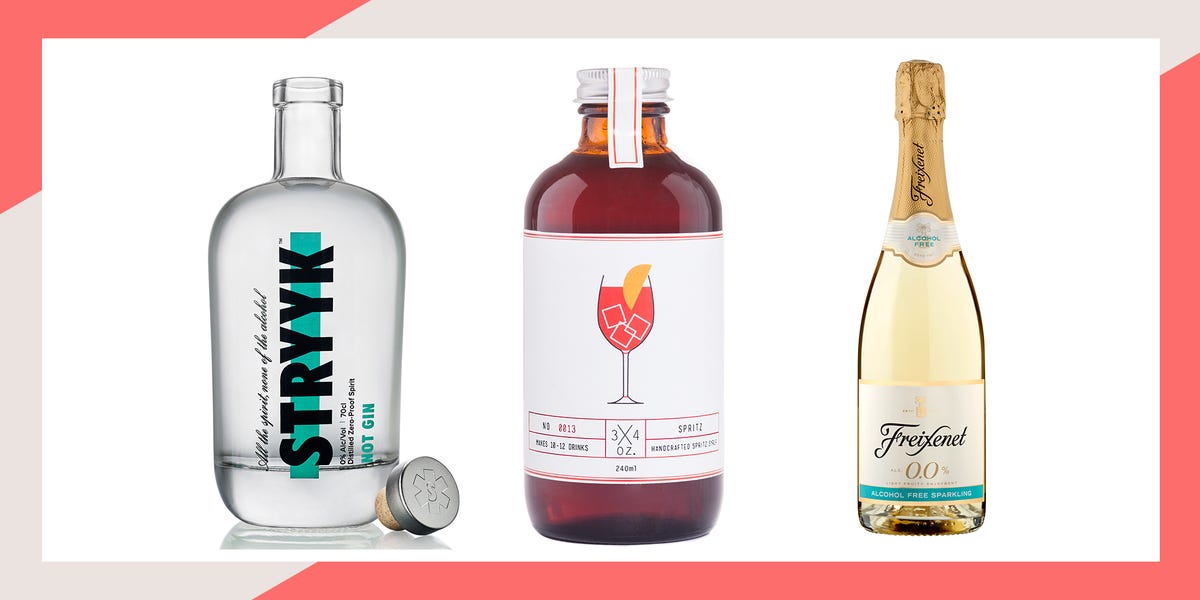
A Guide to Going Alcohol Free and the Best Alcohol Free Beer, Wine and Gin
Jun
Editor’s note: This guide is written for adults of legal drinking age who want to reduce or avoid alcohol. It is not medical advice. If you drink heavily, have a history of alcohol dependence, are pregnant, take medications, or have a medical condition, talk with a qualified health professional before making major changes.
Why Going Alcohol Free Is Having a Very Big Moment
Going alcohol free used to sound like a punishment invented by a joyless committee: warm soda, awkward explanations, and a sad lime wedge floating in a glass like it had given up on life. Thankfully, the alcohol-free world has grown up. Today, the best alcohol free beer, non alcoholic wine, and zero proof gin alternatives are sophisticated enough for dinner parties, beach coolers, date nights, and Tuesday evenings when your brain says, “Let’s be responsible,” and your taste buds say, “But make it interesting.”
The movement is often called “sober curious,” “mindful drinking,” or simply “I do not want to feel like a raccoon in a laundry basket tomorrow.” Whatever label you choose, the idea is simple: you can enjoy the ritual, flavor, and social sparkle of drinking without the alcohol. For some people, that means a full alcohol-free lifestyle. For others, it means taking a break during Dry January, Sober October, training season, pregnancy, medication use, better sleep goals, or just because they are tired of donating Sunday mornings to regret.
Public health guidance has become increasingly clear that drinking less is generally better for your health than drinking more. At the same time, the non alcoholic drinks market has exploded. More Americans are rethinking alcohol, and beverage brands have rushed to create options that feel less like substitutes and more like real choices. The result: better beer, brighter wine alternatives, and gin-style spirits that can finally hold hands with tonic without embarrassing themselves.
What Does “Alcohol Free” Actually Mean?
Before you stock the fridge, check the label. In the United States, “non alcoholic” beverages can often contain less than 0.5% alcohol by volume, commonly written as “less than 0.5% ABV.” That tiny amount is similar to what may naturally occur in some fermented foods and juices, but it is not the same as 0.0% alcohol.
“Alcohol free” or “0.0%” usually signals that the product is made to contain no alcohol, though shoppers should still read the fine print. This distinction matters for people avoiding alcohol for pregnancy, recovery, religious reasons, medication interactions, liver disease, or personal preference. If you need absolutely no alcohol, look for “0.0% ABV” and review the product details carefully.
How to Go Alcohol Free Without Making It Weird
Start With Your “Why”
The easiest alcohol-free plan begins with a reason that actually belongs to you. Maybe you want deeper sleep, fewer headaches, better workouts, lower spending, improved mood, clearer skin, or more mornings where you wake up and do not need to apologize to your houseplants. Write down your reason. Keep it simple. “I want to feel better” is enough.
Pick a Time Frame
You do not have to sign a lifetime contract on day one. Try seven days, 30 days, a month of weeknights, or a “no alcohol at home” rule. Small experiments are powerful because they reduce pressure. You are not becoming a monk on a mountain. You are testing whether your life improves when alcohol stops driving the bus.
Replace the Ritual, Not Just the Liquid
Most people miss the ritual as much as the drink: opening a bottle, pouring something beautiful, clinking glasses, pairing flavors with food, or marking the end of a long day. Replace that moment with something equally intentional. Use a wine glass. Add ice. Garnish the drink. Serve it cold. Put it in the “nice” glassware instead of the chipped mug that says “World’s Okayest Adult.” Presentation matters because your brain loves ceremony.
Plan for Social Questions
You do not owe anyone your medical history, life story, or a TED Talk. Try simple lines like: “I’m taking a break,” “I’m driving,” “I feel better without it,” or “I’m trying this alcohol-free beer tonight.” Most people move on quickly. If they do not, that is valuable information about them, not a problem with your sparkling rosé alternative.
Know When to Get Support
If you drink heavily or experience shaking, sweating, anxiety, nausea, insomnia, rapid heartbeat, or confusion when you stop, seek medical guidance. Alcohol withdrawal can be serious. Going alcohol free should make your life safer and healthier, not turn your nervous system into a haunted chandelier.
How to Choose the Best Alcohol Free Drinks
The best non alcoholic beverages usually succeed for one of two reasons: they closely mimic a familiar drink, or they proudly become their own thing. Non alcoholic beer is often the most convincing category because beer already has strong ingredients like malt, hops, bitterness, carbonation, and body. Dealcoholized wine is improving, especially sparkling styles, but still wine can be hit or miss because alcohol normally carries aroma and texture. Gin alternatives can work beautifully in mixed drinks, especially with tonic, citrus, herbs, cucumber, or bitters-style flavor builders.
When shopping, look for balance. Too much sugar can make a drink taste like juice wearing a tiny bow tie. Too little acidity can make wine alternatives feel flat. Too little bitterness can make gin alternatives disappear into tonic like a shy ghost. The winners usually have structure: bubbles, tannins, botanicals, acidity, hops, spice, or a crisp finish.
The Best Alcohol Free Beer to Try
Non alcoholic beer has gone from “last resort at a barbecue” to “wait, this is actually good.” The category now includes IPAs, lagers, stouts, wheat beers, golden ales, and hop waters. Here are standout styles and examples worth trying.
Best IPA: Athletic Brewing Run Wild IPA
Athletic Brewing helped make non alcoholic craft beer cool, and Run Wild IPA remains one of the most dependable picks. It has citrus, pine, hops, a light malt backbone, and enough bitterness to feel like an IPA without clobbering your palate. It is especially good with tacos, grilled chicken, veggie burgers, spicy snacks, and sports nights when you want the beer experience without turning the fourth quarter into interpretive dance.
Best Easy Lager: Heineken 0.0
Heineken 0.0 is one of the most widely available alcohol free beers in the U.S. It is crisp, lightly malty, and familiar. This is not the beer for someone chasing wild tropical hops or barrel-aged complexity. It is the beer for someone who wants a cold, clean lager with pizza, fries, burgers, or a backyard chair that has seen things.
Best Dark Beer: Guinness 0.0
Guinness 0.0 is one of the most impressive mainstream non alcoholic beers because it keeps the visual drama and creamy character of the original stout. Expect roasted notes, dark color, a smooth pour, and a finish that works with stews, roasted mushrooms, barbecue, chocolate desserts, or simply a rainy evening when you want your glass to look like it has a novel inside it.
Best Hazy Option: Samuel Adams Just the Haze
For drinkers who like a softer, fruitier IPA, Samuel Adams Just the Haze is a friendly pick. It leans into tropical and citrus notes with a fuller body than many non alcoholic beers. Pair it with spicy wings, Thai-inspired dishes, nachos, or anything that benefits from a little hoppy lift.
Best Craft Exploration: Deschutes, Best Day, Go Brewing, and Untitled Art
If you want to explore beyond the grocery-store basics, look for non alcoholic releases from Deschutes, Best Day Brewing, Go Brewing, and Untitled Art. These brands often offer styles with more personality, including porters, pilsners, IPAs, and seasonal brews. The non alcoholic beer shelf is now a playground, not a timeout corner.
The Best Alcohol Free Wine and Wine Alternatives
Non alcoholic wine is trickier than beer because alcohol contributes body, aroma, warmth, and texture. Remove it, and some wines can taste thin, sweet, or oddly grape-juice-adjacent. That said, the category has improved dramatically. Sparkling wine is usually the safest starting point because bubbles add structure and celebration. White wines, especially Riesling and Sauvignon Blanc styles, often perform better than big reds because acidity can replace some of the missing alcohol’s lift.
Best Sparkling Riesling Style: Leitz Eins Zwei Zero
Leitz Eins Zwei Zero is often recommended by wine professionals because Riesling naturally brings acidity, fruit, and aromatic charm. The sparkling version is especially useful for brunch, seafood, salads, sushi, fried appetizers, and celebrations where you want bubbles without the buzz. It feels grown-up, bright, and food-friendly.
Best Sauvignon Blanc Style: Giesen 0%
Giesen 0% Sauvignon Blanc is a popular choice for drinkers who want a crisp, refreshing white wine experience. Expect citrus, tropical fruit, and a zippy finish. It works well with goat cheese, grilled vegetables, shrimp, chicken, and sunny afternoons when your patio chair deserves a supporting role.
Best California Option: Surely Non Alcoholic Wine
Surely focuses on dealcoholized California wines and is known for approachable, lower-calorie options. Their sparkling and still styles are useful for people who want a recognizable wine format without the alcohol. Serve very cold, especially with lighter dishes. Non alcoholic wines often taste better when chilled more aggressively than traditional wine.
Best Celebration Bottle: Jøyus Sparkling Wine
Jøyus has built a strong reputation in the alcohol-free wine space, especially for sparkling bottles. It is a smart choice for baby showers, birthdays, work events, weddings, and holiday tables. The bottle looks festive, the bubbles do their job, and nobody has to toast with tap water unless they are making a very minimalist lifestyle statement.
Best Stylish Sparkling Pick: Noughty Alcohol-Free Sparkling Chardonnay
Noughty is a well-known alcohol-free sparkling wine with polished branding and a dry-leaning profile compared with many sweet alternatives. It pairs nicely with appetizers, fruit, light desserts, and party platters. If your usual complaint about non alcoholic wine is “too sweet,” Noughty is worth a try.
Wine Alternative Worth Knowing: Sparkling Tea
Not every alcohol-free drink has to imitate wine. Sparkling tea has become a favorite among some wine professionals because it brings tannin, acidity, aromatics, and bubbles. Brands such as Töst and other sparkling tea producers can pair beautifully with seafood, vegetables, cheese boards, and spicy dishes. Think of it as wine’s elegant cousin who reads hardback books and always brings a good salad.
The Best Alcohol Free Gin and Zero Proof Gin Alternatives
True gin depends on alcohol to carry juniper and botanicals, so zero proof gin is rarely perfect when sipped neat. The magic happens in a mixed drink. Add tonic, lime, cucumber, rosemary, grapefruit, or mint, and a good gin alternative can become crisp, aromatic, and very satisfying.
Best Classic Gin and Tonic Alternative: Monday Zero Alcohol Gin
Monday Zero Alcohol Gin is designed for familiar gin cocktails. It typically emphasizes juniper, citrus, and spice, making it a practical choice for gin and tonic, gimlets, French 75-style mocktails, and cucumber coolers. Use a high-quality tonic and a generous squeeze of lime. The tonic is not a backup singer here; it is part of the band.
Best Versatile Mixer: Lyre’s Dry London Spirit
Lyre’s Dry London Spirit is one of the better-known non alcoholic gin alternatives and works well in classic cocktail formats. Try it with tonic, soda, lemon, basil, or a splash of alcohol-free sparkling wine. It is a good pick for home bars because it plays nicely with many mixers.
Best Herbal Garden Style: Seedlip Garden 108
Seedlip Garden 108 is not exactly a gin replacement, and that is part of its appeal. It is herbal, green, and delicate, with garden-inspired notes that work well with tonic, cucumber, peas, mint, lemon, and soda. It is best for people who enjoy subtle, botanical drinks rather than bold juniper punches.
Best Bold Botanical Option: Ritual Zero Proof Gin Alternative
Ritual Zero Proof Gin Alternative is built for cocktails and tends to bring assertive botanical character. It can stand up to tonic, citrus, and other strong flavors. If you have tried delicate zero proof spirits and thought, “Did someone whisper into my glass?” Ritual may feel more satisfying.
Simple Alcohol Free Drink Recipes
Zero Proof Gin and Tonic
Fill a highball glass with ice. Add 2 ounces of alcohol free gin alternative, 4 to 5 ounces of premium tonic, and a squeeze of fresh lime. Garnish with cucumber, rosemary, grapefruit peel, or mint. The garnish is not decoration; it is aroma, and aroma is half the party.
Alcohol Free Sparkling Wine Spritz
Pour 4 ounces of alcohol free sparkling wine over ice. Add 1 ounce of bitter orange aperitif alternative or a splash of grapefruit juice. Top with soda water and garnish with orange. This drink is bright, elegant, and suitable for anyone who wants a spritz without needing a post-spritz nap.
Non Alcoholic Beer Michelada
Rim a glass with lime and chili salt. Add ice, lime juice, a dash of hot sauce, a splash of tomato juice, and a crisp non alcoholic lager. Stir gently. This is a great brunch drink, cookout drink, or “I deserve flavor with my chips” drink.
Food Pairing Tips for Alcohol Free Beer, Wine, and Gin
Pair non alcoholic beer the same way you would pair regular beer. IPAs love spicy food. Lagers love salty snacks. Stouts love roasted, smoky, and chocolate flavors. Wheat beers work well with salads, citrus, seafood, and brunch dishes.
For alcohol free wine, focus on acidity and bubbles. Sparkling wines are excellent with fried foods, cheese, seafood, and appetizers. Sauvignon Blanc styles match green vegetables, goat cheese, chicken, and shrimp. Riesling styles handle spice beautifully. Red wine alternatives are still the most challenging category, so serve them slightly chilled and pair them with casual foods rather than expecting a grand steakhouse moment.
For zero proof gin, think fresh and aromatic. Tonic, cucumber, herbs, citrus, ginger, and floral flavors all help build complexity. A gin alternative with tonic and lime can pair with sushi, salads, grilled fish, Mediterranean dishes, and anything involving feta.
Common Mistakes When Going Alcohol Free
Expecting Every Drink to Taste Identical
Some alcohol free drinks come impressively close to the original. Others are better when judged as their own beverage. If you expect a 0.0% gin to taste exactly like a 47% ABV London dry gin, you may be disappointed. If you expect a crisp botanical mixer that makes tonic more exciting, you may be delighted.
Buying Only One Category
Stock a variety. Keep a few beers for casual meals, a sparkling wine for celebrations, and a gin alternative for cocktails. Variety prevents boredom, and boredom is where old habits like to sneak in wearing fake glasses and a trench coat.
Ignoring Sugar
Some alcohol free drinks are lower in calories than their alcoholic counterparts, but not all are automatically healthy. Check sugar, calories, caffeine, adaptogens, and serving sizes. “Non alcoholic” does not always mean “drink twelve.” Your body still reads labels even when your marketing brain does not.
Forgetting the Glassware
Drink from a real glass. Chill the bottle. Add garnish. Use ice that does not taste like freezer archaeology. These little details make alcohol-free drinking feel intentional instead of like you are being punished by the beverage gods.
Personal Experience: What Going Alcohol Free Actually Feels Like
The first surprise about going alcohol free is that the hardest part is often not the alcohol. It is the tiny habits attached to it. The Friday night pour. The “one drink while cooking.” The social reflex of accepting whatever someone hands you. The little belief that a celebration is not official until a cork makes a noise loud enough to scare the dog.
In the beginning, alcohol-free living can feel a little overexplained. You may find yourself narrating your choices like a documentary host: “Here we observe the adult human declining wine at dinner.” But after a while, the novelty fades. You learn which drinks work for you. You discover that a cold non alcoholic IPA can scratch the beer itch after yard work. You realize sparkling wine alternatives are better when served very cold in a flute. You learn that zero proof gin needs good tonic, fresh citrus, and confidence. Confidence is important. A limp mocktail is just juice having an identity crisis.
One of the best experiences is waking up clear after an event. There is a special joy in remembering the entire conversation, finding your phone exactly where you left it, and not needing a breakfast sandwich the size of a mattress. Morning becomes usable again. Exercise feels easier. Sleep may improve. Your wallet may stop filing complaints. Even your skin can seem to appreciate the career change.
Socially, the experience gets easier when you bring your own option. Showing up with a four-pack of Athletic Brewing, Guinness 0.0, Heineken 0.0, or a bottle of alcohol free sparkling wine removes the awkwardness. You are not empty-handed, and you are not stuck drinking lukewarm cola from a paper cup while everyone else gets stemware. In many cases, people become curious. Someone will ask for a sip. Someone else will say, “That’s actually good.” This is how revolutions begin: quietly, near the cooler.
Restaurants can be mixed. Some still offer only soda, iced tea, and the emotional burden of being creative. But better restaurants now offer non alcoholic beer, zero proof cocktails, sparkling teas, and thoughtful pairings. When ordering, be specific: ask for something dry, bitter, citrusy, herbal, sparkling, or not too sweet. Bartenders can help more when you describe the flavor you want instead of simply saying “mocktail,” which can sometimes translate to “please bring me a $14 cup of pineapple juice wearing mint.”
The most useful mindset is curiosity. Try different categories. Rate them honestly. Keep the winners. Retire the weird ones. A bad alcohol-free red wine does not mean the whole lifestyle is doomed; it just means that bottle was not your soulmate. The alcohol-free shelf is expanding fast, and the best products now offer real pleasure: crisp lagers, hoppy IPAs, creamy stouts, sparkling Rieslings, bright Sauvignon Blancs, botanical gin alternatives, and elegant sparkling teas.
Going alcohol free does not have to make your life smaller. Done well, it can make your choices bigger. You can still toast, host, pair, sip, celebrate, unwind, and enjoy the drama of a nice glass. You simply remove the part that steals tomorrow. And honestly, tomorrow has been through enough.
Conclusion: Build an Alcohol Free Lifestyle That Still Tastes Like Fun
Going alcohol free is not about becoming boring. It is about becoming more intentional. The best alcohol free beer, wine, and gin alternatives allow you to keep the flavor, ritual, and social connection while skipping the buzz, hangover, and next-day fog. Start with a few reliable bottles, learn your taste preferences, and treat your alcohol-free drinks with the same care you would give traditional beer, wine, or cocktails.
For beer lovers, begin with Athletic Run Wild IPA, Heineken 0.0, Guinness 0.0, or a craft non alcoholic variety. For wine drinkers, start with sparkling options such as Leitz Eins Zwei Zero, Jøyus, Noughty, or a crisp Sauvignon Blanc style like Giesen 0%. For gin fans, try Monday, Lyre’s, Seedlip Garden 108, or Ritual with quality tonic and fresh garnish. The goal is not perfection. The goal is a drink you enjoy enough to pour again.
Alcohol-free living works best when it feels abundant, not restrictive. Fill your fridge with options. Keep good glassware nearby. Make the garnish slightly dramatic. Your drink does not need alcohol to deserve a little theater.

