
Makeup
Gut Health: Scientists Name Top 5 Prebiotic-Rich Foods
Aug
Gut health has officially left the dusty corner of nutrition science and walked straight into the spotlight. Once upon a time, people only talked about digestion when something went wrong. Today, everyone from researchers to registered dietitians to your friend who suddenly owns three kinds of kombucha is talking about the gut microbiome. And for good reason: the trillions of microorganisms living in your digestive tract help influence digestion, immune function, metabolism, nutrient absorption, and even the way your body responds to certain foods.
But here is the twist: your gut bacteria are not tiny freeloaders. They need food, too. That is where prebiotics come in. Prebiotics are compounds, often certain types of fiber, that your body does not fully digest but your beneficial gut microbes can use as fuel. Think of probiotics as the guests and prebiotics as the buffet. Without enough prebiotic-rich foods, your “good” bacteria may be standing around the microbial party wondering who forgot to order snacks.
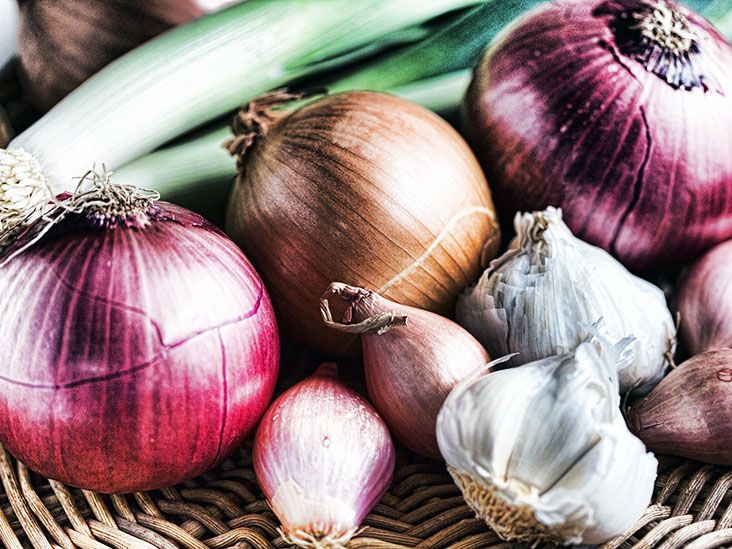
Scientists analyzing thousands of foods recently identified five standout prebiotic-rich foods: dandelion greens, Jerusalem artichokes, garlic, leeks, and onions. These foods are not expensive powders, mysterious capsules, or anything requiring a secret wellness password. They are plants, mostly humble ones, and they may be powerful allies for better gut health.
What Are Prebiotics, Really?
Prebiotics are substances selectively used by beneficial microorganisms in the body in a way that supports health. In everyday terms, they are food for helpful bacteria. Most dietary prebiotics come from plant foods rich in fermentable fibers such as inulin, fructooligosaccharides, resistant starch, pectin, and other complex carbohydrates.
Unlike probiotics, which are live microorganisms found in foods such as yogurt, kefir, sauerkraut, kimchi, and some supplements, prebiotics do not add bacteria to your gut. Instead, they help nourish the beneficial bacteria already living there. A simple comparison: probiotics are like adding new plants to a garden; prebiotics are like watering and feeding the soil so the garden can thrive.
When gut bacteria ferment prebiotic fibers, they produce short-chain fatty acids such as acetate, propionate, and butyrate. These compounds help support the intestinal lining, influence inflammation, and play roles in metabolic health. This is one reason scientists are so interested in prebiotic-rich foods: they do more than “keep things moving.” They help create a gut environment where beneficial microbes can do their best work.
Why Gut Health Matters More Than You Think
Your gut is not just a food-processing tube with occasional opinions. It is a living ecosystem. A balanced gut microbiome helps break down certain nutrients, supports immune defenses, communicates with the nervous system, and helps maintain the barrier between the digestive tract and the rest of the body.
When the gut microbiome is diverse and well-fed, it tends to be more resilient. That does not mean one onion will magically solve every health concern. If only dinner worked like a superhero movie. But eating more fiber-rich, plant-forward foods is consistently linked with better digestive health and overall wellness. The challenge is that many Americans do not eat enough fiber, making prebiotic-rich foods especially valuable.
The Top 5 Prebiotic-Rich Foods Named by Scientists
Researchers estimated the prebiotic content of thousands of foods and found that these five delivered the biggest prebiotic punch. The top foods contained roughly 100 to 240 milligrams of prebiotics per gram of food, making them especially dense sources compared with many everyday options.
1. Dandelion Greens
Dandelion greens may be the ultimate underdog of the produce aisle. For years, many people saw dandelions as lawn invaders. Your gut bacteria, however, may see them as a five-star meal. Dandelion greens are rich in inulin, a soluble prebiotic fiber that beneficial bacteria can ferment.
These greens have a pleasantly bitter flavor, similar to arugula or radicchio. That bitterness is exactly why they work well in salads with lemon juice, olive oil, nuts, apples, or a little Parmesan. You can also sauté them with garlic, toss them into soups, or mix them with milder greens if your taste buds are not ready for a full bitter-greens concert.
For beginners, the easiest way to use dandelion greens is to chop a small handful into a mixed salad. Add something sweet, something acidic, and something crunchy. The result is less “I accidentally ate the lawn” and more “Wow, I might actually be a sophisticated vegetable person.”
2. Jerusalem Artichokes
Jerusalem artichokes are not from Jerusalem, and they are not true artichokes. Nutrition naming committees clearly enjoy keeping everyone humble. Also called sunchokes, these knobby tubers are one of the best-known natural sources of inulin.
Their flavor is nutty, slightly sweet, and earthy. They can be roasted like potatoes, sliced thin into salads, pureed into soup, or cooked into a creamy mash. Roasting is a great place to start because it brings out their sweetness and gives them crisp edges.
One warning: because Jerusalem artichokes are very rich in fermentable fiber, they can cause gas or bloating if you eat a large amount too quickly. Start with a small portion. Your gut bacteria may throw a party, but you do not necessarily want them hiring a brass band.
3. Garlic
Garlic is proof that gut-friendly food does not have to taste like homework. It belongs to the allium family and contains prebiotic compounds that help feed beneficial bacteria. It also brings bold flavor to almost anything savory, from soups and roasted vegetables to sauces, marinades, beans, stir-fries, and whole-grain bowls.
Garlic contains fructans, including inulin-type compounds, that can act as prebiotics. It is also rich in sulfur-containing compounds that contribute to its signature aroma. In polite terms, garlic is “fragrant.” In realistic terms, garlic walks into the room before you do.
To make garlic easier on digestion, try cooking it rather than eating it raw. Roasted garlic becomes mellow, sweet, and spreadable. Add it to hummus, mashed beans, vegetable soup, or whole-grain toast. If you are sensitive to garlic because of IBS or a low-FODMAP diet, speak with a healthcare professional or registered dietitian before increasing your intake.
4. Leeks
Leeks are onions that went to finishing school. They are mild, elegant, and excellent in soups, omelets, pasta, grain dishes, and roasted vegetable trays. Like garlic and onions, leeks are part of the allium family and provide prebiotic fibers such as inulin and fructooligosaccharides.
The white and light green parts are most commonly used, though the darker tops can flavor broth. Leeks need careful washing because soil likes to hide between their layers like it is avoiding rent. Slice them lengthwise, rinse well, and then chop.
One simple gut-friendly meal idea is leek and lentil soup. Leeks bring prebiotic fibers, lentils add more fiber and plant protein, and the whole dish feels cozy enough to make your digestive system send a thank-you note.
5. Onions
Onions may be the most practical prebiotic food on the list. They are affordable, widely available, and already hiding in countless recipes. Yellow onions, red onions, white onions, scallions, and shallots can all help increase prebiotic intake, though their exact content varies.
Scientists noted that a person could get about 5 grams of prebiotics from roughly half of a small onion. That does not mean you must sit down and eat half an onion like an apple. Please do not make your coworkers part of that experiment. Instead, use onions throughout the day: add them to eggs, beans, salads, soups, tacos, stir-fries, roasted vegetables, or sandwiches.
Cooking onions makes them sweeter and often easier to tolerate. Caramelized onions can turn basic meals into something that tastes restaurant-level, even if you are eating leftovers in sweatpants. That is the kind of culinary magic busy people deserve.
Other Prebiotic Foods Worth Adding
The top five foods are impressive, but they are not the only prebiotic options. Other foods with meaningful prebiotic potential include asparagus, cowpeas or black-eyed peas, oats, barley, bananas, apples, flaxseed, chia seeds, soybeans, legumes, whole grains, mushrooms, cocoa, seaweed, and avocado.
Variety matters because different bacteria prefer different types of fibers and plant compounds. Eating the same food every day is better than eating no fiber at all, but a diverse plant menu gives your microbiome more tools to work with. In other words, your gut bacteria appreciate a buffet more than a boring vending machine.
Prebiotics vs. Probiotics: Which One Do You Need?
The best answer is usually both. Probiotic foods provide live beneficial microorganisms, while prebiotic foods help feed beneficial microbes. A gut-friendly eating pattern might include yogurt with oats and banana, lentil soup with leeks and garlic, or kimchi fried rice with onions and vegetables.
Prebiotics may be especially useful because they work with your existing microbiome. Instead of relying only on a supplement, you can build daily meals that support gut bacteria naturally. Food also provides vitamins, minerals, antioxidants, water, and texture. A capsule may be convenient, but it cannot roast itself with olive oil and rosemary.
How to Add More Prebiotic Foods Without Upsetting Your Stomach
More is not always better overnight. If your current diet is low in fiber, suddenly eating a giant bowl of dandelion greens, sunchokes, beans, and raw onion may lead to bloating, gas, and regret. Your gut bacteria need time to adjust.
Start Small
Add one prebiotic-rich food at a time. Try a spoonful of cooked onions in eggs, a few roasted sunchoke slices with dinner, or a small amount of chopped leeks in soup. Increase gradually over several weeks.
Drink Enough Water
Fiber works best when paired with fluids. Water helps support comfortable digestion and bowel regularity as you increase fiber intake.
Cook High-FODMAP Foods If Needed
Garlic, onions, leeks, and Jerusalem artichokes are high in fermentable carbohydrates. Some people tolerate them better cooked than raw. People with IBS or other digestive conditions may need individualized guidance.
Spread Fiber Across the Day
Instead of loading all your prebiotics into one heroic dinner, include small amounts at breakfast, lunch, and dinner. Your gut will usually prefer steady support over a fiber ambush.
Simple Meal Ideas Using the Top 5 Prebiotic Foods
You do not need a chef’s hat or a pantry full of obscure ingredients. Here are practical ways to use the top prebiotic-rich foods in normal meals:
- Dandelion greens salad: Toss chopped greens with lemon juice, olive oil, walnuts, sliced apple, and grilled chicken or chickpeas.
- Roasted Jerusalem artichokes: Slice, season with olive oil, black pepper, and herbs, then roast until golden.
- Garlic bean spread: Blend white beans with roasted garlic, lemon juice, tahini, and a little olive oil.
- Leek soup: Simmer leeks with lentils, carrots, celery, herbs, and low-sodium broth.
- Onion-packed tacos: Sauté onions with peppers, black beans, cumin, and chili powder for a fiber-rich filling.
Who Should Be Careful With Prebiotic-Rich Foods?
Prebiotic foods are healthy for many people, but they are not automatically perfect for everyone. People with irritable bowel syndrome, small intestinal bacterial overgrowth, inflammatory bowel disease flares, or other digestive disorders may react strongly to fermentable fibers. Some may need a low-FODMAP approach or a gradual reintroduction plan.
If you have a medical condition, are recovering from digestive illness, or experience severe bloating, pain, diarrhea, or constipation after increasing fiber, consult a healthcare professional. Gut health should make your life better, not turn your abdomen into a weather balloon.
of Real-Life Experience: What Eating More Prebiotic Foods Actually Feels Like
Adding prebiotic-rich foods to daily meals sounds simple on paper, but real life has a way of testing every nutrition plan. The first experience many people have is surprise: the most powerful gut-health foods are not exotic. They are not locked in a glass cabinet at a luxury wellness store. They are onions, garlic, leeks, greens, and funny-looking tubers that resemble potatoes with a side quest.
The easiest starting point is usually onions and garlic because they already belong in everyday cooking. A basic pot of soup becomes more satisfying when it starts with sautéed onion, garlic, and leeks. The flavor deepens before the main ingredients even arrive. This is one of the best lessons of gut-friendly cooking: healthy food does not need to be bland. In fact, prebiotic foods often make meals taste better.
The second experience is adjustment. If someone has been eating mostly refined grains, low-fiber snacks, and minimal vegetables, the gut may need time. A sudden jump in prebiotics can cause gas or bloating. That does not always mean the food is “bad.” It may mean the microbiome is adapting. Starting with cooked onions instead of raw onions, or a small portion of roasted Jerusalem artichokes instead of a giant serving, can make the transition smoother.
Dandelion greens are often the biggest taste challenge. They are bitter, and American diets are generally not famous for celebrating bitterness unless coffee is involved. But bitterness can be balanced. Lemon, vinegar, fruit, nuts, olive oil, and a small sprinkle of cheese can turn dandelion greens into a grown-up salad that feels fresh rather than punishing. Mixing them with romaine, spinach, or arugula also helps.
Jerusalem artichokes are the most interesting experiment. Roasted, they become nutty and slightly sweet. They pair well with chicken, fish, lentils, eggs, or grain bowls. But they deserve respect because their inulin content can be intense. A small portion is wise at first. The goal is better gut health, not winning a private battle against your own digestive tract.
Over time, the biggest benefit of eating more prebiotic-rich foods is not one dramatic moment. It is the slow improvement in meal quality. Plates become more colorful. Soups become heartier. Breakfast may include oats and banana. Lunch might include beans, onions, and greens. Dinner may start with garlic and leeks instead of relying on heavy sauces for flavor. These small upgrades can increase fiber intake, support regular digestion, and make healthy eating feel practical.
The most sustainable approach is not perfection. It is repetition with variety. Keep onions and garlic in the kitchen. Buy leeks when making soup. Try dandelion greens once in a salad. Roast Jerusalem artichokes when you find them. Add asparagus, oats, beans, bananas, and flaxseed as supporting players. Your microbiome does not need a flawless performance. It needs consistent feeding, a little patience, and fewer ultra-processed meals stealing the spotlight.
Conclusion
Gut health is not built from one miracle food, but the science around prebiotics gives us a practical place to start. Dandelion greens, Jerusalem artichokes, garlic, leeks, and onions stand out as top prebiotic-rich foods because they provide fermentable fibers that nourish beneficial gut bacteria. These foods can support a healthier microbiome, help increase fiber intake, and add serious flavor to everyday meals.
The smartest strategy is simple: start slowly, cook creatively, drink enough water, and aim for variety. Add garlic to beans, leeks to soup, onions to almost everything, dandelion greens to salads, and Jerusalem artichokes to roasted vegetable nights. Your gut microbes may be invisible, but feed them well and they can become some of the hardest-working dinner guests you have ever hosted.
Note: This article is for general educational purposes and should not replace medical advice. People with IBS, digestive disorders, or special dietary needs should consult a qualified healthcare professional before making major fiber changes.

