
Skincare
3 Ways to Remove a Tear Duct Stain from White Dogs
Aug
White dogs have a special talent for looking freshly groomed and slightly disheveled at the same time. One enthusiastic drink from the water bowl can ruin the beard, while a few overflowing tears can paint reddish-brown tracks beneath otherwise snowy eyes. Fortunately, most dog tear stains can be managed safelyprovided you treat the cause instead of attacking your dog’s face with whatever happens to be under the kitchen sink.
The discoloration commonly called a tear duct stain is usually associated with tears spilling onto facial hair. Veterinarians call this overflow epiphora. The stains are especially noticeable on Maltese, Bichon Frises, Poodles, Shih Tzus, West Highland White Terriers, and other light-coated dogs. They may be harmless and cosmetic, but persistent tearing can also signal irritation, abnormal eyelids, blocked drainage, infection, or another eye problem.
Here are three practical ways to remove tear stains from white dogs, prevent new discoloration, and recognize when the problem requires veterinary care.
Why Do White Dogs Develop Reddish-Brown Tear Stains?
Tears normally protect the surface of the eye and drain through small openings connected to the nasolacrimal ducts. When a dog produces more tears than the drainage system can handleor when those ducts do not drain efficientlymoisture runs over the lower eyelid and onto the fur.
The characteristic rust-colored stain is associated with porphyrins, iron-containing pigments produced during the normal breakdown of red blood cells. Porphyrins can be excreted in tears and saliva. When tear-soaked hair remains exposed to air, its color gradually changes from pale pink to red, brown, or mahogany. On a black dog, nobody notices. On a white dog, it looks as though someone used a tiny paint roller.
Common reasons tears overflow
- Facial anatomy that directs tears onto the fur instead of into the ducts
- Shallow eye sockets or prominent eyes, particularly in flat-faced breeds
- Hair rubbing against the eye
- Inward- or outward-rolling eyelids
- Abnormal eyelashes
- Allergies, dust, smoke, shampoo, or environmental irritation
- Conjunctivitis, corneal scratches, ulcers, or other painful eye conditions
- Narrow, inflamed, malformed, or blocked tear ducts
- Moist skin beneath the eyes developing secondary inflammation or infection
White fur does not cause excessive tearing; it simply displays the evidence with almost theatrical enthusiasm. Before treating the stain as a beauty problem, look for changes in the eye itself. A comfortable dog with clear eyes and mild, symmetrical staining is very different from a dog that suddenly squints, paws at one eye, or develops thick discharge.
Way 1: Clean and Dry the Stained Fur Every Day
Consistent facial hygiene is the safest first step for mild, previously evaluated tear staining. The goal is to remove fresh tears and softened debris before pigments accumulate. Daily cleaning will not instantly bleach hair that has already changed color, but it can prevent the situation from becoming darker, crustier, and more irritating.
What you need
- Sterile saline or a veterinarian-recommended canine eye wipe
- Soft gauze pads, cotton rounds, or a clean washcloth
- A dry, soft cloth
- A few treats for diplomatic negotiations
How to clean dog tear stains safely
- Wash your hands. Eye care and mystery substances from the refrigerator should never share the same fingers.
- Ask your dog to sit in good light. If the dog is nervous or wiggly, have another adult provide gentle support.
- Moisten a clean pad. Use sterile saline, a vet-approved ophthalmic wipe, or plain warm water when your veterinarian considers it appropriate. The pad should be damp, not dripping.
- Soften dried material first. Hold the damp pad against crusted fur for several seconds. Do not pull hardened debris from dry hair.
- Wipe away from the eye. Move from the inner corner outward along the facial hair. Avoid rubbing the eyeball or forcing the eyelids open.
- Use a fresh pad for the other eye. This reduces the chance of transferring infectious material.
- Dry the fur thoroughly. Persistent moisture can irritate the skin and encourage odor or secondary microbial growth.
Cleaning once or twice daily is usually more productive than launching a major stain-removal campaign every other Saturday. Frequent gentle care removes fresh residue before it becomes firmly attached to the hair.
Products and home remedies to avoid
Never use bleach, hydrogen peroxide, alcohol, essential oils, makeup remover, whitening toothpaste, vinegar, or household cleaners around a dog’s eyes. A substance does not become eye-safe because a cheerful internet stranger described it as “natural.” Even dog shampoos should be kept out of the eyes unless the label specifically identifies the product as ophthalmic and your veterinarian approves its use.
Do not give antibiotics or medicated tear-stain supplements simply for cosmetic improvement without veterinary direction. Federal authorities have previously warned manufacturers about unapproved tear-stain products containing tylosin, a medically important antibiotic. Unnecessary antibiotic use can cause adverse effects and contribute to antimicrobial resistance.
Way 2: Remove Stained Hair and Improve Facial Grooming
Once porphyrins have deeply colored a strand of white hair, washing may lighten surface debris but cannot reliably restore the original coat color. The most dependable cosmetic solution is often to prevent new staining while the discolored hair is carefully trimmed or allowed to grow out.
Keep eye-area hair short and orderly
Long facial hair can hold moisture against the skin or curl toward the eye and trigger more tearing. Schedule regular appointments with a professional groomer who is comfortable working around canine eyes. A groomer can shorten stained ends, remove mats, and shape the hair so that it does not sweep across the cornea.
Round-tipped scissors may sound reassuring, but a sudden head movement can turn home grooming into an emergency. If your dog will not remain perfectly still, leave eye-area trimming to a professional. Clippers, scissors, and optimism are not an ideal trio beside an eyeball.
Build a stain-prevention routine
- Comb facial hair gently each day to prevent damp tangles.
- Blot the area after drinking if your dog’s entire face enters the water bowl.
- Wash food and water bowls daily to reduce residue and contamination.
- Use stainless-steel or similarly easy-to-clean bowls when practical.
- Keep bedding clean, particularly if the dog rubs its face on it.
- Avoid smoke, aerosols, perfume, and dusty grooming products near the eyes.
- Prevent shampoo and bathwater from running into the eyes.
Be skeptical of miracle diet and water claims
Owners frequently report improvements after changing food, using filtered water, adding supplements, or removing certain ingredients. Those stories may reflect a genuine change for an individual dog, but they do not prove that minerals, grains, or a vaguely defined “toxin” caused the stain.
Provide fresh drinking water and a nutritionally complete diet because they support overall health, not because either guarantees a perfectly white face. If itching, ear trouble, digestive symptoms, or seasonal flare-ups suggest an allergy, discuss an organized diagnostic plan with your veterinarian. Randomly switching foods every week makes it difficult to identify what actually helped and can create nutritional problems of its own.
Way 3: Treat the Medical Cause of Excessive Tearing
Cleaning manages the evidence. Veterinary treatment addresses the plumbing, irritation, or anatomy responsible for producing it. A medical evaluation is especially important when staining appears suddenly, affects only one eye, becomes severe, or returns immediately despite careful grooming.
When to contact a veterinarian
Arrange an examination promptly if your dog has any of the following signs:
- Squinting, frequent blinking, or holding an eye closed
- Pawing or rubbing at the face
- Redness, swelling, cloudiness, or visible injury
- Yellow, green, bloody, thick, or foul-smelling discharge
- Hair loss, sores, odor, or inflamed skin beneath the eye
- A sudden increase in tearing
- Persistent overflow from only one eye
- A pink or red lump at the inner corner of the eye
- Changes in vision, behavior, or comfort
A painful eye can worsen quickly, and a corneal ulcer cannot be diagnosed by studying stain color in a bathroom mirror. Sudden squinting, trauma, marked cloudiness, or vision changes deserve urgent veterinary attention.
What the veterinary examination may include
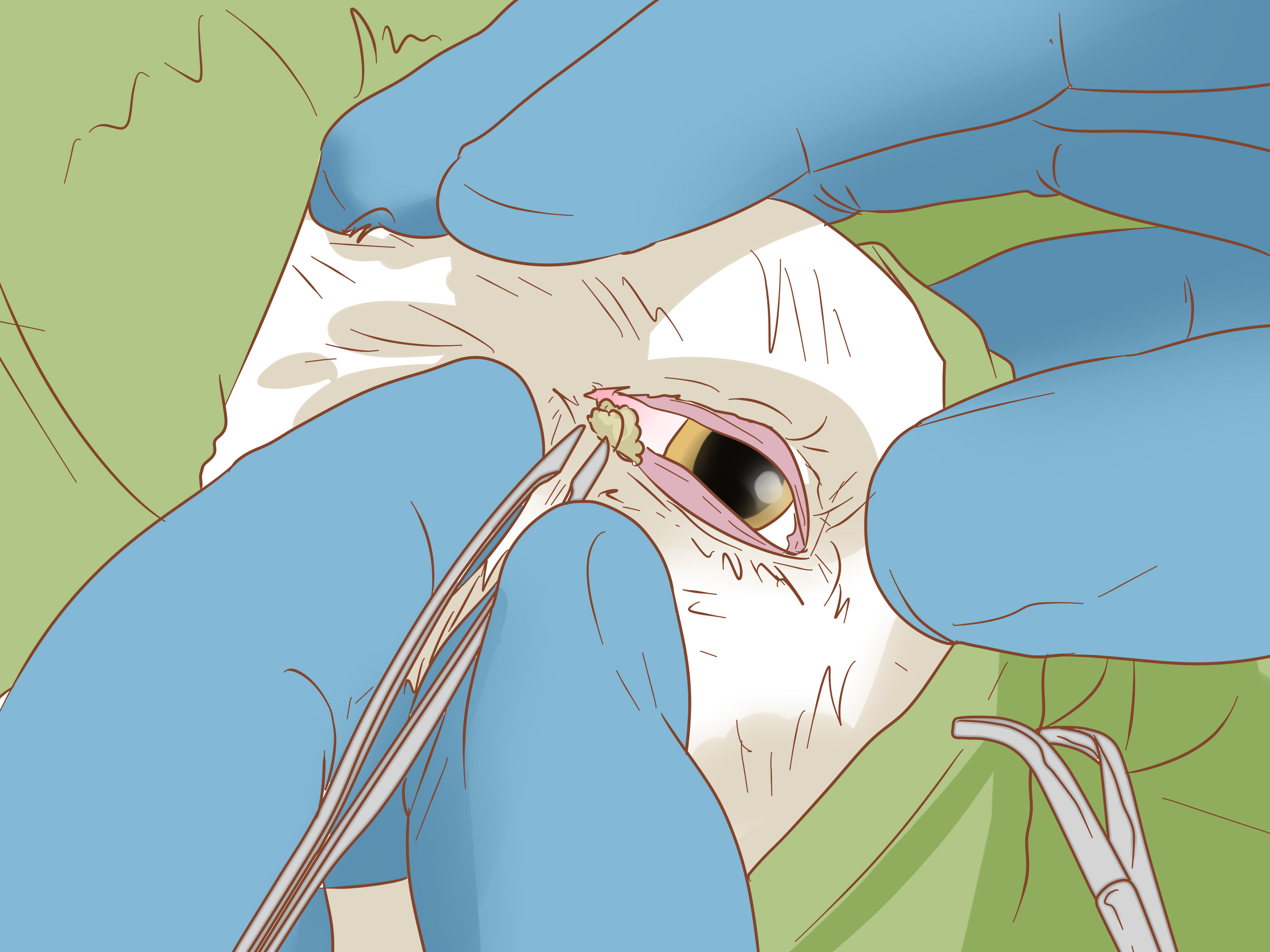
Your veterinarian may examine the eyelids, eyelashes, cornea, conjunctiva, and tear drainage openings. A Schirmer tear test measures tear production, while fluorescein dye can help reveal a corneal injury and assess drainage through the nasolacrimal system. Eye pressure may also be checked. When obstruction is suspected, a veterinarian may flush the tear ducts or recommend evaluation by a veterinary ophthalmologist.
Treatment depends entirely on the diagnosis. Allergic or inflammatory disease may require appropriate medication and environmental management. Infection needs targeted treatment. Abnormal eyelashes, eyelid defects, or a blocked duct may require a procedure. Treating the underlying condition often reduces future staining far more effectively than endlessly polishing the fur.
How Long Does Tear-Stain Removal Take?
Fresh residue may look better after one careful cleaning, but established reddish-brown discoloration usually improves as clean hair grows in and stained ends are trimmed away. Depending on coat growth, stain severity, grooming frequency, and the cause of tearing, visible improvement may take several weeks or a few months.
Track progress with a photograph taken once a week in similar lighting. Daily inspection can make improvement difficult to notice, much like watching grass grow or waiting for a dog to admit it stole the sandwich.
Success should be measured by comfortable, healthy eyes and dry, irritation-free skinnot by unrealistic expectations of an instantly snow-white face. Some anatomically predisposed dogs will always need routine maintenance.
Experiences from Everyday Tear-Stain Care
The following representative experiences combine common situations reported by owners, groomers, and veterinary professionals. They illustrate why different dogs may need different solutions rather than one fashionable bottle from the pet-store shelf.
The Maltese whose stains needed time, not stronger chemicals
A young Maltese had two dark tracks that seemed to return within hours of every bath. Her owner tried scrubbing harder, expecting the brown hair to become white again. The skin soon looked pink, and the dog began turning her head away whenever a cloth appeared.
After a veterinary examination found no painful eye disease, the routine changed. The owner softened debris with sterile saline, wiped gently once each morning, and dried the hair instead of rubbing repeatedly. A groomer shortened the existing stained ends and kept stray hairs away from the eyes. The difference after one week was modest, but the skin was no longer irritated. After several grooming cycles, cleaner white growth replaced much of the old discoloration.
The useful lesson was that stained hair is not a dirty countertop. More scrubbing did not produce a faster result; it merely made the dog suspicious of towels.
The Bichon whose one-sided stain was a medical clue
An adult Bichon Frise had always shown faint staining beneath both eyes, but one side suddenly became much wetter. The owner initially assumed that the dog had slept on that side or developed a personal disagreement with symmetry. Within two days, the dog was blinking more often and rubbing its face on the couch.
A veterinary examination identified irritation requiring treatment. Once the eye became comfortable, the extra tearing decreased. Routine cleaning managed the remaining residue while the stained hair grew out.
The important detail was not the color of the stain but the change in pattern. Long-standing, equal staining beneath two comfortable eyes may be cosmetic. A new stream beneath one eye, particularly with blinking or rubbing, deserves investigation.
The Shih Tzu helped by a simpler routine
A Shih Tzu owner collected an impressive assortment of wipes, powders, dietary additives, and water treatments. Because everything was started within the same month, nobody could tell which product helped or which one caused occasional redness.
With veterinary guidance, the owner paused unnecessary products and adopted a basic routine: fresh water, clean bowls, daily facial inspection, gentle saline cleaning, thorough drying, and scheduled grooming. The owner also recorded redness, discharge, itching, food changes, and outdoor pollen exposure in a small calendar.
Over time, a seasonal pattern became obvious. The records gave the veterinarian useful information and prevented another round of random purchases. The dog’s face did not become maintenance-free, but care became predictable, comfortable, and much less expensive.
The nervous rescue dog who needed training before grooming
A white rescue dog disliked hands near her face. Trying to hold her still for a complete cleaning created a wrestling match that frightened the dog and accomplished very little. Her family instead practiced for a few seconds at a time. A glance at the cloth earned a treat. Allowing a cheek touch earned another. Later, the damp pad briefly contacted the hair below one eye, followed by praise and a break.
Within several weeks, the dog accepted short cleaning sessions without struggling. The family never forced the process when she became anxious, and a professional handled trimming. This experience demonstrated that the best cleaning method is useless if it cannot be performed safely. Cooperative-care training protects the dog’s eyes, the owner’s fingers, and the fragile peace treaty between them.
Across these experiences, the winning formula was rarely dramatic: rule out disease, clean gently, keep the area dry, manage the hair, observe changes, and allow new coat growth to do its slow work.
Conclusion
The safest ways to remove a tear duct stain from a white dog are to clean and dry the area consistently, groom away deeply stained hair while preventing further irritation, and obtain veterinary treatment for excessive tearing or poor drainage. Skip harsh DIY mixtures and cosmetic antibiotic products. They can irritate delicate tissue while ignoring the reason the tears are overflowing.
A perfectly white face is pleasant, but a comfortable eye is the real objective. If your dog’s staining changes suddenly or appears with redness, squinting, thick discharge, odor, swelling, or face rubbing, put down the whitening wipe and call your veterinarian.

