
Beauty Tools & Accessories
3 Ways to Teach Yourself to Breakdance
Jun
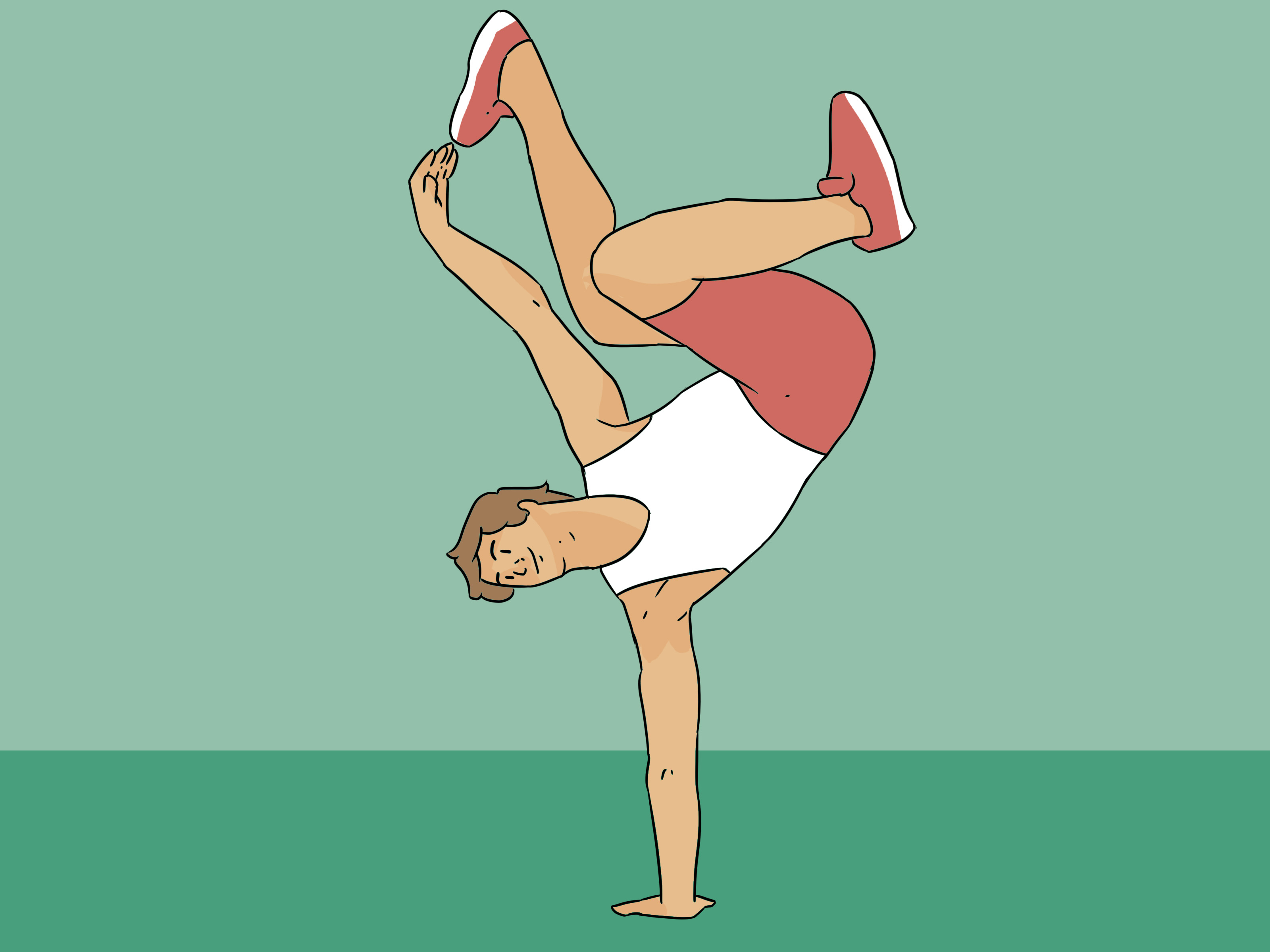
Teaching yourself to breakdance sounds like the kind of decision you make at 11:47 p.m. after watching one too many battle videos and thinking, “Honestly, I could probably do that.” Then your living room rug slides six inches, your dog judges you, and your wrists file a formal complaint. Welcome to the beginning of the journey.
Breakdance, more accurately called breaking, is not just spinning dramatically on the floor and hoping gravity is in a generous mood. It is a full dance style with history, rhythm, athletic technique, creativity, musicality, and attitude. Born from hip-hop culture in the Bronx in the 1970s, breaking grew from street parties and dance battles into a global art form, even reaching the Olympic stage. But the heart of it has always stayed beautifully simple: one person, one beat, one floor, and a whole lot of personality.
If you want to learn breakdancing at home, the good news is that you do not need a fancy studio, a personal trainer, or a fog machine. The slightly less glamorous news is that you do need patience, consistency, safe practice habits, and the humility to look awkward for a while. Every great breaker once looked like a confused crab trying to escape a kitchen. That is not failure. That is called “week one.”
This guide breaks down 3 ways to teach yourself to breakdance: building the foundation, using smart self-training methods, and developing your own style while staying safe. Whether your goal is to learn basic breakdance moves, improve footwork, hit your first freeze, or simply stop panicking when someone says “show us a move,” this beginner-friendly guide will help you start with confidence.
Way 1: Build a Strong Breakdance Foundation Before Chasing Flashy Moves
The first mistake many beginners make is trying to learn power moves before learning how to move. That is like trying to write a novel before learning the alphabet, except the alphabet can bruise your shoulder. Breaking has several core elements, and beginners should understand them before attempting advanced spins or acrobatic tricks.
Learn the Four Basic Elements of Breaking
Most beginner breakdance training starts with four main categories: toprock, downrock, freezes, and power moves. Toprock is the upright dancing you do while standing. Downrock, also called footwork, happens on the floor using hands and feet. Freezes are still poses that stop the movement with style. Power moves are the big spinning, momentum-based moves that look amazing but require serious strength, control, and experience.
As a self-taught beginner, your first job is not to become a human helicopter. Your first job is to learn how to step on beat, transition to the floor, move around your body smoothly, and stop safely. That may sound simple, but those basics are what make advanced breaking look clean instead of chaotic.
Start With Toprock
Toprock teaches rhythm, confidence, and presence. It is also the safest place to begin because you are standing up, which means the floor is not yet plotting against you. Start with simple moves like the two-step, Indian step, side step, and basic rock step.
Practice to music, not silence. Breaking is deeply connected to the beat, especially funk, hip-hop, soul, and breakbeats. Choose a song with a clear rhythm and practice stepping forward, back, and side to side. Keep your knees soft, your chest relaxed, and your arms involved. Beginners often forget their arms and end up looking like they are sneaking through a laser museum. Let the arms swing naturally and help express the groove.
A good beginner drill is to practice four counts of one toprock step, then four counts of another. For example, do four counts of two-step, four counts of Indian step, then repeat. Once that feels comfortable, add a small pause, shoulder bounce, or hand gesture. The goal is not perfection. The goal is rhythm plus personality.
Move Into Downrock and Footwork
Once you can toprock without feeling like your feet are buffering, begin learning basic footwork. The most famous beginner move is the six-step. It teaches circular movement, weight shifting, hand support, and coordination. It may feel confusing at first because your hands and feet suddenly need a committee meeting. Go slowly.
To train the six-step, practice one step at a time. Do not race. Say the numbers out loud if needed: one, two, three, four, five, six. Keep your hips low, your palms stable, and your movements controlled. If your form collapses, slow down. Speed comes after control, not before it.
Other beginner downrock moves include the three-step, CCs, hooks, and basic kick-outs. These moves help you create variety without needing advanced strength. A helpful rule is this: learn one move well enough to enter it, repeat it, and exit it. A move you cannot enter or exit is not a move yet; it is a temporary floor emergency.
Add Freezes Carefully
Freezes are exciting because they look dramatic even when they are simple. The baby freeze is one of the most common beginner freezes, but it still requires wrist strength, shoulder stability, core control, and correct positioning. Do not rush it.
Before practicing freezes, warm up your wrists, shoulders, neck, and core. Try wrist circles, palm pulses, plank holds, shoulder taps, and gentle mobility drills. Practice on a smooth but not slippery surface. Carpet can cause drag, tile can be too hard, and a floor that slides is basically a prank. A yoga mat may help with comfort, but it can also grip too much for footwork, so experiment carefully.
Start with simple balance positions before full freezes. For example, practice supporting your body with both hands on the floor while keeping your knees close. Then work on placing one elbow near your hip area for support. Keep your head safe, breathe, and stop if you feel sharp pain. Freezes should feel challenging, not like your joints are sending farewell letters.
Delay Advanced Power Moves
Power moves like windmills, flares, headspins, and airflares are iconic, but they are not beginner moves. They require strength, mobility, body awareness, safe progressions, and ideally in-person coaching. A self-taught dancer can work toward them over time, but jumping into advanced moves too early is a fast way to turn enthusiasm into an ice pack collection.
Instead, build the qualities power moves need: core strength, shoulder stability, hip mobility, stamina, and confidence moving on the floor. Train planks, hollow holds, push-ups, squats, bear crawls, and controlled shoulder exercises. The stronger and more coordinated your foundation, the safer your future progress will be.
Way 2: Use Online Tutorials Like a Coach, Not Like a Snack Buffet
The internet is packed with breakdance tutorials. This is wonderful and terrible. Wonderful because you can learn from talented breakers around the world. Terrible because after watching 19 videos in a row, you may have learned exactly one thing: everyone on the internet has better floors than you.
To teach yourself effectively, you need a system. Random tutorials can inspire you, but structured practice makes you improve.
Create a Beginner Breakdance Learning Path
Instead of jumping from baby freeze to windmill to “how to win your first battle” in the same afternoon, organize your training into levels. A simple beginner path could look like this:
- Week 1: Basic rhythm, bounce, two-step, Indian step, and simple toprock combinations.
- Week 2: Six-step, three-step, basic floor transitions, and getting comfortable with hand support.
- Week 3: CCs, kick-outs, hooks, and linking footwork patterns together.
- Week 4: Beginner freezes, simple combinations, and recording short practice rounds.
This schedule is flexible. Some people need two weeks for the six-step. Some need a month. That is normal. Breaking is not a microwave burrito; it does not become ready just because you pressed a button.
Watch Tutorials Actively
When using online videos, do not just watch the full tutorial once and then throw yourself at the floor like a dramatic movie scene. Watch in layers.
First, watch the whole move to understand the goal. Second, replay only the foot placement. Third, replay the hand placement. Fourth, observe the timing. Fifth, practice slowly without music. Finally, add music at a comfortable tempo.
Use the pause button like it is your assistant coach. Slow the video down if possible. Mirror the instructor if that helps, but remember that left and right may feel reversed depending on the camera angle. If you keep getting tangled, write the steps down in your own words. “Right foot crosses, left hand plants, left leg sweeps” may be easier to remember than trying to decode everything mid-spin.
Record Yourself Without Being Mean to Yourself
Recording yourself is one of the fastest ways to improve. It is also one of the fastest ways to discover that your “smooth transition” looked like you were searching for a lost contact lens. Be kind. Video is feedback, not a courtroom.
Record short clips of 15 to 30 seconds. Look for one improvement at a time. Are your steps on beat? Are your knees bent? Are your hands landing firmly? Is your freeze held for at least one count? Do not try to fix everything at once. That creates frustration and makes practice feel like homework assigned by a villain.
A useful self-coaching method is the “one win, one fix” rule. After watching a clip, identify one thing that improved and one thing to adjust. For example: “My six-step is smoother, but my hips are too high.” That keeps your practice honest without turning it into a roast session.
Practice in Short, Focused Sessions
Breakdance practice does not need to last two hours. In fact, beginners often improve faster with shorter sessions because form stays cleaner. Try 25 to 45 minutes, three to five times per week. Warm up first, work on one or two skills, then finish with a short freestyle or combination.
Here is a simple self-training session:
- 5 minutes: Warm-up with light bouncing, joint circles, arm swings, squats, and wrist mobility.
- 10 minutes: Toprock drills to music.
- 10 minutes: Six-step or footwork practice slowly, then with rhythm.
- 10 minutes: Freeze prep, core strength, or transition practice.
- 5 minutes: Freestyle round and cooldown stretching.
This kind of practice gives your brain and body a clear assignment. It also prevents the classic beginner habit of practicing one move for seven minutes, getting annoyed, and suddenly reorganizing your entire room instead.
Use Music From the Start
Breaking is not gymnastics with sneakers. Musicality matters. Even when you practice slowly, spend part of every session moving to music. Listen for the beat, the snare, the bass, and the breaks. Try hitting a freeze on a strong sound. Try changing direction when the beat changes. Try pausing instead of constantly moving.
Beginners often think more moves equals better dancing. Not always. A simple two-step that lands perfectly on the beat can look better than a complicated sequence performed in panic mode. Musicality gives your movement meaning.
Way 3: Develop Style, Strength, and Safety Habits Like a Real Breaker
After you learn a few basic breakdance moves, the next step is turning them into your own dance. Breaking is built on vocabulary, but it is judged and admired through creativity, execution, musicality, and originality. In plain English: learn the words, then stop sounding like you swallowed a textbook.
Build Combinations Instead of Collecting Random Moves
A beginner combo might look like this: two-step, Indian step, go-down, six-step, CC, baby freeze. That is enough for a short round. Once you can do it smoothly, change one part. Add a pause. Switch direction. Use a different freeze. Start on a different count. This is how style begins.
Think of breakdance moves as ingredients. Flour, eggs, and sugar are not cake until you combine them well. Likewise, toprock, footwork, and freezes become dancing when you connect them with rhythm and intention.
Train Strength Without Turning Practice Into Boot Camp
Breaking uses the whole body, especially wrists, shoulders, core, hips, knees, and ankles. You do not need to train like a superhero, but basic strength helps you dance longer and safer.
Add two or three short conditioning sessions per week. Focus on exercises that support breaking:
- Planks: Build core strength for freezes and floor control.
- Push-ups: Improve arm and shoulder strength.
- Squats: Help with low positions, drops, and leg endurance.
- Bear crawls: Improve coordination and floor movement.
- Glute bridges: Support hips and lower back control.
- Wrist mobility drills: Prepare your hands for floor work.
Keep the volume reasonable. If your wrists or shoulders feel overworked, reduce floor practice and focus on standing movement, footwork without heavy load, or mobility. Rest is not laziness. Rest is training that wears pajamas.
Respect Warm-Ups and Cooldowns
Skipping a warm-up before breaking is like starting a car in winter and immediately entering a race. Your body needs preparation. A proper warm-up increases blood flow, wakes up the joints, and helps your nervous system prepare for quick movement.
Start with light cardio such as bouncing, marching, or easy steps. Then add dynamic mobility: wrist circles, shoulder rolls, hip circles, lunges, leg swings, and gentle squats. Save longer static stretching for after practice, when your muscles are warm and ready to relax.
After training, cool down with easy walking, slow breathing, and gentle stretching for wrists, shoulders, hips, hamstrings, calves, and back. Your future self will appreciate this. Your future self may even send you a thank-you card written with non-sore hands.
Choose the Right Practice Space
Your practice floor matters. A clean, open space is essential. Move furniture, check for sharp corners, and make sure you are not about to kick a lamp into another dimension. Practice in sneakers with decent grip if the floor allows it. Avoid socks on slippery floors unless your goal is accidental comedy.
For beginner footwork, a smooth wood floor, dance floor, or safe indoor surface is ideal. Concrete can be rough on hands and knees. Thick carpet can restrict movement. If you practice outside, inspect the ground first. Tiny rocks are not part of the culture; they are just rude.
Learn From the Culture, Not Just the Moves
Breaking is more than technique. It comes from hip-hop culture, community, battles, cyphers, DJs, creativity, and expression. Even if you teach yourself at home, spend time learning about the history and values of the dance. Watch battles, interviews, documentaries, and performances by respected B-boys and B-girls. Notice how dancers respond to the music and each other.
In breaking, style is not only what you do; it is how you do it. Two dancers can perform the same six-step and look completely different. One may be sharp and explosive. Another may be smooth and playful. Another may be goofy in the best possible way. Give yourself permission to develop your own flavor.
Common Beginner Mistakes When Learning Breakdance at Home
Trying to Learn Too Many Moves at Once
Beginners often collect tutorials like rare trading cards. The result is ten half-learned moves and zero confidence. Choose one toprock, one footwork pattern, one transition, and one freeze. Practice those until you can combine them. Then add more.
Ignoring the Beat
Breaking is dance. If the music is playing and your body is operating in a separate time zone, slow down. Clap the beat. Step to the beat. Practice simple movements until the rhythm feels natural. Musicality makes even beginner moves look intentional.
Using Speed to Hide Bad Form
Speed feels exciting, but it can hide messy technique. Slow practice builds control. If you cannot perform a move slowly, you probably do not control it yet. Smooth first, fast later.
Practicing Through Pain
Muscle fatigue is normal. Sharp pain is not. Joint pain, wrist pain, shoulder pain, dizziness, or neck discomfort means stop and reassess. Breakdance training should challenge you, not punish you. If pain continues, ask a qualified coach, physical therapist, or healthcare professional for guidance.
A Simple 30-Day Beginner Breakdance Plan
If you want structure, use this 30-day plan as a starting point. Adjust the pace based on your body and schedule.
Days 1–7: Rhythm and Toprock
Practice basic bounce, two-step, Indian step, and simple arm movements. Record one short clip at the end of the week. Focus on staying relaxed and moving on beat.
Days 8–14: Floor Comfort and Six-Step
Add wrist warm-ups, hand placement drills, and slow six-step practice. Do not worry about speed. Aim for clean steps and steady breathing.
Days 15–21: Footwork Variety
Learn CCs, kick-outs, or three-step. Build a short combination: toprock, go-down, six-step, CC, exit. Practice both sides when possible.
Days 22–30: Freeze Prep and First Mini-Round
Work on freeze foundations, core strength, and holding still for one or two counts. Create a 20-second beginner round using everything you have learned. Keep it simple, clean, and musical.
Extra Experience Section: What Teaching Yourself to Breakdance Really Feels Like
Teaching yourself to breakdance is a strange mix of excitement, confusion, tiny victories, and moments where you question whether your left leg has ever listened to instructions before. The first experience most beginners have is not “I feel cool.” It is usually “Why am I sweating from counting to six?” That is completely normal.
One of the most useful lessons is that progress often shows up quietly. You may practice the six-step for several days and feel like nothing is improving. Then, one afternoon, your hands land in the right place, your feet stop colliding, and the circle finally makes sense. It is not magic. It is repetition doing its sneaky little job.
Another real experience is learning that confidence comes after action, not before it. Many beginners wait until they “feel ready” to freestyle, record themselves, or dance to music. But readiness is usually built by doing the awkward version first. Your first freestyle may look stiff. Your first freeze may last half a second. Your first transition may be less “smooth drop” and more “careful sit-down with ambition.” That is fine. Every polished breaker has a private archive of clumsy practice moments.
Self-teaching also makes you more observant. At first, tutorials look simple because skilled dancers make hard things appear effortless. After a few weeks, you begin noticing details: where the hands land, how the hips shift, when the dancer pauses, how the shoulders stay relaxed, how a freeze hits the music. This is when learning becomes more interesting. You stop copying shapes and start understanding movement.
The home-practice environment adds its own comedy. You may discover that your “dance space” is actually three square feet between a chair and a laundry basket. You may learn that certain floors are too slippery, certain shoes squeak like cartoon mice, and certain family members will absolutely walk in during your most dramatic failed freeze. Accept this as part of the training montage.
One practical experience that helps many beginners is creating a repeatable ritual. Put on the same playlist, clear the same area, warm up the same way, and start with the same basic steps. This reduces mental friction. Instead of wondering what to do, you begin automatically. Small routines build big consistency.
It also helps to celebrate boring improvements. Holding a plank longer, remembering the six-step without stopping, landing a freeze safely, staying on beat for eight counts, or practicing three times in one week may not look like a movie scene, but those are real wins. Breaking rewards patience. The flashy moments are built from unflashy practice.
Finally, one of the best experiences is realizing that breakdance is not only about tricks. It is about expression. Maybe your style becomes sharp and athletic. Maybe it becomes smooth and musical. Maybe it becomes playful, weird, and full of unexpected pauses. Good. Breaking has room for personality. The goal is not to become a copy of someone else. The goal is to learn the language well enough to say something that sounds like you.
Conclusion: Start Small, Stay Safe, and Keep Dancing
Learning breakdance by yourself is absolutely possible, but it works best when you respect the basics. Start with toprock, then build downrock, then add beginner freezes. Use online tutorials with structure, record yourself for feedback, practice to music, and avoid rushing into advanced power moves before your body is ready.
The best self-taught breakers are not the ones who try the scariest moves on day one. They are the ones who show up consistently, study the culture, train safely, and keep their sense of humor when practice gets messy. And it will get messy. That is part of the fun.
So clear a safe space, warm up your wrists, choose a beat, and start with one step. Not twenty moves. Not a windmill. One step. Then another. Before long, your living room will become your first studio, your camera will become your coach, and your awkward beginner phase will become the story you laugh about later.
Breakdance is not about being fearless. It is about being willing to learn, fall safely, get back up, and find the rhythm again. That is the real move.

