
Body Care
What Does “Knuck If You Buck” Mean? Uses, Origin & More
Jun
Some phrases enter the internet quietly, wearing slippers. Others kick the door open, rattle the speakers, and make everyone in the room suddenly remember they have elbows. “Knuck If You Buck” belongs to the second category. It is loud, Southern, confrontational, nostalgic, and deeply tied to early-2000s crunk culture. If you have heard someone say it online, at a party, in a meme, or in a caption, you may have wondered: is this a joke, a threat, a lyric, or all of the above?
The short answer: “Knuck If You Buck” means “fight if you are really ready to fight” or “step up if you are bold enough.” The phrase comes from Crime Mob’s 2004 crunk anthem “Knuck If You Buck,” featuring Lil Scrappy. In everyday use, it can be literal, playful, ironic, or nostalgic depending on context. But because it comes from aggressive battle language, it is not something to throw around casually in professional settings unless your HR department also moonlights as a DJ.
This guide breaks down the meaning, origin, cultural impact, slang usage, examples, and why the phrase still hits like a bass drop two decades later.
What Does “Knuck If You Buck” Mean?
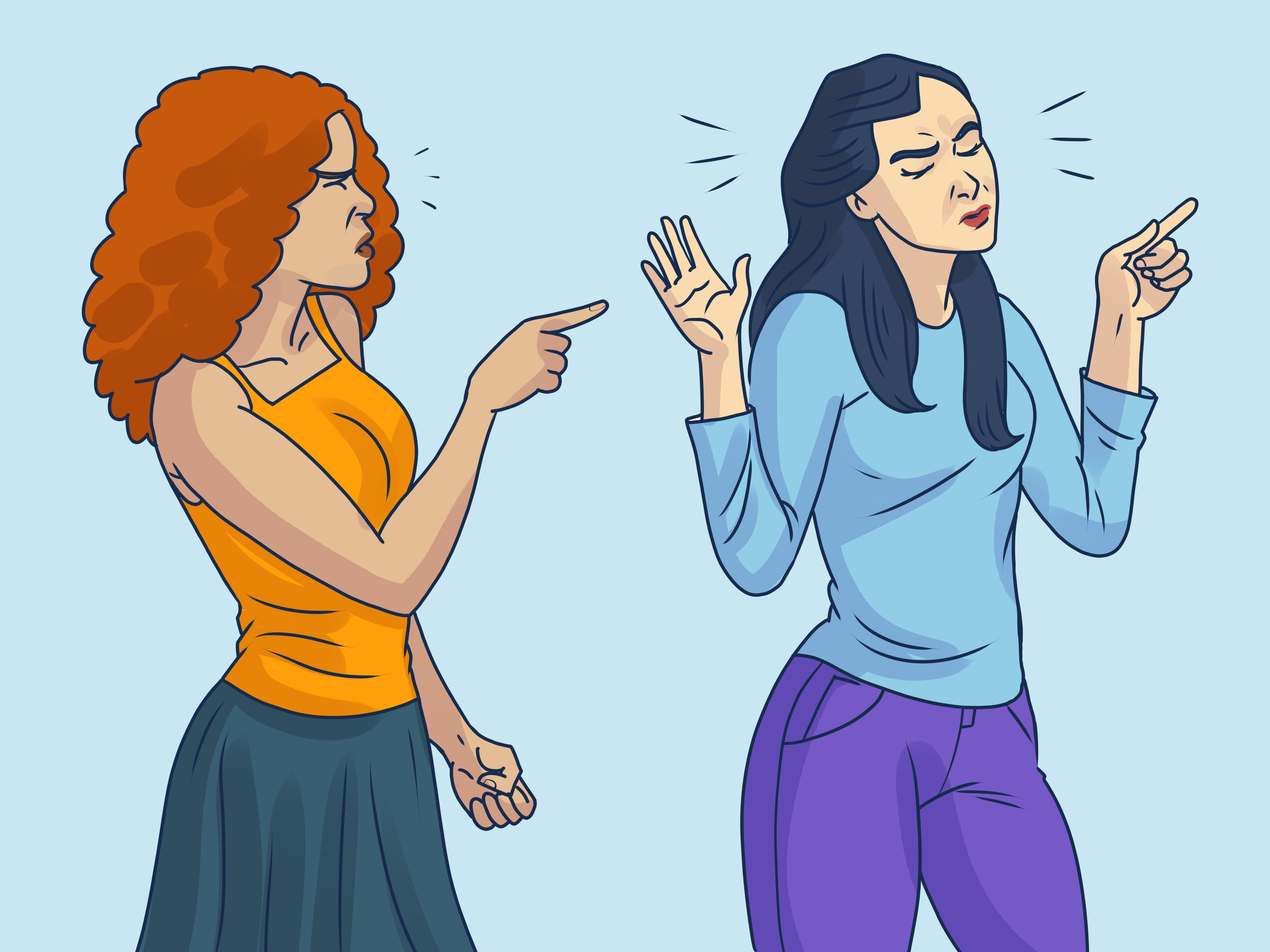
“Knuck If You Buck” is a challenge phrase. It basically says: if you are tough, angry, fearless, or ready for confrontation, then prove it. “Knuck” is commonly understood as a shortened form of “knuckle up,” meaning to prepare to fight. “Buck” suggests being wild, aggressive, spirited, or unwilling to back down. Put together, the phrase becomes a dare: if you are going to act buck, then knuck up.
In plain American English, the phrase can mean:
- “Fight if you are ready.”
- “Back up that tough talk.”
- “Do not bluff if you are not prepared.”
- “Get rowdy if you are really about it.”
- “Show me you are not scared.”
Of course, meaning changes with tone. A friend saying “knuck if you buck” while choosing a spicy wing sauce probably means, “Let’s be brave and ruin our digestive systems together.” A stranger saying it in a parking lot at 1:47 a.m. means you should probably go home, hydrate, and make wiser life choices.
Breaking Down the Words: “Knuck” and “Buck”
What does “knuck” mean?
“Knuck” is connected to “knuckle,” the finger joints associated with punching, bare-knuckle fighting, and the phrase “knuckle up.” In slang, to “knuckle up” means to get ready for a physical fight. So “knuck” works like a compact command: get your fists ready, stop talking, and prepare for action.
That does not mean every modern use is a real invitation to fight. Like many hip-hop phrases, it has traveled from literal street meaning into memes, jokes, sports talk, captions, and nostalgic references. Still, the root meaning is physical confrontation.
What does “buck” mean?
“Buck” has several meanings in English. It can mean a male animal, a dollar, or to resist something, as in “buck the trend.” In slang and Southern speech, it can also suggest being wild, fired up, aggressive, or out of control. In the phrase “Knuck If You Buck,” the word points toward someone acting bold, rowdy, or confrontational.
So, “buck” is the attitude; “knuck” is the action. One is the gasoline. The other is the match. Please do not test this metaphor indoors.
Where Did “Knuck If You Buck” Come From?
The phrase became nationally famous through Crime Mob’s 2004 single “Knuck If You Buck,” featuring Lil Scrappy. Crime Mob was an Atlanta-area hip-hop group associated with the crunk movement, a Southern rap style known for shouted hooks, heavy drums, fierce synths, and call-and-response energy built for clubs, skating rinks, parties, and anywhere the floor looked sturdy enough to survive.
The group’s members were young when the song took off, and that youth matters. “Knuck If You Buck” did not sound like a polished corporate product carefully sanded down by a conference room full of executives. It sounded urgent, raw, local, and unfiltered. That roughness became part of its power. The song moved from local buzz to radio play, clubs, mixtapes, and eventually national recognition.
Its sound was pure early-2000s crunk: hard drums, ominous keys, shouted repetition, and an energy level somewhere between “pep rally” and “the folding chairs are nervous.” The hook made the title unforgettable, while the verses turned the track into a statement of defiance and group identity.
The Role of Crime Mob and Atlanta Crunk Culture
To understand the meaning of “Knuck If You Buck,” you have to understand where it lived. Atlanta in the early 2000s was becoming one of the most important cities in hip-hop. Southern rap had already been reshaping the national sound through artists like OutKast, Goodie Mob, Lil Jon, Pastor Troy, Ludacris, T.I., and many others. Crunk was part of that wave, built for physical response: chanting, stomping, dancing, shouting, sweating, and occasionally looking at someone across the room like they owed you money.
Crime Mob’s hit captured teenage club energy in a way that felt authentic to Atlanta youth culture. It was not just a song people listened to; it was a song people reacted to. It turned the crowd into part of the performance. When the beat dropped, listeners did not simply nod politely like they were reviewing a PowerPoint. They moved.
That physical reaction is why the phrase became bigger than the record. “Knuck If You Buck” became shorthand for a certain kind of explosive energy: the moment when everyone knows the room has changed.
Is “Knuck If You Buck” a Threat?
It can be. In its original and most literal sense, the phrase is confrontational. It is not a peaceful invitation to discuss feelings over herbal tea. It carries the energy of a dare, a warning, or a readiness to fight.
However, modern usage is often playful or exaggerated. People might use it when talking about competition, confidence, gym motivation, sports rivalries, video games, debate, or any situation where someone has to prove they are serious. For example, a person might say, “Final exam tomorrow. Knuck if you buck,” meaning they are mentally preparing for academic battle. The only thing getting punched is probably a flashcard.
Context is everything. If the phrase is used with humor among friends, it is usually not a real threat. If it is used during an argument, especially face-to-face, it can sound aggressive. Read the room. If the room contains security, read faster.
Common Uses of “Knuck If You Buck” Today
1. As a nostalgic music reference
Many people use the phrase to reference early-2000s hip-hop, crunk music, Atlanta rap, or throwback party culture. A caption like “When the DJ plays Crime Mob: knuck if you buck” is usually about nostalgia and crowd energy.
2. As a meme or joke
Online, the phrase often appears in memes about overreacting, getting hyped, or preparing for a silly challenge. Someone might post it before assembling IKEA furniture, fighting a printer jam, or opening a group chat that has 178 unread messages. In these cases, the phrase is humorous because the situation is not actually violent.
3. As sports or competition language
Fans may use it before a rivalry game or intense matchup. It means, “Let’s see who is really ready.” It fits the emotional world of sports, where people say dramatic things like “war in the trenches” while discussing men in matching pants chasing a ball.
4. As a confidence statement
Some use the phrase to signal toughness, self-belief, or refusal to be intimidated. It can mean “I am not backing down.” Again, tone determines whether it sounds empowering, funny, or like a bad idea with witnesses.
5. As a dance floor trigger
For many listeners, the phrase instantly recalls the song’s beat and the physical reaction it creates. In clubs, parties, and throwback playlists, it functions almost like an alarm bell for controlled chaos. Controlled, hopefully, is doing a lot of work there.
Examples of “Knuck If You Buck” in Sentences
Here are some examples showing how the phrase can work in modern conversation:
- Literal: “He kept talking tough, so someone told him, ‘Knuck if you buck.’”
- Playful: “We are trying the hottest wings on the menu. Knuck if you buck.”
- Sports: “Playoff game tonight. Knuck if you buck.”
- Work humor: “The spreadsheet has 42 tabs. Knuck if you buck.”
- Fitness: “Leg day after two weeks off? Knuck if you buck.”
- Music nostalgia: “The DJ played Crime Mob and the whole room understood the assignment.”
Notice the difference between literal and humorous uses. The phrase carries intensity even when used jokingly, which is why it works so well in memes. It makes small problems sound like dramatic showdowns.
Why the Song Became So Iconic
“Knuck If You Buck” became iconic because it has several ingredients that make a record last: a memorable phrase, a beat that demands physical reaction, regional authenticity, strong group chemistry, and a cultural moment ready for its sound. It was aggressive but catchy, local but exportable, simple but instantly recognizable.
The song also arrived during a period when crunk was dominating clubs and radio. The early 2000s loved high-energy Southern rap, and “Knuck If You Buck” fit perfectly into that atmosphere. It was not background music. It was foreground music. It walked into the room and took the aux cord by force.
Another reason it lasted is that it became a generational memory. People remember where they were when they heard it: school dances, skating rinks, college parties, car rides, clubs, house parties, or late-night radio. Songs with that kind of emotional timestamp do not disappear easily. They live in muscle memory.
“Knuck If You Buck” and Pop Culture
The track has continued to show up in pop culture, from throwback playlists to TV references and sample-based reinterpretations. Its beat helped influence later viral moments, including dance-challenge culture. When newer audiences hear records that borrow from or echo “Knuck If You Buck,” they are also hearing the afterlife of crunk.
The phrase also survives because it is flexible. It can be serious, comic, nostalgic, regional, musical, or absurd. That flexibility is the secret sauce of internet slang. A phrase that once belonged to a specific song can become a caption for everything from boxing highlights to a toddler refusing bedtime. The toddler, frankly, might be the most buck person in the house.
Is It Okay to Say “Knuck If You Buck”?
It depends on the setting. Among friends who understand the reference, it is often used jokingly or nostalgically. On social media, it usually reads as a pop-culture phrase. At a party with a throwback playlist, it may simply mean everyone knows the song is about to cause a cardio event.
But in serious conversations, school settings, workplaces, or public disputes, it can sound like a threat. Because the phrase is tied to fighting language, avoid using it toward someone you do not know well. A funny caption is one thing. Saying it during an argument is another. One belongs on Instagram; the other belongs in a “How did this escalate?” documentary.
Related Slang and Similar Phrases
“Knuck If You Buck” belongs to a larger family of phrases about toughness, confrontation, and proving yourself. Similar expressions include:
- “Knuckle up”
- “Square up”
- “Run it”
- “Step up”
- “Back it up”
- “Don’t talk about it, be about it”
- “You ready?”
These phrases are not identical, but they share the same basic idea: stop pretending and show whether you are serious. “Knuck If You Buck” is more musical and culturally specific than most of them, which is why it has such staying power.
Experience Section: What “Knuck If You Buck” Feels Like in Real Life
To understand “Knuck If You Buck,” you cannot only define it like a vocabulary word. You have to imagine the experience around it. This phrase is not calm. It does not sit politely with folded hands. It arrives with bass, memories, sweat, laughter, and that sudden look people give each other when the DJ has made a dangerous but excellent decision.
At a throwback party, the first few seconds of the song can feel like a social experiment. People who were previously standing around checking their phones suddenly become historians of crunk culture. Someone shouts. Someone points at the speaker. Someone who has not stretched since 2018 decides now is the moment to jump. The phrase becomes less about fighting and more about shared recognition: everybody knows what time it is.
There is also a funny generational split. Older millennials may hear “Knuck If You Buck” and immediately remember school dances, teen clubs, burned CDs, local radio, or the wild confidence of early-2000s fashion. Younger listeners may know the phrase from memes, TikTok-style edits, sports clips, or songs that sampled the beat. Both groups understand the energy, even if they arrived through different doors. That is how a regional anthem becomes cultural shorthand.
The phrase also shows up in everyday challenges because it adds drama to ordinary life. Trying hot sauce? Knuck if you buck. Opening a bill? Knuck if you buck. Going to the gym after a long break? Absolutely knuck if you buck, but maybe warm up first because knees have terms and conditions. In these playful uses, the phrase turns minor courage into a mini battle cry.
One reason people still love it is that it gives permission to be loud for a second. Not violent, not reckless, but loud. Modern life is full of quiet little pressures: emails, deadlines, bills, awkward elevator rides, and apps asking for updates at the worst possible time. A phrase like “Knuck If You Buck” offers comic release. It says, “Bring the energy. Stop shrinking. Show up.”
Still, the best experience of the phrase is responsible energy. It belongs at parties, in jokes, in music conversations, in cultural analysis, and in captions where everyone understands the reference. It does not belong as a real threat. The fun is in the exaggeration. The wisdom is knowing where the exaggeration ends. When used with the right crowd and the right tone, “Knuck If You Buck” remains one of hip-hop’s most unforgettable ways to say, “If you are really ready, prove it.”
Conclusion
“Knuck If You Buck” means to fight, step up, or prove you are ready if you are acting bold or aggressive. The phrase became famous through Crime Mob’s 2004 crunk anthem featuring Lil Scrappy, a record rooted in Atlanta’s early-2000s Southern hip-hop explosion. Over time, it has moved beyond its literal meaning and become a flexible pop-culture phrase used in memes, sports talk, party captions, nostalgic conversations, and everyday jokes about facing a challenge.
The key is context. In a musical or humorous setting, “Knuck If You Buck” can be a fun throwback phrase packed with crunk-era energy. In a tense real-life situation, it can sound confrontational. Use it with awareness, respect the culture it comes from, and remember: not every problem requires knuckles. Some only require a playlist, a laugh, and maybe better shoes for dancing.
Note: This article explains the phrase for cultural, linguistic, and entertainment purposes. It should not be used to encourage real-world violence or threaten others.

