
Beauty Tools & Accessories
Volumetrics Diet Plan for Weight Loss
Aug
If dieting usually makes you feel like you are negotiating with a tiny lettuce leaf for emotional support, the Volumetrics diet plan may feel refreshingly sane. Instead of asking you to survive on miniature portions and heroic willpower, Volumetrics asks a smarter question: what if you could eat satisfying portions while still lowering your calorie intake?
That is the main idea behind the Volumetrics diet plan for weight loss. Created by nutrition researcher Barbara Rolls, Ph.D., this approach focuses on food volume, calorie density, fiber, water content, and satiety. In plain English, it helps you fill your plate with foods that take up space in your stomach without packing in too many calories. Translation: more soup, salads, fruit, vegetables, beans, yogurt, oats, lean protein, and whole grains; fewer “blink and you ate 500 calories” foods like chips, cookies, fried snacks, and heavy desserts.
Volumetrics is not a crash diet. It is not a cleanse. It does not require you to drink something mysterious from a bottle the color of lawn clippings. It is a practical eating pattern based on a simple principle: when meals are built around low-energy-density foods, you can often feel full on fewer calories.
What Is the Volumetrics Diet?
The Volumetrics diet is a weight-loss and healthy eating plan that ranks foods by energy density, which means the number of calories in a given weight of food. Foods with high water and fiber content tend to have lower energy density. These foods add bulk, texture, and fullness without adding a large number of calories.
For example, a big bowl of vegetable soup may contain fewer calories than a small handful of chips. The soup looks bigger, feels more substantial, takes longer to eat, and usually keeps you satisfied longer. The chips, meanwhile, perform the magic trick of disappearing in 90 seconds while somehow leaving you hungry and mildly betrayed.
The goal is not to ban enjoyable foods. Instead, the Volumetrics diet encourages you to eat more from lower-calorie-density categories and manage portions of higher-calorie-density foods. That makes it more flexible than many restrictive diet plans and easier to maintain over time.
How the Volumetrics Diet Works for Weight Loss
Weight loss still depends on creating a calorie deficit over time, but Volumetrics makes that deficit feel less punishing. Rather than simply eating less food, you adjust the types of foods you eat most often.
Foods rich in water and fiber increase the weight and volume of meals. Vegetables, fruits, broth-based soups, legumes, and cooked whole grains are excellent examples. These foods help stretch a meal visually and physically. When your stomach senses volume, it sends fullness signals. Your brain, which is very dramatic when hungry, appreciates the memo.
Protein also matters. A smart Volumetrics meal includes lean protein such as chicken breast, turkey, fish, eggs, tofu, beans, lentils, low-fat Greek yogurt, or cottage cheese. Protein helps preserve muscle during weight loss and supports satiety. Pairing protein with high-volume foods is one of the easiest ways to make meals satisfying without turning dinner into a math exam.
The Four Volumetrics Food Categories
The classic Volumetrics plan divides foods into four general categories based on calorie density. You do not need to memorize every number, but understanding the categories helps you build better meals.
Category 1: Very Low-Calorie-Density Foods
These foods are the foundation of the plan. They include non-starchy vegetables, many fruits, broth-based soups, leafy greens, cucumbers, tomatoes, zucchini, berries, melon, citrus fruits, and other water-rich options.
These are the foods you can use generously to add size and color to your meals. Add spinach to eggs, mushrooms to pasta, berries to yogurt, cucumber to sandwiches, and a big side salad before dinner. Your plate looks abundant, your stomach feels respected, and your calorie budget does not panic.
Category 2: Low-Calorie-Density Foods
This group includes whole grains, beans, lentils, starchy vegetables, lean proteins, low-fat dairy, and hearty mixed dishes that are still relatively moderate in calories. Think oatmeal, brown rice, quinoa, whole-wheat pasta, sweet potatoes, black beans, turkey chili, grilled fish, tofu stir-fry, and Greek yogurt.
Category 2 foods provide staying power. They bring protein, complex carbohydrates, vitamins, minerals, and fiber to the table. A weight-loss plan without satisfying foods is just a snack drawer waiting to happen, so this category is essential.
Category 3: Medium-Calorie-Density Foods
These foods are not “bad,” but portions matter. Category 3 may include cheese, pizza, regular salad dressings, higher-fat meats, refined breads, some desserts, and mixed dishes with more fat or sugar.
On Volumetrics, you can still enjoy these foods. The trick is to make them supporting actors instead of the entire movie. Add a little cheese to a vegetable-packed omelet. Enjoy a slice of pizza with a large salad. Use dressing, but measure it instead of letting the bottle express itself artistically.
Category 4: High-Calorie-Density Foods
This category includes foods that deliver many calories in small portions: chips, cookies, candy, fried foods, butter, oil, nuts, crackers, pastries, and rich desserts. Some Category 4 foods, like nuts, olive oil, seeds, and avocado, can be nutritious. The issue is not nutrition alone; it is calorie concentration.
A tablespoon of olive oil can be heart-healthy, but it is still calorie-dense. Nuts can support a healthy diet, but eating them straight from the bag is a dangerous sport. Volumetrics does not require you to avoid these foods completely. It teaches you to portion them intentionally.
Benefits of the Volumetrics Diet Plan
It Encourages Fullness Without Extreme Restriction
The biggest strength of Volumetrics is satiety. Many diets fail because they make people hungry, irritable, and likely to stare emotionally into the refrigerator at 10:47 p.m. Volumetrics helps reduce that problem by emphasizing large, satisfying portions of low-calorie foods.
It Supports Nutrient-Dense Eating
Because the plan highlights fruits, vegetables, whole grains, legumes, lean proteins, and lower-fat dairy, it naturally increases intake of fiber, potassium, vitamins, minerals, and water-rich foods. These are the kinds of foods commonly recommended in healthy eating patterns.
It Is Flexible and Realistic
There are no forbidden food groups. You can eat pasta, bread, dessert, and restaurant meals. You simply learn to balance them. For example, instead of eating a huge bowl of creamy pasta, you might eat a smaller portion of pasta tossed with roasted vegetables, grilled chicken, marinara sauce, and a side salad. Same comfort-food energy, better calorie math.
It Can Improve Meal Quality
Volumetrics makes you think about how meals are built. A plate with grilled salmon, roasted broccoli, quinoa, and fruit is naturally more balanced than a plate made entirely of beige crunchy things from a bag. No disrespect to beige crunchy thingsthey have their momentbut they should not run the household.
Potential Drawbacks to Consider
The Volumetrics diet is practical, but it is not effortless. It works best when you are willing to plan meals, cook more often, and keep low-calorie-density foods available. If your kitchen contains only coffee, hot sauce, and one suspicious lemon, there may be a transition period.
Some people may also misunderstand the plan and eat only vegetables or soup, which can lead to inadequate protein, fat, or overall calories. A good Volumetrics diet plan for weight loss should still include protein, whole-food carbohydrates, and healthy fats. The goal is balance, not becoming a cucumber with a calendar app.
People with diabetes, kidney disease, eating disorder history, digestive conditions, pregnancy, or medical weight-loss needs should speak with a qualified healthcare professional or registered dietitian before making major diet changes.
Best Foods to Eat on the Volumetrics Diet
Here are the most useful foods to keep in your Volumetrics toolbox:
- Vegetables: spinach, lettuce, broccoli, cauliflower, carrots, zucchini, peppers, cucumbers, tomatoes, mushrooms, green beans, cabbage, and asparagus.
- Fruits: berries, apples, oranges, grapefruit, peaches, melon, pears, kiwi, and grapes.
- Lean proteins: chicken breast, turkey, fish, shrimp, eggs, tofu, tempeh, beans, lentils, low-fat cottage cheese, and Greek yogurt.
- Whole grains: oats, brown rice, quinoa, barley, farro, whole-wheat pasta, and whole-grain bread.
- Broth-based soups: vegetable soup, chicken vegetable soup, lentil soup, minestrone, and bean chili with lots of vegetables.
- Healthy fats in small portions: olive oil, avocado, nuts, seeds, and nut butters.
Foods to Limit, Not Fear
Volumetrics works best when you stop treating food like a courtroom drama. Some foods simply need smaller portions because they are calorie-dense. These include fried foods, pastries, candy, chips, creamy sauces, sugary drinks, butter-heavy dishes, processed snacks, and oversized restaurant meals.
Instead of saying, “I can never eat fries again,” try saying, “I will order a small fries with a grilled chicken sandwich and a side salad.” That sentence may not be poetry, but it is sustainable.
A Simple 7-Day Volumetrics Diet Meal Plan
This sample plan shows how the Volumetrics approach can look in real life. Adjust portions based on your body size, activity level, hunger, and health needs.
Day 1
Breakfast: Oatmeal cooked with skim or low-fat milk, topped with blueberries and cinnamon.
Lunch: Turkey and vegetable soup with a side salad and an apple.
Dinner: Grilled chicken, roasted broccoli, quinoa, and sliced strawberries.
Day 2
Breakfast: Greek yogurt with raspberries, chia seeds, and a small sprinkle of granola.
Lunch: Whole-grain wrap with tuna, lettuce, tomato, cucumber, and mustard, served with carrots.
Dinner: Turkey chili with beans, tomatoes, peppers, onions, and a side of steamed vegetables.
Day 3
Breakfast: Vegetable omelet with mushrooms, spinach, tomatoes, and one slice of whole-grain toast.
Lunch: Lentil soup with a large garden salad.
Dinner: Shrimp stir-fry with mixed vegetables over brown rice.
Day 4
Breakfast: Smoothie made with Greek yogurt, frozen berries, spinach, and unsweetened milk.
Lunch: Chicken salad bowl with greens, chickpeas, cucumbers, tomatoes, and light vinaigrette.
Dinner: Whole-wheat pasta with marinara sauce, zucchini, mushrooms, and lean ground turkey.
Day 5
Breakfast: Cottage cheese with peaches and a few walnuts.
Lunch: Vegetable minestrone soup with a small whole-grain roll.
Dinner: Baked salmon, asparagus, sweet potato, and mixed greens.
Day 6
Breakfast: Scrambled eggs with peppers and onions, plus fresh fruit.
Lunch: Black bean and vegetable bowl with salsa, lettuce, tomato, corn, and a modest portion of brown rice.
Dinner: Chicken fajita plate with sautéed vegetables, avocado slices, and a small tortilla.
Day 7
Breakfast: Overnight oats with strawberries and plain yogurt.
Lunch: Tomato vegetable soup with a turkey sandwich on whole-grain bread.
Dinner: Tofu or chicken vegetable curry with cauliflower, peas, carrots, and a small serving of rice.
Smart Volumetrics Tips for Better Results
Start Meals With Soup or Salad
A broth-based soup or large salad before the main course can help reduce overall calorie intake while increasing fullness. Just watch creamy soups, heavy dressings, crouton avalanches, and cheese mountains.
Add Vegetables to Foods You Already Eat
You do not need to reinvent dinner. Add mushrooms and spinach to eggs, shredded zucchini to turkey burgers, cauliflower to mashed potatoes, peppers to pasta, or extra vegetables to canned soup. This is the stealth mode of healthy eating.
Choose Whole Fruit Over Juice
Whole fruit provides fiber and chewing satisfaction. Juice is easier to overconsume because it removes much of the filling structure. An orange usually feels like a snack. A glass of orange juice can vanish before your brain has joined the meeting.
Use Protein as an Anchor
Every meal should include protein. A salad with only lettuce and hope will not keep most people full. Add chicken, beans, tuna, tofu, eggs, cottage cheese, lentils, or Greek yogurt.
Keep High-Calorie Foods, But Portion Them
Measure oils, nuts, cheese, sauces, and dressings at first. You do not need to do it forever, but a few weeks of awareness can be eye-opening. Many people discover that their “tiny drizzle” of oil has the confidence of a full tablespoon.
Common Mistakes on the Volumetrics Diet
The first mistake is eating too little fat. Healthy fats help with flavor, satisfaction, and nutrient absorption. Include small portions of olive oil, nuts, seeds, or avocado.
The second mistake is forgetting protein. High-volume meals still need staying power. Vegetables are wonderful, but protein helps you feel satisfied for hours.
The third mistake is relying on “diet” packaged foods. Some low-calorie snacks are not very filling, and some contain added sugars or refined starches. Whole foods usually do the job better.
The fourth mistake is assuming unlimited portions always work. Even lower-calorie foods contribute calories. Volumetrics makes weight loss easier, but it is not a magical permission slip to eat cereal from a mixing bowl.
Real-Life Experiences With the Volumetrics Diet Plan for Weight Loss
One of the best things about Volumetrics is that it feels less like a diet and more like learning how to build meals that stop arguing with your hunger. Many people who try it report that the first noticeable change is visual: the plate looks fuller. That matters. Humans eat with their eyes first, and a generous-looking meal can feel more satisfying than a tiny “diet portion” sitting sadly in the center of a large plate like it missed its friends.
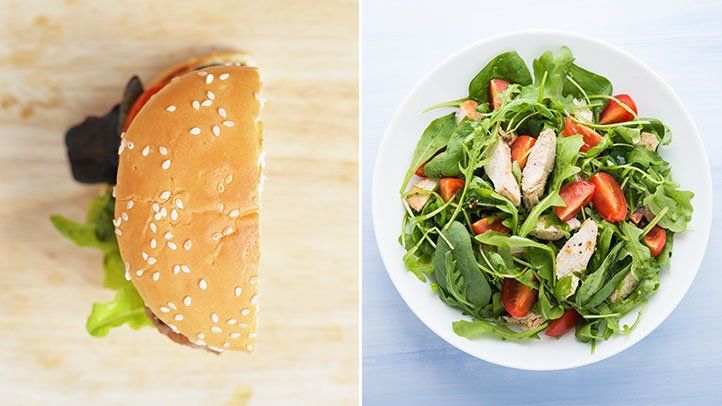
Imagine someone who usually eats a lunch of a cheeseburger and fries. A Volumetrics version does not have to be depressing. They might choose a turkey burger on a whole-grain bun, add lettuce, tomato, onion, pickles, and mustard, then pair it with a large bowl of vegetable soup or a crunchy salad. If they still want fries, they can have a smaller portion. The meal remains familiar, but the balance changes. More volume comes from vegetables and broth. Fewer calories come from fried sides and heavy sauces. No one has to write a breakup letter to burgers.
Another common experience is discovering how useful soup can be. A pot of lentil vegetable soup, turkey chili, or minestrone can become a weight-loss secret weapon. It is budget-friendly, reheats well, and feels comforting. People often find that having soup before dinner reduces the urge to go back for seconds of calorie-dense main dishes. This does not happen because soup is magical. It happens because warm, water-rich, fiber-rich food creates fullness.
Breakfast is another area where Volumetrics can quietly work wonders. A pastry and sweet coffee may be quick, but they often lead to hunger before lunch. A bowl of oatmeal with berries, a vegetable omelet with fruit, or Greek yogurt with sliced apples provides more volume, more protein, and more fiber. The result is fewer emergency snack attacks. Your 10 a.m. self may become less likely to raid the office kitchen like a raccoon in business casual.
Dinner can be transformed with the “half-plate upgrade.” Take whatever meal you already enjoy and add a large portion of non-starchy vegetables. Tacos become taco salad bowls with lettuce, tomatoes, peppers, beans, salsa, and lean protein. Pasta becomes a vegetable-loaded marinara dish. Stir-fry becomes mostly broccoli, mushrooms, snap peas, carrots, and cabbage with a moderate serving of rice or noodles. This approach is sustainable because it improves meals instead of replacing them with foods you secretly resent.
People also learn that cravings are easier to manage when they are not constantly hungry. If you eat filling meals all day, dessert can become a choice instead of a rescue mission. A small cookie after a balanced dinner is very different from eating six cookies because lunch was a lonely handful of crackers.
The most successful Volumetrics users usually do three things consistently: they keep fruits and vegetables ready, they plan protein for every meal, and they portion calorie-dense extras instead of pretending those calories do not count. They also stay flexible. Restaurant meal? Start with salad, choose grilled or broth-based options, and take half home if portions are huge. Busy day? Use frozen vegetables, canned beans, rotisserie chicken, bagged salad, or microwaveable brown rice. Volumetrics does not require perfection. It rewards practical repetition.
Over time, the biggest experience is confidence. You learn that weight loss does not have to mean tiny meals, joyless food, or constant hunger. It can mean bigger salads, better soups, smarter snacks, colorful plates, and enough structure to make progress without feeling trapped.
Conclusion: Is the Volumetrics Diet Good for Weight Loss?
The Volumetrics diet plan for weight loss is one of the more realistic approaches to eating better because it works with appetite instead of pretending hunger is a character flaw. By choosing more low-calorie-density foods, such as fruits, vegetables, broth-based soups, legumes, lean proteins, and whole grains, you can build satisfying meals that support a calorie deficit.
This plan is especially helpful for people who dislike tiny portions, want flexibility, and prefer long-term habits over quick fixes. It teaches you how to make meals bigger, smarter, and more filling without relying on extreme rules. The result is a way of eating that can support weight loss, improve diet quality, and make healthy living feel less like punishment and more like common sense with a grocery list.
Note: This article is for general educational purposes only. For personalized weight-loss advice, especially if you have a medical condition or take prescription medication, consult a healthcare provider or registered dietitian.

