
Beauty Unlocked
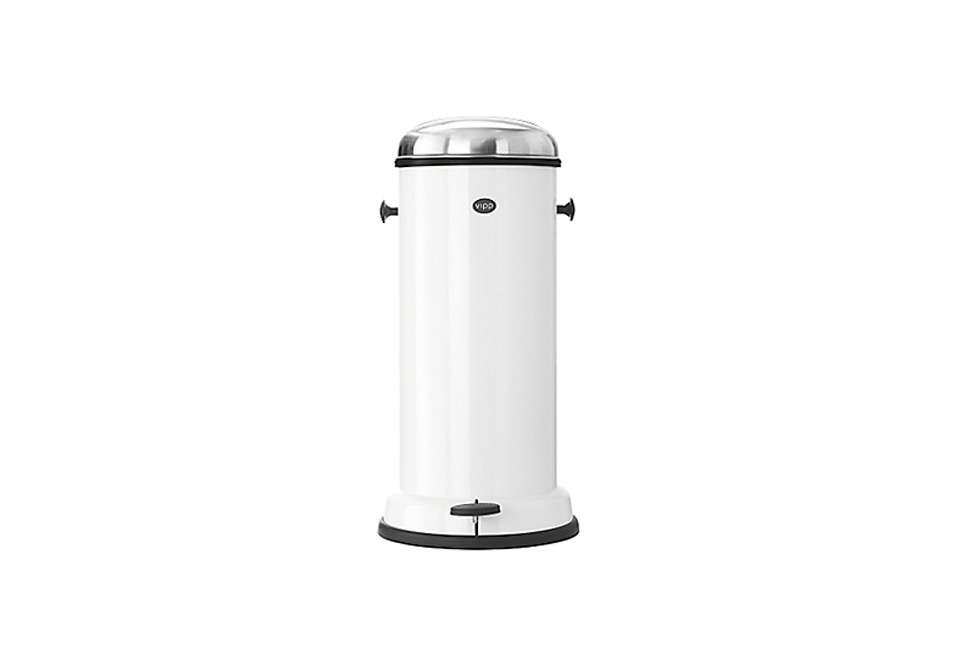
Vipp16 Pedal Bin 18L / 5Gal
Aug
The Vipp16 Pedal Bin 18L / 5Gal is what happens when someone looks at an ordinary kitchen trash can and asks, “Could this be engineered like a piece of industrial equipment and styled like modern furniture?” The answer is apparently yesand it comes with a stainless-steel lid, a reassuringly solid pedal, and enough Scandinavian confidence to stand in plain sight.
Designed for kitchens, bathrooms, and offices, the Vipp16 is a premium 18-liter pedal bin based on a design created by Danish metalworker Holger Nielsen in 1939. Instead of chasing touchscreens, voice commands, or lids that occasionally open because the dog walked past, Vipp focuses on mechanical simplicity: step on the pedal, dispose of the waste, and let the damped lid close gently.
That simplicity does not make the Vipp16 inexpensive. This is a designer trash can priced more like a small appliance than a household container. The important question, therefore, is not whether it holds garbageit does, with great professionalismbut whether its materials, appearance, repairability, and everyday usability justify the investment.
Vipp16 Pedal Bin Specifications at a Glance
| Capacity | 18 liters, approximately 5 gallons |
|---|---|
| Height | Approximately 24.4 inches |
| Diameter | Approximately 11.8 inches at the base |
| Weight | Approximately 12 pounds |
| Main materials | Powder-coated steel, stainless steel, plastic, and rubber |
| Opening mechanism | Foot-operated pedal |
| Inner container | Removable rigid inner bin |
| Lid | Damped, soft-closing lid with a tight seal |
| Floor protection | Rubber ring around the base |
| Warranty | 10-year extended warranty under applicable terms |
| Common finishes | Black, white, beige, and stainless steel, depending on availability |
A Trash Can With an Unusually Good Origin Story
The original Vipp pedal bin was created in 1939 for Marie Axelsen, who needed a hygienic, hands-free waste container for her hair salon in Randers, Denmark. Her husband, metalworker Holger Nielsen, produced three bins for the salon using his practical knowledge of steel fabrication.
Customers noticed them. Requests followed, especially from medical and dental offices where cleanliness and foot-operated disposal were useful. What began as a custom workshop project gradually became a commercial product and, eventually, an internationally recognized example of Danish industrial design.
The design was not created as decorative sculpture. Its appearance grew from practical requirements: a stable base, a foot pedal, an enclosed container, durable metal surfaces, and a shape that could be cleaned efficiently. That function-first approach explains why the bin still looks contemporary many decades later. There is little ornamental detail to become dated.
The Vipp pedal bin later entered the permanent architecture and design collection of the Museum of Modern Art in New York. That does not make yesterday’s coffee grounds more glamorous, but it does place the product in an unusual category: a household tool recognized for both utility and design significance.
What Makes the Vipp16 Different?
A Properly Mechanical Pedal
The wide foot pedal allows the lid to be opened without touching the bin. This is useful while preparing meat, handling food scraps, cleaning countertops, or carrying something that has already begun leaking with impressive determination.
The mechanism feels deliberately mechanical rather than electronically clever. There are no batteries to replace, motion sensors to clean, or mysterious midnight openings. A physical pedal also gives the user direct control over when and how far the lid opens.
A Smooth, Controlled Lid
A built-in damper controls the closing movement. Instead of slamming shut, the lid returns gradually and quietly. This small detail becomes surprisingly valuable in an open-plan kitchen, a home office, or a household where someone regularly decides to empty the refrigerator at 6:00 a.m.
The lid is designed to form a tight closure around the top of the bin. No household trash can can make neglected food waste smell like a field of lavender, but a well-sealed lid can help contain everyday odors better than an open wastebasket or loosely fitted swing top.
A Removable Inner Bin
The rigid inner container can be lifted out for bag changes and cleaning. It keeps waste away from the exterior shell and makes it easier to rinse or wipe the interior after a liner tears.
It also allows the top edge of a trash bag to be concealed between the liner and the outer body. The result is cleaner than having a plastic bag folded over the rim like a shower cap at a very unfortunate spa.
Side Handles for Easier Movement
Integrated handles on the sides help users reposition the Vipp16. That matters because the bin weighs approximately 12 pounds before anything is placed inside it. The weight provides stability, but carrying it by hugging the steel body would not be anyone’s preferred kitchen workout.
The handles are particularly useful when moving the bin closer to a food-preparation area, taking it outside for cleaning, or repositioning it while mopping the floor.
A Rubber Base That Protects Flooring
A rubber ring around the bottom helps prevent the steel body from scratching wood, stone, tile, or other sensitive surfaces. It also adds grip, reducing the chance that the entire bin slides backward when the pedal is pressed.
Materials and Build Quality
The Vipp16 combines powder-coated steel, stainless steel, plastic components, and rubber details. Depending on the finish selected, the exterior body may be powder-coated or presented in stainless steel. The lid, pedal hardware, handles, seals, and base are integrated into a dense, carefully assembled structure.
This material choice gives the bin a noticeably different presence from lightweight plastic models. It does not feel disposable, and it is not designed to be replaced every time kitchen décor changes. The rounded body and domed lid have an industrial character, but the limited color palette allows the Vipp16 to work in minimalist, contemporary, transitional, and even traditional rooms.
Powder-coated finishes tend to look softer and less reflective than polished metal. Black can provide strong contrast against pale cabinetry, while white blends into bright kitchens and bathrooms. Beige offers a warmer, quieter alternative. Stainless steel works well with commercial-style appliances but will generally make fingerprints and water marks easier to notice.
Vipp also lists replacement components for key parts of its pedal bins, including elements associated with the pedal, damper, handles, inner bin, and rubber rings. That repair-oriented approach is important for a premium household product. A long-lasting shell is much more useful when a worn moving part can be replaced instead of sending the entire bin to the landfill.
Is 18 Liters Large Enough for a Kitchen?
The Vipp16 holds 18 liters, or roughly 5 gallons. That is considerably smaller than the large 12- or 13-gallon kitchen trash cans commonly used in American households.
For one person, a couple, a small office, or a household that separates recycling and compost, the capacity may be perfectly practical. It can also work as a secondary kitchen bin for food-related waste while paper, glass, cans, and packaging go into separate containers.
Larger families may find themselves emptying it frequently. Whether that is a disadvantage depends on the type of waste being collected. Smaller bags are removed more often, which can reduce the time food scraps sit indoors. On the other hand, anyone hoping to fit three days of takeout containers into one liner may find the Vipp16 politely unwilling to participate.
Its narrow diameter makes it easier to position beside a cabinet, at the end of an island, or against a bathroom wall. Measure both the footprint and lid clearance before ordering. The body is relatively slim, but its approximately 24.4-inch height gives it a noticeable vertical presence.
Where the Vipp16 Works Best
Modern Kitchens
The Vipp16 is especially convincing when a trash can must remain visible. Its finished exterior can complement matte cabinetry, stainless-steel appliances, stone countertops, and other clean-lined materials. Unlike an under-counter bin, it can be moved near the active work zone while vegetables are trimmed or countertops are cleared.
Home Offices and Studios
In an office, design studio, salon, or treatment room, the enclosed lid keeps discarded materials out of view. The pedal is convenient when both hands are occupied, while the restrained appearance avoids making the room feel like a supply closet.
Large Bathrooms
The 18-liter capacity may be excessive for a compact powder room, but it can be useful in a spacious primary bathroom, shared bathroom, or laundry area. The tight lid keeps contents concealed, and the foot pedal is more hygienic than lifting a lid by hand.
Commercial and Client-Facing Spaces
The Vipp design began in a salon and became widely associated with professional environments. It remains appropriate for boutique hotels, reception areas, clinics, upscale retail spaces, and other locations where even practical equipment contributes to the room’s visual identity.
Cleaning and Maintenance
Routine care is straightforward, but the finish should not be attacked with the scrubber normally reserved for burnt casserole dishes.
- Wipe powder-coated surfaces with a soft, lint-free cloth, warm water, and mild detergent.
- Use a microfiber cloth and gentle, nonabrasive cleaner on stainless-steel areas.
- Avoid steel wool, abrasive pads, scouring powders, and aggressive chemicals.
- Clean rubber parts with a damp cloth and dry them afterward.
- Remove and wash the inner bin separately when necessary.
- Dry all surfaces thoroughly to prevent water spots and residue.
- Follow Vipp’s current instructions before using vinegar, alcohol-based products, or silicone spray on specific components.
The removable liner is the hero during more dramatic cleanup situations. If a bag leaks, the inner bin can be lifted out without carrying the entire exterior shell to the sink or outside. Regularly cleaning the seal around the lid also helps it close correctly.
Advantages of the Vipp16 Pedal Bin
- Timeless design: The industrial shape has remained relevant for decades.
- Hands-free operation: The foot pedal is useful during cooking and cleaning.
- Quiet closure: The damper prevents the lid from slamming.
- Odor control: The close-fitting lid helps contain everyday smells.
- Stable construction: Its weight and rubber base keep it planted during use.
- Easy maintenance: The removable inner bin simplifies cleaning and liner changes.
- Repair potential: Replacement parts are available for several important components.
- Long warranty: The listed 10-year warranty adds reassurance for a premium purchase.
Potential Drawbacks
- Premium price: It costs substantially more than an ordinary 5-gallon trash can.
- Modest capacity: Eighteen liters may be too small for a busy family kitchen.
- Noticeable weight: The solid construction is stable but less convenient to carry.
- Visible smudges: Stainless-steel versions may require frequent wiping.
- No separate recycling compartments: The Vipp16 is a single-container design.
- No smart features: Buyers seeking automatic sensors or app-controlled garbage disposal wizardry must look elsewhere.
Is the Vipp16 Worth the Money?
From a purely mathematical waste-storage perspective, no designer trash can is a bargain. A basic pedal bin can hold the same banana peel for a small fraction of the cost.
The Vipp16 makes more sense when evaluated as a long-term household object rather than temporary plastic equipment. Its value comes from sturdy materials, mechanical simplicity, a carefully controlled lid, replaceable components, visual longevity, and the ability to remain on display without making a thoughtfully designed kitchen look unfinished.
For buyers who regularly replace inexpensive bins because hinges crack, pedals bend, lids stop aligning, or plastic absorbs odors, purchasing one repairable metal model may be easier to justify. The long warranty is also meaningful, although buyers should review current registration requirements, exclusions, and regional terms before ordering.
The decision ultimately depends on how much value you place on objects used every day. Some people are happy with an inexpensive bin hidden inside a cabinet. Others want even the unglamorous parts of a room to be durable and visually coherent. The Vipp16 is unapologetically designed for the second group.
Who Should Buy the Vipp16?
The Vipp16 is a strong choice for design-focused homeowners, small households, couples, office users, boutique commercial spaces, and anyone building a coordinated Scandinavian-style interior. It is particularly appealing when the waste bin cannot be concealed and therefore needs to function as part of the room.
It may not be the best option for a large family producing high volumes of mixed trash, a buyer who wants dual recycling compartments, or someone primarily concerned with obtaining the greatest capacity for the lowest price.
Final Verdict
The Vipp16 Pedal Bin 18L / 5Gal succeeds because it treats a mundane object with unusual seriousness. Its soft-closing lid, hands-free pedal, removable inner container, stable rubber base, and steel construction all solve practical problems without unnecessary technology.
Yes, it is expensive. It is also durable, repair-friendly, historically significant, and visually disciplined. For the right home, it is less like buying a fancy garbage can and more like buying a permanent piece of functional equipmentone that just happens to spend its days collecting coffee filters and onion skins.
Extended Experience: What Living With the Vipp16 Feels Like
The most noticeable part of using the Vipp16 is not one spectacular feature. It is the accumulation of small, controlled interactions. The bin stays where it is placed. The pedal is easy to locate with a foot. The lid rises without requiring a hand, then closes without producing the metallic crash that makes everyone in the next room wonder what just happened.
During meal preparation, the freestanding design can be more useful than a waste container hidden beneath the sink. The side handles allow the Vipp16 to be moved beside an island or preparation table. Vegetable ends, packaging, paper towels, and other waste can go directly into the bin instead of traveling across the kitchen one dripping handful at a time.
The 18-liter volume changes disposal habits. It is not a giant container where waste can disappear for a week. In a small household, it may be emptied every few days, especially when used for food-related trash. More frequent emptying requires additional bags, but it can also prevent old scraps from developing their own weather system.
Changing the liner is generally tidy because the inner container lifts out. A correctly sized bag can be folded around the inner rim before the container is returned to the outer shell. Once assembled, very little plastic needs to remain visible. That detail matters more than expected when the bin stands beside expensive cabinetry rather than hiding behind a door.
The exterior feels substantial. Pressing the pedal does not send the bin skating across tile, and the rubber base helps protect flooring. The same weight that creates stability becomes apparent when the bin must be carried upstairs or taken outside for washing. Fortunately, the side handles make short moves manageable.
Black and white powder-coated versions tend to behave like pieces of furniture, visually speaking. They can either contrast with the room or blend into a simple palette. Stainless steel coordinates naturally with appliances but asks for more attention. Fingerprints, cooking mist, and dried droplets are easier to see, so a microfiber cloth may become the bin’s unofficial best friend.
The soft-close action is especially satisfying in quiet spaces. In an office, the lid does not interrupt calls. In an open kitchen, it does not compete with conversation. At night, disposing of something does not sound like a cymbal solo. This is not an essential luxury, but it is precisely the type of detail people miss after becoming accustomed to it.
Odor containment is good when the sealing surfaces are kept clean and the lid closes fully. It does not eliminate the need to remove fish packaging, spoiled food, or other strongly scented waste promptly. The Vipp16 is well engineered, but it has not yet negotiated a peace treaty with week-old shrimp.
Over time, the greatest benefit may be that the bin does not feel temporary. The basic form avoids trend-driven decorations, while the mechanical parts can be maintained or replaced. Instead of treating the trash can as something to discard when one component wears out, owners have a realistic reason to repair it.
That long-term mindset is central to the Vipp16 experience. The product does not transform waste disposal into entertainment, nor should it. It simply makes a frequent household task quieter, cleaner, and more predictable. For buyers who notice those daily details, the bin’s quality is visible every time the pedal is pressed. For everyone else, it remains an extremely handsome place to put the garbage.
Editorial note: Product finishes, pricing, availability, warranty conditions, and replacement-part options may vary by market and can change over time. Specifications in this article were cross-checked using manufacturer documentation, museum archives, established design publications, and specialist retailer information. Confirm current details with an authorized seller before purchasing.

