
Makeup
The Spanish Chair
Jun
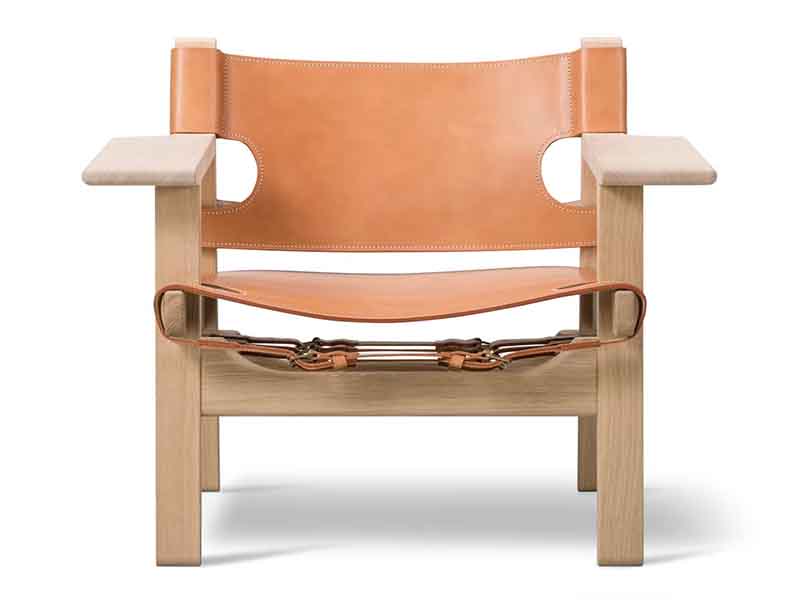
The Spanish Chair is one of those rare pieces of furniture that manages to look relaxed, serious, rugged, elegant, and slightly smug all at the same time. Designed by Danish furniture master Børge Mogensen in 1958 for Fredericia, it is a low-slung lounge chair made from solid wood and saddle leather, with wide armrests that practically whisper, “Set your coffee here, I have handled worse.”
At first glance, The Spanish Chair seems simple: a wooden frame, a leather seat, a leather back, and a few honest buckles. But that simplicity is exactly where the magic lives. This is not a chair trying to impress you with unnecessary curves, shiny gimmicks, or upholstery that needs a support group. It is a study in proportion, craftsmanship, durability, and everyday comfort. It is Danish Modern design with Spanish inspiration, and it has been charming design lovers for more than six decades.
Whether you are a furniture collector, an interior design enthusiast, or simply someone who believes a chair should not collapse emotionally or physically after three years, The Spanish Chair deserves attention. It is a design icon because it does what great furniture should do: it serves the body, improves the room, and grows better with age.
What Is The Spanish Chair?
The Spanish Chair is a lounge chair created by Børge Mogensen, one of the most influential figures in Danish Modern furniture. The chair was designed in 1958 and produced by Fredericia, a respected Danish furniture company known for craftsmanship and long-lasting modern classics.
The chair is usually recognized by three key features: a solid wood frame, thick saddle leather, and wide, flat armrests. The leather is attached with adjustable straps and buckles, a practical detail that allows the seat to be tightened over time as the leather naturally stretches. In other words, this chair was designed with aging in mind. Not anti-aging, like an expensive face cream. Pro-aging, like a good leather jacket, a cast-iron skillet, or a person who finally stops pretending to enjoy tiny decorative pillows.
The Spanish Chair is often made in oak, though walnut versions are also available. The leather may come in natural, cognac, black, or darker brown tones depending on the edition and finish. The chair sits low to the ground, with a generous width and a calm, grounded presence. It is not a chair that shouts. It simply sits there confidently, as if it already knows it will outlive most of the furniture in the room.
The Story Behind The Spanish Chair
The inspiration for The Spanish Chair came from Mogensen’s travels in Spain, especially his exposure to traditional chairs found in regions shaped by medieval Spanish and Islamic design influences. These older chairs often used strong wooden frames and leather seats secured by straps. Mogensen did not copy them directly. Instead, he translated the idea through the lens of Danish Modernism: cleaner lines, refined proportions, functional details, and a deep respect for materials.
In 1958, The Spanish Chair was introduced at the Cabinetmakers’ Guild Exhibition in Copenhagen. At that time, Mogensen was thinking carefully about how people used living rooms. He famously challenged the need for small occasional tables by giving the chair broad, horizontal arms. These arms could hold a glass, a book, a small plate, or whatever object your evening routine insists on dragging into the living room.
This was not just a styling choice. It was a lifestyle idea. By expanding the armrests, Mogensen opened up the room visually and reduced clutter. The chair became furniture and side table in one. Today, we might call that “multifunctional design.” Mogensen simply called it common sense, probably while looking at an overdecorated room with quiet Danish disappointment.
Børge Mogensen: The Mind Behind the Chair
Børge Mogensen was born in 1914 and trained as a cabinetmaker before studying furniture design and architecture. His background mattered. Unlike designers who treat chairs as abstract sculptures and then seem surprised that humans have knees, Mogensen understood furniture from the inside out. He knew how wood behaved, how joints worked, and how objects needed to perform in daily life.
Mogensen was strongly influenced by Kaare Klint, a major figure in Danish furniture education. Klint believed in measured design, human proportions, and practical function. Mogensen carried those ideas forward but gave them his own personality. He became known for democratic design: furniture that was honest, durable, useful, and connected to real homes rather than fantasy showrooms where nobody spills soup.
His work included storage systems, tables, sofas, and chairs, but The Spanish Chair remains one of his most recognizable creations. It represents many of his core beliefs at once: natural materials, visible construction, functional beauty, and a preference for designs that become companions instead of disposable objects.
Why The Spanish Chair Became a Danish Modern Icon
It Balances Strength and Elegance
The Spanish Chair looks sturdy because it is sturdy. The solid wood frame gives it architectural confidence, while the leather adds warmth and flexibility. It has a masculine reputation in some design circles, but that description is too narrow. The chair is less about gender and more about character. It has the visual weight of a library, the comfort of a cabin, and the refinement of a gallery piece.
It Uses Materials Honestly
One reason The Spanish Chair still feels fresh is that it does not hide what it is made of. The wood looks like wood. The leather looks like leather. The buckles look like buckles. Nothing is pretending to be something else. In a world of faux finishes and mystery composites, that honesty feels almost rebellious.
It Ages Beautifully
Saddle leather changes over time. It softens, darkens, stretches, and develops patina. The Spanish Chair was designed to welcome that process. The adjustable straps allow owners to tighten the seat when needed, turning maintenance into part of the chair’s life story. This is furniture that does not panic at the first sign of use. It expects use. It was born for use.
It Fits Many Interiors
The Spanish Chair is strongly associated with Scandinavian design, but it is surprisingly flexible. It can sit in a minimalist apartment, a rustic cabin, a modern farmhouse, a mid-century living room, or a quiet reading corner. It pairs well with wool rugs, stone floors, linen curtains, low tables, and warm lighting. It also works beautifully beside shelves, fireplaces, and large windows. Basically, it is the friend who gets along with everyone at the dinner party without needing to dominate the conversation.
Design Details That Make The Spanish Chair Special
The Wide Armrests
The arms are perhaps the chair’s most famous design move. They are broad enough to serve as built-in surfaces, which makes the chair feel independent. You can place a cup, a book, or a small notebook on them. This feature gives The Spanish Chair a relaxed intelligence. It understands that lounging is not a passive activity. Lounging requires equipment.
The Leather Seat and Back
The leather seat and back are not overly padded. This may surprise people used to plush recliners that appear to be slowly swallowing their owners. The Spanish Chair offers a firmer, more supportive comfort. It holds you rather than smothers you. Over time, the leather adjusts to the body, creating a more personal sitting experience.
The Buckle System
The visible buckles are both functional and decorative. They allow the leather to be adjusted, but they also give the chair its distinctive personality. They hint at saddlery, travel, craft, and traditional construction. Without the buckles, the chair would still be handsome. With them, it becomes unforgettable.
The Low Profile
The chair’s low seat height gives it a grounded feeling. It invites slower living: reading, talking, thinking, listening to music, or staring into space while pretending to have an important design-related thought. Its proportions encourage relaxation without making the chair look lazy.
How to Style The Spanish Chair at Home
In a Reading Corner
Place The Spanish Chair near a floor lamp, a small bookshelf, and a soft rug. Because the arms can hold a book or drink, you may not need a side table. Add a wool throw if you want texture, but avoid burying the chair under too many accessories. This is a design classic, not a laundry chair in training.
In a Living Room
The Spanish Chair works well as an accent chair across from a sofa. It adds structure and warmth, especially in rooms with clean-lined furniture. Pair natural leather with neutral upholstery for a calm look, or use black leather for a stronger architectural statement. Cognac leather is especially versatile because it brings warmth without overpowering the space.
In an Office or Studio
In a home office, The Spanish Chair can soften the seriousness of desks, screens, and paperwork. It creates a place to read, think, or take calls. It also tells visitors that you appreciate design, quality, and possibly coffee served in ceramic mugs that cost more than they should.
In a Bedroom
Used in a bedroom, The Spanish Chair can turn an empty corner into a calm retreat. It is best placed where there is enough room around it, because the chair’s wide arms need breathing space. Crowding it into a tight corner is technically possible, but emotionally rude.
The Spanish Chair vs. Ordinary Lounge Chairs
Most lounge chairs are designed around immediate comfort. That is not a bad thing, but it can lead to furniture that feels tired after a few years. The Spanish Chair plays a longer game. It is comfortable, but it is also durable, repairable, and visually timeless. Its beauty comes from construction rather than decoration.
Many ordinary lounge chairs rely on foam, fabric, and hidden frames. The Spanish Chair puts its structure on display. You can see how it works. You can understand why it lasts. That visibility builds trust. The chair is not asking you to believe a marketing slogan; it is showing you the evidence in wood, leather, and hardware.
This is why design collectors value it. The Spanish Chair is not merely a place to sit. It is a lesson in restraint, proportion, and material intelligence. It proves that luxury does not have to sparkle. Sometimes luxury is a perfectly shaped piece of oak and a slab of leather that gets better every year.
Care and Maintenance
The Spanish Chair is built to last, but “built to last” does not mean “ignore forever and hope for the best.” Like any high-quality wood and leather furniture, it benefits from basic care.
For daily cleaning, a soft dry cloth is usually enough. Light stains on leather can often be addressed with a carefully wrung cloth, but harsh cleaners should be avoided unless recommended by the manufacturer or a leather care professional. Leather creams or conditioners may be used when appropriate, depending on the leather type. The wood frame should be treated according to its finish, whether soaped oak, oiled oak, smoked oak, lacquered oak, or walnut.
Keep the chair away from extreme sunlight, excessive heat, and very dry indoor conditions. Leather and wood are natural materials, and they respond to their environment. Treat them well and they reward you. Treat them badly and they will still look better than a cheap plastic chair, but they may judge you silently.
Why Designers Still Love The Spanish Chair
Designers continue to admire The Spanish Chair because it solves several problems at once. It is sculptural but useful. It is historical but not old-fashioned. It is luxurious but not flashy. It feels handmade without looking quaint. It has presence without screaming for attention.
The chair also captures a broader lesson in Danish Modern design: good furniture should respect the person using it. Mogensen did not design The Spanish Chair as a fragile museum object. He designed it for living rooms, conversations, books, drinks, and quiet evenings. The fact that it later became collectible only proves how strong the original idea was.
In an era of fast furniture, The Spanish Chair feels especially relevant. It reminds us that the most sustainable object is often the one you do not need to replace. A chair that lasts for generations is not just a purchase; it is a small rebellion against waste.
Buying Considerations
If you are considering The Spanish Chair, think about space first. This is not a tiny chair. Its wide arms and low stance require room. It looks best when it has enough visual breathing space around it. Measure carefully, especially if you live in an apartment or plan to place it near other large furniture.
Next, consider the finish. Natural leather will show patina more visibly, which many people love. Black leather feels more formal and graphic. Cognac leather offers warmth and works with many palettes. Oak gives a classic Scandinavian feeling, while walnut adds depth and richness.
Finally, remember that The Spanish Chair is an investment piece. It is not designed for a quick trend cycle. It is designed for people who appreciate craftsmanship, long-term value, and furniture with a little soul. Also, it is designed for people who enjoy armrests wide enough to hold snacks. Let us not pretend that detail is minor.
Experiences With The Spanish Chair: Living With a Design Classic
Living with The Spanish Chair is different from simply admiring it in a showroom. In photographs, it looks iconic. In person, it feels grounded and surprisingly approachable. The first thing many people notice is the scale. It is wide, low, and confident, but not bulky in the clumsy sense. It has the calm posture of something that knows exactly why it exists.
The first sit can be a little unexpected if you are used to overstuffed lounge chairs. The Spanish Chair does not collapse around you. It supports you. The leather has firmness, and the angle encourages a relaxed but alert position. It is a chair for reading a novel, sipping coffee, holding a long conversation, or listening to music with the seriousness of someone pretending to understand jazz.
Over time, the chair becomes more personal. The leather begins to respond to use. Small marks appear. The surface changes. The color deepens. Instead of making the chair look worn out, these changes make it look lived in. That is one of the pleasures of natural materials: they record life without becoming messy. A small crease in the leather feels like memory, not damage.
The wide armrests quickly become part of daily habits. You may start by placing a book there. Then a coffee cup. Then reading glasses. Then your phone. Then a snack plate. Eventually, you realize Mogensen understood human behavior with almost suspicious accuracy. People do not simply sit; they gather things around themselves like highly civilized squirrels. The Spanish Chair handles this beautifully.
In a room, the chair often becomes an anchor. It can make inexpensive furniture nearby look more intentional. A plain sofa feels calmer beside it. A simple rug looks more thoughtful. A basic floor lamp suddenly seems like part of a design plan. The chair has that quiet authority. It does not need matching pieces to work, though it pairs naturally with wood, leather, linen, wool, stone, and other honest materials.
Guests tend to notice it. Some recognize it immediately; others simply ask, “What chair is that?” It invites conversation because it looks both familiar and unusual. It has a traditional soul and a modern outline. The buckles especially draw attention. They add a tactile, almost fashion-like detail, as if the chair remembered to accessorize but refused to overdo it.
The Spanish Chair also teaches patience. It is not a disposable object that looks best on day one and slowly declines. It matures. Owners often become more attached to it as the years pass because the chair changes with the home. It may move from apartment to house, from living room to study, from family space to quiet corner. Wherever it goes, it brings continuity.
Perhaps the best experience of The Spanish Chair is the sense that it asks you to slow down. It is not made for frantic scrolling or temporary trends. It is made for evenings, books, conversations, and the kind of silence that feels comfortable rather than awkward. In a world full of objects begging for attention, The Spanish Chair simply offers a place to sit well. That may sound modest, but good sitting is one of civilization’s underrated achievements.
Conclusion
The Spanish Chair remains one of the finest examples of Danish Modern furniture because it blends cultural inspiration, practical innovation, and extraordinary craftsmanship. Børge Mogensen transformed traditional Spanish chair construction into a modern lounge chair that feels timeless, useful, and deeply human. Its solid wood frame, saddle leather, adjustable buckles, and generous armrests are not decorative tricks; they are intelligent design choices.
More than sixty years after its debut, The Spanish Chair still feels relevant because it refuses to chase trends. It is comfortable without being lazy, elegant without being fragile, and luxurious without being loud. It proves that great furniture can be both beautiful and practical, both historic and modern, both serious and wonderfully livable.
If a home is a collection of daily rituals, The Spanish Chair is the kind of object that makes those rituals feel richer. It gives you a place to read, rest, think, talk, sip, snack, and occasionally feel like your living room has its life together. And honestly, that is a lot for one chair to accomplish.
Note: This original article was written in publication-ready HTML and synthesized from reputable design history, manufacturer, retailer, and museum-style references about The Spanish Chair, Børge Mogensen, Fredericia, Danish Modern furniture, saddle leather craftsmanship, and long-lasting Scandinavian design.

