
Skincare
Talk Your Book: The Psychology of Income
Aug
Income sounds simple on paper. Money comes in, bills go out, hopefully some cash stays behind to fund a future version of you who drinks nicer coffee and worries less. But in real life, income is not just math. It is emotion, identity, status, control, security, and sometimes a tiny bit of drama.
That is why the phrase “the psychology of income” is so useful. It reminds us that people do not respond to income the way a spreadsheet does. Two households can earn the same amount and feel completely different about it. One feels stable. The other feels broke. One sees a raise as freedom. The other sees it as permission to spend more. One investor loves monthly distributions because they feel tangible. Another quietly gives up long-term upside just to enjoy the comforting sound of cash hitting the account.
In the United States, this topic matters more than ever. Income has to do a lot of heavy lifting: covering higher living costs, absorbing surprise expenses, supporting retirement savings, paying for health care, and serving as a psychological scoreboard in a culture that often confuses earnings with worth. So yes, income is money. But it is also meaning.
Why Income Feels More Emotional Than Wealth
Wealth is what you own. Income is what arrives. That difference is enormous in human terms. Wealth can sit quietly in a retirement account and look impressive on a chart. Income feels alive. It lands every week, every two weeks, every month. It tells you whether you can breathe this month or hold your breath until the next deposit.
That is why income often feels more personal than net worth. A pay cut feels like rejection. A raise feels like recognition. A bonus feels like victory. A missed freelance payment feels like betrayal. Even passive income is rarely truly passive emotionally. People attach hope to it, and hope is never passive.
Income also affects daily control. It determines whether you can say yes to convenience, no to a bad boss, or maybe not panic when your car decides it is time for its annual financial jump scare. The psychological value of income is not only what it buys. It is what it prevents: fear, uncertainty, embarrassment, dependence, and the exhausting mental load of scarcity.
The Three Big Psychological Forces Behind Income
1. Security
The first job of income is practical survival, but the first feeling it creates is security. Reliable income helps people plan. Irregular income makes everything feel shakier, even when the total annual amount looks decent. A person earning a steady salary often sleeps differently from a person earning the same amount through unpredictable contract work.
This is one reason income volatility matters so much. People do not experience income only as an annual total. They experience it as timing. A household can look fine on paper and still feel financially stressed because the cash arrives unevenly. The brain hates uncertainty, especially when rent and groceries insist on being due right on time.
2. Status
Income is also social. People compare. They compare across neighborhoods, friend groups, industries, family expectations, and social media feeds full of suspiciously cheerful entrepreneurs. Relative income often shapes satisfaction more than absolute income. A person earning more than ever may still feel behind if everyone around them seems to be buying nicer homes, taking better vacations, or casually describing a kitchen renovation as “a fun little refresh.”
This status effect helps explain why higher income does not automatically create peace. More income can improve life satisfaction, especially when it helps cover basic needs and reduces instability. But comparison is a treadmill with very expensive shoes.
3. Identity
For many people, income becomes a verdict on personal value. High earners may see income as proof of competence. Lower earners may internalize shame, even when broader forces like occupation, caregiving demands, geography, industry pay, or discrimination are doing much of the talking. This is where the psychology gets sticky. When income becomes identity, every professional setback starts to feel existential.
That is especially dangerous because income is only partly about effort. It is also about market demand, timing, credentials, bargaining power, labor structure, and luck. In other words, income says something about your economic situation, but it does not say everything about your value as a human being. The market is not a therapist. It is not even a particularly good judge of character.
Why More Income Helps, But Not in a Straight Line
One of the oldest questions in personal finance is whether more money makes people happier. The honest answer is: often yes, but not in the simplistic way internet clichés promise.
Higher income usually improves well-being when it reduces real pain points: unstable housing, food insecurity, medical bills, debt stress, lack of transportation, and the absence of emergency savings. At lower and middle income levels, additional dollars often produce very real psychological benefits because they buy margin. Margin is underrated. Margin means you do not need a perfect month to survive.
But once basic needs and some comforts are covered, the emotional return on extra income gets more complicated. People adapt. A raise that felt thrilling in March becomes normal by June. Expectations rise. Spending expands. The once-magical salary becomes the new bare minimum. This is not moral failure. It is human nature. The problem is that hedonic adaptation can turn financial progress into emotional sameness.
That is why some people with rising incomes still feel anxious, and why some people with more modest incomes but strong habits feel calm. Income matters. Expectations matter too. The healthiest psychology of income is built not only on earning more, but on resisting the urge to let every gain become a permanent obligation.
Salary Income, Business Income, and Portfolio Income Hit Differently
Salary Income: Predictable and Powerful
A regular paycheck is psychologically potent because it is repeatable. It creates rhythm. It tells the nervous system that another deposit is coming. That reliability can be worth almost as much as the amount itself. People with stable salaries often underestimate how much emotional value they receive from predictability alone.
Business and Freelance Income: Freedom With a Side of Cortisol
Entrepreneurs and independent workers often love the upside of self-directed income. They can earn more, build something of their own, and escape rigid pay structures. But variable income has a different emotional profile. It creates agency and anxiety at the same time. A great month feels euphoric. A slow month can trigger a full philosophical inquiry into the meaning of life, capitalism, and whether that expensive software subscription was really necessary.
Portfolio Income: The Illusion of Safety
Portfolio income is fascinating because people treat it differently from salary even when both fund the same life. Dividends, bond coupons, and fund distributions often feel safer because they appear separate from principal. Investors love the idea of “living off the income” because it sounds disciplined and self-sustaining.
But this is where psychology can interfere with good decision-making. Investors often prefer a visible yield over a less visible total return. Cash distributions feel real. Price appreciation feels theoretical, even when both are parts of the same economic machine. This can push people toward yield chasing, where the emotional comfort of income outweighs a sober look at the trade-offs.
Why Investors Love Yield So Much
The appeal of income investing is not hard to understand. Income feels productive. It feels like your money has a job and shows up to work on time. Monthly or quarterly cash flow can reduce the fear of selling assets, especially in retirement. It can also create a sense of discipline: spend the distributions, leave the core alone.
There is nothing inherently wrong with that. The trouble begins when the desire for income becomes stronger than the desire for clear thinking. Investors may favor a fund with a flashy payout while ignoring tax consequences, reduced upside, concentration risk, credit risk, or the possibility that distributions are being mentally framed as “safe” simply because they are frequent.
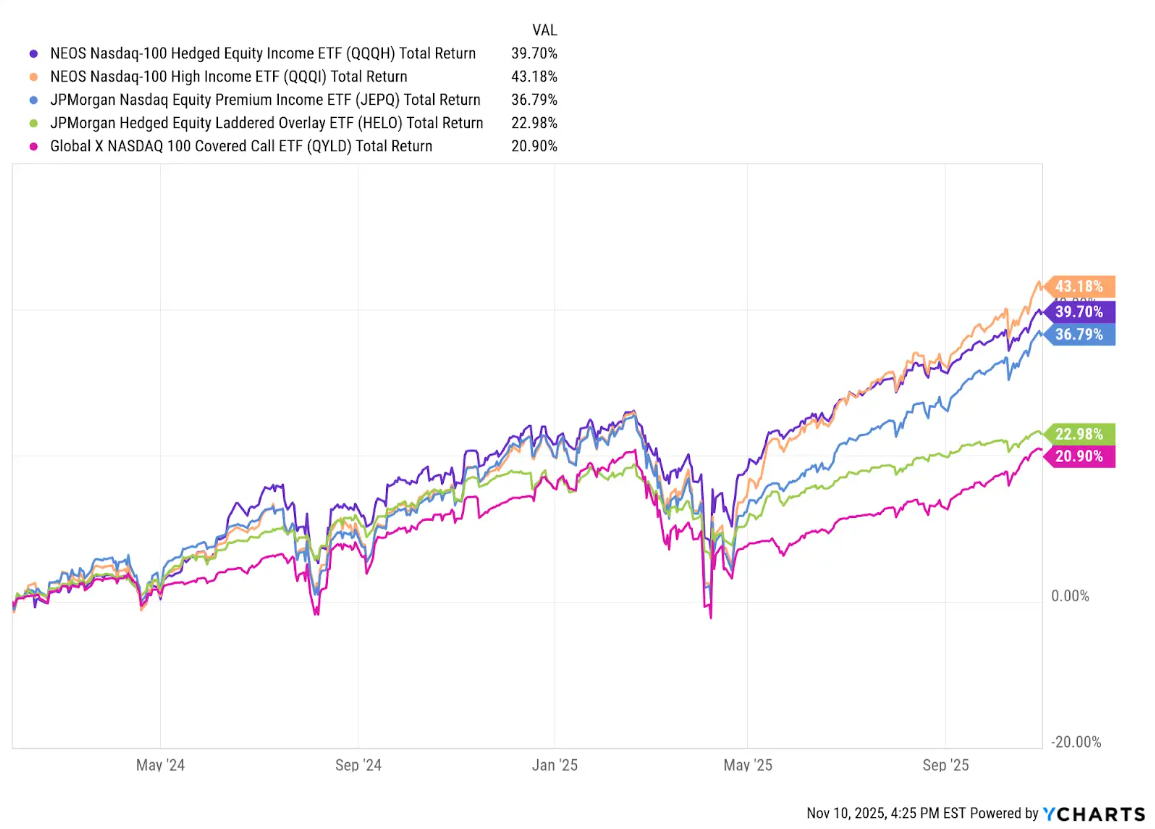
This is part of what makes options-based income products and covered-call strategies so psychologically appealing. They can offer cash flow and a smoother emotional ride in certain markets. But they are not magic. They usually involve trade-offs, including capped upside or strategy-specific risks. In other words, the psychology of income can make a product look better than its full economic story.
That is the big lesson: income is not automatically superior just because it feels comforting. A good strategy is one that matches real goals, risk tolerance, taxes, time horizon, and total return needsnot one that simply produces the most emotionally satisfying dashboard.
The Hidden Enemies: Lifestyle Creep, Comparison, and Fragile Confidence
When income rises, people tend to upgrade quietly. Better apartment. Better car. Better subscriptions. Better grocery store where apparently every tomato has a graduate degree. None of this is shocking. Improvement is part of the point of earning more. The danger is not enjoying progress. The danger is converting every income increase into fixed costs.
Lifestyle creep reduces the emotional benefit of higher income because it shrinks flexibility. The person earning more may feel richer for a moment and then strangely trapped. Their budget now requires the newer lifestyle. Their future self has less room to maneuver. Freedom disappears under nicer packaging.
Comparison makes it worse. Social status has no finish line. There is always a higher bracket, a larger house, a more impressive school district, a more curated vacation. If income becomes your ranking system, peace becomes temporary. The goalpost will not sit still.
Fragile confidence is another problem. Some people build self-esteem entirely around income momentum. As long as earnings rise, they feel smart and successful. The moment income stalls, their confidence cracks. A healthier mindset separates self-respect from paycheck fluctuations. That does not mean income is irrelevant. It means your identity should not be fully outsourced to it.
How to Build a Healthier Psychology of Income
Define What Income Is Supposed to Do
Not all income has the same job. Some income is for essentials. Some is for lifestyle. Some is for long-term security. Some is for freedom. If you do not separate those roles, every dollar starts doing emotional double duty, and confusion follows.
Measure Stability, Not Just Amount
A household with a slightly lower but steadier income may have a better financial life than one with higher but erratic earnings. Predictability deserves more respect. Emergency savings matter for the same reason: they turn unstable life events into manageable ones.
Judge Investments by Total Return, Not Just Yield
Income-producing assets can be useful, but headline yield should never hypnotize you. Ask what you are giving up, what risks you are taking, and whether the income is truly serving your plan or merely soothing your nerves.
Create Rules for Raises and Windfalls
Do not let every pay increase vanish into automatic lifestyle inflation. A simple rule works wonders: direct part of every raise toward savings, debt reduction, or investing before expanding spending. Enjoy the rest guilt-free. The keyword is part, not all. This is a finance article, not a vow of monastic austerity.
Stop Letting Income Equal Identity
Income is data. Useful data, important data, sometimes stressful databut still data. It can tell you how the market values your labor or capital at a moment in time. It cannot measure character, love, creativity, resilience, or whether you are the kind of person who returns the shopping cart. And frankly, that last one says plenty.
Experiences That Show the Psychology of Income in Real Life
The psychology of income becomes easiest to understand when you look at how people actually feel their way through it. Consider the employee who gets a meaningful raise after years of being underpaid. The first reaction is often relief, not luxury. The raise does not immediately translate into designer purchases or wild lifestyle upgrades. It translates into quieter Sundays, fewer stomach knots before rent is due, and the ability to stop treating every small emergency like a financial plot twist. That is income as emotional stabilization.
Now consider a freelancer whose annual income is technically strong but wildly inconsistent. One month is fantastic. The next is thin. On paper, this person may outearn the salaried employee. In practice, they may feel poorer. Why? Because uncertainty eats confidence. The irregularity changes behavior. They may oversave when cash is high, underspend when cash is low, and constantly question whether they are truly doing well. This is the difference between income level and income experience.
Then there is the mid-career professional who keeps earning more but somehow never feels ahead. Each raise has been followed by a bigger mortgage, more subscriptions, pricier travel, and a social circle with increasingly expensive norms. Their income rose, but so did the emotional cost of maintaining the life that income created. The result is a strange modern condition: visibly successful, privately stressed. The outside world sees prosperity. The inner world feels pressure.
Retirees and near-retirees often reveal another side of the story. Many do not just want a portfolio that grows. They want a portfolio that pays them. The distinction is deeply psychological. Selling shares can feel like loss, even when the math is perfectly reasonable. Receiving dividends, bond interest, or fund distributions feels more natural, more earned, more “allowed.” That preference can be sensible, but it can also lead to overly narrow decision-making if investors chase income products without fully understanding the compromises involved.
Young workers experience income psychology differently too. Early in a career, pay is often interpreted as proof of trajectory. A first salary carries symbolic weight because it answers a personal question: “Am I becoming someone?” That is why peers with similar jobs can feel wildly different about their income. One sees a starting point. Another sees a judgment. The numbers may match; the meaning does not.
Parents often describe income in even more layered terms. For them, income is not just about comfort. It becomes protection, opportunity, and guilt management all at once. It is school costs, health care, groceries, housing, childcare, and the constant background hope that money can reduce the number of trade-offs the family must make. In that context, income is not merely a reward for work. It feels like a shield.
All of these experiences point to the same truth: people do not live on income alone. They live on what income means to them. Security, freedom, dignity, control, and identity all show up in the same paycheck. That is why the best personal finance decisions are rarely just numerical. They are behavioral. They require understanding not only how money moves, but how people feel when it does.
Conclusion
The psychology of income explains why earning, spending, saving, and investing are never purely technical acts. Income can calm you, tempt you, validate you, distort you, and free yousometimes all in the same month. The healthiest approach is not to pretend emotions do not exist. It is to understand them well enough that they stop quietly running the show.
Talk your book long enough, and this becomes obvious: people want income because they want safety, options, and proof that life is working. There is nothing irrational about that. The challenge is making sure the pursuit of income serves your real goals instead of hijacking them. Earn more where you can. Protect stability where you must. Respect cash flow, but do not worship it. And remember that the best income is not the number that impresses strangers. It is the one that helps you live with more control, less fear, and a little more room to enjoy your actual life.
SEO Tags
Note: This article is written in standard American English for web publication and contains only the HTML <body> section for easy copying.

