
Beauty Unlocked
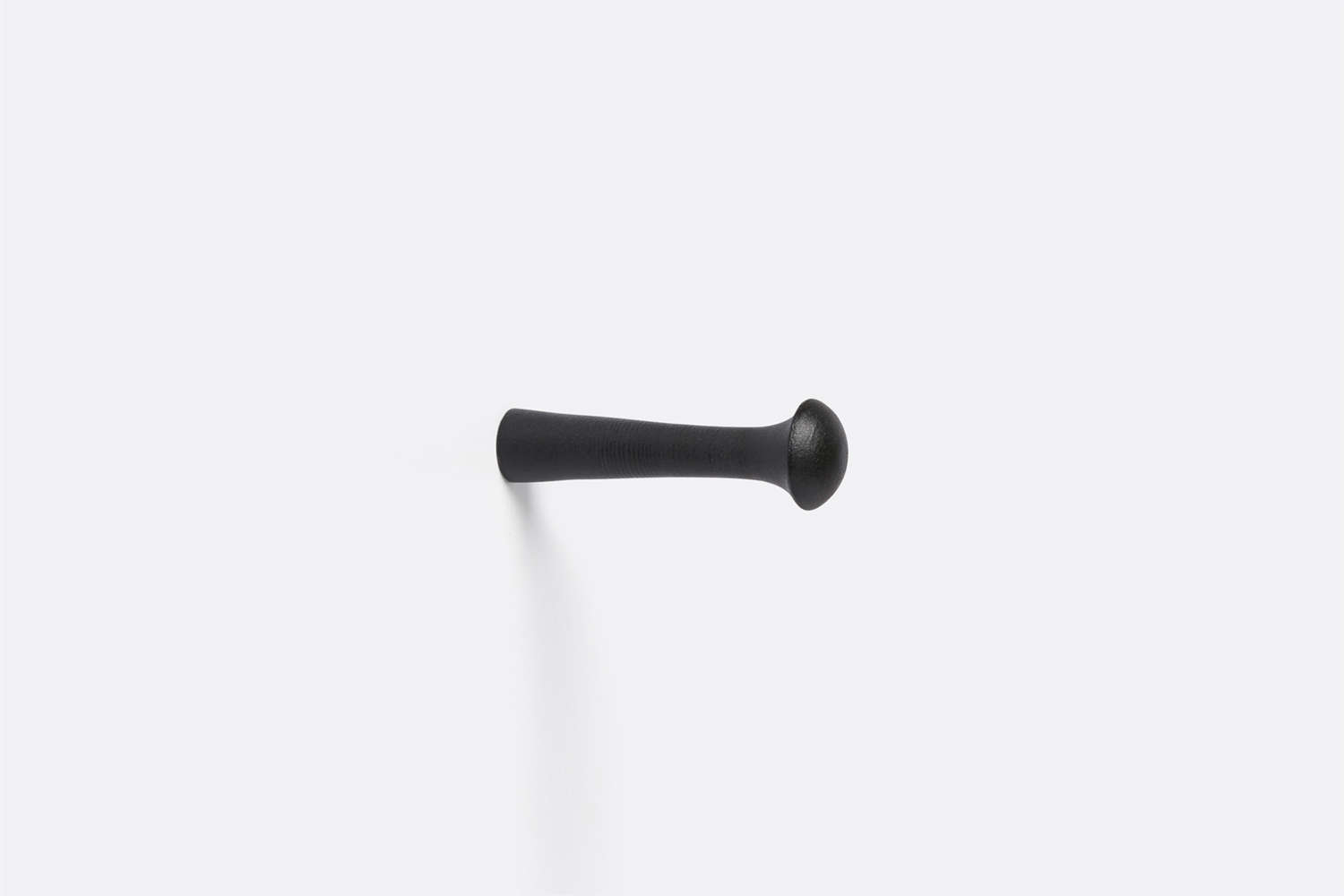
Shaker Cast Iron Single Hook
Jun
A Shaker Cast Iron Single Hook may look like the quietest object in the room, but do not underestimate it. This little piece of wall hardware can rescue a hallway from backpack chaos, give a mudroom some backbone, and make a bathroom towel look as if it finally found its purpose in life. It is simple, sturdy, and refreshingly honestthree qualities that are rare in both home decor and group text messages.
At its core, a Shaker cast iron single hook is a wall-mounted hook inspired by the clean, functional principles of Shaker design. It usually features a minimal silhouette, a strong cast iron body, and a rustic or black finish that works in farmhouse, cottage, industrial, traditional, and modern interiors. Unlike overly decorative hooks that seem to shout, “Look at me, I have flourishes,” this hook whispers, “Hang your coat. Continue your life.”
That quiet confidence is exactly why the Shaker style continues to matter. The Shakers believed practical objects should be useful, well made, and beautiful without unnecessary decoration. The result is a design language that still feels fresh today: simple lines, honest materials, efficient storage, and a calm sense of order. A single cast iron hook may be small, but it carries that entire philosophy on its tiny metal shoulders.
What Is a Shaker Cast Iron Single Hook?
A Shaker Cast Iron Single Hook is a single-prong wall hook made from cast iron and designed with a restrained, practical shape. It is typically used for coats, hats, robes, towels, bags, aprons, keys, dog leashes, or everyday items that need a home other than “somewhere on the chair.”
The “Shaker” part refers less to a specific patent and more to an aesthetic tradition. Shaker interiors were known for order, function, and wall-mounted storage, especially peg rails that kept floors clear and rooms adaptable. The “cast iron” part refers to the manufacturing material: iron poured into a mold, producing a dense, durable piece with satisfying weight and texture. Put those ideas together and you get a hook that feels both historic and practical.
Many Shaker-inspired cast iron hooks have a matte black, rough iron, oil-rubbed, antique iron, or powder-coated finish. Some are straight and industrial; others curve gently at the tip to keep items from sliding off. The best examples avoid fussy decoration. They look like they could have been installed in a 19th-century workshop, a 1920s farmhouse, or a 2026 apartment where the owner has finally decided that coats do not belong on the floor.
Why Shaker Design Still Works in Modern Homes
Shaker design lasts because it solves problems without showing off. In a world full of overdesigned gadgets and furniture that requires an emotional support manual, the Shaker approach feels almost rebellious. It says: make the thing useful, make it well, remove what is not needed, and let the material speak.
The Shaker tradition became famous for furniture, built-ins, peg rails, chairs, boxes, and storage solutions that favored proportion, utility, and craftsmanship over ornament. Their wall-mounted peg rails were especially clever. By hanging chairs, tools, textiles, and household items, Shaker communities kept floors open for cleaning and flexible daily use. That same logic applies beautifully to a single wall hook today.
A Shaker cast iron hook is not trying to become the centerpiece of your home. It is trying to make the centerpiece possible. It keeps the entryway clear, the kitchen organized, the bathrobe reachable, and the dog leash exactly where a sleepy human can find it at 6:30 a.m.
Cast Iron: The Material That Does Not Flinch
Cast iron has a reputation for strength because it deserves one. It is heavy, solid, and visually grounded. Compared with lightweight plastic hooks or thin stamped metal hangers, a cast iron wall hook has a reassuring permanence. It feels like it belongs to the house, not like it is visiting for a weekend.
For wall hooks, cast iron offers several practical advantages. It resists bending under normal household use, accepts rustic and powder-coated finishes well, and brings natural texture to a wall. Even a simple black cast iron hook adds depth because the surface is not perfectly sterile. It has a handmade, old-house feeling, even when newly purchased.
That said, cast iron is not magic. The hook itself may be strong, but its real-world performance depends heavily on installation. A hook mounted into a wall stud with proper screws can handle everyday loads far better than one loosely attached to drywall with mystery anchors found in a kitchen drawer. The hardware is only as reliable as the wall connection behind it.
Best Places to Use a Shaker Cast Iron Single Hook
Entryway and Hallway
The entryway is the classic home for a Shaker cast iron single hook. Install one near the door for a coat, tote bag, umbrella, hat, or set of keys. Install several in a row and suddenly you have a mini mudroom without buying a giant storage bench that eats half the hallway.
For narrow spaces, single hooks are especially useful because they create vertical storage. Instead of adding another piece of furniture, you use the wall. That is very Shaker: practical, efficient, and unlikely to make your hallway feel like a storage unit with better lighting.
Mudroom
A mudroom is where cast iron gets to show off a little. Wet jackets, canvas bags, garden hats, reusable grocery totes, and school backpacks all need a place to land. Cast iron hooks bring durability and a rustic look that pairs naturally with wood benches, tile floors, beadboard walls, and boot trays.
For families, consider spacing hooks at different heights. Adults get the upper row; kids get a lower row they can actually reach. This small design choice may not completely stop jackets from being dropped on the floor, but it removes one excuse. In home organization, that counts as progress.
Kitchen
In the kitchen, a Shaker cast iron single hook can hold aprons, tea towels, market bags, measuring spoons, small baskets, or lightweight cookware. It works particularly well on a wooden rail, the side of a pantry cabinet, or a wall near the prep area.
If you love farmhouse or cottage kitchen style, black cast iron against painted wood is a natural pairing. It adds contrast without feeling harsh. It also gives everyday tools a visible place, which is useful if you enjoy cooking but dislike opening six drawers to find one apron.
Bathroom
Bathrooms benefit from simple hooks because towels and robes need air circulation. A single hook beside a shower, near a vanity, or behind a door can be more convenient than a towel bar in tight spaces. The rustic look also balances white tile, marble, porcelain, and clean modern surfaces.
Moisture matters, though. In humid bathrooms, choose a hook with a protective finish, install it where it will not be constantly soaked, and wipe it dry if water collects. Cast iron is strong, but rust loves a damp room with poor ventilation. Rust is basically the uninvited guest who brings no snacks and stays forever.
Bedroom and Closet
A cast iron hook in a bedroom can hold tomorrow’s outfit, a robe, a hat, a scarf, or a favorite bag. In a closet, it can create bonus storage for belts, jewelry organizers, laundry bags, or seasonal accessories. The beauty of a single hook is flexibility: one hook solves one small problem, and small problems are usually how clutter begins.
How to Choose the Right Shaker Cast Iron Single Hook
Not all hooks are created equal. Some are decorative only, while others are built for regular use. Before buying, look at size, projection, finish, mounting holes, included screws, and intended use.
Projection is especially important. A hook that extends farther from the wall can hold bulky coats and bags more easily, but it also creates more leverage on the fastener. For heavy items, the wall connection must be stronger. A shorter hook may be better for towels, keys, hats, or light accessories.
Finish also matters. A black powder-coated hook is usually easier to live with in active households because the coating helps protect the metal. A rough cast iron or living finish may develop more character over time, but it can also require more care. If you like patina, that aging process may be part of the charm. If you want everything to stay perfectly new, choose a more sealed finish and avoid damp locations.
Installation Tips for a Strong, Clean Result
A Shaker cast iron single hook looks simple, but installation deserves attention. The safest method is to mount the hook into a wall stud or solid wood backing. This is especially important for coats, backpacks, heavy totes, or anything that might be tugged downward by enthusiastic children, guests, or gravity doing what gravity does best.
Start by deciding what the hook will hold. A key hook and a backpack hook are not doing the same job. Then locate a stud if possible. Use screws long enough to bite securely into the wood behind the wall surface. If no stud is available, choose a wall anchor rated for the expected load and wall type. Always follow the anchor manufacturer’s limits, and remember that items extending from the wall create extra stress.
For a polished look, mark the screw holes with a pencil, drill pilot holes, and use a level if installing more than one hook. Nothing ruins a row of handsome cast iron hooks faster than one rebellious hook sitting slightly higher than the others, looking smug.
Styling Ideas: One Hook, Many Personalities
The charm of a Shaker cast iron single hook is that it can disappear into many design styles. In a farmhouse entry, it looks traditional and hardworking. In an industrial loft, it feels raw and architectural. In a modern white bathroom, it adds contrast and warmth. In a cottage bedroom, it becomes a small vintage accent.
For a classic Shaker look, mount several hooks on a simple wooden rail painted white, cream, sage, charcoal, or natural wood. For a more rustic style, use reclaimed wood and black cast iron. For a cleaner modern style, install individual hooks directly into a wall at consistent spacing.
Odd numbers often look natural in small groupings. Three hooks near a door can hold daily essentials. Five hooks across a mudroom wall can serve a family. One hook beside a bed can hold a robe. The design rule is simple: place the hook where the item naturally wants to land. Good organization is not about forcing new habits; it is about making the right habit easier than the wrong one.
Care and Maintenance
A cast iron wall hook does not need much pampering. For routine cleaning, wipe dust with a dry or slightly damp cloth, then dry the hook completely. Avoid harsh cleaners that can damage the finish. If the hook has a waxed, oiled, or unfinished surface, occasional protection with a light coat of paste wax or suitable oil can help reduce moisture exposure.
If surface rust appears, do not panic. Light rust can often be removed with fine steel wool or a rust eraser, followed by cleaning, drying, and re-protecting the surface. For bathroom or laundry room use, ventilation is your friend. A dry hook is a happy hook, and a happy hook does not turn orange at the edges.
For powder-coated hooks, maintenance is usually easier. Wipe clean, avoid scratching the coating, and check screws once in a while. If a hook begins to wiggle, tighten it before it becomes a small home improvement drama.
Shaker Cast Iron Single Hook vs. Other Hook Styles
Compared with wooden Shaker pegs, cast iron hooks offer a stronger visual contrast and a more industrial edge. Wooden pegs feel warmer and more traditional, while cast iron feels sturdier and more architectural. Both can work beautifully; the right choice depends on the room.
Compared with brass hooks, cast iron is usually more rustic and less polished. Brass brings warmth and shine, while black or rough iron brings depth and restraint. Compared with stainless steel hooks, cast iron feels more historic and decorative, even when the shape is minimal.
Compared with adhesive hooks, a properly mounted cast iron hook is the grown-up option. Adhesive hooks are useful for temporary, lightweight needs, especially in rentals, but they are not ideal for heavy coats, valuable bags, or anything breakable. A screwed-in hook says, “I live here.” An adhesive hook says, “I may leave during the night.”
Buying Checklist
- Material: Choose solid cast iron, not thin decorative metal.
- Finish: Look for black powder coat, rough cast iron, antique iron, or another finish suited to your room.
- Projection: Deeper hooks hold bulkier items but need stronger mounting.
- Mounting holes: Two-hole designs often resist twisting better than one-hole designs.
- Hardware: Check whether screws are included and whether they match your wall type.
- Location: For bathrooms or laundry rooms, choose a protected finish and keep the hook dry.
- Style match: Pair cast iron with wood, painted trim, tile, or matte hardware for a cohesive look.
Common Mistakes to Avoid
The first mistake is buying a hook for looks alone. A delicate decorative hook may photograph well, but if it cannot hold a winter coat, it is basically wall jewelry. Pretty, but not very helpful.
The second mistake is poor placement. A hook installed too high becomes decorative for adults and useless for children. A hook installed too low catches bags, sleeves, and occasionally hips. For coat hooks, many homeowners choose a height around shoulder level for adults, while children’s hooks should be lower and easy to reach.
The third mistake is ignoring wall structure. Drywall alone is not a superhero. If the hook will hold weight, install into a stud or use the correct anchor. Guessing is not a fastening strategy.
The fourth mistake is overcrowding. A row of hooks can look charming, but if every hook is loaded with three coats, two hats, and a mystery tote from 2018, the wall becomes a fabric avalanche. Give hooks enough spacing so items can hang naturally.
Real-Life Experiences With a Shaker Cast Iron Single Hook
The first time you install a Shaker cast iron single hook, it may feel like a small upgrade. Almost suspiciously small. You screw it into the wall, hang a coat, step back, and wonder why the room suddenly looks more intentional. That is the quiet power of useful hardware. It does not remodel the house; it edits the daily mess.
In an entryway, the experience is immediate. Before the hook, keys live in a bowl, coats slide off chair backs, and bags migrate around the house like confused wildlife. After the hook, one item gets a defined place. Then another hook appears. Then a small rail. Suddenly the entryway has a system, and nobody had to buy a giant cabinet with twelve labeled bins and a personality disorder.
In a kitchen, a single cast iron hook can become the most used piece of hardware in the room. An apron hangs near the stove. A tea towel stays close to the sink. A market bag waits by the back door. The hook earns its keep because it matches the rhythm of the room. You reach, grab, use, return. No ceremony. No clutter lecture. Just a tiny loop of efficiency.
In a bathroom, the hook solves a different problem: convenience. A robe hook near the shower feels luxurious in a very practical way. It keeps fabric off the floor and makes a small bathroom work harder. If the finish is protected and the room is ventilated, cast iron adds a warm old-house note that balances bright tile and modern fixtures.
In a mudroom, the hook becomes a daily referee. Coats, hats, leashes, and backpacks all compete for space, and the cast iron hook calmly accepts the challenge. The best setup is usually not one hook but several, mounted into a solid board or studs. This spreads the load and creates a visual rhythm. It also gives each family member a territory, which may reduce the classic household question: “Why is your jacket on my jacket?”
One of the best experiences with this kind of hook is how well it ages. A shiny trend piece can look tired after a season, but a Shaker-style cast iron hook tends to become more believable over time. Small marks do not ruin it. A little patina can make it better. The object has the visual patience of something that was never trying too hard.
There is also a satisfying emotional effect. A good hook creates a landing place. It catches the things you carry when you come home tired, distracted, or juggling groceries with the grace of a circus intern. It turns a blank wall into a helpful wall. That may sound minor, but homes are built from minor conveniences repeated every day.
The biggest lesson from living with a Shaker cast iron single hook is that organization does not always need to be complicated. Sometimes the best storage solution is not an app, a system, a label maker, or a weekend spent measuring baskets. Sometimes it is one strong hook in the right place, installed properly, doing one job beautifully.
Conclusion
A Shaker Cast Iron Single Hook is proof that small details can change how a home works. It combines the simplicity of Shaker design with the durability of cast iron, creating a piece of hardware that is practical, attractive, and quietly timeless. Whether used in an entryway, mudroom, kitchen, bathroom, closet, or bedroom, it brings order without fuss and character without clutter.
The best version is not necessarily the fanciest one. It is the hook that fits your space, holds what you need, mounts securely, and looks like it belongs. Choose a solid material, a suitable finish, and a strong installation method. Do that, and this humble hook may become one of the most useful objects in your home. Not bad for something that spends its life holding other people’s stuff.

