
Makeup
Orthopedic Considerations for Buying Shoes With Psoriatic Arthritis
Jul
Buying shoes with psoriatic arthritis is not the same as buying shoes because they look cute in a store window, match your jacket, or promise to turn your morning walk into a lifestyle commercial. When psoriatic arthritis affects the feet, ankles, toes, heels, or tendons, footwear becomes part comfort tool, part mobility support, and part daily peace treaty between your joints and the sidewalk.
Psoriatic arthritis, often shortened to PsA, is an inflammatory arthritis linked with psoriasis. It can cause joint pain, stiffness, swelling, tendon irritation, and the famous-but-not-fun “sausage toes,” known medically as dactylitis. For many people, the feet are not just involved; they are front-row participants. Pain may appear in the toes, ball of the foot, arch, heel, Achilles tendon, or ankle. That means the right shoes are not a luxury. They are a daily orthopedic decision.
This guide explains the most important orthopedic considerations for buying shoes with psoriatic arthritis, including toe box width, arch support, cushioning, rocker soles, orthotics, heel height, closure systems, materials, and when to ask a podiatrist or rheumatologist for help. The goal is simple: less foot drama, more walking, and fewer moments where your shoes feel like tiny architectural mistakes.
Why Shoes Matter So Much With Psoriatic Arthritis
Healthy feet absorb shock, stabilize the body, and help propel each step forward. Feet affected by psoriatic arthritis may have inflamed joints, tender tendons, swollen toes, sensitive skin plaques, nail changes, reduced range of motion, or altered walking mechanics. When shoes do not support these problems, they can increase pressure exactly where the foot is already irritated.
PsA commonly affects the small joints of the toes, the ankle, the heel area, and the places where tendons and ligaments attach to bone. This tendon-and-ligament attachment inflammation is called enthesitis. It often shows up around the Achilles tendon or the bottom of the heel, where plantar fascia pain can make the first steps of the morning feel like stepping on invisible gravel.
Good shoes cannot cure psoriatic arthritis, but they can reduce unnecessary stress on painful joints, improve stability, accommodate swelling, and make daily movement more realistic. Think of supportive footwear as the quiet assistant your feet wish they had hired years ago.
Start With the Toe Box: Give Swollen Toes Room to Exist
One of the most important features in shoes for psoriatic arthritis is a roomy toe box. A narrow, pointed, or shallow toe area can squeeze inflamed toe joints, irritate toenails, rub against psoriasis plaques, and make dactylitis worse. If your toes are swollen, curled, tender, or prone to nail lifting, the front of the shoe should not feel like a crowded elevator.
What to look for
Choose shoes with a wide, deep, rounded, or square toe box. Your toes should be able to rest naturally without being pushed together. There should be enough vertical depth so the top of the shoe does not press on swollen joints or thickened toenails. When standing, there should usually be about a thumb’s width of space between your longest toe and the end of the shoe.
Do not rely only on your “usual size.” Psoriatic arthritis can change foot shape over time, and swelling may vary throughout the day. A person who wore a standard width for years may suddenly need wide, extra-wide, or even orthopedic-depth footwear. Shoe size is not a personality trait; it is a measurement. Let it evolve.
Choose Stability Over Flimsy Flexibility
Soft shoes may feel wonderful for the first five seconds. Then your foot starts moving around inside them like furniture in a moving truck. People with psoriatic arthritis often need cushioning, yes, but they also need structure. A shoe that twists easily, folds in half, or has no heel support may fail to stabilize painful joints.
A stable shoe should bend mostly at the ball of the foot, not through the middle. It should resist excessive twisting. The heel counter, which is the back part of the shoe surrounding the heel, should feel firm enough to help control side-to-side movement. This is especially helpful if PsA affects the ankles, midfoot, or tendons.
The quick shoe test
Pick up the shoe and gently twist it. If it collapses like a taco, it may not provide enough support. Press the heel counter. If it folds flat with little effort, it may not stabilize the rearfoot well. Bend the forefoot. A little flexibility is good; a full yoga demonstration is not.
Look for Cushioning That Absorbs Shock Without Feeling Mushy
Cushioning matters because every step sends force through the foot, ankle, knee, hip, and spine. For people with psoriatic arthritis, too much impact can aggravate already painful joints and entheses. Cushioned midsoles can help soften landing and reduce the harshness of walking on hard floors.
However, extremely soft shoes can create instability. The best choice is usually balanced cushioning: soft enough to absorb shock, firm enough to keep the foot from sinking unevenly. Walking shoes, running shoes, orthopedic sneakers, and supportive casual shoes often offer better cushioning than ballet flats, thin sandals, or unsupportive dress shoes.
Best cushioning features for PsA
Look for shock-absorbing midsoles, removable insoles, padded collars, supportive arch design, and firm but comfortable heel support. If you stand for long periods, cushioning becomes even more important. Kitchen tile, concrete, and office floors are not exactly known for their kindness.
Consider Rocker Soles for Forefoot and Toe Pain
A rocker sole has a curved bottom that helps the foot roll forward during walking. This can reduce the amount of bending required at the toes and forefoot. For people with psoriatic arthritis affecting the big toe joint, ball of the foot, or front of the foot, a rocker-bottom shoe may reduce pressure and make walking smoother.
Rocker soles are not for everyone. Some people love them immediately; others feel unstable at first. If you have balance concerns, neuropathy, severe ankle instability, or frequent falls, test rocker shoes carefully and consider professional guidance. A good shoe should make movement easier, not turn the grocery aisle into an obstacle course.
Do Not Ignore Arch Support
Arch support helps distribute pressure across the foot. Without it, the foot may roll inward too much, strain the plantar fascia, or overload painful joints. Psoriatic arthritis can affect the way you walk, and changes in gait can place extra stress on the knees, hips, and lower back.
The right arch support depends on your foot type. Flat feet may need more structured support and motion control. High arches may need cushioning and pressure distribution. Neutral arches may do well with moderate support. A podiatrist can help identify whether you overpronate, supinate, or need a custom approach.
Removable insoles are your friend
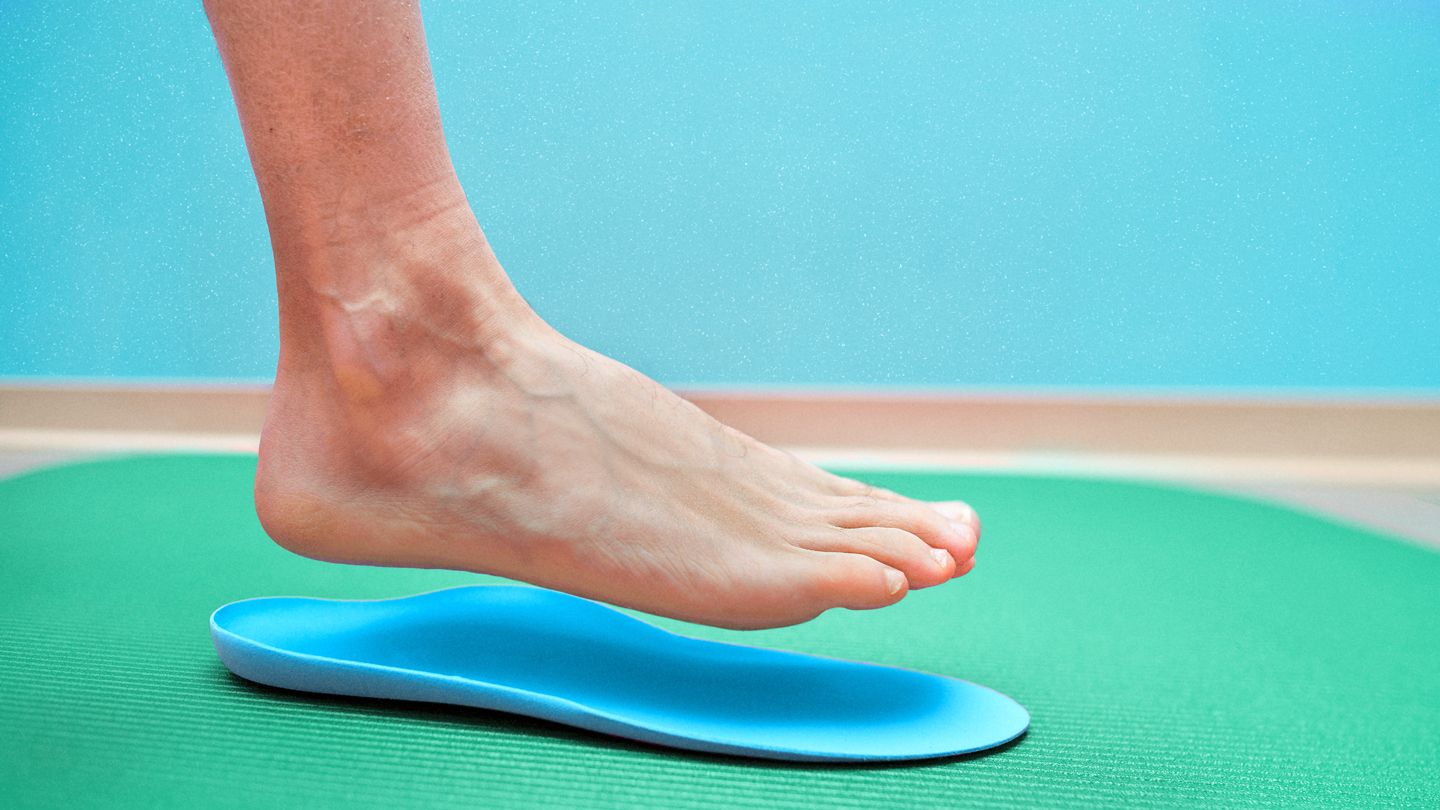
Many supportive shoes come with removable factory insoles. This matters because people with psoriatic arthritis may benefit from over-the-counter inserts or custom orthotics. A shoe with a removable insole gives you space to add support without cramming your foot into a too-tight interior.
Orthotics: Helpful, But Not Magic Wands
Orthotics are shoe inserts designed to support, cushion, align, or redistribute pressure. They may help people with arthritis by reducing stress on painful areas, improving foot position, and protecting prominent joints. Over-the-counter inserts may be enough for mild symptoms. Custom orthotics may be useful when pain is persistent, foot mechanics are complex, or deformity is present.
That said, orthotics must fit both your foot and your shoe. An excellent insert inside a narrow, flimsy shoe is like putting a luxury mattress in a collapsing tent. The shoe and orthotic need to work together.
When custom orthotics may be worth discussing
Talk with a podiatrist or orthopedic specialist if you have recurring heel pain, severe arch pain, toe deformities, ankle instability, pressure sores, calluses from abnormal loading, or shoes that wear unevenly. Custom orthotics may also help if one foot is affected differently from the other, which is common in psoriatic arthritis.
Heel Height: Keep It Low and Stable
High heels shift weight toward the forefoot, increase pressure on toe joints, shorten the Achilles tendon position, and reduce stability. For someone with psoriatic arthritis, this can aggravate pain in the ball of the foot, toes, ankles, and knees. Very flat shoes are not always ideal either, especially if they lack arch support or cushioning.
A low heel, usually under two inches, is often more joint-friendly. Wide block heels, wedges with support, or low dress shoes with cushioning may be better than narrow stilettos or thin flats. The key is stability. If a shoe looks like it could double as a balancing challenge, your inflamed joints may file a complaint.
Pay Attention to Materials and Seams
Psoriatic arthritis often travels with psoriasis, and psoriasis can affect the skin and nails of the feet. Shoes with stiff uppers, rough seams, tight straps, or synthetic materials that trap heat may irritate plaques, blisters, or sensitive toenails.
Choose soft, breathable, flexible uppers that adapt to mild swelling without squeezing the foot. Mesh, soft leather, stretch knit, and padded interiors can be helpful. Avoid hard internal seams over painful joints, bunions, hammertoes, or psoriasis patches.
Adjustability matters
Feet with PsA may swell more at certain times of day or during flares. Adjustable laces, hook-and-loop straps, bungee laces, or zipper closures allow you to modify fit. This is especially useful if your feet are comfortable in the morning but stage a rebellion by late afternoon.
Choose Shoes That Are Easy to Put On
Psoriatic arthritis can affect the hands as well as the feet. If your fingers are stiff, swollen, or painful, tying tiny laces may feel like solving a puzzle designed by someone with no mercy. Shoes with easy closures can reduce strain and make daily routines less frustrating.
Look for slip-resistant pull tabs, elastic laces, side zippers, hook-and-loop straps, or hands-free designs that still provide secure support. Be careful with loose slip-ons, though. If the shoe slides at the heel, your toes may grip to keep it on, increasing forefoot strain.
Shop at the Right Time of Day
Feet often swell as the day goes on, and this can be more noticeable with inflammatory arthritis. Shopping in the afternoon or evening may help you avoid buying shoes that feel fine in the morning but become foot prisons by dinner.
Bring the socks you normally wear. If you use orthotics, bring them too. Walk around the store on a hard surface if possible. Do not assume shoes will “break in” enough to become comfortable. Shoes should feel supportive and comfortable from the start. Breaking in shoes should not feel like negotiating a hostage situation with your toes.
Match the Shoe to the Activity
One pair of shoes rarely does everything well. A walking shoe is designed differently from a trail shoe, work shoe, sandal, or dress shoe. People with psoriatic arthritis should match footwear to the activity because joint stress changes with terrain, speed, and duration.
Walking shoes
Choose cushioned, stable walking shoes with a roomy toe box and firm heel counter. A mild rocker sole may help if the forefoot is painful.
Work shoes
If you stand all day, prioritize shock absorption, arch support, slip resistance, and enough depth for swelling or orthotics. Hard floors demand serious support.
Sandals
Avoid thin flip-flops for long walking. Supportive sandals should have arch support, adjustable straps, a cushioned footbed, and a stable sole.
Dress shoes
Look for low heels, wide toe boxes, padded insoles, and soft uppers. Dress shoes do not have to be orthopedic-looking, but they do have to respect anatomy.
Know What to Avoid
Some shoes are common pain triggers for people with psoriatic arthritis. These include pointed-toe shoes, high heels, thin ballet flats, unsupportive flip-flops, worn-out sneakers, rigid shoes that rub plaques, and shoes without enough room for orthotics. Also be cautious with shoes that are too flexible, too heavy, or too narrow across the midfoot.
Worn-out shoes are especially sneaky. They may look acceptable on the outside while the cushioning and support inside have retired quietly. If the outsole is uneven, the midsole feels compressed, or your pain increases after wearing them, it may be time for a replacement.
When to See a Specialist Before Buying Shoes
If foot pain is new, worsening, or limiting your movement, do not treat shoe shopping as the whole treatment plan. Psoriatic arthritis is an inflammatory condition, and persistent foot symptoms may signal active disease that needs medical attention.
See a rheumatologist, podiatrist, or orthopedic foot and ankle specialist if you have severe swelling, dactylitis, heel pain that does not improve, trouble walking, skin breakdown, numbness, recurring falls, major changes in foot shape, or pain that wakes you at night. Proper medication, physical therapy, bracing, injections, or custom orthotics may be needed along with better shoes.
A Practical Shoe-Buying Checklist for Psoriatic Arthritis
Before buying shoes, ask yourself these questions:
- Does the shoe have a wide and deep toe box?
- Can my toes move without rubbing or crowding?
- Is the heel counter firm and supportive?
- Does the shoe bend at the forefoot instead of collapsing in the middle?
- Is there enough cushioning for hard surfaces?
- Can I remove the insole and use orthotics if needed?
- Does the shoe stay secure without squeezing swollen areas?
- Is the heel low, stable, and comfortable?
- Are the materials soft enough for sensitive skin or nail changes?
- Can I put the shoes on easily during a hand or foot flare?
If the answer to most of these questions is yes, you are probably looking at a more PsA-friendly shoe. If the shoe is gorgeous but fails the checklist, admire it from afar. Some shoes are best enjoyed as sculptures.
Experience-Based Tips for Living With Psoriatic Arthritis and Shoes
People who live with psoriatic arthritis often learn that shoe comfort is not a one-time purchase; it is an ongoing experiment. A pair that feels heavenly during remission may feel impossible during a flare. A shoe that works for walking the dog may not work for standing in a security line, cooking Thanksgiving dinner, or exploring a museum with floors apparently made from ancient punishment stones.
One useful habit is keeping a small rotation of shoes for different symptom days. On a low-pain day, you may tolerate a supportive casual shoe. On a heel-pain day, you may need a cushioned walking shoe with a rocker sole. During toe swelling, a stretch upper or extra-depth shoe may be the only reasonable choice. This rotation prevents you from forcing your feet into one pair no matter what your joints are doing.
Another real-world tip is to track what happens after wearing certain shoes. If your ankles ache every time you wear a particular pair, that is data. If your toes swell after narrow dress shoes, that is also data, even if the shoes were on sale and emotionally persuasive. Keep notes in your phone: shoe name, activity, hours worn, pain level afterward, and any rubbing or swelling. Over time, patterns become obvious.
Socks also matter more than people expect. Seamless socks can reduce irritation over swollen toes or nail changes. Moisture-wicking socks may help reduce friction and skin discomfort. Compression socks may help some people with swelling, but they should not be painfully tight or used without medical advice if circulation problems are present.
At home, many people with PsA do better when they stop walking barefoot on hard floors. Supportive house shoes or recovery sandals with arch support can reduce morning and evening foot strain. This is especially helpful for people with plantar fascia pain or heel enthesitis. The floor may look harmless, but tile has never once cared about your joints.
Breaking in shoes should be gradual. Wear new shoes indoors for short periods before trusting them for a long outing. Check your feet afterward for redness, pressure marks, blisters, or irritated psoriasis plaques. If a shoe creates a hot spot in 20 minutes, it is unlikely to become your best friend after four hours.
Finally, do not wait until shoes are destroyed before replacing them. People with inflammatory arthritis often compensate when shoes lose support, which can strain other joints. If your old shoes lean, squeak, flatten, or suddenly make your knees and hips complain, they may be done. Thank them for their service and move on.
The best shoe strategy for psoriatic arthritis is not about chasing one perfect brand. It is about understanding your foot shape, symptoms, activities, and flare patterns. With the right orthopedic features, shoes can help protect painful joints, support better movement, and make daily life feel less like a negotiation with your feet.
Conclusion
Buying shoes with psoriatic arthritis requires more thought than choosing color, style, or whatever pair happens to be closest to the checkout counter. The best shoes for PsA usually combine a roomy toe box, stable sole, firm heel counter, supportive arch, balanced cushioning, low heel height, soft materials, and enough depth for swelling or orthotics. Rocker soles, custom inserts, and adjustable closures may also help depending on where your pain appears.
Footwear is not a replacement for medical care, but it can be a powerful part of daily symptom management. If pain persists, swelling increases, or walking becomes difficult, a rheumatologist or podiatrist can help you identify whether inflammation, mechanics, deformity, or tendon involvement is driving the problem. Your shoes should help you move through life, not make every step feel like a tiny committee meeting of angry joints.
Note: This article is for general educational purposes and should not replace personalized medical advice from a qualified healthcare professional.

