
Skincare
Object Lessons: The Sheila Maid Clothes Airer
Aug
Some household objects become obsolete because technology genuinely improves on them. Others merely step backstage, wait for fashion to finish showing off, and return when everyone realizes the old idea was rather brilliant. The Sheila Maid clothes airer belongs firmly in the second group.
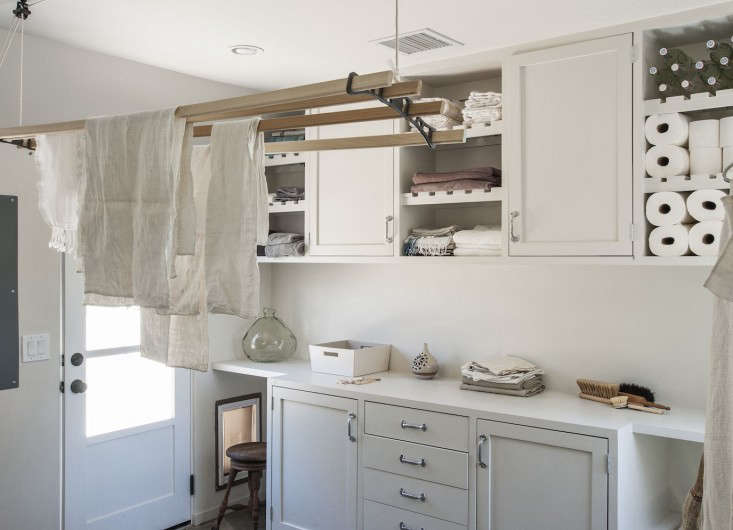
Made from wooden rails, cast-iron ends, rope, and pulleys, this ceiling-mounted drying rack turns unused overhead space into a practical laundry station. It requires no electricity, occupies no permanent floor area, and looks surprisingly handsome while holding a week’s worth of socks. That last achievement should not be underestimated.
Once common in British kitchens, washhouses, and sculleries, the pulley clothes airer disappeared from many homes during the rise of electric dryers. Its modern revival reflects renewed interest in energy-efficient laundry, durable household equipment, and traditional designs that solve real problems without demanding an app, a subscription, or a firmware update.
What Is a Sheila Maid Clothes Airer?
A Sheila Maid is a traditional ceiling clothes airer operated by a rope-and-pulley system. Depending on the region and manufacturer, similar devices may be called pulley airers, kitchen maids, laundry pulleys, clothes maids, creels, or overhead drying racks. In Scotland, many people simply call the entire contraption “the pulley.”
The classic design consists of two decorative cast-iron rack ends joined by several long wooden laths. A single pulley and a double pulley guide the rope, allowing the rack to remain reasonably level as it is lowered for loading and raised toward the ceiling. A wall-mounted cleat secures the rope once the airer reaches the desired height.
Traditional four-rail models are narrow enough for a utility room yet long enough to hold shirts, towels, pants, and smaller linens. Versions are available in different lengths, rail counts, and finishes, so the idea can work in anything from a compact apartment laundry area to a large farmhouse kitchen.
Simple Materials, Clever Engineering
The mechanism is almost comically uncomplicated. Gravity pulls the rack downward, pulleys redirect the lifting force, and a cleat holds everything in place. There is no motor waiting to fail and no control panel determined to communicate exclusively through mysterious blinking lights.
Yet simplicity does not mean carelessness. Wet laundry is heavy, and the system depends on properly secured ceiling hardware. The pulleys must be attached to solid joists, beams, or another load-bearing structure approved for the installation. Once correctly mounted, however, the airer transforms a blank patch of ceiling into valuable working space.
From Household Essential to Forgotten Relic
Overhead clothes airers appeared in European laundry rooms and large estates by the late eighteenth century. Early versions could be basic racks assembled by local craftsmen. By the middle of the nineteenth century, rope-and-pulley models were being manufactured commercially in Britain, Europe, and the United States.
Their popularity was partly a response to climate and architecture. In rainy regions, outdoor clotheslines could not always be trusted. Indoors, kitchens and laundry rooms often contained ranges, stoves, or boilers that created a reservoir of warmer air near the ceiling. Raising wet laundry into that zone helped it dry while keeping it away from people, pets, and everyday work.
The rack was especially useful in crowded homes. Instead of surrendering half a room to a freestanding drying frame, residents could load laundry at waist height and hoist it overhead. The floor remained available for cooking, washing, or preventing children from discovering new and creative ways to trip over undergarments.
Why the Pulley Airer Fell Out of Favor
During the twentieth century, electric and gas clothes dryers became symbols of convenience and modern living. Traditional airers, coal ranges, and other visible reminders of labor-intensive housekeeping began to look old-fashioned. In postwar advertising, the ideal laundry room gleamed with new appliances; rope hanging from a kitchen wall did not fit the picture.
Ceiling racks were removed during renovations or left behind in older properties as architectural curiosities. What had once represented clever efficiency came to represent domestic drudgery. The airer had not stopped working. Its image had simply acquired wrinkles.
The Sheila Maid Revival
In 1986, Sheila Johnston recognized that the old pulley airer still made sense in an era increasingly concerned about energy use and fabric care. She reintroduced the design under the Sheila Maid name, beginning with a four-rail model featuring traditional cast-iron components.
Additional sizes and colors followed as the revived airer found customers beyond Britain. After Johnston retired in 2007, production and distribution moved to Angus, Scotland. The Sheila Maid became both a functioning laundry tool and a recognizable example of traditional British household design.
The name itself helped the revival. “Ceiling-mounted drying apparatus” sounds like something requiring a contractor and a municipal permit. “Sheila Maid” sounds helpful, familiar, and prepared to handle the towels.
Why the Sheila Maid Works So Well
It Uses the Warmest Part of the Room
Warm air generally rises because it is less dense than cooler air. A raised clothes airer takes advantage of the warmer conditions that often exist near the ceiling. Heat alone does not dry fabric, however. Moisture must evaporate into the surrounding air and then be carried away, making ventilation and air circulation equally important.
In a warm, well-ventilated utility room, clothing suspended overhead may dry efficiently without an additional heat source. Results depend on fabric thickness, indoor temperature, relative humidity, spacing, and how much water the washer removed during its spin cycle. A cotton shirt and a folded bath towel will not honor the same timetable.
It Recovers Unused Space
The strongest argument for a ceiling clothes airer may be spatial rather than historical. Most homes have limited floor area but a generous amount of empty air above head height. A pulley rack temporarily occupies that neglected zone and disappears upward when not being loaded.
This makes it valuable in small homes, apartments, mudrooms, laundry closets, and multipurpose kitchens. A freestanding drying rack can block doors, consume a hallway, or become an accidental jungle gym for the cat. A raised Sheila Maid leaves circulation paths clear.
It Uses No Electricity
The rack has no operating energy requirement beyond the modest effort needed to pull the rope. That does not mean every household should abandon its dryer. Modern heat-pump dryers can be substantially more efficient than conventional machines, and powered drying remains useful for urgent loads, bulky bedding, and humid weather.
The Sheila Maid instead offers a practical way to reduce routine dryer use. Air-drying even part of the weekly laundry can lower energy consumption, particularly in households that otherwise run frequent dryer cycles. It also provides a reliable drying option during equipment failures or when electricity costs make every warm drum feel like a tiny financial decision.
It Can Be Gentler on Clothing
Repeated tumbling, high temperatures, and overdrying can contribute to shrinkage, fading, distortion, and fiber wear. Air-drying avoids mechanical agitation and lets delicate items dry at lower temperatures. Stretch-prone sweaters still need to be dried flat, but shirts, jeans, towels, dishcloths, and many everyday garments can be hung from the rails or placed on hangers.
Because shirts can dry on their own hangers, the system may also reduce wrinkles and simplify the trip from laundry basket to closet. It will not eliminate ironing from human civilization, but it can make the ironing board feel slightly less powerful.
Design Value Beyond the Laundry
The Sheila Maid succeeds visually because its appearance follows its function. The wooden rails provide warmth and texture, the cast-iron ends create a strong silhouette, and the pulleys make the mechanism legible. Nothing is pretending to be anything else.
That honesty suits farmhouse, cottage, Victorian, industrial, and traditional interiors, but it can also add character to a modern room. Against plain walls and restrained cabinetry, the airer acts like a piece of suspended sculpturealbeit sculpture that occasionally wears pajama pants.
Available finishes often include neutral creams, dark iron tones, and brighter heritage-inspired colors. Untreated or clear-finished timber can be left natural or coordinated with surrounding woodwork. The wall cleat and exposed rope contribute nautical detail without turning the laundry room into a seafood restaurant.
Choosing the Right Location
Look for Structure First
A suitable ceiling is more important than a photogenic one. The pulleys need secure attachment points capable of supporting the airer and a full load of wet laundry. Drywall, plaster, and decorative ceiling panels are not structural supports. Locate the joists or beams and follow the manufacturer’s installation instructions.
If the available joists do not align with the desired position, an experienced installer may use an appropriate support board or purpose-designed wall brackets. The correct approach depends on the building. Renters should obtain the property owner’s approval before drilling holes overhead.
Measure the Rack’s Entire Operating Area
Measure the proposed rail length, the width of the cast-iron ends, and the clearance required around the rack. Depending on the model, manufacturers may recommend approximately four to six inches of free space on every side. Check for cabinet doors, pendant lights, ceiling fans, smoke alarms, door swings, and tall household members.
The airer also needs a clear route between its lowered loading position and its raised drying position. The rope should travel cleanly through the pulleys without rubbing against the rails or nearby trim. Place the cleat where an adult can reach it comfortably but where children cannot play with the rope.
Prioritize Ventilation
Indoor laundry releases moisture into the air. A kitchen, bathroom, or utility room with an exhaust fan, operable window, or effective HVAC system is therefore preferable to a sealed bedroom or poorly ventilated basement.
The U.S. Environmental Protection Agency recommends keeping indoor relative humidity below 60 percent and ideally between 30 and 50 percent when possible. Condensation on windows, walls, or pipes is a warning that the room needs better ventilation, additional air movement, or dehumidification.
A small hygrometer provides an inexpensive reality check. If humidity climbs while laundry is drying, run an exhaust fan, open a window when conditions permit, use a circulating fan, or operate a dehumidifier. A ceiling airer should produce dry clothes, not an experimental indoor rainforest.
How to Use a Pulley Clothes Airer Efficiently
- Use an effective spin cycle. Removing more water in the washer reduces drying time. Choose a gentler setting for fabrics that could be damaged by high-speed spinning.
- Lower the rack to a comfortable height. Avoid loading it while stretching overhead. The pulleys exist specifically to prevent laundry day from becoming a shoulder workout.
- Distribute weight evenly. Place heavy towels, jeans, and similar items across the rails instead of clustering them at one end.
- Leave space between garments. Airflow matters more than impressive stacking. Overlapping fabric traps moisture and slows evaporation.
- Use hangers strategically. Shirts, dresses, and lightweight pants can dry neatly on sturdy hangers, provided the total load remains within the system’s capacity.
- Raise the rack smoothly. Pull steadily while watching for snagged garments. Secure the rope firmly to the cleat using the recommended method.
- Monitor the room. Improve ventilation if windows fog, the room smells damp, or humidity remains elevated.
Care and Maintenance
A traditional ceiling airer asks for little maintenance, but “little” is not the same as “none.” Inspect the rope periodically for fraying, stiffness, discoloration, or flattened areas. Check that the pulleys turn freely and that mounting hardware remains tight and corrosion-free.
Wipe wooden rails with a dry or barely damp cloth and let them dry completely. Avoid leaving wet fabric permanently folded over one spot. Untreated wooden laths may naturally change color over time; that patina is usually cosmetic, although rough areas should be smoothed carefully to prevent snagging delicate clothing.
Clean painted or finished cast iron according to the manufacturer’s guidance. If rust appears, address it before it transfers to pale fabric. Never exceed the stated load limit, and do not treat the rack as storage for heavy tools, plant pots, or anything else that would make gravity feel challenged.
Living With a Sheila Maid: Practical Experience From Everyday Use
The first surprise after installing a Sheila Maid is not how quickly clothing dries. It is how dramatically the room changes once the laundry leaves the floor. A freestanding rack that previously occupied the center of a utility room can be folded away, and baskets no longer require a carefully choreographed obstacle course. The airer turns vertical space into something useful without making the room feel like a miniature commercial laundry.
The pulley action also introduces a satisfying rhythm. Lower the rack, load the rails, check the weight distribution, and hoist everything toward the ceiling. The process takes a few minutes and soon becomes automatic. There is a small but undeniable pleasure in securing the rope to the wall cleat and watching an entire load rise neatly out of the way. It feels less like operating an appliance and more like being briefly promoted to harbor master.
Lightweight garments usually provide the easiest victory. Shirts placed on hangers dry with fewer creases and can move directly into a closet. Socks and dish towels are simple to drape, while pants benefit from being opened fully rather than doubled over a rail. Towels require more patience and generous spacing. If two thick bath sheets are layered together, they may remain damp long after everything else has declared the job finished.
Room conditions make the largest difference. In a ventilated utility room with moderate warmth, airflow can circulate around raised garments and carry moisture away. In a closed room on a humid day, the same load may dry slowly and leave the windows misted. Running an exhaust fan or dehumidifier can transform the experience. A quiet circulating fan placed safely away from hanging fabric also helps by preventing damp air from lingering around the clothes.
Load balance becomes intuitive after a few attempts. Placing several wet towels on one side can tilt the rack and make lifting awkward. Alternating heavy and light pieces keeps it level. It is also wise to inspect the path upward before pulling the rope. A sleeve caught on a cabinet handle has a remarkable ability to turn a graceful Victorian ritual into slapstick.
The airer gradually changes laundry habits. Instead of automatically transferring every item to a dryer, users begin sorting by need. Bedding or urgent loads may still go into the machine, while shirts, jeans, workout clothes, and household linens rise to the ceiling. This hybrid routine preserves convenience while reducing powered drying.
There are limitations. Low ceilings can restrict usable height, poor ventilation can create moisture problems, and the rack cannot be installed casually into drywall. People with limited grip strength or shoulder mobility may need an adapted winch system or assistance. Long garments also require planning so they do not hang into the workspace below.
Despite these considerations, the strongest long-term impression is that the Sheila Maid feels permanent. Its components are understandable, visible, and repairable. A worn rope can be replaced. Wooden rails can be cleaned or refinished. Hardware can be inspected without consulting an error-code chart. In a home filled with short-lived devices, that durability gives the airer an unexpected emotional appeal.
Conclusion: An Old Object With a Modern Purpose
The Sheila Maid clothes airer is not valuable merely because it looks charming in a carefully styled kitchen. Its history matters because the underlying design remains useful. The rack saves floor space, takes advantage of warmer overhead air, consumes no electricity during operation, and can reduce wear associated with frequent machine drying.
Its return also offers a broader object lesson: progress does not always require replacing a simple tool with a complicated one. Sometimes the most modern choice is an older design reconsidered with better installation, responsible moisture control, and realistic expectations.
For homes with suitable structural support and ventilation, the Sheila Maid can be both working equipment and architectural character. It is practical, repairable, quietly theatrical, and delightfully free of buttons. Pull the rope, tie the cleat, and let physics handle the laundry.

