
Makeup
Migraine self injection pens: Cost, types, and more
Jul
Migraine can turn an ordinary Tuesday into a hostile takeover by nausea, pulsing pain, light sensitivity, and a strong desire to negotiate with the nearest blackout curtain. Oral medication works well for many people, but swallowing or absorbing a tablet may be difficult when an attack causes vomiting or slows digestion. For others, daily preventive pills produce side effects or simply do not provide enough relief.
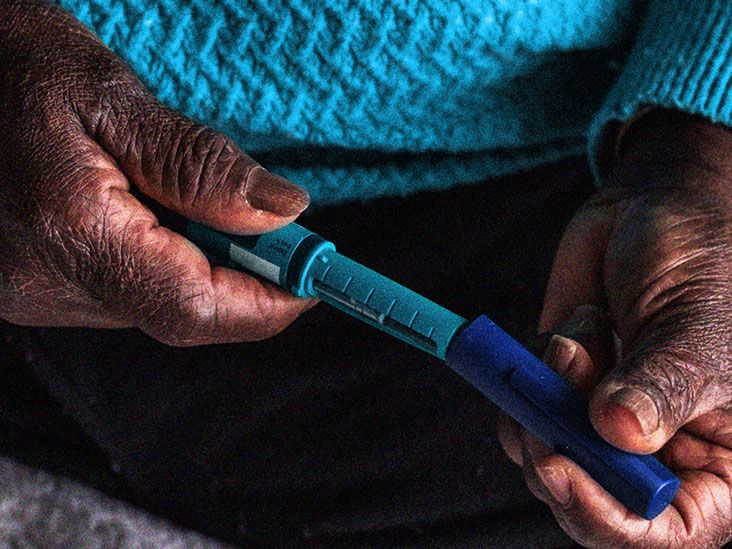
Migraine self-injection pens offer another route. Some are designed to stop an attack that has already started, while others are used monthly or quarterly to reduce the number of future migraine days. They are prescription medicines, usually supplied as ready-to-use autoinjectors with concealed needles.
Migraine is a neurological condition rather than “just a bad headache,” and treatment should be selected according to a person’s symptoms, cardiovascular history, attack frequency, other medications, pregnancy plans, and insurance coverage.
What is a migraine self-injection pen?
A migraine injection pen, more formally called an autoinjector, is a single-use device that delivers medication under the skin. The device usually contains a premeasured dose, so the user does not need to draw medicine from a vial, measure it, or look directly at the needle.
After proper training, the user typically places the pen against an approved injection site and activates it by pressing the device against the skin, pressing a button, or doing both. The mechanism inserts the needle and delivers the dose automatically.
The term “migraine pen” covers two very different treatment strategies:
Acute self-injection pens
Acute injections are used during a migraine attack. Examples include sumatriptan autoinjectors and Brekiya, a dihydroergotamine autoinjector. They are not scheduled preventive treatments.
Preventive self-injection pens
Preventive pens are used regularly even when the person feels well. Aimovig, Ajovy, and Emgality target calcitonin gene-related peptide, or CGRP, a signaling protein involved in migraine pain pathways. These medications aim to reduce future migraine frequency rather than provide immediate rescue relief.
The American Headache Society has stated that CGRP-targeting therapies can be considered a first-line option for migraine prevention. However, insurers may still require prior authorization or proof that other preventive treatments were unsuccessful.
Types of migraine self-injection pens
Aimovig
Aimovig contains erenumab-aooe, a monoclonal antibody that blocks the CGRP receptor. It is approved for preventive treatment of migraine in adults.
Aimovig is injected once monthly. It is available in 70-milligram and 140-milligram SureClick autoinjectors, allowing either dose to be delivered with one pen. A separate prefilled syringe option is also available.
Common adverse effects include injection-site reactions and constipation. Current prescribing information also warns about severe constipation, new or worsening hypertension, allergic reactions, and new or worsening Raynaud’s phenomenon, which can cause painful, cold, or discolored fingers and toes.
Ajovy
Ajovy contains fremanezumab-vfrm, a monoclonal antibody that binds to the CGRP molecule. Adults have two preventive dosing schedules:
- 225 milligrams once monthly
- 675 milligrams every three months, given as three consecutive 225-milligram injections
The quarterly schedule may appeal to someone who would rather organize an injection day four times a year. The trade-off is that each quarterly dose requires three separate injectionsnot one superhero-sized pen.
Ajovy is also approved for preventive treatment of episodic migraine in certain children ages 6 through 17 who weigh at least 45 kilograms, or approximately 99 pounds. Pediatric treatment and self-administration require specific professional guidance.
Injection-site reactions are common. The current U.S. label also includes warnings concerning allergic reactions, severe constipation, hypertension, and Raynaud’s phenomenon.
Emgality
Emgality contains galcanezumab-gnlm, another monoclonal antibody that binds to CGRP. For adult migraine prevention, treatment starts with a 240-milligram loading dose delivered as two consecutive 120-milligram injections. After that, the standard dose is one 120-milligram injection each month.
That first double-injection month is important when estimating cost and arranging insurance approval. Patients should confirm that the pharmacy is dispensing the loading-dose package rather than a single maintenance pen.
Emgality is also approved in a different strength and dosing schedule for episodic cluster headache. The migraine and cluster-headache products should not be treated as interchangeable.
Injection-site pain, itching, and redness can occur. Current prescribing information also warns about hypersensitivity, severe constipation, hypertension, and Raynaud’s phenomenon.
Generic sumatriptan autoinjectors
Sumatriptan is a triptan medication used to treat an acute migraine with or without aura. It does not prevent future attacks. Injectable sumatriptan is often considered when an attack becomes severe quickly, oral medication has not worked reliably, or nausea and vomiting make tablets difficult to use.
Products and device designs vary, but common autoinjector strengths include 4 milligrams and 6 milligrams. A clinician may choose a lower dose for someone who experiences troublesome triptan sensations, such as tingling, warmth, pressure, tightness, or heaviness.
A second dose may sometimes be used at least one hour later when there was a response followed by recurrence. The maximum total subcutaneous dose is generally 12 milligrams in 24 hours, although the instructions for the specific prescribed product always take priority.
Sumatriptan should not be used by certain people with coronary artery disease, previous stroke or transient ischemic attack, peripheral vascular disease, uncontrolled hypertension, or particular migraine subtypes. It also has important interactions with other triptans, ergot medicines, and monoamine oxidase-A inhibitors.
Zembrace SymTouch
Zembrace SymTouch is a branded sumatriptan autoinjector containing 3 milligrams per dose. It is approved for acute treatment of migraine with or without aura in adults and is not a preventive medicine.
The lower amount of sumatriptan may be useful when a clinician wants a nonoral rescue option with less medication per injection. The dose can be repeated at intervals of at least one hour when directed, with a maximum cumulative Zembrace dose of 12 milligrams in 24 hours.
Each device is prefilled, disposable, and intended for one use. Cardiovascular contraindications and drug-interaction restrictions are similar to those of other sumatriptan products.
Brekiya
Brekiya contains 1 milligram of dihydroergotamine mesylate, commonly called DHE, in a ready-to-use autoinjector. The FDA approved it in 2025 for acute treatment of migraine with or without aura and acute cluster headache in adults.
One dose is injected under the skin of the middle thigh. When needed and specifically directed, doses may be repeated at one-hour intervals. The maximum is three doses in 24 hours and six doses within seven days.
Brekiya has a boxed warning because combining DHE with strong CYP3A4 inhibitors can produce dangerous blood-vessel constriction and reduced circulation. Examples include certain macrolide antibiotics, antifungal medicines, and HIV protease inhibitors. It must not be used within 24 hours of a triptan or another ergot-type medicine.
Brekiya is unsuitable for many people with cardiovascular or circulation disorders, uncontrolled hypertension, severe kidney or liver impairment, pregnancy, or certain drug interactions. A cardiovascular evaluation is recommended before treatment, and some patients should take their first dose in a medically supervised setting.
How much do migraine injection pens cost?
Migraine injection costs in the United States can range from tens of dollars to well over $700 per fill. The number printed as a drug’s list price is not necessarily what a patient pays. Actual out-of-pocket cost depends on insurance, deductibles, formulary tiers, prior authorization, manufacturer assistance, pharmacy selection, quantity, and available discounts.
| Medication | Typical use | Approximate U.S. price information |
|---|---|---|
| Aimovig | Monthly prevention | List price is approximately $767.67 per month. Eligible commercially insured patients may currently pay as little as $49 monthly, subject to program limits. |
| Ajovy | Monthly or quarterly prevention | Discount-card cash estimates are around $782 for one 225-milligram autoinjector. A quarterly fill contains three pens and may exceed $2,300 before coverage or discounts. |
| Emgality | Monthly prevention | List price is approximately $763.94 for one 120-milligram pen. Eligible commercially insured patients may pay as little as $35 monthly under current savings terms. |
| Generic sumatriptan autoinjector | Acute treatment | Discounted examples are approximately $38 for one 6-milligram device or about $53 to $55 for a two-device carton, depending on strength and pharmacy. |
| Zembrace SymTouch | Acute treatment | A four-pen carton may have an average retail price near $950, with discount prices around $498. Coverage and manufacturer programs can change the amount substantially. |
| Brekiya | Acute treatment | Distributed through specialty pharmacies. Eligible commercially insured patients may pay as little as $40 for a carton containing four autoinjectors. |
These are approximate July 2026 figures, not guaranteed quotes. Prices can vary by ZIP code and pharmacy, sometimes enough to make comparison shopping feel like an unwanted side quest.
Ways to reduce migraine injection costs
Before paying the pharmacy’s first quoted price, patients can ask the insurer and prescribing office about:
- Prior authorization requirements
- Preferred CGRP medications on the insurance formulary
- Step-therapy rules and documentation of previous treatment failures
- Manufacturer copay cards for commercial insurance
- Patient-assistance programs for eligible uninsured or underinsured patients
- Specialty-pharmacy requirements
- Cash discount prices compared with the insurance copay
- Appeals when a prescribed drug is denied
Manufacturer copay cards generally exclude people enrolled in Medicare, Medicaid, and other government-funded programs. A low advertised copay also has maximum monthly or annual benefits; it is not a promise that every fill will cost the advertised amount forever.
How doctors choose between migraine injection pens
The first question is whether the medication is supposed to prevent attacks or treat one that is already happening. A monthly CGRP injection cannot replace an acute rescue treatment, and an occasional sumatriptan injection cannot provide continuous prevention.
A clinician may consider a preventive pen when migraine attacks are frequent, disabling, prolonged, or poorly controlled by acute medication. Preventive treatment may also be appropriate when acute medications cause side effects, cannot be used safely, or are needed so frequently that medication-overuse headache becomes a concern.
An acute injection may be attractive when attacks escalate quickly, begin upon waking, involve vomiting, or respond inconsistently to oral drugs. Injectable medication bypasses the gastrointestinal tract, although that convenience must be balanced against cardiovascular precautions, injection discomfort, cost, and limits on repeat dosing.
Other deciding factors include constipation history, blood pressure, Raynaud’s symptoms, allergies, heart and vascular conditions, pregnancy or breastfeeding, kidney and liver function, needle anxiety, refrigeration needs, and willingness to follow a recurring injection schedule.
How to use a migraine autoinjector safely
Every device works a little differently, so users should receive hands-on or video training for the exact product prescribed. General steps often include:
- Review the medication name, strength, expiration date, and prescribed schedule.
- Follow storage instructions. Preventive CGRP pens usually require refrigeration, while Brekiya is stored at controlled room temperature.
- Allow a refrigerated pen to reach room temperature for the period stated in its instructions. Do not microwave it, place it in hot water, or attempt to accelerate the process with creative kitchen engineering.
- Inspect the solution. Do not use it if it is cloudy, discolored beyond the permitted appearance, frozen, or filled with particles.
- Wash your hands and clean the approved injection site.
- Avoid skin that is bruised, red, tender, hard, scarred, infected, or irritated.
- Remove the cap only when ready to inject.
- Place and activate the device exactly as shown in its instructions.
- Wait for the required click, window color change, or completion indicator before lifting the pen.
- Place the used device immediately in an FDA-cleared sharps container.
Rotate injection sites to reduce irritation. Abdomen, thigh, or upper-arm options vary by product; some areas may be used only when another person gives the injection. Never reuse or share a pen.
Possible side effects and warning signs
Temporary injection-site pain, redness, itching, swelling, or bruising can occur with most migraine injection pens. A cold pack used after the injection may help, provided the skin is protected with cloth and the medication instructions do not advise otherwise.
Contact a healthcare professional promptly for severe constipation, sustained blood-pressure elevation, worsening circulation symptoms, or an injection reaction that continues to spread or worsen.
Emergency help is appropriate for trouble breathing, swelling of the face or throat, fainting, severe chest pressure, sudden weakness, facial drooping, slurred speech, or other possible signs of anaphylaxis, heart attack, or stroke.
Acute triptan and DHE injections can contribute to medication-overuse headache when used too frequently. A headache diary should record migraine days, injection days, response, recurrence, side effects, and additional rescue medication. The diary is not glamorous, but neither is trying to reconstruct three months of attacks from memory five minutes before a neurology appointment.
Practical experiences with migraine self-injection pens
The first experience with a migraine pen often begins before the cap comes off. A person may read the instructions three times, watch the demonstration video twice, clean a section of thigh large enough to perform minor surgery, and then hold the device in place while reconsidering every life decision that led to this moment. That initial hesitation is common. Autoinjectors are designed to simplify delivery, but a hidden needle is still a needle.
Training changes the experience considerably. Practicing with a demonstration device helps users understand how firmly to press, what the activation click sounds like, how long delivery takes, and what the completed dose window should look like. Knowing what will happen removes much of the suspense. Some people ask a nurse, pharmacist, or family member to supervise the first injection. Others prefer to give the dose themselves because controlling the timing feels less intimidating.
Preventive pens eventually become part of a monthly routine. Users often select an easy-to-remember date, set phone reminders, and arrange refills well in advance. The practical challenge is not always the injection; it may be getting the next pen through prior authorization before the refrigerator shelf becomes suspiciously empty. Maintaining a calendar for refill requests, delivery dates, and dose dates can prevent gaps.
People commonly experiment with injection timing and location within the limits of the product instructions. Some prefer the abdomen because the skin is easier to reach, while others find the thigh more comfortable. Allowing refrigerated medicine to warm naturally may reduce discomfort for certain users. Rotating sites also helps prevent one favorite square inch of skin from becoming the unwilling star of every month.
The experience of an acute injection is different. A sumatriptan or DHE autoinjector may be used while the migraine is escalating, vision is distorted, or nausea is making concentration difficult. Preparation matters. Keeping the device, alcohol wipes, written dosing limits, and a small travel sharps container together can reduce decision-making during an attack. Users should also know in advance which other rescue medicines can be combined and which must be separated by a specific number of hours.
Response varies. Some people obtain rapid, substantial relief; others experience partial improvement, recurrence, or side effects that make a different formulation preferable. A lower-dose sumatriptan pen may feel more tolerable for one patient, while another may need a standard dose. A monthly CGRP medicine may create a dramatic reduction in migraine days for some users but produce only modest improvement for others. Evaluating success therefore requires more than asking, “Did I have any migraines?” Useful measures include attack frequency, severity, duration, ability to work, rescue-medication use, and recovery time.
Cost can shape the experience as strongly as the medication itself. A treatment that works but repeatedly triggers coverage denials creates a different kind of headache. Successful users often learn to coordinate the prescribing office, insurer, manufacturer support program, and specialty pharmacy. Saving approval letters, documenting previous medications, and requesting renewals before expiration can make the process less chaotic.
Finally, emotional adjustment matters. Needing an injectable treatment does not mean migraine has “won,” nor does it mean the condition is unusually hopeless. The pen is simply a delivery tool. Once the first few doses are complete, many users report that the process becomes predictable: clean, place, click, wait, dispose, and return to the far more interesting parts of life.
Frequently asked questions
Do migraine self-injection pens work immediately?
Acute sumatriptan and DHE autoinjectors are intended to treat an existing attack and may begin helping relatively quickly. Preventive CGRP pens do not function as instant rescue medication. Improvement may emerge during the first weeks or months, and clinicians commonly evaluate the pattern across several doses.
Are migraine pens painful?
The injection can cause a brief sting, pressure, or burning sensation. Device design, medication temperature, injection location, skin sensitivity, and anxiety can influence discomfort. Severe or persistent pain should be discussed with the prescriber.
Can a migraine injection be taken with oral migraine medicine?
Sometimes, but the answer depends on the exact drugs. Certain combinations are used together, while triptans and ergot medicines must be separated because of the risk of excessive blood-vessel constriction. A written rescue plan from the prescriber is safer than improvising during an attack.
Can migraine pens be taken on an airplane?
Prescription autoinjectors can generally be carried during travel, but refrigeration, security screening, sharps disposal, and temperature exposure require planning. Keep medication in its labeled packaging and carry a copy of the prescription. Do not place temperature-sensitive medication against loose ice where it might freeze.
What happens if a monthly preventive dose is missed?
Instructions vary. Many CGRP products advise taking the missed dose as soon as possible and scheduling the next dose from that date. Patients should follow the product-specific instructions or contact their pharmacist rather than doubling a dose.
Conclusion
Migraine self-injection pens include both rapid acute treatments and long-acting preventive therapies. Sumatriptan and Brekiya are used during attacks, while Aimovig, Ajovy, and Emgality target the CGRP pathway to reduce future migraine burden.
Generic sumatriptan injections may cost less than branded acute pens, while CGRP preventives often carry prices of several hundred dollars per monthly dose before insurance or assistance. Cost matters, but so do effectiveness, cardiovascular safety, dosing frequency, side effects, storage, and the ability to use the device correctly.
The best option is not necessarily the newest pen, the least expensive pen, or the pen with the most enthusiastic commercial. It is the treatment that fits the person’s migraine pattern, medical history, practical needs, and realistic access to ongoing care.
SEO information

