
Hair Care
Meghan Markle’s One-Pot Spaghetti: I Cracked the Recipe
Aug
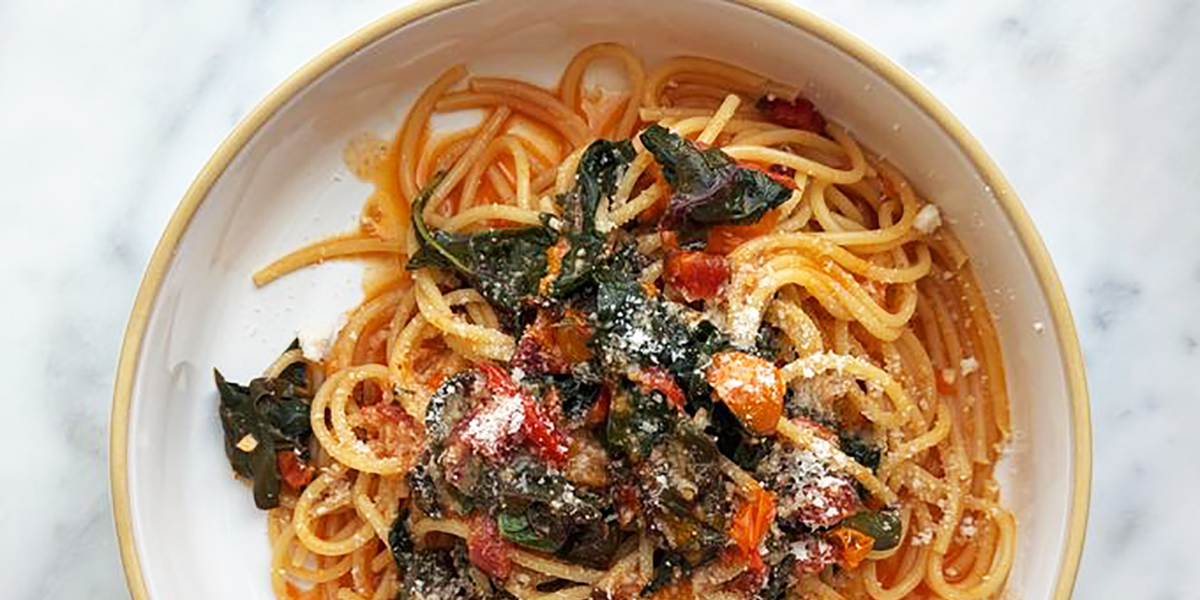
Some recipes arrive quietly. Others burst through the kitchen door wearing linen, carrying heirloom tomatoes, and causing the internet to argue about pasta like it is a constitutional matter. Meghan Markle’s one-pot spaghetti, also known online as her “single skillet spaghetti,” belongs firmly in the second category.
The dish became a talking point after appearing on With Love, Meghan, where Meghan, Duchess of Sussex, demonstrated a relaxed dinner idea built around dry spaghetti, cherry tomatoes, garlic, olive oil, lemon zest, leafy greens, Parmesan, and boiling waterall cooked together in one pan. No giant pot. No draining. No colander doing its best impression of a kitchen waterfall. Naturally, people had opinions.
Traditionalists clutched their pasta forks. Busy home cooks leaned closer. Food writers tested it. Recipe developers tweaked it. And I, armed with tomatoes, skepticism, and a skillet large enough to qualify as a small satellite dish, decided to crack the recipe.
The result? Meghan Markle’s one-pot spaghetti is not just celebrity-food gossip. It is a smart weeknight pasta technique when handled correctly. The secret is not magic. It is starch, heat, salt, fat, and timing. In other words: the pasta was innocent all along.
Why Meghan Markle’s One-Pot Spaghetti Went Viral
Celebrity recipes usually go viral for one of three reasons: they look beautiful, they seem easy, or they make the internet temporarily lose its manners. This one managed all three.
On the surface, the dish is charmingly simple. Instead of cooking pasta in a separate pot of salted water, Meghan layers ingredients in a skillet, pours boiling water over the spaghetti, covers the pan, and lets everything cook together. The tomatoes soften, the garlic perfumes the liquid, the spaghetti releases starch, and the remaining liquid reduces into a light, glossy sauce.
The controversy came from the method. Many people are used to the classic pasta routine: boil pasta separately, reserve pasta water, finish noodles in sauce, and serve quickly before the dish turns into a clump with ambitions. Meghan’s method skips the separate boiling step, which made some viewers call it strange. But one-pan pasta is not new. Similar techniques have been used in Italian cooking, especially in pasta cooked risotto-style, and Martha Stewart helped popularize a one-pan tomato pasta years before this royal-adjacent skillet became internet famous.
What Meghan did well was repackage the idea for a modern weeknight audience. The pitch is irresistible: dinner in about 20 minutes, one pan to clean, fresh vegetables, and enough elegance to make you feel like you did more than panic-cook noodles at 7:42 p.m.
What Is Actually in Meghan Markle’s One-Pot Spaghetti?
The on-screen version is loose rather than a strict measured recipe, which is why so many home cooks have tried to reverse-engineer it. The core ingredients are clear: spaghetti, cherry or baby tomatoes, garlic, olive oil, salt, lemon zest, boiling water, greens such as kale, Swiss chard, and arugula, plus Parmesan and red pepper flakes to finish.
The flavor profile is bright and California-fresh: juicy tomatoes, grassy greens, citrus, heat, salty cheese, and olive oil. It is not a heavy red-sauce spaghetti. It is closer to a garden pasta that accidentally discovered time management.
The Key Ingredients
- Spaghetti: Classic dry spaghetti works best because it releases enough starch to help thicken the sauce.
- Cherry tomatoes: They soften quickly, burst into the cooking liquid, and bring natural sweetness.
- Fresh garlic: Essential. This is not the moment for dusty garlic powder hiding in the back of the cabinet.
- Olive oil: Helps build body and keeps the sauce glossy instead of watery.
- Lemon zest: Adds brightness without making the pasta taste like lemonade got confused.
- Leafy greens: Kale, Swiss chard, arugula, or baby spinach all work, but each behaves differently.
- Parmesan: Adds salt, nuttiness, and sauce-binding power.
- Red pepper flakes: Optional, but highly recommended unless your personality is unsalted butter.
The Science: Why One-Pot Pasta Works
The best argument for Meghan Markle’s one-pot spaghetti is not celebrity glamour. It is kitchen science.
When pasta cooks, it releases starch into the water. In a traditional recipe, much of that starchy water gets drained away, which is why experienced cooks reserve a cup before draining. That cloudy pasta water helps sauces cling to noodles and creates a silky texture when combined with fat and cheese.
In a one-pot pasta recipe, the starch never leaves the pan. Because you use less water than you would in a big boiling pot, the cooking liquid becomes concentrated. As the pasta softens and the water reduces, the starch thickens the sauce. Add olive oil and Parmesan at the right time, and the liquid turns glossy instead of soupy.
The danger is balance. Too much water and the dish becomes pasta soup. Too little water and the spaghetti sticks, scorches, or cooks unevenly. The sweet spot is just enough boiling water to cover the pasta and vegetables, followed by active simmering and occasional stirring.
Meghan Markle’s One-Pot Spaghetti: My Cracked Version
This version keeps the spirit of Meghan’s single skillet spaghetti but improves the flavor with one small move: lightly warming the tomatoes, garlic, and olive oil before adding the pasta and water. It takes a few extra minutes, but the payoff is huge. Garlic becomes sweeter, tomatoes start releasing juice, and the final sauce tastes intentional rather than “I put everything in a pan and hoped the internet was right.”
Ingredients
- 12 ounces dry spaghetti
- 3 1/2 cups boiling water, plus more if needed
- 1 pound cherry tomatoes, halved
- 4 cloves garlic, minced or thinly sliced
- 3 tablespoons extra-virgin olive oil
- 1 1/2 teaspoons kosher salt, plus more to taste
- 1 teaspoon lemon zest
- 1/2 teaspoon red pepper flakes, plus more for serving
- 2 cups chopped leafy greens, such as kale, Swiss chard, baby spinach, or arugula
- 1/2 cup freshly grated Parmesan cheese
- Fresh basil, torn, for serving
- Freshly ground black pepper, to taste
- Optional: 1 tablespoon lemon juice for extra brightness
Instructions
- Choose the right pan. Use a wide, deep skillet or braiser with a lid. The spaghetti should fit flat or nearly flat. If your pan is smaller, break the spaghetti in half. Pasta purists may gasp, but they will recover.
- Start the flavor base. Add olive oil, cherry tomatoes, garlic, and salt to the skillet over medium heat. Cook for 3 to 4 minutes, stirring occasionally, until the tomatoes begin to soften and the garlic smells fragrant.
- Add the pasta. Lay the dry spaghetti over the tomato mixture. Sprinkle lemon zest and red pepper flakes on top.
- Pour in boiling water. Add 3 1/2 cups boiling water. The pasta should be mostly covered. Bring everything to a lively simmer.
- Cover and cook. Cover the skillet and cook for 6 minutes. Stir once or twice so the spaghetti does not glue itself into one dramatic noodle raft.
- Add the greens. Uncover the pan, add the chopped greens, and toss gently with tongs. Continue cooking uncovered for 3 to 5 minutes, until the pasta is al dente and the liquid has reduced into a light sauce.
- Finish with cheese. Turn off the heat. Stir in Parmesan, black pepper, and lemon juice if using. Let the pasta rest for 1 minute so the sauce tightens slightly.
- Serve immediately. Top with basil, more Parmesan, and red pepper flakes. Eat while glossy, hot, and smugly pleased with your one-pan efficiency.
What I Changed and Why It Works Better
1. I Sautéed the Tomatoes and Garlic First
The original approach is extremely simple: ingredients go in, boiling water goes on, lid goes down. That works, but it can taste a little flat if your tomatoes are not peak-season sweet. Giving the tomatoes and garlic a quick head start deepens the flavor without adding another pan. This is the difference between “fresh and fine” and “wait, did I accidentally become a lifestyle brand?”
2. I Reduced the Greens
Using kale, Swiss chard, and arugula can make the dish look abundant, but too many greens compete with the tomatoes and lemon. A mix is fine, but two cups total is enough for balance. Baby spinach makes the softest version. Kale brings chew. Swiss chard adds earthiness. Arugula is best added at the end because cooked arugula can become bossy.
3. I Used Freshly Grated Parmesan
Pre-grated cheese often contains anti-caking agents that can make sauces grainy. Fresh Parmesan melts more smoothly and helps bind the starchy liquid into something creamy. It is a small upgrade with a big return.
4. I Watched the Water Like a Hawk
One-pot spaghetti is not difficult, but it is not completely hands-off. Pasta brands vary, pan sizes vary, and stovetops have their own personalities. If the liquid disappears before the pasta is tender, add a splash of hot water. If the pasta is cooked but the pan looks watery, keep simmering uncovered for another minute or two.
Common Mistakes to Avoid
Using too much water: This is the fastest path to bland pasta. Start with 3 1/2 cups for 12 ounces of spaghetti and add more only if needed.
Walking away: One-pot pasta needs occasional stirring. Otherwise, the spaghetti may clump together like it is forming a union.
Adding cheese too early: Parmesan behaves best off the heat or at very low heat. Add it at the end for a smoother sauce.
Forgetting salt: Since you are not boiling pasta in a large pot of salty water, seasoning must happen inside the skillet. Salt the tomatoes and liquid carefully, then adjust at the end.
Overloading the pan: A wide skillet matters. If the pan is crowded, the pasta cooks unevenly and the liquid cannot reduce properly.
Best Variations for Meghan Markle’s One-Pot Spaghetti
Protein Boost
Add grilled chicken, shrimp, chickpeas, or white beans. Chickpeas are especially good because they fit the fresh, vegetable-forward personality of the dish and make it more filling.
Extra Creamy Version
Stir in a tablespoon of butter with the Parmesan. It is not strictly necessary, but it adds richness and makes the sauce silkier. Meghan’s version aims for creaminess without cream, but your skillet, your rules.
Vegetarian Dinner Party Version
Use heirloom cherry tomatoes, baby spinach, basil, toasted pine nuts, and extra lemon zest. Serve with a crisp salad and garlic bread. Suddenly, one-pot pasta becomes “casual entertaining,” which is just dinner wearing earrings.
Spicy Tomato Version
Double the red pepper flakes and add a spoonful of tomato paste when sautéing the garlic. This gives the pasta a deeper red color and a bolder flavor.
What to Serve With One-Pot Spaghetti
This pasta is light, bright, and vegetable-heavy, so it pairs well with simple sides. A green salad with lemon vinaigrette works beautifully. Garlic bread is never wrong. Roasted salmon, grilled chicken, or sautéed shrimp can turn it into a more complete meal. For a vegetarian spread, serve it with white beans, burrata, or roasted zucchini.
For drinks, try sparkling water with lemon, iced tea, crisp white wine, or a light rosé. Basically, anything that says “sunny lunch” rather than “winter stew and a blanket.”
Storage and Reheating Tips
One-pot spaghetti is best eaten immediately because the sauce thickens as it sits. However, leftovers can still be delicious. Store them in an airtight container in the refrigerator for up to three days. Reheat gently in a skillet with a splash of water or broth to loosen the sauce. Avoid microwaving it dry, unless you enjoy pasta shaped like a beige paperweight.
If packing leftovers for lunch, add a small drizzle of olive oil and a squeeze of lemon after reheating. Fresh basil also helps revive the flavor.
My Experience Cracking Meghan Markle’s One-Pot Spaghetti
The first time I tried to recreate Meghan Markle’s one-pot spaghetti, I was suspicious. Not hostile, just suspicious in the way any pasta lover becomes suspicious when someone says, “Don’t worry, you don’t need the big pot.” The big pot has been with us through hard times. It has boiled water faithfully. It has fogged up kitchen windows. It deserved respect.
I started with the simplest version: tomatoes, garlic, olive oil, salt, spaghetti, lemon zest, boiling water, greens, and Parmesan. It looked promising at first. Then, about five minutes in, the skillet entered what I call the “questionable swamp phase.” The tomatoes were floating, the pasta was stiff in places, and the greens waited on the cutting board like they had seen enough.
But then the transformation happened. The spaghetti softened, the water turned cloudy, and the tomatoes began collapsing into the sauce. Once I stirred in Parmesan, the whole pan suddenly made sense. The sauce was not heavy, but it clung to the noodles. The lemon lifted the tomatoes. The red pepper flakes gave it a little sparkle. It was not the richest pasta I had ever eaten, but it was fresh, fast, and far better than the online drama suggested.
Still, I understood why some people found it bland. If your tomatoes are dull, your garlic is underpowered, or your cheese is timid, the dish can taste polite. Polite pasta is fine, but nobody writes love songs about it. That is why I began making small changes. First, I sautéed the tomatoes and garlic before adding the spaghetti. That single tweak made the biggest difference. The garlic mellowed, the tomatoes became sweeter, and the olive oil picked up real flavor before the water entered the chat.
Next, I experimented with greens. Swiss chard looked beautiful, especially the colorful stems, but the stems needed more time than the leaves. Kale added structure, but too much made the dish feel like it was trying to win a wellness award. Arugula was lovely fresh but slightly bitter when cooked too long. My favorite everyday version uses baby spinach or thinly sliced kale, with fresh arugula scattered on top at the end.
The water ratio was the real puzzle. Too much water made the pasta taste diluted. Too little made the noodles cling to each other like nervous party guests. For 12 ounces of spaghetti, 3 1/2 cups of boiling water was the most reliable starting point in a wide skillet. I kept extra hot water nearby, not because the recipe is fragile, but because pasta is a living negotiation between starch and heat.
By the third test, I had the rhythm down: soften the tomatoes, add pasta, pour water, cover, stir, uncover, reduce, finish with cheese. It felt less like a stunt and more like a practical technique. The cleanup was blissfully minimal. One cutting board, one skillet, one pair of tongs. My sink looked calm. My dinner tasted bright. My inner pasta traditionalist stopped muttering.
So, did I crack Meghan Markle’s one-pot spaghetti? Yesand the secret is treating it like a real pasta dish, not a viral shortcut. Use good tomatoes. Season confidently. Let the starch do its job. Finish with cheese off the heat. Serve immediately. And do not apologize for cooking pasta in one pan. The skillet has earned its tiara.
Conclusion
Meghan Markle’s one-pot spaghetti works because it combines convenience with a legitimate pasta technique: cooking noodles in a small amount of flavorful liquid so the starch becomes part of the sauce. The dish is quick, fresh, flexible, and ideal for busy weeknights. It also proves that not every viral celebrity recipe deserves instant mockery. Some deserve a skillet, a little patience, and a mountain of Parmesan.
The cracked version improves the original idea by lightly sautéing the tomatoes and garlic, using the right amount of water, keeping the greens balanced, and finishing the pasta with fresh Parmesan and basil. The result is a bright tomato-garlic one-pot spaghetti that tastes intentional, not accidental.
If you want a low-effort dinner that still feels polished, this recipe belongs in your rotation. It is not traditional spaghetti marinara. It is not creamy Alfredo. It is something lighter, quicker, and surprisingly satisfying. Best of all, it leaves you with fewer dishes, which may be the most royal luxury of all.
Note: This article is based on synthesized public food coverage, recipe testing analysis, and practical home-cooking techniques. The recipe below is an original reconstructed version inspired by Meghan Markle’s widely discussed one-pot spaghetti, not an official published royal recipe.
SEO Metadata

