
Makeup
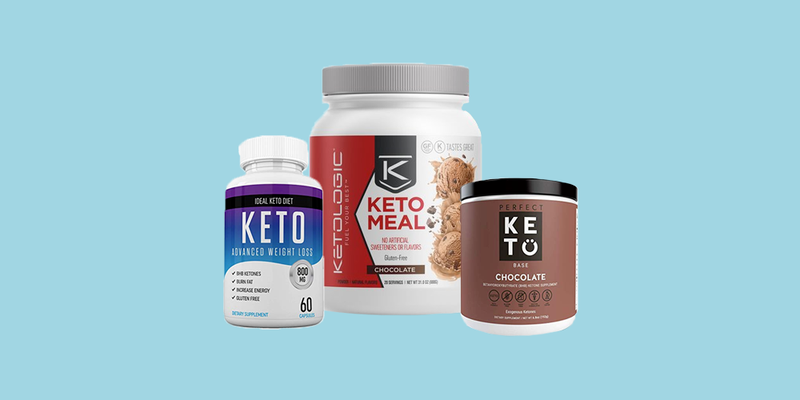
Keto Diet Pills and Supplement Hurt Your Health and Waste Your Money
Jul
Note: This article is for general educational purposes and should not replace medical advice. Anyone considering weight-loss supplements, especially people with diabetes, heart disease, high blood pressure, kidney disease, liver disease, pregnancy, or prescription medications, should speak with a qualified health care professional first.
Keto diet pills promise the dream version of weight loss: swallow a capsule, keep eating bacon like it owes you money, and watch body fat politely pack its bags. It sounds convenient, modern, and just scientific enough to make the label look smarter than your grocery list. Unfortunately, the reality is much less glamorous. Most keto pills and weight-loss supplements are built on shaky evidence, aggressive marketing, and the eternal human desire to skip the hard part.
The basic idea behind keto is not magic. A ketogenic diet is a very low-carbohydrate, high-fat eating pattern that pushes the body toward ketosis, a metabolic state in which fat-derived ketones become a major fuel source. A medically supervised ketogenic diet may have legitimate uses, especially in certain epilepsy treatments, and some people use low-carb eating for short-term weight loss. But keto pills are different. They are usually dietary supplements, not prescription medications, and they do not recreate the full biological effect of a well-planned diet, exercise, sleep, and calorie control.
The bigger problem is that many keto supplements are sold with promises that sound less like nutrition and more like carnival magic. “Burn fat fast.” “Melt belly fat.” “Get into ketosis without dieting.” “Lose weight while eating anything.” If a bottle promises to override human metabolism for $39.99 plus shipping, handling, and emotional damage, it deserves a very suspicious eyebrow.
What Are Keto Diet Pills, Really?
Keto diet pills are usually marketed as supplements that help the body enter ketosis, burn fat, reduce appetite, or increase energy. Common versions include BHB ketone salts, exogenous ketones, MCT oil capsules, apple cider vinegar gummies, caffeine-heavy “fat burners,” electrolyte blends, and mysterious proprietary formulas with ingredient lists that read like a chemistry quiz wearing yoga pants.
BHB stands for beta-hydroxybutyrate, one of the ketones your body naturally produces during ketosis. Some keto pills contain BHB attached to minerals such as sodium, calcium, magnesium, or potassium. The theory is simple: if ketones are present during ketosis, taking ketones must create the same fat-burning effect. That sounds logical until you remember that wearing a chef’s hat does not make dinner cook itself.
Exogenous ketones may temporarily raise blood ketone levels. That does not automatically mean your body is burning more body fat. You can have ketones in your bloodstream because you drank them, not because your body broke down stored fat. In other words, the supplement may change a number on a ketone meter while your actual fat-loss progress remains as dramatic as a parked minivan.
The Biggest Myth: “Ketosis in a Bottle”
The core sales pitch for many keto supplements is that they can put you into ketosis without the dietary discipline of keto. But ketosis from a diet happens because carbohydrate intake is low enough that the body shifts fuel sources. A pill cannot cancel out a high-carb diet, frequent snacking, oversized portions, sugary drinks, and low activity.
Even if a keto pill raises ketone levels for a short period, that is not the same as sustained nutritional ketosis. It also does not guarantee a calorie deficit, which remains central to weight loss for most people. Body fat does not leave simply because a supplement label used the word “advanced.”
This is where marketing gets slippery. Many brands imply that ketones equal fat loss. But ketones are fuel. If you drink ketones, your body may use those ketones for energy before it taps into stored fat. That is not a fat-burning shortcut; it may simply be an expensive way to add another energy source to your day.
Why Keto Pills Often Waste Your Money
1. The Evidence Is Weak for Long-Term Weight Loss
Most weight-loss supplements, including products dressed up in keto branding, lack strong evidence for healthy, long-term weight loss. Some ingredients have small studies, short trials, mixed results, or research designs that make big claims impossible. Many products contain multiple ingredients, so even if one ingredient shows a minor effect, it is hard to know what the finished product actually does.
That matters because real weight loss is not about dropping two pounds of water before Friday. It is about improving body composition, metabolic health, eating patterns, and daily habits over time. A supplement that gives a temporary scale change but fails to support lasting behavior change is not a solution. It is a rental costume for motivation.
2. “Proprietary Blend” Can Mean “Good Luck, Detective”
Many supplement labels hide behind proprietary blends. This may allow a company to list ingredients without clearly showing exact amounts of each one. For consumers, that is a problem. You may not know how much caffeine, stimulant-like compounds, minerals, laxative-like ingredients, or herbal extracts you are taking.
That uncertainty becomes even more concerning if you take medications or have a health condition. A person with high blood pressure, diabetes, kidney disease, anxiety, heart rhythm issues, or liver problems should not be gambling with a mystery blend because an influencer filmed a cheerful unboxing video next to a houseplant.
3. The Subscription Trap Is Real
Keto pills are often sold through “free trials,” countdown timers, fake celebrity endorsements, and bundles that magically become more expensive at checkout. Some customers sign up for what appears to be a small purchase and later discover recurring charges, multiple bottles, cancellation headaches, or customer service that vanishes like socks in a dryer.
From an SEO standpoint, people search for “keto diet pills scam” for a reason. The supplement market is crowded with aggressive offers that rely on urgency instead of evidence. When the sales page pushes harder than a used-car commercial, pause before entering your card number.
How Keto Supplements May Hurt Your Health
Digestive Problems
One of the most common complaints linked to keto supplements is digestive discomfort. BHB salts, MCT oil, sugar alcohols in gummies, apple cider vinegar products, and stimulant blends may cause nausea, bloating, cramping, diarrhea, or stomach upset. That is not “detox.” That is your gastrointestinal system writing a strongly worded letter.
Some people tolerate these ingredients in small amounts. Others find that even one serving sends them sprinting toward the nearest bathroom with Olympic-level determination. The risk increases when people take multiple products at once, double the serving size, or combine supplements with a very low-carb diet that already changes digestion.
Electrolyte and Mineral Concerns
Ketone salts are often bound to minerals such as sodium, potassium, calcium, or magnesium. That sounds healthy because electrolytes are essential. But more is not always better. Excess sodium may be a concern for people with high blood pressure or heart disease. Too much potassium can be risky for people with kidney problems or those taking medications that affect potassium levels. Too much magnesium can cause diarrhea and other side effects.
The issue is not that minerals are bad. The issue is that supplement dosing can stack up quickly, especially when someone is also using electrolyte drinks, multivitamins, protein powders, pre-workout products, or a heavily fortified diet. Your body is not a spreadsheet where more inputs always produce better outputs.
Blood Sugar Risks
Keto dieting and ketone supplements can affect blood sugar. For someone without diabetes, this may be mild. For people using insulin or glucose-lowering medication, changes in carbohydrate intake, appetite, eating patterns, and supplement use can increase the risk of low blood sugar or unstable readings.
People with diabetes should be especially careful with keto products. A true ketogenic diet may require medical supervision, medication adjustments, and monitoring. A random bottle from an online ad cannot provide that. It also will not call your doctor, check your labs, or notice warning signs while you are busy believing the label’s “clinically inspired” font.
Heart, Liver, and Kidney Concerns
Weight-loss supplements have a history of safety issues, including hidden stimulants, undeclared drug ingredients, and products linked to liver injury or cardiovascular symptoms. Not every keto supplement is contaminated or dangerous, but the category deserves caution because dietary supplements do not go through the same premarket approval process as prescription drugs.
For people with kidney disease, high mineral loads and dehydration risk may be problematic. For people with liver disease, multi-ingredient supplements can add unnecessary strain. For people with heart rhythm problems or high blood pressure, stimulant-heavy “fat burners” may cause jitters, palpitations, or increased heart rate.
Contamination and Hidden Ingredients
One of the most serious concerns in the weight-loss supplement world is contamination. Some products marketed for weight loss have been found to contain undeclared prescription drugs, illegal ingredients, or toxic substances. The danger is not just that the product may fail. It may contain something you never agreed to take.
Recent FDA warnings about certain weight-loss supplements substituted with toxic yellow oleander are a reminder that “natural” does not mean safe. A plant can be natural and still be a terrible idea. Poison ivy is natural. So is a cactus. You would not rub either one into your breakfast smoothie and call it wellness.
Marketing Tricks That Make Keto Pills Look Better Than They Are
Fake Before-and-After Photos
Before-and-after photos are powerful because they feel personal. But they can be staged, edited, borrowed, manipulated with lighting, or paired with results from dieting and exercise that had little to do with the supplement. A person can look dramatically different by changing posture, hydration, clothing, lighting, and facial expression. The supplement gets the credit, while the photographer gets away with sorcery.
Celebrity Endorsement Bait
Many keto pill ads use fake celebrity stories, fake news pages, or misleading “as seen on” claims. Shark Tank is a common favorite in scam-style ads. The goal is to borrow trust from a familiar name, then rush consumers into buying before they investigate. If a celebrity endorsement is real, it should be easy to verify from the celebrity, company, or reputable media coverage. If it only appears on a sketchy landing page with a countdown timer, do not let your wallet volunteer as tribute.
Scientific-Sounding Language
Words like “thermogenic,” “ketogenic,” “metabolic support,” “fat oxidation,” and “advanced BHB technology” sound impressive. Some are real scientific terms. But real terms can still be used in misleading ways. A label can sound technical without proving that the product causes meaningful fat loss in real humans living real lives with jobs, stress, snacks, and birthdays.
Who Should Be Especially Cautious?
Some people should be particularly careful with keto diet pills and weight-loss supplements. This includes people who are pregnant or breastfeeding, teenagers, older adults, people with diabetes, people with kidney or liver disease, people with heart disease, people with high blood pressure, people with eating disorder history, and anyone taking prescription medications.
Teens are an especially important group. Weight-loss supplements can encourage unhealthy body image, restrictive behavior, and dangerous experimentation. Adolescents need nutrition that supports growth, hormones, bones, mood, and sports performance. A stimulant gummy with a beach-body slogan is not health education.
What Actually Works Better Than Keto Pills?
A Sustainable Calorie Deficit
Weight loss usually requires a consistent calorie deficit, but that does not mean starvation or misery. It means finding an eating pattern you can repeat. Protein-rich meals, high-fiber foods, fruits, vegetables, whole grains, beans, nuts, lean meats, yogurt, and healthy fats can help manage hunger while supporting overall health.
Strength Training and Daily Movement
Exercise does not need to be theatrical. You do not have to flip tires in a warehouse while someone yells motivational phrases over techno music. Walking, resistance training, cycling, swimming, dancing, gardening, and short movement breaks all count. Strength training is especially helpful because preserving muscle can support metabolism, function, and long-term weight maintenance.
Sleep and Stress Management
Poor sleep and chronic stress can increase hunger, cravings, fatigue, and emotional eating. No keto capsule can fully compensate for four hours of sleep and a nervous system running like a browser with 47 tabs open. Improving sleep routines, reducing late-night scrolling, and managing stress may not sound flashy, but they work better than most “miracle” products.
Medical Support When Needed
For some people, especially those with obesity-related conditions, evidence-based medical treatment may be appropriate. That could include registered dietitian counseling, behavioral therapy, lab testing, treatment for sleep apnea, medication prescribed by a clinician, or bariatric surgery evaluation. These options are not shortcuts. They are structured tools with professional oversight.
How to Evaluate a Keto Supplement Before Buying
If you are still considering a keto pill, slow down and investigate it like you are hiring a babysitter for your metabolism. Look for independent third-party testing from organizations such as USP, NSF, or ConsumerLab. Check whether the company clearly lists ingredient amounts. Search for FDA warnings, FTC actions, complaints, and refund problems. Avoid products that promise effortless weight loss, huge results in days, or permanent fat loss without lifestyle changes.
Also ask one simple question: “What would I do differently if I did not buy this?” If the answer is “eat better, walk more, plan meals, sleep earlier, and save money,” congratulationsyou found the actual plan hiding behind the marketing fog.
Experience Section: What People Often Learn After Trying Keto Pills
Many people who try keto diet pills start with hope, not foolishness. That matters. The average buyer is not lazy or gullible. They are tired. Tired of confusing nutrition advice, tired of losing and regaining weight, tired of seeing dramatic transformations online, and tired of feeling like the body has become a group project where nobody else is helping. A keto pill looks like a small door out of a frustrating room.
The first experience is often excitement. The bottle arrives with shiny packaging, dramatic words, and instructions that seem simple. For a few days, the person feels motivated. They drink more water, skip dessert, check the scale, and maybe even feel a little lighter. But here is the sneaky part: early weight changes often come from reduced carbohydrates, water loss, smaller portions, or the motivational effect of starting something new. The pill gets applause for work done by behavior changes.
Then the side effects may show up. Some users report stomach cramps, bathroom emergencies, bad breath, headaches, jitters, or sleep problemsespecially when the supplement includes caffeine or is combined with strict low-carb eating. Others feel nothing at all except disappointment and a monthly charge. The product that looked exciting on day one starts to resemble an expensive mint with worse customer service.
The next lesson is usually financial. A single bottle may not seem outrageous, but supplement plans often encourage bundles, auto-ship subscriptions, “maximum strength” upgrades, companion detox products, or electrolyte add-ons. Suddenly, the consumer is spending enough money each month to buy groceries, walking shoes, meal-prep containers, a gym membership, or sessions with a registered dietitian. The opportunity cost is real. Money spent chasing a shortcut cannot be spent building a system that actually helps.
Another common experience is emotional whiplash. When the promised results do not happen, people often blame themselves. They think they lacked discipline, chose the wrong brand, or need a stronger formula. That shame is useful to marketers because it keeps customers shopping. But the failure is not personal. A weak product with exaggerated claims is still weak, even if the label has lightning bolts and a doctor-looking person in a white coat.
People who eventually succeed with weight management often describe a different turning point. They stop asking, “Which pill burns fat?” and start asking, “What habits can I repeat when life gets annoying?” They build breakfasts with protein. They keep easy meals at home. They walk after dinner. They lift weights twice a week. They stop drinking calories they do not enjoy. They make room for favorite foods without turning every cookie into a moral crisis. Progress becomes less dramatic but more durable.
The honest experience is this: keto pills may create a feeling of action, but action is not the same as results. Real health changes are usually boring in the beginning and powerful over time. A supplement bottle can shout. A habit whispers. But the habit is the one that stays after the marketing noise leaves.
Conclusion: Skip the Hype, Keep Your Money, Protect Your Health
Keto diet pills and supplements are marketed as modern fat-loss tools, but most are better understood as expensive promises with uncertain benefits and real risks. Some may cause digestive problems, interact with medications, affect electrolytes, worsen health concerns, or expose consumers to contaminated products. Many simply fail to deliver meaningful, long-term weight loss.
The smartest approach is not to chase ketosis in a bottle. It is to build a weight-management strategy that respects your body, your schedule, your medical history, and your budget. Food quality, calorie awareness, protein, fiber, movement, sleep, stress management, and professional guidance may sound less glamorous than “advanced keto burn,” but they have one major advantage: they are connected to reality.
If a keto pill promises effortless results, treat it like a suspicious email from a prince offering free treasure. Smile, back away slowly, and keep your credit card safe.

