
Skincare
How to Tape a Knee: Techniques for Pain, Stability, and Support
Jun
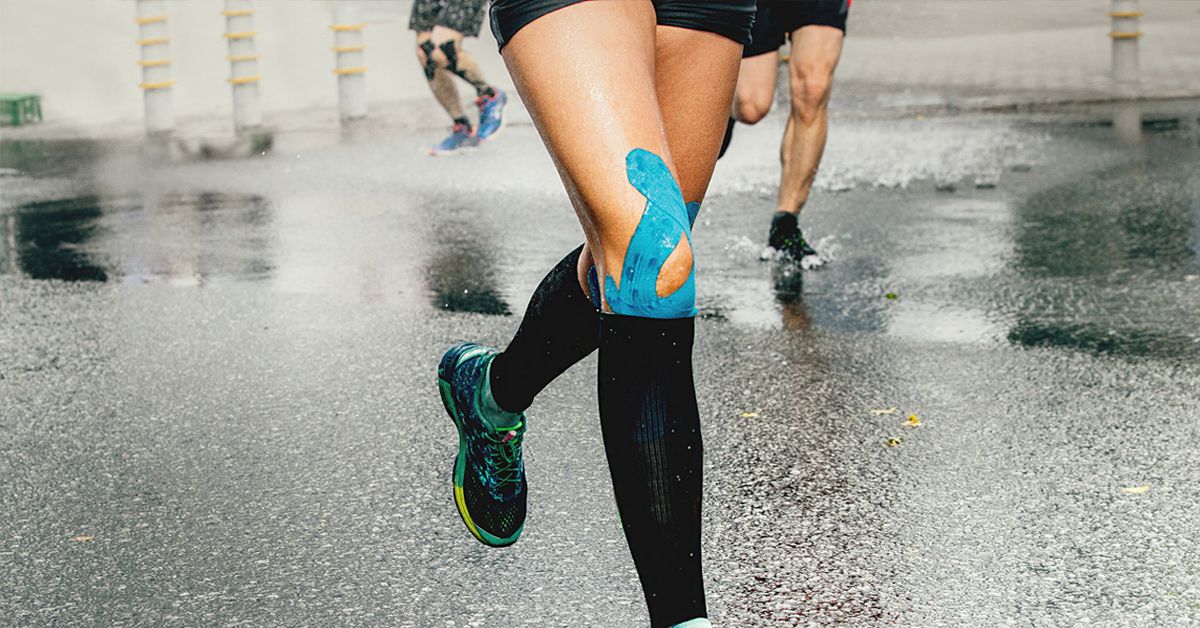
Knee pain has a special talent for showing up at the worst possible moment: halfway through a run, three steps into a staircase, or right when you confidently announce, “I’m getting back in shape.” The good news is that knee taping can be a practical, low-cost way to add support, improve body awareness, and reduce discomfort during daily activity or exercise. The less glamorous news? Tape is not a magical orthopedic superhero cape. It works best when used correctly, for the right reason, and alongside smart movement, strengthening, rest, andwhen neededmedical guidance.
This guide explains how to tape a knee for pain, stability, and support using common techniques such as kinesiology taping, patellar taping, McConnell-style taping, and light stability taping. You will learn what tape to use, how to prepare your skin, when taping may help, and when your knee deserves more than colorful strips of sticky optimism.
What Does Knee Taping Actually Do?
Knee taping is used in sports medicine, physical therapy, and at-home self-care to provide temporary support around the knee joint. Depending on the technique, tape may help guide kneecap movement, reduce strain on irritated tissues, improve proprioception, and remind you not to move like you are auditioning for a stunt scene.
The knee is a complex joint made up of bones, cartilage, ligaments, tendons, muscles, and fluid. Pain may come from many causes, including patellofemoral pain syndrome, mild sprains, tendon irritation, arthritis, overuse, or poor movement mechanics. Taping does not “fix” these problems by itself, but it may make movement more comfortable while you address the root cause.
Main Benefits of Knee Taping
- Pain relief: Tape may reduce discomfort by changing pressure around the kneecap or irritated soft tissue.
- Support: Certain taping patterns can provide a feeling of extra stability during walking, squatting, running, or sports.
- Improved awareness: Tape gives your nervous system feedback, helping you notice knee position and movement.
- Patellar tracking support: Some techniques help guide the kneecap so it moves more comfortably in its groove.
- Confidence: Feeling supported can make gentle activity less intimidating after minor irritation.
Think of knee tape as a helpful assistant, not the boss. If your knee pain is caused by weak hips, tight quads, poor ankle mobility, or doing too many hill sprints after three months of couch-based research, tape may help temporarilybut the long-term solution still involves proper conditioning.
Types of Tape Used for Knee Support
Before learning how to tape a knee, it helps to know the difference between the main types of tape. Choosing the wrong tape is like bringing a pool noodle to a snowball fight: technically an object, but not the right object.
Kinesiology Tape
Kinesiology tape is stretchy, flexible, and often brightly colored. It moves with the body and is commonly used for general knee pain, swelling support, patellar tracking, and proprioception. It can usually stay on for several days if applied to clean, dry skin.
Rigid Athletic Tape
Rigid sports tape does not stretch much. It is used when stronger mechanical support is needed, such as with McConnell-style patellar taping. Because it can pull firmly on the skin, it is often applied over protective underwrap or hypoallergenic tape.
Elastic Adhesive Bandage
Elastic adhesive bandage provides compression and moderate support. It may be used for light stability taping, but it should never be wrapped so tightly that it affects circulation.
Before You Tape: Safety First
Knee taping is generally safe for many people, but it is not appropriate in every situation. Do not tape over open wounds, rashes, infected skin, fresh surgical incisions, or areas with unexplained swelling. Avoid taping if you have a known adhesive allergy, fragile skin, poor circulation, or numbness unless a healthcare professional approves it.
Seek medical care instead of taping and “seeing how it goes” if your knee pain follows a major injury, you heard a pop, the knee swelled suddenly, you cannot bear weight, the joint looks deformed, you have fever or redness, or you suspect a blood clot. Tape is great for support; it is terrible at replacing an X-ray, MRI, or qualified clinician.
How to Prepare Your Knee for Taping
Good taping begins before the first strip goes on. Poor preparation leads to peeling tape, irritated skin, and the classic mid-workout flap that makes your knee look like it is waving for help.
Preparation Steps
- Clean the skin: Wash the area with mild soap and water, then dry completely.
- Skip lotion: Oils and moisturizers prevent tape from sticking properly.
- Trim excess hair: You do not need to shave, but trimming helps adhesion and removal.
- Round the corners: Cut tape corners into curves to reduce peeling.
- Test your skin: Apply a small piece first if you are sensitive to adhesives.
- Position the knee: Most techniques work best with the knee slightly bent, around 20 to 45 degrees.
Technique 1: Kinesiology Tape for General Knee Pain
This technique is useful for mild anterior knee pain, general soreness, and support during walking or low-impact exercise. It gives the knee a gentle “hug” without locking the joint down like a medieval drawbridge.
What You Need
- Two strips of kinesiology tape, each about 8 to 10 inches long
- One optional short strip, about 4 to 5 inches long
- Scissors
Step-by-Step Instructions
- Sit with your knee bent at about 45 degrees.
- Take the first long strip and tear the backing near one end to create an anchor.
- Place the anchor on the outer lower side of the knee, below the kneecap, with no stretch.
- Apply the middle of the tape with light to moderate stretch, curving it around the kneecap toward the inner thigh.
- Lay the final anchor down with no stretch.
- Repeat with the second strip on the opposite side, creating a supportive frame around the kneecap.
- If desired, place the short strip horizontally below the kneecap over the patellar tendon with mild stretch in the center and no stretch at the ends.
- Rub the tape gently to activate the adhesive.
The tape should feel supportive, not restrictive. If your foot tingles, your skin changes color, or the tape feels like a tiny boa constrictor, remove it immediately.
Technique 2: Patellar Taping for Runner’s Knee
Runner’s knee, often associated with patellofemoral pain, usually causes dull pain around or behind the kneecap. It may flare during stairs, squats, running, kneeling, or sitting for long periods. Patellar taping aims to guide the kneecap and reduce stress during movement.
Best For
- Pain around the kneecap
- Discomfort going up or down stairs
- Mild patellar tracking problems
- Support during rehab exercises
Step-by-Step Kinesiology Patellar Support
- Cut one long strip of kinesiology tape and split it lengthwise from one end, leaving a 2-inch base uncut. This creates a Y-strip.
- Place the uncut base a few inches above the kneecap with no stretch.
- Bend the knee slightly.
- Run one tail around the inner side of the kneecap and the other tail around the outer side, forming a horseshoe shape.
- Apply light to moderate stretch around the kneecap but keep the final ends stretch-free.
- Smooth the tape down and check comfort while standing, bending, and walking.
This method should not force the kneecap aggressively. The goal is gentle guidance, not wrestling your patella into submission.
Technique 3: McConnell-Style Taping for Patellar Tracking
McConnell-style taping uses rigid tape to influence kneecap position. It is commonly used by physical therapists for patellofemoral pain and tracking issues. Because it applies firmer correction, beginners should use it carefully. When possible, learn this technique from a physical therapist before doing it alone.
What You Need
- Hypoallergenic underwrap or cover-roll tape
- Rigid sports tape
- Scissors
Step-by-Step Instructions
- Sit with your knee relaxed and slightly bent.
- Apply hypoallergenic tape over the kneecap area to protect the skin.
- Cut a strip of rigid tape long enough to run from the outside of the kneecap to the inside of the knee.
- Place the tape on the outer edge of the kneecap.
- Gently glide the kneecap inward while pulling the tape across.
- Secure the tape on the inner side of the knee.
- Stand, walk, and squat slightly to test comfort.
The tape should reduce pain during a test movement, such as a small squat or step-down. If pain increases, the direction or tension may be wrong. Remove it and reassess. McConnell taping is highly specific; guessing wildly is not a treatment plan.
Technique 4: Knee Stability Taping for Mild Support
This technique is designed for a feeling of mild support around the knee during activity. It may be useful after minor irritation or when returning to gentle movement, but it is not strong enough for major ligament injuries. If you suspect an ACL, MCL, LCL, or meniscus injury, get evaluated.
Step-by-Step Stability Pattern
- Cut two long strips of kinesiology tape.
- Sit with the knee slightly bent.
- Anchor the first strip on the outer thigh above the knee with no stretch.
- Apply the tape diagonally across the front of the knee toward the inner shin using moderate stretch through the center.
- Anchor the end with no stretch.
- Apply the second strip from the inner thigh across the knee toward the outer shin, forming an X shape.
- Move gently through a few knee bends to make sure the tape does not pinch.
This pattern can improve awareness and provide a supportive feel. However, if your knee buckles, locks, catches, or gives way, tape is not enough. Your knee is sending a message, and it is not written in tiny adhesive letters.
Technique 5: Patellar Tendon Taping for Jumper’s Knee
Patellar tendon pain often appears just below the kneecap, especially with jumping, running, stairs, or squats. A simple tendon-support strip can help reduce strain during activity.
Step-by-Step Patellar Tendon Strip
- Cut a short strip of kinesiology tape or rigid athletic tape.
- Bend the knee slightly.
- Place the center of the strip horizontally across the patellar tendon, just below the kneecap.
- Use moderate stretch in the center of the tape.
- Lay the ends down with no stretch.
- Press and rub the tape to improve adhesion.
This technique works like a lightweight tendon strap. It may help during exercise, but long-term improvement usually requires load management and strengthening of the quadriceps, hips, calves, and surrounding muscles.
How Tight Should Knee Tape Be?
Knee tape should feel secure but never painful. A good rule: support is good; throbbing is bad. After taping, walk around for a few minutes. Your skin should look normal, your foot should feel normal, and your knee should bend without sharp pulling.
Remove Tape Immediately If You Notice:
- Numbness or tingling
- Coldness in the foot
- Blue, purple, or pale skin
- Burning or itching
- Increased pain
- Swelling below the tape
How Long Can You Leave Knee Tape On?
Kinesiology tape can often stay on for one to three days, depending on the brand, skin type, activity level, and how well it was applied. Rigid athletic tape is usually removed after activity or at the end of the day. Do not sleep in tight rigid tape unless specifically directed by a clinician.
To remove tape, peel slowly in the direction of hair growth. Hold the skin down with one hand while removing the tape with the other. If it sticks too aggressively, use warm water, soap, or a little oil to loosen the adhesive. Do not rip it off like a dramatic movie bandage scene unless you enjoy unnecessary regret.
Common Knee Taping Mistakes
Using Too Much Stretch
More tension does not mean more support. Excessive stretch can irritate the skin, restrict movement, or cause discomfort. Most kinesiology applications use light to moderate stretch, with no stretch on the anchors.
Taping Dirty or Moist Skin
Sweat, lotion, and water reduce adhesion. Clean, dry skin is the secret sauce.
Ignoring the Cause of Pain
If your knee hurts because of poor training habits, weak hips, tight calves, worn-out shoes, or sudden mileage increases, taping alone will not solve the problem. It may help you move better while you fix the bigger picture.
Taping Through Serious Symptoms
Do not tape and push through severe pain, sudden swelling, instability, fever, redness, or inability to bear weight. That is not toughness; that is a knee filing a formal complaint.
When Knee Taping Works Best
Knee taping tends to work best for temporary support during specific activities. For example, someone with mild runner’s knee may use patellar taping during a short run while also doing hip and quad strengthening. A hiker with mild tendon irritation may tape below the kneecap for support on downhill sections. A gym-goer returning from minor knee soreness may use kinesiology tape during controlled squats while monitoring symptoms.
The best sign that taping is useful is immediate or noticeable improvement during a test movement. Try a small squat, step-down, or short walk before and after taping. If pain decreases and movement feels smoother, the tape may be helping. If nothing changes, or symptoms worsen, the technique may not be right for your knee.
Knee Taping vs. Knee Brace: Which Is Better?
Knee tape is lightweight, flexible, and customizable. It is great when you want support without bulky gear. A knee brace may be better when you need stronger stability, compression, or protection after certain injuries. For ligament sprains, arthritis flare-ups, or post-injury support, a clinician may recommend a brace instead ofor in addition totape.
In simple terms: tape is a tailored reminder; a brace is a stronger boundary. Both can be useful, but neither replaces proper rehab.
Real-World Experiences: What People Learn When Taping a Knee
People often expect knee taping to feel dramatic, as if the tape will hit the skin and instantly play heroic background music. In reality, the best experiences are usually more subtle. A runner with front-of-knee pain may notice that stairs feel less annoying after patellar taping. A recreational basketball player may feel more aware of knee position when cutting or landing. A weekend gardener may find that a supportive kinesiology pattern makes kneeling and standing less uncomfortable. The tape does not erase the problem; it turns the volume down enough to move more confidently.
One common lesson is that placement matters more than decoration. Beginners sometimes apply tape based only on what looks athletic. They create impressive stripes, loops, and lightning bolts, then wonder why nothing changes except their knee now resembles a race car. Effective knee taping is less about style and more about purpose. If pain is around the kneecap, the technique should support patellar movement. If discomfort is below the kneecap, a patellar tendon strip may make more sense. If the goal is general stability, an X-pattern may help with awareness. The knee appreciates thoughtful engineering, even if it never sends a thank-you note.
Another experience is that tape works best when paired with a before-and-after test. Many physical therapists use simple movements to check whether a taping method helps. For example, perform a small squat before taping and rate the pain from 0 to 10. Apply the tape, then repeat the same squat. If the pain drops from a 5 to a 2, you have useful feedback. If it stays the same, try a different technique or look beyond taping. This simple test prevents the classic mistake of assuming that because tape is on the knee, the knee is automatically supported.
Skin sensitivity is another real-world issue. Some people can wear kinesiology tape for days with no problem. Others develop itching after an hour. Sweaty workouts, hot weather, and repeated applications can irritate the skin. The smartest users rotate taping locations slightly, remove tape gently, and give the skin breaks. Your skin is not wallpaper; do not treat it like a renovation project.
People also learn that taping can boost confidencebut confidence should not become recklessness. Feeling supported may encourage better movement, but it should not be permission to double your running mileage, ignore sharp pain, or return to intense sports after a questionable injury. The best experience with knee taping is using it as one tool in a larger plan: tape for comfort, exercise for strength, rest for recovery, and medical evaluation when symptoms are serious or persistent.
For many users, the biggest win is psychological as much as physical. Tape provides a sense of structure. It reminds you to move with control, avoid sloppy knee collapse, and pay attention to alignment. That reminder can be powerful during rehab exercises, long walks, or the first cautious return to activity. In the end, good knee taping is not about making the knee invincible. It is about making movement feel safer, smarter, and a little less dramatic.
Conclusion
Learning how to tape a knee can be useful for managing mild pain, improving stability, supporting the kneecap, and staying active during recovery. Kinesiology tape may help with general knee support and body awareness, while rigid tape can provide more specific patellar correction when applied correctly. Patellar tendon strips, horseshoe patterns, and stability taping all have their place depending on the type and location of discomfort.
Still, tape should never be your entire knee-care strategy. If pain persists, worsens, or comes with swelling, instability, locking, fever, redness, or inability to bear weight, get professional care. For long-term results, combine taping with strengthening, flexibility work, gradual training, good footwear, and smart recovery. Tape can support the knee, but strong muscles and good movement habits do the heavy lifting.
Note: This article is for educational purposes only and is not a substitute for medical diagnosis, physical therapy, or individualized treatment. If you have ongoing knee pain or a recent injury, consult a qualified healthcare professional.

