
Body Care
How to Swaddle a Baby Safely: Instructions and Tips
Aug
Note: This article is for educational purposes and is not a substitute for medical advice. If your baby was born premature, has hip concerns, breathing issues, reflux, fever, or any special medical condition, ask your pediatrician before swaddling.
Swaddling a baby can feel like learning origami while sleep-deprived and holding the world’s tiniest wiggle machine. One minute the blanket looks neat and hospital-worthy; the next, your newborn has one arm out like a magician escaping a silk scarf. The good news? Safe swaddling is not about perfection. It is about comfort, calm, and following a few important safety rules every single time.
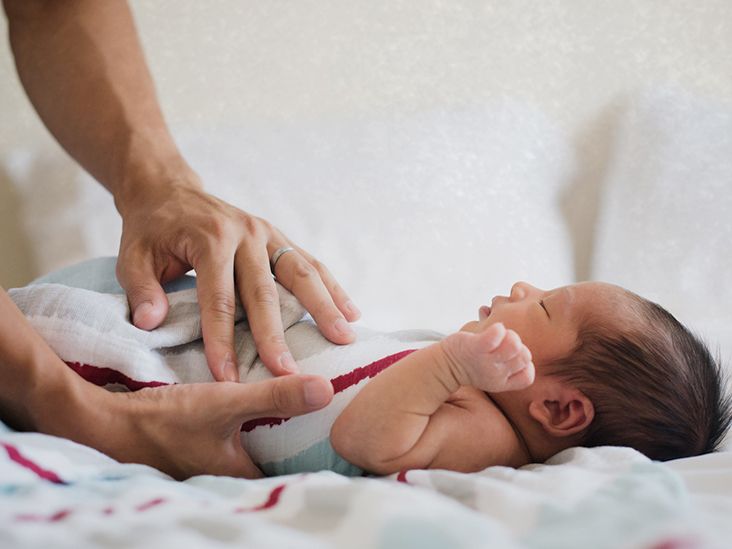
Swaddling is the practice of wrapping a newborn snugly in a lightweight blanket or swaddle sack to help them feel secure. Many babies like it because it mimics the cozy pressure of the womb and can reduce the startle reflex that makes their arms suddenly flail during sleep. But swaddling must be done correctly. A swaddle should never be too tight, should never cover the face, should never restrict the hips, and should always be paired with safe sleep habits.
If you are wondering how to swaddle a baby safely, this guide walks you through step-by-step instructions, what to avoid, when to stop swaddling, and practical tips that make bedtime less like a wrestling match with a burrito blanket.
What Is Swaddling?
Swaddling means wrapping a baby’s body in a blanket or specially designed swaddle product, usually with the arms tucked in and the legs allowed to move. The goal is to create gentle containmentnot a baby straightjacket. A safe swaddle feels snug across the upper body but loose enough around the hips and legs for natural movement.
For many newborns, swaddling can help with calming, sleeping, and settling after feeding. Some babies love it. Others act deeply offended by the entire concept. Both reactions are normal. Swaddling is a tool, not a requirement. If your baby sleeps better without it, congratulationsyou have one less blanket-folding challenge at 2 a.m.
Why Swaddling Can Help Newborns Sleep
Newborns are adjusting to life outside the womb, where the lighting is rude, the air feels strange, and everyone keeps changing their diaper. Swaddling can provide a familiar sense of closeness. It may also reduce the Moro reflex, also called the startle reflex, which can cause babies to jerk their arms and wake themselves.
Swaddling may be especially helpful during naps, bedtime routines, or fussy evening periods. However, it should always be used alongside safe sleep practices. Swaddling does not prevent sudden infant death syndrome, and it is not a replacement for placing your baby on their back in a safe sleep space.
Safe Swaddling Checklist Before You Start
Before wrapping your baby, run through this quick safety checklist:
- Use a thin, breathable blanket or a properly sized swaddle product.
- Place your baby on their back for every sleep, including naps.
- Use a firm, flat sleep surface such as a safety-approved crib, bassinet, or play yard.
- Keep the sleep space free of pillows, loose blankets, stuffed animals, bumpers, and positioners.
- Make sure the swaddle does not cover the baby’s mouth, nose, or chin.
- Keep the hips and legs loose enough to bend and move.
- Stop swaddling as soon as your baby shows signs of trying to roll.
- Do not use weighted swaddles, weighted blankets, or weighted sleep sacks.
How to Swaddle a Baby Safely: Step-by-Step Instructions
Step 1: Choose the Right Blanket
Pick a lightweight, breathable blanket, such as cotton muslin or another thin baby blanket. Avoid thick quilts, heavy fleece blankets, or anything bulky that could cause overheating. The blanket should be large enough to wrap securely but not so large that extra fabric bunches near the baby’s face.
Step 2: Lay the Blanket in a Diamond Shape
Spread the blanket on a flat, safe surface in a diamond shape, with one corner pointing up. Fold the top corner down about 6 inches. This creates a straight edge where your baby’s shoulders will rest.
Step 3: Position Your Baby Correctly
Lay your baby on their back with their shoulders along the folded edge. Their head and neck should remain completely above the blanket. Never place a swaddle around the neck or close to the face. If your baby is on a changing table, bed, or couch, keep one hand on them at all times. Newborns are tiny, but they can surprise you with sudden movements.
Step 4: Wrap One Side Across the Body
Gently place one arm alongside your baby’s body, slightly bent if that feels natural. Pull the same-side corner of the blanket across the chest and tuck it under the opposite side of the body. The wrap should be snug enough that it does not come loose, but not tight across the chest. You should be able to fit two or three fingers between the swaddle and your baby’s chest.
Step 5: Fold the Bottom Up Loosely
Bring the bottom corner of the blanket up over your baby’s feet. The lower part should be loose, creating a little pouch that allows the legs to bend up and out. This matters because tight wrapping around the legs can put pressure on the hips. Think “cozy frog legs,” not “tiny pencil.”
Step 6: Wrap the Final Side
Bring the remaining corner across your baby’s body and tuck it securely underneath. Check again that the fabric is below the shoulders, away from the face, and not too tight around the chest, hips, or legs.
Step 7: Place Baby on Their Back in a Safe Sleep Space
Once swaddled, place your baby on their back in a crib, bassinet, or play yard with a firm, flat mattress and fitted sheet only. Do not place a swaddled baby on their side or stomach. Do not let a swaddled baby sleep in an adult bed, couch, swing, lounger, car seat, or inclined sleeper.
How Tight Should a Baby Swaddle Be?
A safe swaddle is snug around the shoulders and upper body but not tight. Your baby should be able to breathe comfortably, and their chest should rise and fall normally. A swaddle that is too tight across the chest can restrict breathing. A swaddle that is too loose can unravel and become loose bedding, which is unsafe in the sleep space.
Use the “two-finger test”: after wrapping, slide two or three fingers between the swaddle and your baby’s chest. If you cannot fit them, loosen the swaddle. If the blanket slips easily or bunches near the face, rewrap it more securely or use a properly fitted swaddle sack.
Hip-Safe Swaddling: Protecting Baby’s Legs and Hips
One of the most important swaddling tips is to leave room at the bottom. Babies’ hips and knees should be able to bend naturally. Their legs should not be forced straight down and held tightly together.
Healthy hip positioning allows the thighs to spread slightly apart and the knees to bend. This is especially important during early development. A good swaddle is snug on top and roomy on the bottom. If your baby’s legs look pinned down, the swaddle is too tight.
When Should You Stop Swaddling?
Stop swaddling as soon as your baby shows any signs of trying to roll over. This may happen around 3 to 4 months, but some babies show signs earlier. Watch for twisting, rocking to one side, rolling from back to side, lifting the legs and swinging them over, or pushing strongly with the shoulders.
Once a baby can roll or is trying to roll, swaddling becomes risky because their arms may be trapped. If a swaddled baby rolls onto their stomach, they may not be able to push up, reposition, or roll back. At that stage, switch to an arms-out sleep sack or wearable blanket that keeps your baby warm without limiting movement.
Safe Sleep Rules That Always Go With Swaddling
Swaddling is only one piece of safe baby sleep. The bigger picture matters even more. Follow these rules every time your baby sleeps:
- Back to sleep: Always place your baby on their back for naps and nighttime sleep.
- Firm and flat surface: Use a safety-approved crib, bassinet, or play yard with a firm mattress.
- No loose items: Keep blankets, pillows, toys, bumpers, and stuffed animals out of the sleep space.
- No weighted products: Avoid weighted swaddles, weighted blankets, and weighted sleep sacks.
- No overheating: Dress your baby lightly and check for sweating, flushed skin, damp hair, or rapid breathing.
- Room-share, do not bed-share: Keep your baby’s sleep space in your room if possible, but place baby on a separate sleep surface.
Common Swaddling Mistakes to Avoid
Wrapping Too High
The blanket should stay below the shoulders. Fabric near the chin, mouth, or nose can become a breathing hazard.
Making the Chest Too Tight
A baby should never look squeezed. If the swaddle restricts chest movement, loosen it immediately.
Forcing the Legs Straight
Keep the lower swaddle loose. Babies need space for their hips and knees to bend.
Using Thick or Heavy Blankets
Heavy fabric can cause overheating. Choose thin, breathable materials and adjust clothing based on room temperature.
Continuing After Rolling Signs
This is one of the biggest safety mistakes. Once your baby starts trying to roll, it is time to stop swaddling, even if they still seem to love it.
Adding Sleep Positioners
Do not use wedges, pillows, nests, or positioners to keep a baby in place. These products can create suffocation risks and do not belong in a baby’s sleep space.
Swaddle Blanket vs. Swaddle Sack: Which Is Better?
Traditional blanket swaddling is inexpensive and flexible, but it requires proper technique. A swaddle sack with hook-and-loop closures, snaps, or zippers may be easier for tired parents because it reduces the chance of loose fabric. However, the same safety rules still apply. It must fit correctly, allow hip movement, avoid overheating, and be discontinued when rolling signs appear.
Choose the option that you can use safely and consistently. If a swaddle product rides up near the face, feels tight around the hips, or has weighted sections, skip it.
What If My Baby Hates Being Swaddled?
Some babies fight the swaddle like they are auditioning for a tiny action movie. That does not mean you are doing anything wrong. Try swaddling after a feeding, during a calm moment, or as part of a predictable bedtime routine. You can also try leaving one arm out if your baby likes sucking on their hand for comfort.
If your baby still dislikes it, stop. A safe sleep sack, gentle rocking before bedtime, white noise, dim lighting, and consistent routines can also help with settling. Swaddling is optional. Sleep safety is not.
How to Transition Out of Swaddling
When it is time to stop, you have two main options: gradual transition or cold turkey. For a gradual approach, try one arm out for a few nights, then both arms out. After that, move to a wearable blanket or sleep sack. For the cold turkey method, switch directly to an arms-out sleep sack. Some babies adjust quickly; others protest as if you canceled their favorite show. Stay consistent and keep the sleep environment safe.
During the transition, your baby may wake more often for a few nights because their arms are free and the startle reflex may still be active. This phase usually improves with time, practice, and patience.
When to Ask a Pediatrician About Swaddling
Talk with your pediatrician if your baby was premature, has hip dysplasia or a family history of hip problems, has breathing concerns, has a fever, seems unusually sleepy, or consistently struggles during sleep. You should also ask for guidance if your baby breaks out of every swaddle, rolls early, or seems unable to settle safely.
A pediatrician can help you choose the safest sleep setup for your baby’s age, development, and health needs.
Parent Experience: What Safe Swaddling Looks Like in Real Life
In real life, swaddling rarely looks as polished as it does in hospital demonstrations. Many parents remember watching a nurse wrap their newborn in three smooth seconds and thinking, “Great, I have witnessed a miracle.” Then they try it at home at 1:47 a.m. with one eye open, and the baby immediately kicks the bottom flap loose. This is normal. Swaddling is a skill, and like diaper changes, burping, and finding a pacifier in the dark, it improves with repetition.
One helpful experience many parents share is setting up a simple swaddling station before bedtime. Keep two clean lightweight swaddles nearby, choose pajamas before the evening fussiness begins, and make sure the crib or bassinet is already clear. This prevents the classic newborn-parent scavenger hunt: one parent holding a sleepy baby while the other whispers, “Where is the good blanket?” as if the blanket has entered witness protection.
Another practical tip is to swaddle when the baby is calm but drowsy, not when they are already at maximum siren mode. A hungry, overtired baby may resist anything that delays feeding or sleep. Try feeding first, burping gently, changing the diaper, then swaddling as part of a predictable routine. Babies often respond well to patterns. The routine does not need to be fancy. A clean diaper, dim light, soft voice, safe swaddle, and back placement in the bassinet can become a comforting rhythm.
Parents also learn quickly that temperature matters. A baby who is too warm may fuss, sweat, or breathe faster. Instead of adding extra layers, use a breathable swaddle and dress your baby in light sleep clothing appropriate for the room. Check the back of the neck or chest to gauge warmth; hands and feet can feel cool even when the baby is comfortable.
Some babies prefer arms down, some like hands near the chest, and some demand one hand free like a tiny philosopher pondering life. If your baby calms better with one arm out and is not yet showing signs of rolling, that may be a reasonable adjustment. The safest swaddle is the one that keeps fabric away from the face, allows breathing and hip movement, and suits your baby’s development.
The biggest real-life lesson is knowing when to stop. It can be emotionally hard to give up swaddling when it has been the magical sleep button. But once rolling signs appear, safety wins. Switching to a sleep sack may bring a few rough nights, but babies adapt. Parents do too, usually with coffee and a slightly haunted expression. The goal is not perfect sleep; it is safe sleep, steady routines, and a baby who can grow, move, and rest securely.
Conclusion
Learning how to swaddle a baby safely can make the newborn stage feel a little more manageable. The key is to keep the swaddle snug but not tight, low enough to stay away from the face, loose around the hips, and used only while your baby is not showing signs of rolling. Always place a swaddled baby on their back in a firm, flat, empty sleep space.
Swaddling can be a wonderful soothing tool, but it is not mandatory and it is not forever. Use it carefully, watch your baby’s development, and switch to an arms-out sleep sack when the time comes. Safe sleep may not always be glamorous, but neither is parenting at 3 a.m.and both are absolutely worth doing well.

