
Body Care
How To Operate a Zero Turn Mower: A Step-by-Step Guide
Jun
If you have ever watched someone glide around a yard on a zero turn mower and thought, “That looks easy,” let me gently introduce a truth bomb: it is easy after you stop driving it like an overcaffeinated shopping cart. Zero turn mowers are fast, nimble, and incredibly efficient, but they handle differently than lawn tractors. The good news is that once you understand the controls and build a little muscle memory, they become one of the best tools for mowing large yards, weaving around trees, and cutting down weekend yard time.
This step-by-step guide walks you through exactly how to operate a zero turn mower safely and confidently. We will cover the controls, start-up process, steering basics, mowing technique, slope safety, shutdown, and the real-world lessons new operators usually learn after a few awkward laps around the yard. Think of this as your shortcut to fewer mistakes, straighter passes, and a lawn that looks intentional instead of “I panicked near the mailbox.”
What Is a Zero Turn Mower?
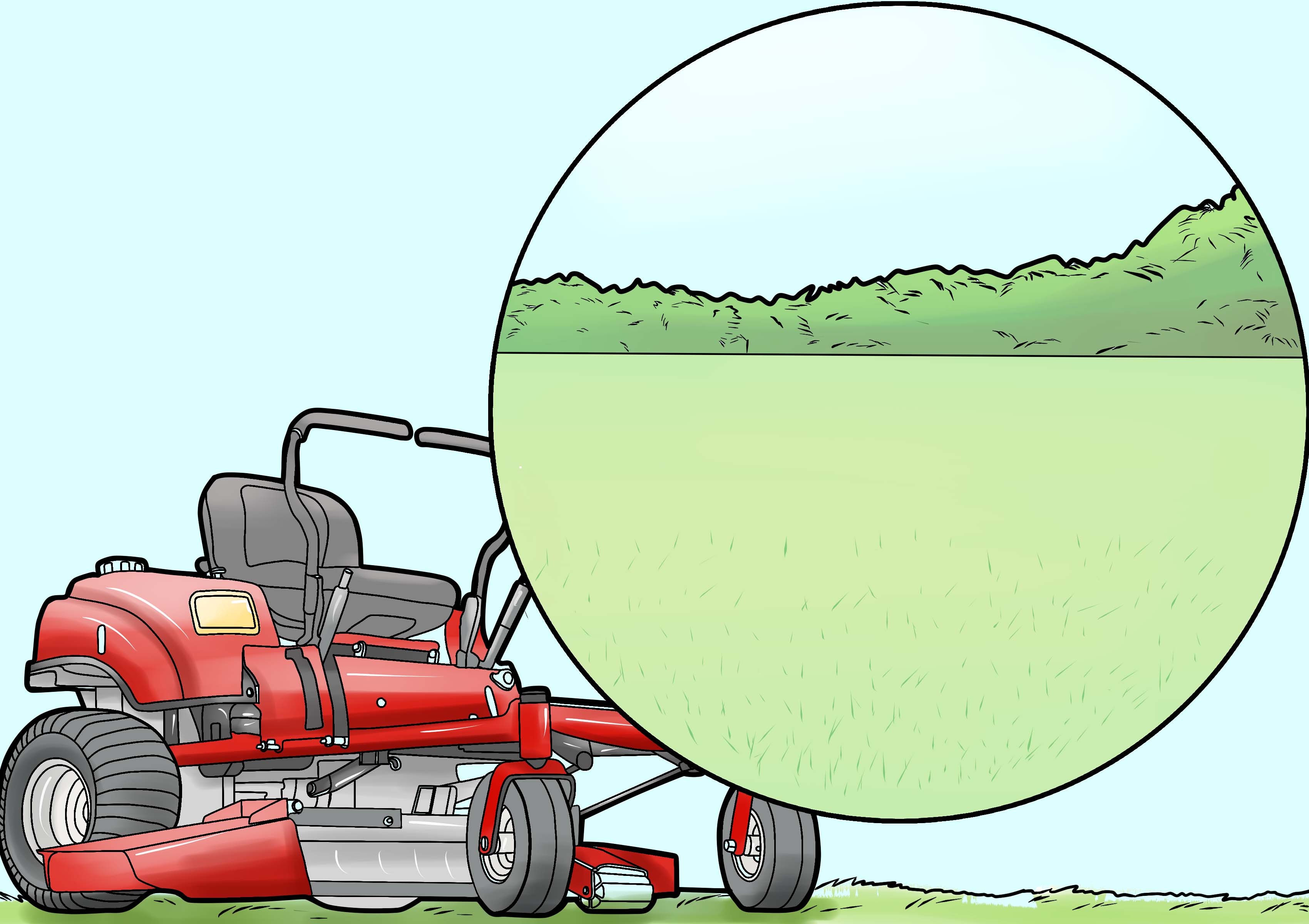
A zero turn mower is a riding mower designed to turn very tightly, often around obstacles like trees, flower beds, and fence lines. Instead of a steering wheel, most models use two steering levers, also called lap bars. Each lever controls one side of the mower. That independent wheel control is what gives the machine its famous “turn on a dime” feel.
The upside is speed and maneuverability. The downside is that your first few minutes can feel like you are learning to pat your head, rub your stomach, and parallel park all at once. Stay with it. Once the control system clicks, it really clicks.
Before You Mow: Learn the Basic Controls
Before you even start the engine, sit on the mower and identify the major controls. Every brand has slightly different layouts, but most zero turn mowers include the same key parts:
- Steering levers: Control forward, reverse, and turning.
- Parking brake or park position: Often built into the levers when moved outward.
- PTO or blade engagement switch: Turns the cutting blades on and off.
- Throttle: Controls engine speed.
- Ignition key: Starts and stops the mower.
- Deck height control: Raises or lowers the cutting height.
- Fuel and choke controls: Present on many gas models.
Read your operator’s manual before first use. Yes, really. Not because manuals are thrilling literature, but because your exact model may have a different start sequence, safety interlock, or control placement. Five minutes with the manual can save you five confusing minutes of wondering why the mower refuses to start.
Step 1: Dress for the Job
Operating a zero turn mower is not a flip-flops-and-smoothie situation. Wear sturdy, closed-toe shoes or work boots, long pants, and eye and hearing protection. Gloves are a good idea too, especially if you will be handling fuel, cleaning clippings, or checking parts before mowing.
Loose clothing is also a bad idea. You are mowing a lawn, not auditioning for a wind tunnel experiment. Keep it practical, fitted, and comfortable enough to move in.
Step 2: Inspect the Lawn and the Mower
A good mowing job starts before the engine does. Walk the lawn and remove sticks, stones, toys, pet items, wire, and any mystery objects that could become airborne at an alarming speed. Also note holes, stumps, roots, low branches, and wet patches.
Then inspect the mower itself:
- Check fuel level.
- Check engine oil.
- Look at the tires and confirm they appear properly inflated.
- Make sure the discharge chute, guards, and shields are in place.
- Confirm the blades are disengaged.
- Check that the seat and levers are adjusted comfortably for you.
If anything looks loose, bent, leaking, or damaged, fix it before mowing. A zero turn mower is great at cutting grass. It is not a good machine for “I’ll deal with that later.”
Step 3: Start the Zero Turn Mower the Right Way
The exact sequence varies by model, but most zero turn mowers follow the same general starting process:
- Sit fully in the operator’s seat.
- Raise the deck or set it to a safe starting position if your model recommends it.
- Make sure the blade switch or PTO is disengaged.
- Move the steering levers to the park or outward locked position.
- Set the throttle and choke as directed by your model.
- Turn the key to start the engine.
- Allow the engine to warm up briefly before driving or engaging the blades.
If the mower does not start, do not immediately assume it is broken. On many models, a safety interlock prevents starting unless the levers are in park, the blades are off, and the operator is seated properly. Translation: the mower is not being dramatic. It is just picky about safety.
Step 4: Practice Steering Before You Start Cutting
This is the step that separates “confident operator” from “person who accidentally trimmed the lawn into modern art.” First-time users should practice in a flat, open area away from trees, fences, cars, landscaping, and anything expensive.
How the Steering Levers Work
- Both levers forward evenly: The mower moves straight ahead.
- Both levers backward evenly: The mower reverses.
- One lever pushed farther than the other: The mower turns gradually.
- One lever forward and one lever back: The mower pivots or spins very sharply.
- Levers out: Park position on many models.
Start by moving both levers slightly forward. Emphasis on slightly. New operators often shove both levers ahead, get a burst of speed, panic, overcorrect, and suddenly discover a highly personal relationship with the nearest shrub. Small, smooth inputs are the secret.
Practice these basics in order:
- Moving forward slowly
- Stopping smoothly
- Backing up in a straight line
- Making wide, gentle turns
- Turning around at the end of a pass without spinning in place
Your goal is smooth control, not flashy spinning. Zero turn mowers can pivot dramatically, but using that move constantly can tear up grass and leave ugly marks.
Step 5: Set the Deck Height and Begin Mowing
Once you can move and stop smoothly, set the deck to the proper cutting height for your lawn. For many home lawns, a height around 2.5 to 3 inches is a solid starting range, though the ideal height depends on your grass type, season, and climate.
Lower the deck to the desired height, bring the throttle up as recommended, and engage the blades only when the area around you is clear. Then begin mowing in straight, overlapping passes.
Tips for a Better Cut
- Overlap each pass slightly to avoid strips of missed grass.
- Mow when the grass is dry for a cleaner cut and better traction.
- Do not cut too much at once; if the grass is very tall, raise the deck and mow in more than one pass.
- Alternate mowing patterns from week to week to reduce wear lines and rutting.
- Keep the discharge directed away from roads, sidewalks, walls, and bystanders.
If the mower starts leaving clumps or ragged edges, check the blade sharpness and slow your ground speed. Fast does not always mean efficient. Sometimes it just means you are driving quickly while making your lawn look tired.
Step 6: Make Turns Without Tearing Up the Lawn
One of the most common beginner mistakes is turning too sharply with one wheel almost stopped. That can scuff or tear the grass, especially when the turf is soft or damp. A zero turn mower can perform a dramatic pivot, but your lawn may not appreciate the performance.
For cleaner turns, slow down before the end of each pass and use a three-point or gentle sweeping turn. Keep both wheels moving as much as possible. Smooth turns preserve the turf and make the finished lawn look cleaner and more professional.
Step 7: Use Extra Caution on Hills and Slopes
Slopes are where zero turn mowers demand respect. These machines are fast and responsive, but traction can disappear quickly on wet grass, loose soil, or aggressive inclines. Many manufacturers and manuals set a maximum operating slope of 15 degrees, and wet slopes are especially risky.
Here is the smart approach:
- Use the slowest practical speed before going up or down a hill.
- Avoid sudden starts, stops, or sharp turns.
- Do not mow when the grass is wet.
- If traction feels questionable, back off the plan, not your common sense.
- If you begin losing control, disengage the blades and move slowly to a safer, flatter area.
If a section of your yard feels sketchy, it probably is. There is no shame in switching to a walk-behind mower or trimmer for steep or awkward spots. Pride heals much faster than rollover damage.
Step 8: Stop and Shut Down Safely
When you are done mowing, do not just coast in like a movie hero returning from battle. Shut the mower down in the correct sequence:
- Move to a flat, level area.
- Bring the steering levers back to neutral and stop moving.
- Disengage the blades.
- Set the parking brake or move the levers to the park position.
- Reduce throttle if your model recommends it.
- Turn off the engine and remove the key.
- Wait for all moving parts to stop before getting off.
If you need to refuel, wait until the engine is cool. Gasoline and hot engines are a terrible buddy comedy.
Common Mistakes First-Time Zero Turn Operators Make
- Going too fast too soon: Practice low-speed control first.
- Jerky lever movements: Smooth inputs create smoother mowing.
- Turning too sharply on turf: This can tear grass and leave ruts.
- Mowing wet grass: It hurts traction and cut quality.
- Cutting too short: Scalping stresses the lawn and makes it look rough.
- Ignoring maintenance: Dull blades, low tires, and neglected oil make mowing harder than it needs to be.
Simple Maintenance Habits That Make Operation Easier
Operating a zero turn mower well is not just about driving. It is also about keeping the machine in good condition. A well-maintained mower starts easier, steers more predictably, cuts more cleanly, and lasts longer.
Build these habits into your routine:
- Check oil and fuel before mowing.
- Keep blades sharp.
- Clean grass buildup from the deck after the mower cools.
- Inspect belts, tires, and safety guards regularly.
- Follow the service schedule in the operator’s manual.
A mower with dull blades and caked grass underneath is basically trying to mow while wearing muddy boots and chewing gum. It can still work, but it will not be graceful.
Final Thoughts
Learning how to operate a zero turn mower is mostly about patience, smooth control, and respecting the machine’s speed. Start slow, practice in an open area, get comfortable with the levers, and treat slope safety seriously. Once you build confidence, a zero turn mower becomes one of the quickest and most satisfying ways to keep a lawn looking sharp.
In other words, the first mow may feel like an introduction. By the third or fourth, you will wonder how you ever tolerated wide turns, clumsy trimming, and endless back-and-forth on a traditional lawn tractor. The lawn gets neater, the work gets faster, and your steering stops looking like interpretive dance.
Operator Experiences and Real-World Lessons
Ask almost anyone who has learned to drive a zero turn mower, and you will hear the same confession: the first few minutes are humbling. Many new operators expect it to behave like a lawn tractor, only faster. Instead, it reacts more like a machine that rewards finesse. One common experience is the “bunny hop” start, where the operator pushes both levers too hard, lurches forward, pulls back too fast, and repeats the motion like the mower is practicing choreography. The fix is simple but not obvious at first: relax your grip, keep your shoulders loose, and move the levers just a little at a time.
Another common lesson comes at the end of the first straight pass. New users often do great for 40 feet, then attempt a heroic pivot at the edge of the lawn and peel up a half-moon of turf. That moment teaches an important principle: just because the mower can spin sharply does not mean it should. Experienced operators learn to slow down before the end of a row, ease into a gentle turn, and keep both drive wheels rolling. The lawn looks better, and the ride feels smoother.
There is also the classic fence-line experience. At first, operators tend to leave too much distance from trees, beds, and posts because the machine feels wide and fast. Then confidence grows, and they start trimming more closely. Eventually, most people find a rhythm where the mower’s maneuverability becomes a genuine advantage instead of a source of anxiety. That is when zero turn ownership starts to feel rewarding. You stop fighting the mower and start using it precisely.
Many homeowners also discover that mowing quality improves more from setup than speed. A small deck height adjustment, sharper blades, better tire pressure, and mowing dry grass can completely change the finished look. People often assume a patchy or ragged cut means they need a bigger machine, when in reality they may just need slower travel speed and a sharper blade edge.
Then there is the slope lesson. Nearly everyone remembers the first moment a hill feels a little too slippery or a turn feels a little too loose. That experience usually creates better habits for life. Skilled operators become more cautious, mow tricky areas more slowly, and stop trying to prove that confidence is the same thing as traction. In practice, the best zero turn mower users are not reckless. They are smooth, patient, and almost boring in the best possible way.
That is really the story of learning this machine. At first it feels twitchy. Then it feels responsive. Then it feels efficient. And eventually, it feels like an extension of your hands. The lawn looks cleaner, the time savings become obvious, and the little routines before mowing, such as checking the yard and warming up the engine, no longer feel annoying. They just feel like part of doing the job right.
SEO Tags

