
Beauty Tools & Accessories
How to Keep a Cat from Running out the Door: 8 Steps
Jun
If your cat treats the front door like the starting line at the Kentucky Derby, you are not alone. Many indoor cats become fascinated with doors because doors lead to smells, sounds, sunlight, bugs, birds, mystery, and occasionally the sacred delivery box. The problem is that one quick dash can put your cat at risk of traffic, dogs, getting lost, parasites, harsh weather, or simply hiding under a neighbor’s porch while you stand outside shaking a treat bag like a desperate maraca player.
The good news? You can stop a cat from running out the door without yelling, chasing, or turning your entryway into a medieval fortress. The trick is to combine prevention, training, enrichment, and smart routines. Cats are not being “bad” when they door-dart. They are curious, bored, excited, anxious, or repeating a behavior that once worked. Your job is to make the door boring and the inside of the house more rewarding than the great outdoors.
This guide breaks down how to keep a cat from running out the door in 8 practical steps, using real-world cat behavior principles and simple household changes. Let’s help your tiny escape artist retire from the jailbreak business.
Why Cats Try to Run Out the Door
Before fixing the problem, it helps to understand what your cat is getting out of it. A cat may dash for the door because the hallway smells interesting, outdoor sounds trigger hunting instincts, or your arrival home creates a burst of excitement. Some cats simply learn that when humans open the door, something dramatic happens. Drama is basically cat television.
Indoor cats also need outlets for normal feline behaviors: climbing, scratching, hiding, hunting-style play, exploring, resting in safe spaces, and watching the world. If your cat’s environment is dull, the door becomes the most exciting “toy” in the house. A successful prevention plan should therefore do two things at once: reduce access to the door and increase satisfaction indoors.
How to Keep a Cat from Running out the Door: 8 Steps
1. Create a Door Safety Zone
The simplest way to prevent door-dashing is to make sure your cat cannot stand right at the exit when the door opens. Think of this as creating a “no-launch zone.” You do not need anything fancy. A baby gate, hallway divider, tall pet gate, screen door, mudroom, laundry room, or even a second interior door can create a helpful buffer.
If your home layout allows it, set up an “airlock” system. Open one door, close it behind you, then open the next. This is especially helpful for front entries, apartments, and homes with busy kids or frequent deliveries. If you live in a smaller space, place a cat tree, bed, or treat station several feet away from the entrance so your cat has a better place to be when people come and go.
For homes with multiple family members, make the rule obvious: no one opens the outside door until they know where the cat is. It may sound dramatic, but so is your cat deciding to become a sidewalk explorer at 8:04 a.m. while everyone is late for school or work.
2. Train Your Cat to Go to a “Safe Spot”
Training is not just for dogs. Cats can absolutely learn routines, especially when treats are involved. Choose a safe spot away from the door, such as a mat, cat bed, perch, or scratching post. Every time you are about to leave or enter, toss a treat to that spot. Over time, your cat learns that the good stuff happens away from the door, not beside it.
Start when the house is calm. Say a simple cue like “spot,” toss a treat onto the mat, and praise your cat when they go there. Repeat this several times a day. Once your cat understands the game, practice touching the doorknob, opening the door slightly, closing it, and rewarding them for staying on the spot. Gradually build up to real exits and arrivals.
The key is consistency. If your cat gets rewarded for sitting near the door one day and rewarded for going to the safe spot the next, the lesson becomes fuzzy. Cats prefer clear contracts. Preferably written in salmon.
3. Stop Rewarding Door Hovering
Many cat owners accidentally reward the exact behavior they want to stop. Your cat waits by the door, you talk to them, pick them up, laugh, push them back, or offer a treat to distract them. To your cat, that may feel like attention. And attention, even annoyed attention, can be rewarding.
Instead, ignore your cat when they hover near the door and reward them only when they move away from it. This does not mean you should let your cat escape. It means you should avoid turning the doorway into a stage. Stay calm, block with your body if needed, close the door, and redirect your cat to the safe spot or another room.
If your cat is already close to the entrance, do not toss treats right beside the door. That teaches them the door area pays well. Place treats, toys, and attention in a different part of the home so your cat learns that the door is boring and the living room is where the magic happens.
4. Use a Pre-Exit Routine
Cats love patterns. A predictable routine can make leaving the house much easier. About five minutes before you go, give your cat something to do away from the door. This could be a puzzle feeder, a lick mat with cat-safe food, a treat ball, a short wand-toy session, or a small portion of their meal.
The goal is not to bribe your cat at the last second. The goal is to create a new habit: human gets ready, cat goes to enrichment station, door opens, nothing exciting happens. If you leave for work at the same time every day, your cat may quickly learn the rhythm.
For extra door-darters, confine them comfortably in a safe room before high-risk moments. This works well during grocery unloading, furniture deliveries, holiday gatherings, moving day, or any time the door will be open longer than usual. The safe room should include water, a litter box if needed, a bed, toys, and a closed door. You are not punishing your cat; you are preventing a tiny fur missile launch.
5. Make Indoor Life More Exciting
A bored cat is a creative cat, and not always in ways you appreciate. To keep a cat from running out the door, make the indoor environment rich enough that outside is not the only interesting option. Add vertical space, scratching surfaces, hiding spots, window perches, interactive toys, and daily play.
Think like a cat. Your cat wants to climb, stalk, chase, pounce, scratch, sniff, and observe. A window perch can provide safe “cat TV.” A cardboard box can become a luxury condo. A wand toy can turn your hallway into a dramatic wildlife documentary. Rotating toys every few days also helps old toys feel new again.
Food puzzles are especially useful because they make cats work in a natural, satisfying way. Instead of serving every meal in a bowl, try placing part of your cat’s dry food in a puzzle feeder or hiding small portions around the room. This gives your cat a job. Cats with jobs are less likely to apply for the position of Door Escape Specialist.
6. Offer Safe Outdoor Alternatives
Some cats are strongly motivated by the outdoors. In that case, pretending the outside world does not exist may not be enough. Give your cat safe ways to enjoy fresh air and stimulation without free roaming.
A secure catio is one of the best options. It can be a window box, balcony enclosure, screened porch, or larger outdoor structure. Make sure it is escape-proof, weather-safe, shaded, and checked regularly for weak spots. Cats are liquid with opinions, so never underestimate their ability to find a gap.
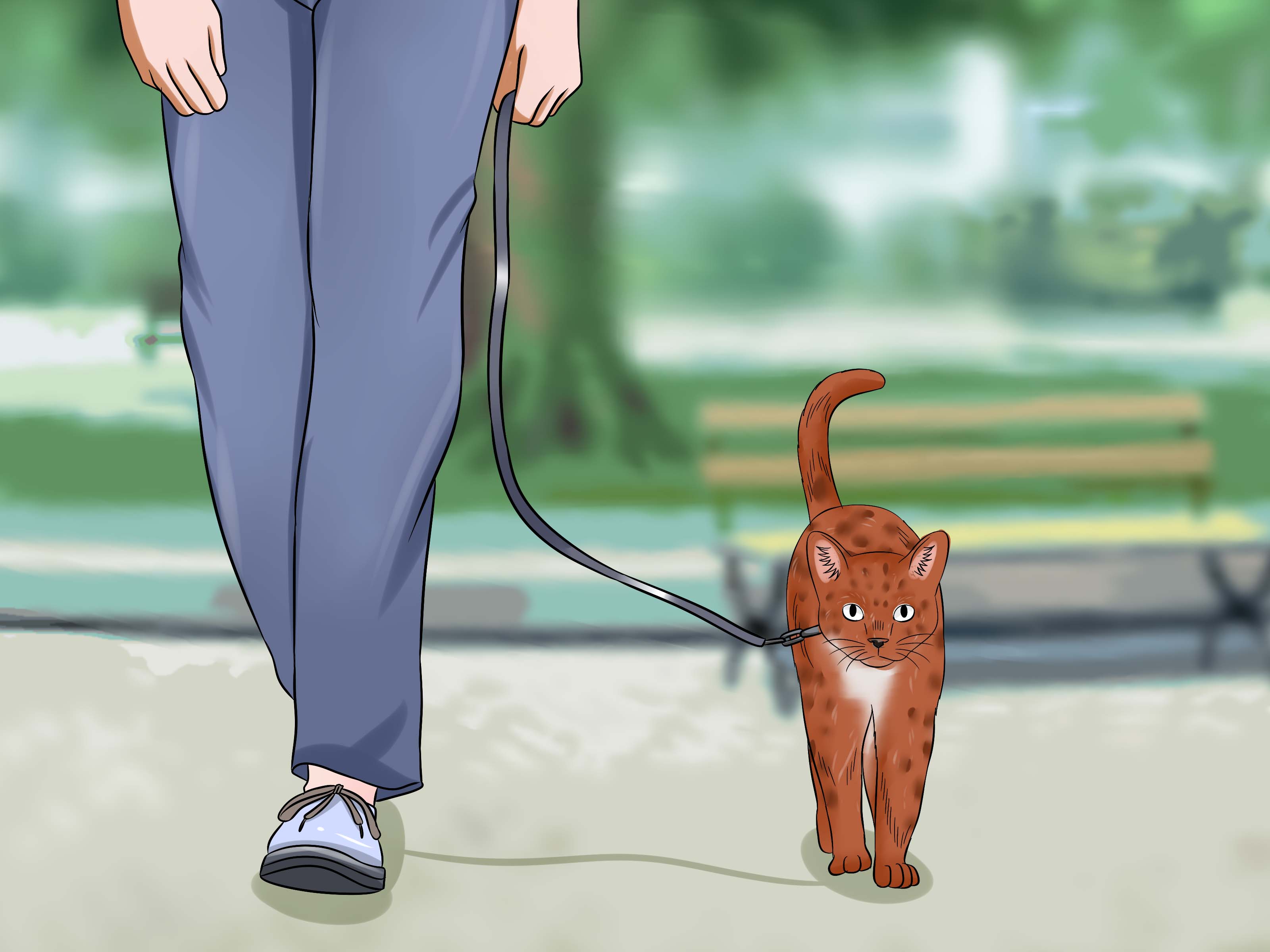
Harness training is another option for patient cats and patient humans. Use a cat-specific harness that fits snugly and introduce it slowly indoors before ever stepping outside. Let your cat sniff the harness, wear it briefly, receive treats, and build confidence over several sessions. Outdoor leash time should be calm and supervised. It is not about dragging your cat around the block like a tiny dog; it is about letting them safely sniff, observe, and explore.
If your cat becomes more frantic after outdoor time, pause and reassess. Some cats enjoy safe outdoor access, while others become more obsessed with escape. Choose the option that actually improves your cat’s behavior and stress level.
7. Use Calm, Cat-Friendly Corrections
When your cat bolts toward the door, your instinct may be to shout, chase, or grab. Unfortunately, that can make the doorway more exciting or scary. A frightened cat may run faster, hide outside, or become more anxious around entries.
Use calm blocking instead. Step between your cat and the door, gently guide them away with your body, close the door, and redirect them to a safe activity. You can also keep a lightweight toy, treat pouch, or wand toy near the entry area so you can guide your cat away before opening the door.
Avoid punishment such as spraying water, yelling, or startling your cat. These methods may interrupt the behavior in the moment, but they do not teach your cat what to do instead. They can also damage trust. The best correction is prevention plus redirection: “Not there, whisker rocket. Over here.”
8. Prepare for Accidents with ID and an Escape Plan
Even with excellent training, accidents can happen. A visitor may leave the door open. A child may forget. A repair worker may not know your cat is auditioning for a spy movie. That is why every indoor cat should have identification.
Use a breakaway collar with an ID tag that includes your phone number. A microchip adds another layer of protection, especially if the collar comes off. Make sure the microchip is registered and that your contact information stays current. A microchip is not a GPS tracker; it works when a shelter or veterinary clinic scans the chip and uses the registration information to contact you.
It is also smart to have a simple escape plan. Keep a recent photo of your cat, know their favorite hiding spots, and act quickly if they get out. Many indoor cats do not go far at first. Check under cars, porches, bushes, stairwells, sheds, and nearby hiding places. Use a calm voice, bring smelly food, and avoid chasing. The goal is to help your cat feel safe enough to come out.
Common Mistakes That Make Door-Dashing Worse
One common mistake is chasing the cat every time they approach the door. To a playful cat, that can become a fantastic game called “Make the Human Panic.” Another mistake is giving treats at the door, which accidentally turns the entrance into a snack counter.
Some owners also wait until the cat has already sprinted before trying to train. It is much easier to build a calm routine during quiet moments than during full-speed escape mode. Practice when you are not actually leaving. Touch the doorknob, reward the safe spot, open the door an inch, close it, reward again. Tiny rehearsals build big habits.
Finally, do not assume your cat is trying to annoy you. Cats repeat behaviors that work. If door-dashing gets excitement, access, attention, or a thrilling chase, your cat may keep doing it. Change the payoff, and you change the pattern.
What to Do When Guests Come Over
Guests are one of the biggest door-dashing risks because they may not understand your cat’s habits. Before visitors arrive, place your cat in a safe room with water, toys, bedding, and a litter box if the visit will be long. Put a friendly sign on the door that says, “Cat insideplease keep closed.” This is not rude. This is cat security.
If your cat dislikes being closed away, start with short practice sessions before the event. Offer treats, play, and a cozy resting place. The room should feel like a lounge, not a timeout zone. For parties, deliveries, repairs, or moving days, confinement is usually the safest choice.
When guests leave, check where your cat is before opening the main door. One person can handle the goodbye hugs while another handles cat supervision. Teamwork makes the dream work, especially when the dream is not losing Mr. Pickles in the driveway.
How Long Does It Take to Stop Door-Dashing?
Some cats improve in a few days when barriers and routines are added. Others need several weeks of consistent training, especially if they have been practicing door-dashing for a long time. The more predictable your approach, the faster your cat will learn.
Progress may look small at first. Maybe your cat pauses instead of sprinting. Maybe they glance at the door but choose the treat mat. Maybe they still approach the entry but no longer launch themselves like a furry cannonball. Celebrate those wins. Behavior change is not always instant, but it is absolutely possible.
When to Ask for Professional Help
If your cat’s door-dashing is sudden, intense, or linked with stress behaviors such as hiding, aggression, excessive vocalizing, appetite changes, or litter box issues, talk with your veterinarian. Medical discomfort, anxiety, changes in the household, or conflict with other pets can affect behavior.
A certified feline behavior consultant or veterinary behavior professional can also help create a custom plan for persistent escape attempts. This is especially useful in multi-cat homes, apartments with high-traffic hallways, or situations where the cat has previously lived outdoors.
Experience-Based Tips: What Actually Works in Daily Life
In real homes, the best door-dashing solutions are usually boring, repeatable, and easy enough to follow when your hands are full. The perfect plan is useless if it only works when you are well-rested, carrying nothing, and emotionally prepared for a cat negotiation. So here is what tends to work in everyday life.
First, place treats where you want your cat to go, not where you want them to stop going. Many people keep treats near the front door, then wonder why the cat becomes obsessed with the front door. Move the treat jar to the safe spot. If the cat tree across the room is the destination, the treats live there. This tiny change can make training much clearer.
Second, use the “one hand on the door, one eye on the cat” rule. Before turning the knob, locate your cat. This becomes automatic after a while. In busy households, it helps to say out loud, “Where’s the cat?” before opening the door. It may sound silly, but it reminds everyone that the cat is part of the exit routine.
Third, do not underestimate the power of a tired cat. A five- to ten-minute play session before high-risk times can reduce escape energy. Use a wand toy to mimic prey: slow crawl, quick dart, pause, hide behind furniture, then let your cat pounce. End with a small treat or meal so the sequence feels complete. Hunt, catch, eat, groom, nap: that rhythm speaks fluent cat.
Fourth, prepare for the “hands full” problem. Door escapes often happen when people are carrying groceries, backpacks, laundry, or packages. Keep a basket or small table near the entrance so you can set things down before fully opening the door. If possible, bring items inside in stages while the cat is secured in another room. Convenience is nice; not chasing a cat through the parking lot is nicer.
Fifth, train the humans too. Most failures happen because someone forgets the routine. Kids, roommates, relatives, guests, cleaners, and repair workers all need simple instructions. Avoid long lectures. Say, “Please make sure the cat is behind this gate before opening the door.” Clear, short, practical.
Sixth, accept your cat’s personality. Some cats are casual observers. Others are determined little adventurers with whiskers and a plan. A bold, social, high-energy cat may need more enrichment, more training, and stronger barriers than a sleepy senior who considers the hallway too much cardio. Match the plan to the cat you have, not the cat you wish would politely read the house rules.
Finally, stay calm when mistakes happen. If your cat slips out, panic can make things worse. Move slowly, speak softly, block access to roads if safe, and guide your cat toward an open door, carrier, or familiar scent. Once your cat is back inside, do not punish them. Review what failed, improve the setup, and keep going. Door safety is a system, not a one-time lecture delivered to a creature currently licking a chair.
Conclusion
Keeping a cat from running out the door is not about winning a battle of speed. Your cat has four legs, flexible bones, and the confidence of a tiny superhero. Instead, success comes from changing the environment, teaching a better routine, and giving your cat a satisfying indoor life.
Start with barriers and a safe spot. Reward your cat away from the door. Make departures predictable. Add enrichment, window views, play, puzzle feeders, and safe outdoor options if appropriate. Keep ID updated just in case, and make sure everyone in the home follows the same plan. With patience and consistency, the front door can become just another boring rectangle instead of the gateway to chaos.
Note: This article is for general educational purposes and is based on reputable veterinary and animal-welfare guidance. If your cat’s escape behavior is sudden, extreme, or connected to stress or health changes, consult your veterinarian or a qualified feline behavior professional.

