
Body Care
How to Feed Dwarf Hamsters: Everything They Can Eat
Jun
Dwarf hamsters may be tiny, but their food opinions can be enormous. One minute they are politely sniffing a piece of broccoli like a restaurant critic, and the next they are stuffing their cheeks like they just discovered an underground buffet. Feeding a dwarf hamster well is not about giving it everything it looks excited about. It is about building a balanced, safe, species-appropriate diet that supports energy, digestion, dental health, and a healthy weight.
The best dwarf hamster diet starts with a quality commercial hamster food, then adds small amounts of fresh vegetables, occasional fruit, limited seeds, and tiny protein treats. Because dwarf hamsters are small and some types are more prone to weight gain and diabetes, portions matter. A treat that looks “small” to a human may be a Thanksgiving dinner to a hamster wearing a fur coat.
This guide explains what dwarf hamsters can eat, what they should avoid, how much to feed, and how to create a simple feeding routine that keeps your tiny roommate healthy, busy, and less likely to turn its food bowl into a construction project.
What Do Dwarf Hamsters Eat in a Healthy Diet?
Dwarf hamsters are omnivores. In the wild, hamsters eat a mixture of seeds, grains, grasses, plants, and small animal protein such as insects. Pet dwarf hamsters need the same general idea, but in a controlled, cleaner, safer form. The foundation should be a high-quality hamster pellet or balanced hamster mix, not a bowl full of sunflower seeds and wishful thinking.
A good daily diet usually includes:
- Commercial hamster pellets or a balanced hamster mix as the main food
- Fresh vegetables in tiny portions for variety, hydration, and enrichment
- Small protein treats such as mealworms, cooked egg, or plain cooked chicken
- Limited seeds, grains, and nuts as treats, not the entire meal
- Fresh water available at all times
The biggest mistake new owners make is feeding a seed-only diet. Dwarf hamsters love picking out the fatty, tasty pieces first. Unfortunately, selective eating can lead to poor nutrition, obesity, and missing nutrients. Pellets are useful because they prevent the “I only ate the dessert pieces” problem. Think of pellets as the responsible adult in the cage.
How Much Should You Feed a Dwarf Hamster?
Most dwarf hamsters eat roughly 1 to 2 teaspoons of dry food per day, depending on the hamster’s size, age, activity level, and the exact food brand. Always check the package directions and adjust based on your hamster’s body condition. A very active Roborovski may burn through food differently from a calmer Winter White hamster who believes the wheel is decorative furniture.
Fresh foods should be much smaller. A tiny piece of vegetable about the size of your hamster’s ear is often enough when introducing something new. Fruit should be even more limited because of sugar. For many dwarf hamsters, fruit is best treated as an occasional treat, not a daily snack.
A Simple Daily Feeding Schedule
Here is an easy routine for most dwarf hamsters:
- Daily: 1 to 2 teaspoons of quality hamster pellets or balanced mix
- Daily or every other day: one tiny piece of safe vegetable
- Two or three times per week: a tiny protein treat or whole grain treat
- Once per week or less: a tiny piece of low-sugar fruit
- Always: clean, fresh water
Remove uneaten fresh food within a few hours or by the end of the day. Hamsters hoard food, and a hidden piece of cucumber can become a science experiment in the bedding. Check sleeping corners and tunnels regularly, especially after offering fresh produce.
Best Staple Foods for Dwarf Hamsters
The safest base diet is a food formulated specifically for hamsters. Look for a product that offers balanced nutrition rather than a colorful mix packed with sugary pieces, artificial treats, or too many fatty seeds. Pelleted diets are often recommended because every bite contains the same nutrition. Balanced seed-and-pellet mixes can also work, but only if your hamster eats the full mix and does not cherry-pick like a tiny buffet bandit.
What to Look for in Hamster Food
Choose a dwarf hamster food or hamster food that includes:
- Balanced protein, fat, and fiber levels
- Limited added sugar
- No artificial candy-like pieces
- Small pieces suitable for dwarf hamster mouths
- A mix of pellets, grains, seeds, and dried plant ingredients if using a mix
If your hamster ignores pellets and eats only seeds, reduce extra treats and offer a more pellet-focused diet. Do not suddenly change food overnight. Mix the new food with the old food over 7 to 10 days to help prevent digestive upset.
Vegetables Dwarf Hamsters Can Eat
Vegetables are one of the best fresh foods for dwarf hamsters because they add texture, hydration, and natural enrichment without as much sugar as fruit. Still, portions must be tiny. A dwarf hamster does not need a salad bowl. It needs a salad confetti sprinkle.
Safe vegetables for dwarf hamsters include:
- Romaine lettuce
- Kale
- Spinach
- Broccoli
- Cauliflower
- Carrot
- Zucchini
- Cucumber
- Peas
- Squash
- Parsley
- Dandelion greens from pesticide-free areas
- Asparagus
- Bell pepper in tiny amounts
Wash all vegetables thoroughly. Serve them raw unless the food is safer cooked, such as plain potato or certain hard vegetables. Cut everything into tiny pieces. Introduce one new vegetable at a time and watch for soft stool, bloating, or changes in behavior. If a food causes digestive upset, remove it and try something gentler later.
Best Starter Vegetables
If your dwarf hamster is new to fresh food, start with mild options such as broccoli, zucchini, cucumber, or romaine lettuce. Carrot is safe, but it is sweeter than leafy greens, so keep it occasional and very small. Spinach and kale are nutritious but should be rotated rather than served as the only vegetable every day.
Fruits Dwarf Hamsters Can Eat
Dwarf hamsters can eat some fruits, but fruit should be treated like dessert. Campbell’s dwarf hamsters, Winter White dwarf hamsters, and hybrids are often considered more prone to diabetes than larger Syrian hamsters, so sugary foods should be limited. Even healthy fruit contains natural sugar.
Safe fruits in tiny amounts include:
- Apple without seeds
- Blueberry
- Strawberry
- Raspberry
- Banana
- Pear without seeds
- Melon
- Peach without pit
A good fruit portion is no bigger than a small fingernail clipping. Offer fruit once a week or less, especially for diabetes-prone dwarf hamsters. Roborovski hamsters may tolerate occasional fruit better than some other dwarf types, but moderation is still the rule. Your hamster may disagree loudly with this policy. Your hamster is not the nutritionist.
Fruits to Avoid
Avoid citrus fruits such as oranges, lemons, limes, and grapefruit. Also avoid grapes, raisins, rhubarb, fruit pits, and apple seeds. Seeds and pits can contain harmful compounds or create choking and digestive risks. When in doubt, leave it out.
Protein Foods Dwarf Hamsters Can Eat
Protein is important because hamsters naturally eat insects and other small protein sources. Commercial hamster food usually provides daily protein, but small extras can be useful for enrichment, young hamsters, pregnant hamsters, or active hamsters. Keep protein treats plain, cooked when needed, and unseasoned.
Safe protein treats include:
- Dried mealworms
- Dried crickets sold for pets
- Plain cooked egg
- Plain cooked chicken
- Plain tofu in a very small amount
- Low-fat cottage cheese in a tiny occasional amount
Never feed seasoned meat, fried food, processed deli meat, bacon, sausage, salty cheese, or anything cooked with onion, garlic, butter, sauces, or spices. A dwarf hamster’s digestive system is not built for leftover pizza night.
Grains, Seeds, and Nuts Dwarf Hamsters Can Eat
Grains, seeds, and nuts can be part of a dwarf hamster’s diet, but they should not take over the menu. Many seeds and nuts are high in fat. Hamsters love them because hamsters have taste buds and no financial responsibilities.
Safe grain and seed treats include:
- Plain oats
- Cooked brown rice
- Plain cooked whole-wheat pasta
- Small pieces of whole-grain bread
- Pumpkin seeds
- Sunflower seeds
- Flaxseed in tiny amounts
- Unsalted peanuts in very tiny amounts
- Unsalted walnuts in very tiny amounts
Seeds should be used as training treats or scatter-feeding rewards. Do not fill the bowl with sunflower seeds. That is like feeding a child nothing but potato chips and then acting surprised when bedtime becomes a hostage negotiation.
Foods Dwarf Hamsters Should Never Eat
Some foods are unsafe or simply too risky for dwarf hamsters. Keep the following away from your hamster:
- Chocolate
- Caffeine
- Alcohol
- Onion
- Garlic
- Leeks
- Chives
- Rhubarb
- Grapes and raisins
- Citrus fruit
- Avocado
- Apple seeds and fruit pits
- Raw beans
- Raw potato
- Tomato leaves or stems
- Salty snacks
- Sugary cereal
- Candy
- Fried foods
- Processed meats
- Sticky peanut butter
- Moldy or spoiled food
Sticky foods are especially risky because they can get stuck in cheek pouches. Sugary foods can contribute to obesity and may be especially inappropriate for diabetes-prone dwarf hamsters. Salty foods can cause dehydration and other health problems. Processed human foods are usually a bad idea, even when your hamster looks personally offended that you are eating without sharing.
How to Introduce New Foods Safely
Introduce new foods slowly. Offer one tiny piece of one new food and wait at least 24 hours before offering another new item. This makes it easier to identify what caused a problem if your hamster develops soft stool or refuses food.
Use this simple method:
- Choose one safe food, such as zucchini or broccoli.
- Wash it well and cut a piece smaller than your fingernail.
- Offer it in the evening when your hamster is awake.
- Remove leftovers after a few hours.
- Watch your hamster’s droppings, appetite, and energy the next day.
If everything looks normal, you can add that food to your rotation. If your hamster has diarrhea, seems lethargic, stops eating, or looks unwell, remove the new food and contact an exotic pet veterinarian. Dwarf hamsters are small, so health changes can become serious quickly.
Water: The Most Boring but Essential Part of the Diet
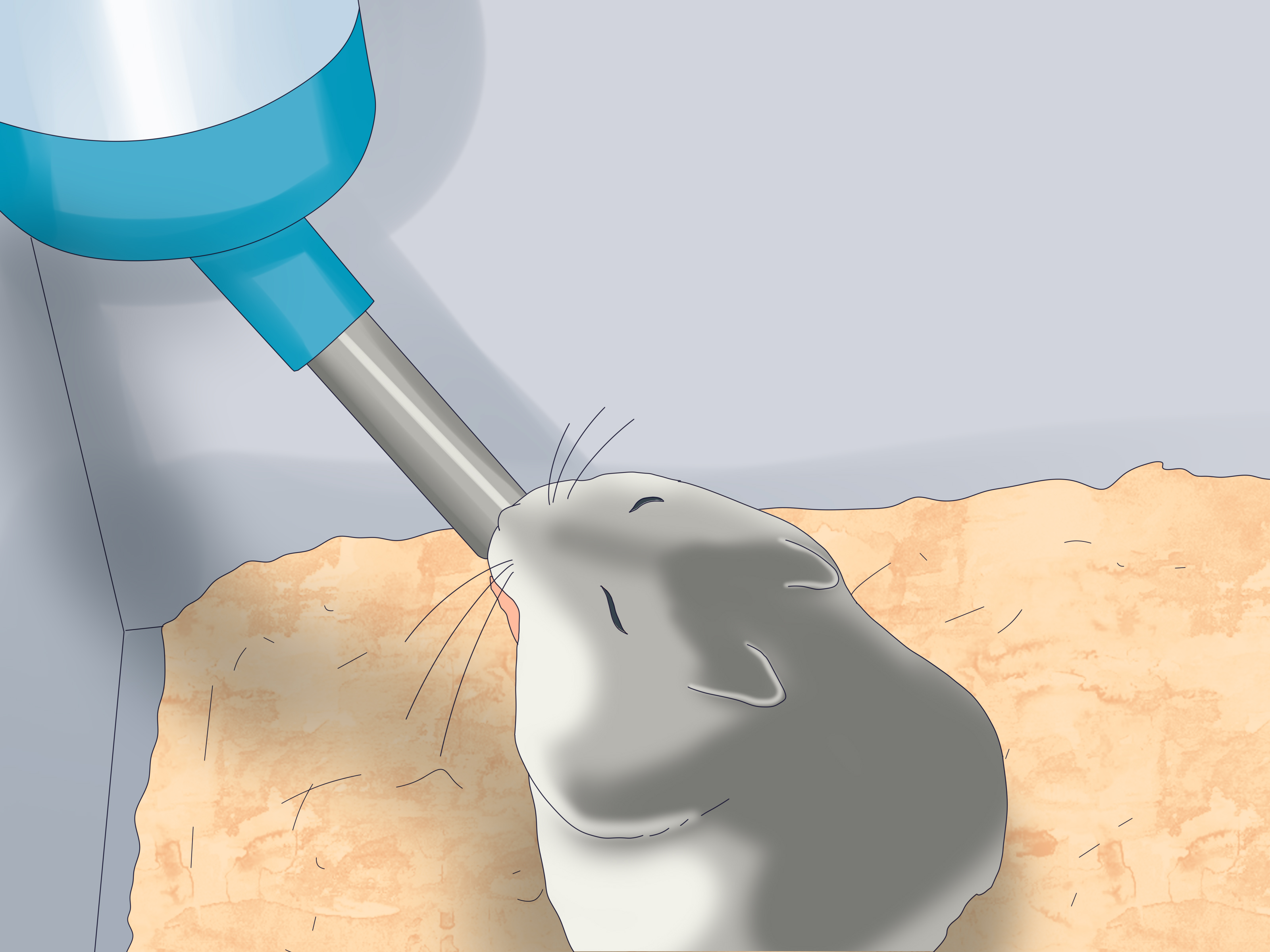
Fresh water should always be available. Most owners use a water bottle because it stays cleaner than an open dish, but the bottle must be checked daily. Tap the metal tip to make sure water comes out. A stuck water bottle can turn into a serious problem fast.
Change the water daily or at least every other day, and clean the bottle regularly. If using a small dish, choose a heavy, shallow dish and replace the water often because bedding, food, and mysterious hamster confetti will end up in it.
Feeding for Dental Health and Natural Behavior
Hamster incisors grow continuously, so chewing is not just a hobby. It is part of staying healthy. A proper diet, chew toys, untreated wood chews, and safe hard foods help support normal tooth wear. If your hamster drools, loses weight, stops eating, or seems unable to chew, see a veterinarian.
Feeding can also provide enrichment. Instead of putting every meal in a bowl, scatter part of the dry food around the enclosure or hide it in safe foraging toys. This encourages natural searching behavior and keeps your hamster active. Dwarf hamsters are built to forage, not to sit beside a bowl like a tiny accountant waiting for lunch service.
Sample Dwarf Hamster Menu
Monday
Commercial hamster food, a tiny piece of broccoli, and fresh water.
Tuesday
Commercial hamster food, a small piece of zucchini, and one dried mealworm.
Wednesday
Commercial hamster food, a small piece of romaine lettuce, and fresh water.
Thursday
Commercial hamster food, a tiny piece of cooked egg, and a few oats scattered for foraging.
Friday
Commercial hamster food, a tiny piece of cucumber, and fresh water.
Saturday
Commercial hamster food, a tiny piece of kale, and one pumpkin seed as a treat.
Sunday
Commercial hamster food, a tiny blueberry or apple piece if your hamster tolerates fruit well, and fresh water.
This menu is only an example. Adjust based on your hamster’s needs, age, weight, health, and your veterinarian’s advice. The goal is variety without chaos.
Common Feeding Mistakes to Avoid
The first common mistake is overfeeding treats. Dwarf hamsters are small, and treats add up quickly. The second mistake is giving too much fruit. Fruit may be natural, but natural sugar is still sugar. The third mistake is forgetting that hamsters hoard food. A bowl may look empty because your hamster moved everything behind the wheel like a furry prepper.
Another mistake is changing the diet too fast. Sudden changes can upset digestion. Always transition gradually. Finally, do not assume a food is safe because another pet can eat it. Guinea pigs, rabbits, rats, and hamsters have different dietary needs.
Experience-Based Tips for Feeding Dwarf Hamsters
After watching many dwarf hamster owners learn the rhythm of feeding, one pattern becomes clear: the best routine is simple, consistent, and slightly suspicious of the hamster’s acting skills. Dwarf hamsters are experts at pretending they have never been fed in their entire lives. They will stand near the bowl, blink dramatically, and look like a Victorian orphan requesting one more sunflower seed. Do not fall for it every time.
A practical experience-based approach is to measure the dry food instead of guessing. Use the same tiny spoon each day. This helps you notice whether your hamster is eating normally or suddenly leaving food behind. A change in appetite is often one of the first signs that something may be wrong. It also prevents accidental overfeeding, which is easy when the pet weighs less than a snack bar.
Another helpful habit is creating a “fresh food calendar.” You do not need anything fancy. A note on your phone works. Write down what vegetable or fruit you offered and whether your hamster tolerated it. For example: “Tuesday: broccoli, loved it, normal droppings.” Or: “Friday: cucumber, buried it under bedding like a crime scene.” Over time, you will learn your hamster’s favorites and avoid foods that cause digestive issues.
Scatter feeding is one of the easiest upgrades. Instead of serving every dry pellet in a bowl, sprinkle some around the cage, hide a few pieces in paper bedding, or place food inside a cardboard tube stuffed with plain, unscented tissue. This turns dinner into a foraging game. Many dwarf hamsters become more active and confident when they can search for food naturally. It also reduces boredom, which matters because a bored hamster may decide that chewing the cage bars is a personality.
Fresh food should be offered when your hamster is awake, usually in the evening. If you drop a tiny piece of zucchini into the cage at noon, your hamster may be asleep and the zucchini may sit there like a damp green couch cushion. Evening feeding makes it more likely your hamster eats the food fresh. Remove leftovers before they spoil, especially watery foods such as cucumber, melon, or lettuce.
One more useful trick is to keep treats tiny and meaningful. A pumpkin seed can be a jackpot reward. A crumb of plain cooked egg can be exciting. A tiny oat can be useful for bonding. You do not need large portions to make your hamster happy. In fact, smaller treats are better because they allow more interaction without turning your hamster into a rounder version of itself.
Finally, trust observation. A healthy dwarf hamster usually has steady energy, normal droppings, a clean rear end, bright eyes, and regular eating habits. If your hamster suddenly stops eating, loses weight, has diarrhea, drools, or acts unusually quiet, do not try to fix the problem with internet snack experiments. Contact an exotic pet veterinarian. Feeding is daily care, but medical problems need professional help.
The perfect dwarf hamster diet is not complicated. Start with balanced hamster food, add safe vegetables in tiny amounts, keep fruit rare, use protein treats wisely, avoid dangerous foods, and make mealtime interesting. Do that, and your dwarf hamster can enjoy a diet that is healthy, varied, and worthy of its dramatic cheek-stuffing talents.
Conclusion
Learning how to feed dwarf hamsters is mostly about balance. These tiny pets need a nutritious commercial hamster food as the foundation, with small portions of safe vegetables, occasional protein, limited seeds, and rare fruit. Avoid sugary, salty, sticky, processed, or toxic foods, and always introduce new foods slowly. Because dwarf hamsters are so small, portion control is not optional. It is the whole game.
When feeding is done well, it supports more than basic survival. It gives your hamster enrichment, exercise, natural foraging opportunities, and a happier daily routine. A good diet will not stop your hamster from hiding food in weird places, but it will help make sure those little cheek pouches are filled with the right things.

