
Body Care
How to Carve a Face in Wood
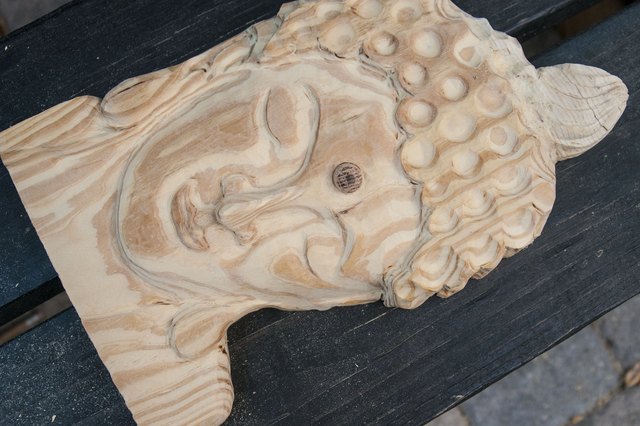
Jun
Learning how to carve a face in wood is a little like learning how to draw a portrait, except the pencil is replaced by patience, the eraser is replaced by “well, that nose lives there now,” and the paper has grain, knots, and a very strong opinion about your plans. A carved wooden face can be charming, serious, rustic, funny, mysterious, or wonderfully grumpy. In fact, some of the best beginner face carvings look like they have just heard disappointing news from a squirrel.
This guide is designed as a safe, beginner-friendly overview for readers who want to understand the process before learning hands-on from an experienced adult, instructor, or woodworking class. Woodcarving involves sharp tools and wood dust, so it should never be treated like a casual kitchen-table experiment. If you are new to the craft, start with supervised instruction, protective gear, a stable workspace, and simple practice blocks before attempting a detailed face.
The good news? You do not need to be Michelangelo with a mallet to begin. A strong wooden face comes from observation, proportion, planning, and gradual shaping. Once you understand where the forehead, brow, nose, cheeks, mouth, and chin belong, the project becomes less mysterious. It is not magic. It is geometry wearing eyebrows.
What Makes a Wooden Face Look “Alive”?
A face carved in wood feels alive when the features relate to one another. Beginners often focus on individual details too soon: one eye, one nostril, one heroic mustache. But a believable face depends on the larger structure first. The brow casts shadow over the eyes. The nose projects forward. The cheeks transition into the mouth. The chin supports the expression. Even a tiny wood spirit face on a walking stick needs this basic architecture.
Think of the face as a landscape. The forehead is a slope, the brow is a ledge, the nose is a ridge, the cheeks are hills, and the mouth is a small valley where personality gathers to gossip. If the large forms are clear, the carving can look expressive even with minimal detail. If the large forms are confused, adding more detail usually makes the face look like it lost a bar fight with a potato.
Choose the Right Wood for a First Face Carving
Wood choice matters more than beginners expect. For learning, basswood is one of the most popular carving woods in North America because it is light, soft, even-textured, and friendly to detail. Its pale color also makes it easy to see shadows as the face develops. Butternut, clear pine, and some softer maples may also be used by more experienced carvers, though each species behaves differently.
Avoid dramatic grain, heavy knots, cracks, and mystery scraps from the garage. Highly figured wood may look beautiful as lumber, but it can visually compete with facial details. Knots can interrupt the form and create hard spots. For a beginner face, boring wood is not a problem. Boring wood is a polite coworker. It lets the face be the star.
Good beginner wood qualities
- Fine, even grain
- Soft to moderate hardness
- No large knots in the face area
- Dry and stable, not splitting
- Large enough to allow simple proportions
For a first project, many learners begin with a small basswood block rather than a large log or irregular branch. A rectangular block makes it easier to mark centerlines, compare left and right sides, and understand where features belong. Once you gain confidence, natural sticks, bark-edged pieces, and walking-stick toppers can add character.
Safety Comes Before Style
Before thinking about cheekbones, think about safety. Woodcarving tools are sharp, and sanding or shaping wood can create fine dust. Work only in a stable, well-lit area with responsible adult supervision if you are under 18 or inexperienced. Keep the workpiece secured, keep your attention on the task, and stop when tired. Most bad carving decisions happen after the brain says, “One more minute,” and the hand says, “Let’s improvise.”
Wood dust is not just harmless craft glitter. Safety organizations warn that airborne wood dust can irritate the eyes, skin, nose, throat, and lungs, and long-term exposure can be harmful. Use good ventilation, collect dust where possible, and wear appropriate protection when sanding or creating dust. Clean the area after working, and avoid blowing dust into the air.
This article does not replace hands-on instruction. If you are serious about learning, a local woodworking store, carving club, community workshop, or adult-supervised class can teach safe body position, tool control, sharpening, and project setup in a way a web article cannot responsibly demonstrate.
Plan the Face Before Removing Wood
A wooden face begins long before the first shaving falls. Start with a clear idea. Are you carving a realistic human face, a folk-art face, a caricature, a wizard, a wood spirit, a theatrical mask, or a friendly forest goblin who looks like he manages a tiny post office? Each style changes the proportions.
Use reference images, sketches, or simple front-and-side drawings. You do not have to draw like a professional artist. Even a rough sketch can help you decide whether the nose is long or short, the cheeks are full or narrow, and the mouth is smiling, frowning, or silently judging your sanding technique.
Mark simple guide lines
On a practice block, visual guide lines can help organize the face. A vertical centerline keeps the features balanced. Horizontal lines can suggest the brow, bottom of the nose, mouth, and chin. These marks are planning aids, not prison bars. As the carving develops, the wood may suggest small adjustments.
Beginners should keep the design simple. Large eyes, deep wrinkles, open mouths, and delicate teeth are advanced challenges. A closed mouth, strong brow, simple nose, and broad cheeks can create plenty of expression without turning the project into a wooden dental appointment.
Understand Basic Face Proportions
Human faces vary widely, which is excellent news for carvers. If every face had to be mathematically perfect, art museums would be much more boring and caricature artists would be unemployed. Still, basic proportions help.
In a simplified front view, the eyes usually sit around the middle of the head, not high near the forehead as beginners often draw them. The nose sits below the brow and projects outward. The mouth belongs below the nose, with the chin giving the lower face weight. In many folk carvings, these proportions are exaggerated for character. A long nose can look wise or nosy. A heavy brow can look mysterious. Big cheeks can make the face warmer and more humorous.
Think in planes, not lines
A common beginner mistake is treating the face like a drawing scratched onto a flat board. A carved face is three-dimensional. The forehead, brow, nose, cheeks, lips, and chin are planes that catch light differently. Instead of asking, “Where do I draw the eye?” ask, “Where does the brow create shadow? Where does the cheek turn away? Where does the nose stand proud of the face?”
This mental shift makes a big difference. Lines decorate the surface, but planes create form. When the planes are right, even a simple face can feel convincing.
Work From Big Shapes to Small Details
The safest and smartest learning approach is to think from general to specific. First establish the overall head shape. Then define the brow, nose area, cheek mass, mouth area, and chin. Only after the major forms make sense should details such as eyelids, nostrils, lips, wrinkles, hair, beard texture, or eyebrows be considered.
Many beginners do the opposite. They lovingly fuss over one eye before the nose or cheeks exist. The result is often one beautiful eye floating in a wooden pancake. Larger structure first; personality second; tiny drama last.
For a first face, aim for readable features rather than tiny realism. A clear brow ridge, simple nose, soft cheeks, and closed mouth will teach more than an overcomplicated design. If you want a wood spirit, the mustache, beard, and hair can hide early mistakes. This is not cheating. This is ancient artistic diplomacy.
The Brow and Nose Carry the Expression
In many carved faces, especially folk-art and wood spirit designs, the brow and nose do much of the emotional work. A lowered brow can make the face serious. A raised brow can make it surprised. A long nose gives character. A short nose feels softer. A crooked nose can be charming, as long as it looks intentional. If it does not look intentional, call it “rustic.”
The nose is usually the most projecting feature, so it should be planned early. The eyes sit back under the brow, while the cheeks transition outward and downward. When beginners flatten the nose too soon, the whole face can lose depth. The trick is to preserve enough material for the nose and brow while gradually shaping the surrounding areas.
Make the Eyes Simple at First
Eyes are intimidating because humans are extremely good at reading them. We can detect a strange eye faster than we can find our missing phone charger. Fortunately, beginner wood faces do not need realistic eyeballs. In many styles, shadow under the brow suggests the eye more effectively than detailed carving.
Start by thinking of the eye area as a shadow pocket beneath the brow. The upper lid is usually more important than the eyeball itself. In small carvings, a simple angled plane or shallow almond shape can be enough. Overworking the eyes can make a face look startled, sleepy, or haunted by tax paperwork.
Shape the Mouth With Restraint
The mouth is another area where less can be more. A deep, wide mouth can quickly dominate the face. For beginners, a closed mouth or subtle smile is easier to manage than open lips, teeth, or dramatic expressions. The upper lip is often quieter than people expect, while the lower lip and chin create important shadow and form.
Before adding a smile, study how smiles affect the cheeks. A happy mouth is not just a curved line. The cheeks lift, the corners change, and the lower face softens. Even in a simple carving, connecting the mouth to the cheek forms makes the expression more believable.
Add Hair, Beard, or Texture Last
Hair and beard texture can bring a wooden face to life, but it should come after the main forms are established. Texture cannot rescue weak structure forever. It can, however, distract from small imperfections, add movement, and give the carving style.
For a wood spirit, flowing hair and beard shapes can frame the face beautifully. For a caricature, eyebrows and mustaches can exaggerate personality. For a mask-like face, smooth surfaces may be more powerful than texture. Choose texture that supports the character rather than sprinkling lines everywhere like decorative confetti.
Sanding and Surface Finish
Some carvers prefer a tooled surface, where the marks of the carving process remain visible. Others sand the piece smooth for painting, staining, or sealing. Both choices can work. A tooled surface catches light and gives a handmade feel. A smoother surface can make the face softer and more polished.
When sanding, remember the dust issue. Use ventilation and appropriate protection, especially with unfamiliar woods. Some species can cause stronger reactions than others. If the carving will be handled often, a simple protective finish can help keep dirt and moisture away. Paint can create folk-art charm, while oil or wax can emphasize the natural wood. Test finishes on scrap whenever possible, because finishes have a talent for surprising people at the worst possible moment.
Common Beginner Mistakes
Starting too small
Tiny faces are harder than they look. A slightly larger practice block gives you room to understand planes and proportions.
Adding details too early
Details should come after the head, brow, nose, cheeks, mouth, and chin are working together.
Ignoring the grain
Wood grain affects strength, surface quality, and how details read. Straight, even grain is easier for learning.
Making both sides identical too soon
Faces are naturally asymmetrical. Aim for balance, not robotic perfection.
Working while tired
Fatigue ruins focus. It also encourages rushed choices. A carving can wait. Your fingers and lungs deserve better.
How to Practice Without Ruining Your Favorite Block
Practice faces on scrap basswood or inexpensive blanks before attempting your “official” project. Try carving only noses. Then try brow-and-eye studies. Then make a simple mouth and chin. Small studies reduce pressure and teach you how forms connect. They also create a delightful pile of wooden heads that look like a village council of confused potatoes.
Another useful practice method is drawing face planes on paper. Shade the brow, nose, cheeks, and chin as simple blocks of light and shadow. This trains your eye before you touch wood. Clay modeling can also help because it lets you build and adjust forms without grain. The more you understand the face as a 3D structure, the better your wood carving will become.
Style Ideas for a Wooden Face
Once you understand the basics, you can explore different styles. A realistic face focuses on anatomy and subtle transitions. A caricature exaggerates features for humor. A wood spirit uses flowing hair, beard, and natural shapes. A mask simplifies the face into bold planes. A folk-art figure may use strong outlines, paint, and charming irregularity.
Do not rush into realism if you are new. Realism is rewarding, but it is also demanding. Folk carving and wood spirits are more forgiving because character matters more than precision. A slightly uneven eyebrow can look expressive. A crooked smile can look mischievous. A lopsided beard can look like the forest had a long week.
Experience Notes: What Carving a Wooden Face Teaches You
The first thing many learners discover is that woodcarving is not fast. Videos may make it look like a face appears in ten minutes, but real learning happens slowly. You mark the block, study the shape, make a cautious change, turn the piece, look again, and realize the nose has developed ambitions. That is normal. Woodcarving teaches patience because the material refuses to be rushed.
One of the most useful experiences is learning to stop before you go too far. In drawing, you can erase. In digital art, you can press undo. In wood, “undo” is mostly a philosophical concept. This makes planning important, but it also makes the craft exciting. Every decision has weight. You learn to observe before acting, and that habit improves every creative project you touch.
Another lesson is that mistakes often become style. A cheek that looks too full may turn into a jolly character. A nose that leans slightly can make the face memorable. A brow that becomes heavier than planned may create a wise old woodland guardian. Beginners sometimes apologize for these quirks, but viewers often enjoy them. Handmade work should not look like it came from a factory with a personality removal department.
Carving a face also improves your ability to see light. You begin noticing shadows under real noses, the way cheeks curve beside the mouth, and how eyebrows change expression. Suddenly, every face in a movie becomes a reference study. Even waiting in line at the grocery store becomes art research, though it is polite not to stare intensely at strangers’ cheekbones.
The most satisfying moment usually comes when the carving finally looks back at you. It may happen before the details are finished. One shadow under the brow, one cheek plane, or one small mouth shape suddenly creates personality. That moment is addictive. The block stops being “wood” and starts being “someone.” Maybe that someone is a wizard, a sailor, a grandparent, a tree spirit, or a tiny grump who disapproves of modern furniture.
Finishing the piece brings another kind of lesson. Paint can make features pop, but it can also cover subtle carving. Stain can warm the wood, but uneven absorption may surprise you. A clear finish can preserve the natural look, but it will not hide rough planning. The best finish supports the carving rather than trying to perform a rescue mission.
Finally, carving a wooden face teaches humility in the best way. You learn that improvement comes from repetition, not from one perfect project. Your first face may be awkward. Your second may be less awkward. Your tenth may have real charm. Your fiftieth may make people ask how you did it. The answer will be simple: you paid attention, practiced safely, learned from better carvers, and kept going after the first wooden fellow looked like he smelled burnt toast.
Conclusion
Learning how to carve a face in wood is a rewarding blend of art, observation, patience, and respect for the material. Start with a beginner-friendly wood such as basswood, plan the face with simple guide lines, think in large planes before small details, and focus on expression rather than perfection. Most importantly, learn safely. Sharp tools, dust, and unstable workpieces are real concerns, so beginners should work with experienced adult supervision, proper protection, and a controlled workspace.
A great carved face does not need to be flawless. It needs character. The little asymmetries, tool marks, and unexpected expressions are part of the charm. Wood has a voice of its own, and the best carvers learn to listen before shaping. With practice, a plain block can become a face with mood, humor, history, and just enough eyebrow attitude to keep things interesting.

