
Hair Care
How Does a Parcel/Delivery Box Work
Jun
A parcel delivery box is the quiet little security guard your porch has been begging for. It does not wear sunglasses, it does not drink coffee, and it will not judge how often you order “just one more thing” online. Its job is simple: give delivery drivers a safe place to drop packages and give you a locked, weather-protected place to retrieve them later.
In plain English, a parcel box works like a secure package mailbox. A courier places the delivery into the box through a lid, hatch, drawer, smart-lock opening, or one-way drop system. Once the parcel is inside, the box prevents casual removal until the homeowner opens it with a key, combination lock, keypad, app, or access code. Some models are basic and mechanical. Others are smart delivery boxes with notifications, delivery modes, and remote unlocking.
The idea exists because modern home delivery has outgrown the old front-door drop-off. Shoes, groceries, medication, electronics, pet food, birthday gifts, and mystery boxes from online retailers now arrive at all hours. A package sitting in the open can be damaged by rain, cooked by sun, or “adopted” by a porch pirate with suspiciously quick hands. A delivery box reduces those risks by hiding the package, securing it, and making the delivery process more predictable.
What Is a Parcel/Delivery Box?
A parcel delivery box, also called a package drop box, porch delivery box, parcel locker, or secure delivery box, is a container designed to receive packages when no one is home. Residential models usually sit near the front door, porch, gate, garage, or curb. Apartment and community versions may be built into a cluster mailbox area or installed as electronic parcel lockers in a shared space.
The basic mission is always the same: let the carrier put the item in, but stop everyone else from taking it out. That one-way idea is the magic trick. A good box does not need to be complicated; it only needs to make theft, weather damage, and missed deliveries less convenient than leaving the package alone.
How Does a Parcel Delivery Box Work?
1. The driver finds the box
The process begins before the lid opens. You place the parcel box where couriers naturally look for deliveries: near the front door, beside the garage, at the gate, or beside the mailbox area if local rules allow. The box should be visible enough for drivers but not so visible that it becomes a neon sign reading, “Packages live here.”
Most homeowners help carriers by adding delivery instructions through Amazon, UPS My Choice, FedEx Delivery Manager, USPS delivery preferences, or retailer checkout notes. A simple instruction such as “Please place packages inside the black delivery box by the front door” can make a big difference. Some people also attach a small sign to the lid for the first few weeks, because even excellent drivers are not mind readers.
2. The courier opens the delivery compartment
Different boxes open in different ways. A simple mechanical parcel box may have an unlocked top hatch. A one-way drop box may use a drawer, chute, or two-tray system that lets the package fall into a lower locked compartment. A smart delivery box may remain unlocked until the first delivery is made, then automatically lock once the lid closes.
Some advanced boxes use a keypad or delivery PIN. The homeowner can give a temporary code to a carrier, neighbor, house sitter, or family member. Other smart boxes use an app so the owner can unlock the box remotely after receiving a delivery alert. Think of it like a hotel safe, a mailbox, and a tiny bouncer all sharing the same job description.
3. The package goes inside
After opening the compartment, the driver places the package into the box and closes the lid or hatch. With mechanical boxes, the package may slide or drop into a protected chamber. With smart boxes, the lid sensor or lock mechanism may detect that the box has been closed and switch into locked mode.
The best parcel boxes make this step fast. Delivery drivers are busy, and a box that requires a twelve-step ritual, a secret handshake, and a dramatic reading of the instruction manual may be ignored. A good box should be obvious: open, drop, close, done.
4. The box locks or blocks access
Security happens in one of several ways. A traditional parcel box may use a key lock, padlock, cam lock, or combination lock. A one-way hopper design blocks hands from reaching down into the storage area. A smart delivery box may use an electronic lock that auto-locks after delivery. Some models also include tamper-resistant hinges, heavy-duty metal panels, reinforced lids, or anchoring points.
Anchoring matters more than many buyers expect. A box that locks beautifully but can be carried away like a picnic cooler is only halfway secure. Better boxes can be bolted to concrete, attached to a wall, weighted with sand, or tethered to a fixed object. The goal is not to build Fort Knox on your porch; it is to make the package harder to steal than the thief is willing to bother with.
5. You retrieve the delivery
When you get home, you unlock the box and remove the package. Depending on the model, you may use a physical key, combination, keypad code, smartphone app, or remote unlock feature. Smart models may send a push notification when the lid closes, so you know a package has arrived without staring out the window like a suspicious neighborhood squirrel.
Main Types of Parcel Delivery Boxes
Standard lockable porch boxes
These are the simplest models. They look like sturdy storage bins or small outdoor cabinets, but they include a locking mechanism. Some require the driver to close a latch after placing the package inside. Others stay unlocked until the homeowner locks them manually. They are usually affordable, easy to install, and suitable for homeowners who want basic weather protection and package concealment.
One-way drop boxes
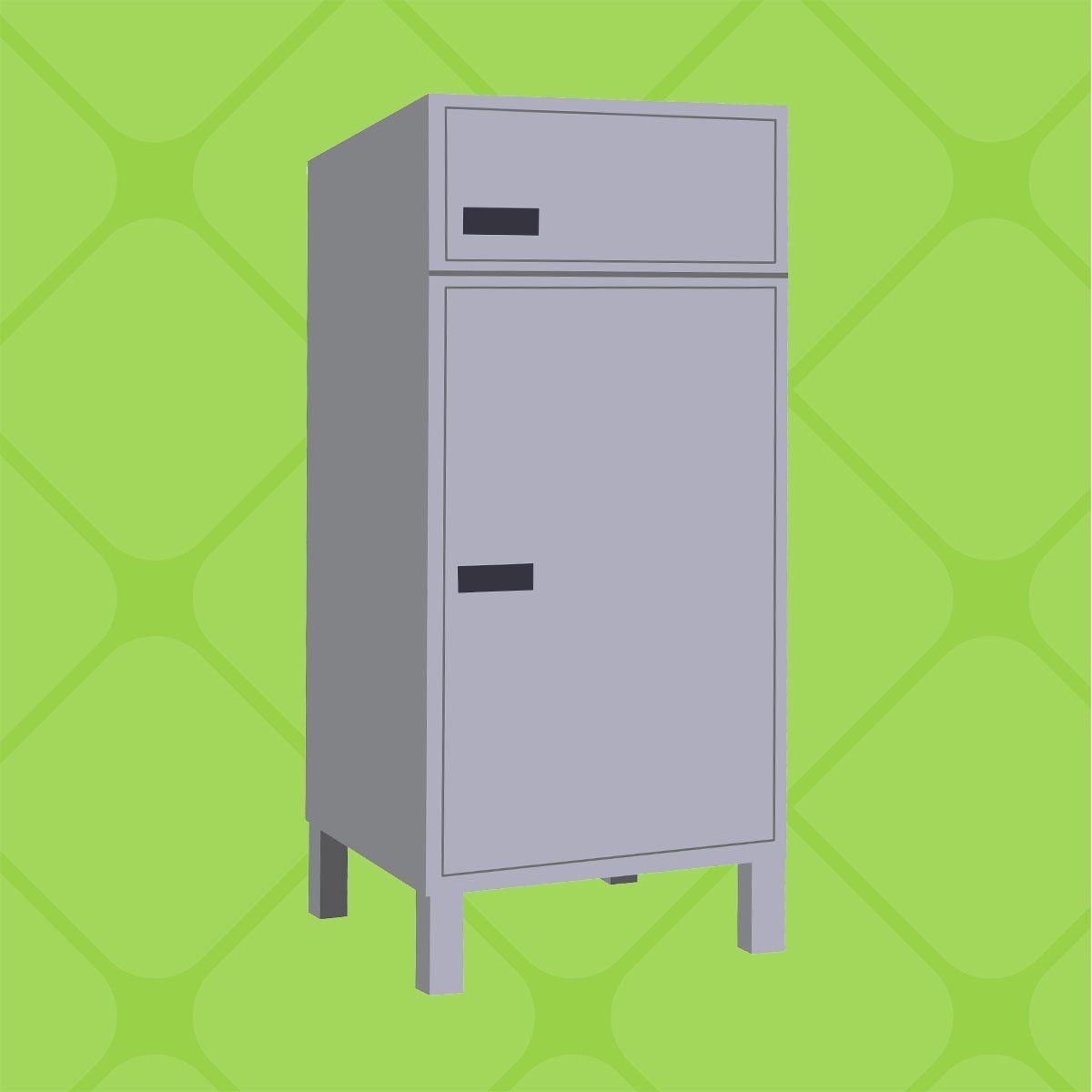
One-way parcel boxes are popular because they solve a common problem: how can a driver deliver without needing your key? These boxes use a chute, drawer, hopper, or two-tray design. The driver opens the top section, puts the package in, and closes it. The package drops into a lower locked area that cannot be accessed from the top.
This design is especially useful for everyday deliveries such as small retail boxes, clothing orders, books, cosmetics, and accessories. However, size matters. If you regularly order giant bags of dog food, lawn tools, or furniture that arrives in a box roughly the size of a sleeping refrigerator, you will need a larger solution.
Smart delivery boxes
Smart parcel boxes add electronics to the system. Common features include app control, delivery notifications, keypads, temporary access codes, lid sensors, remote unlocking, and auto-locking after delivery. Some models can be integrated with smart home systems or connected through Wi-Fi bridges.
The advantage is flexibility. If you expect multiple deliveries in one day, you may be able to unlock the box again from your phone. If you want to give a trusted neighbor access, you can provide a code instead of hiding a key under a flowerpot like it is still 1987.
Carrier parcel lockers
Carrier and community parcel lockers work differently from a private porch box. USPS parcel lockers are often found with cluster box units, PO Box areas, apartment communities, and neighborhood delivery systems. When a package is too large for a regular mailbox, the carrier places it into a parcel locker and provides the recipient with a key or access method.
Amazon Lockers, UPS Access Points, and similar pickup locations also provide secure alternatives to home delivery. Instead of having a package left at your door, the item is sent to a locker, counter, or participating local business. You receive instructions, a code, or a barcode, then pick up the package when convenient.
Key Parts of a Good Delivery Box
Weather protection
A delivery box should protect packages from rain, snow, sun, dust, and sprinkler betrayal. Look for water-resistant or weatherproof materials, raised floors, overlapping lids, sealed seams, and rust-resistant finishes. Plastic resin boxes can resist corrosion, while powder-coated metal boxes often feel stronger and more permanent.
Security design
Security is more than a lock. A useful parcel box should conceal packages from street view, resist quick grabbing, and limit pry points. A box with a top hatch should prevent someone from fishing packages back out. A box with a front door should have a reliable lock and hinges that are not easy to attack.
Capacity
Before buying, measure the packages you usually receive. A box that fits only tiny parcels may be adorable, but adorable does not help when your new air fryer arrives. Many homeowners choose a medium-to-large model because e-commerce packaging tends to be generous. Sometimes the product is small, but the box arrives with enough air pillows to float a canoe.
Driver-friendly instructions
The easier the box is for drivers, the more likely they are to use it. Clear labeling, simple operation, good placement, and delivery notes all help. If a carrier has to hunt for the box behind a shrub, climb three stairs, decode a keypad, and move a bicycle, the package may still land on the doormat.
Anchoring and placement
A secure box should stay put. Place it on a flat surface, away from standing water, and close to the normal delivery path. If possible, bolt it down, tether it, or add weight according to the manufacturer’s instructions. For renters, a weighted box may be better than drilling into a porch without permission from the landlord.
Do Delivery Drivers Actually Use Parcel Boxes?
Usually, yesif the box is obvious, easy, and included in your delivery instructions. Drivers from major carriers are used to special delivery notes, lockers, apartment package rooms, and secure drop areas. The less friction you create, the better.
To improve success, update delivery preferences with each carrier. Add instructions at checkout when possible. Put a visible label on the box. Keep the lid clear and accessible. If your box uses a PIN, make sure the driver can find the code in the delivery note. Do not require the driver to call you unless absolutely necessary; most routes are too fast-paced for phone tag.
If the box is full, locked after the first delivery, or too small for the package, the driver may leave the item nearby, attempt redelivery, or take it to a pickup point depending on carrier policy and shipment type. This is why smart boxes with remote unlocking can be helpful for households that receive multiple packages in a single day.
Parcel Box vs. Parcel Locker: What Is the Difference?
A parcel delivery box is usually private and belongs to one household. It sits on your property and receives your packages. A parcel locker is often shared, managed by a carrier, retailer, apartment building, university, workplace, or pickup network. Lockers typically use keys, barcodes, QR codes, electronic screens, or access codes.
Home delivery boxes are convenient because packages come directly to your address. Shared lockers are useful when your home is not safe for unattended deliveries, when you travel frequently, or when you live in a building with package management problems. The best choice depends on your routine, address type, package volume, and tolerance for walking to a locker in pajamas.
Benefits of Using a Parcel Delivery Box
It reduces package theft risk
A parcel box makes theft less convenient. It hides packages from casual view and can physically lock them away. It is not an invisible force field, but it removes the easiest opportunity: a package sitting openly on the porch.
It protects packages from weather
Rain can turn cardboard into oatmeal. Sun can overheat sensitive items. Wind can relocate small packages to the neighbor’s bushes. A delivery box keeps parcels in a stable, covered location until you retrieve them.
It helps prevent missed deliveries
Some deliveries require a safer drop location, especially in apartments, urban neighborhoods, or homes close to the sidewalk. A lockable box gives carriers a better option than leaving the package in plain sight or marking it undeliverable.
It adds convenience
You do not have to rush home, ask a neighbor for help, or track the delivery truck like it owes you money. With a parcel box, you can shop online with fewer worries and retrieve packages on your schedule.
Limitations You Should Know Before Buying
A delivery box is useful, but it is not perfect. Oversized packages may not fit. Some signature-required items still need a person. Perishable groceries may require insulation or faster pickup. High-value shipments may be better sent to a carrier pickup location. And no box can guarantee protection against a determined thief with tools and too much free time.
There is also the human factor. Drivers need to notice the box and understand how to use it. That means homeowners should make the box visible, keep instructions simple, and avoid models that look like patio storage unless clearly labeled. A parcel box should say, “Packages go here,” not “Maybe this is where garden gloves retire.”
How to Choose the Right Parcel Box
For small homes and occasional deliveries
Choose a simple lockable porch box or compact one-way drop box. It should fit common packages, resist weather, and be easy to place near the door. This is ideal for households that mostly receive clothing, books, personal care items, and small electronics.
For frequent online shoppers
Choose a larger box with strong anchoring options. If you often receive several packages a day, consider a smart model that can be unlocked more than once or left in delivery mode until the final drop.
For apartments and shared buildings
A personal porch box may not be allowed or practical. In that case, use building parcel lockers, Amazon Locker, UPS Access Point, FedEx pickup options, or USPS Hold for Pickup when available. Property managers may also install shared smart locker systems to reduce package room chaos.
For food and grocery deliveries
Look for insulated inserts, cooler bags, or a box designed for perishables. Even then, collect food quickly. A parcel box can slow temperature changes, but it cannot turn your porch into a commercial refrigerator.
Installation Tips for Better Results
Start by choosing a location that is visible to drivers and sheltered from heavy weather. Near the front door is usually best. If your entry is far from the street, consider placing the box at the gate or driveway, but only if local rules and security conditions make sense.
Next, stabilize the box. Use the manufacturer’s hardware when bolting it down. If bolting is not possible, add weight, sand, or a tether if the model allows it. Then label the box clearly. A small sign that says “Deliver packages here” can save everyone confusion.
Finally, update your delivery profiles. Add instructions for major carriers and retailers. Test the setup with a low-value order before trusting it with expensive electronics. If the package lands inside the box, celebrate responsibly. If it lands on top of the box, adjust the instructions and try again.
Experience Section: What Using a Parcel Delivery Box Is Really Like
The first thing you notice after using a parcel delivery box is how much calmer package day becomes. Before the box, every delivery alert can feel like a tiny emergency. Your phone buzzes, the carrier photo shows a package on the porch, and suddenly you are mentally calculating how fast a porch pirate can sprint. With a delivery box, the alert becomes less dramatic. The package is not sitting in the open. It is tucked away, locked up, and waiting like a well-behaved cardboard guest.
In real daily use, the biggest success factor is driver training. Not formal training, of courseno one is hosting a seminar called “Please Use My Box 101.” It is more like gentle repetition. Clear delivery notes help. A visible sign helps. Placing the box exactly where the driver already walks helps most of all. After a few deliveries, regular route drivers usually understand the routine. Open the lid, drop the package, close it, move on.
The second thing you learn is that size matters more than marketing photos suggest. Many product pictures show neat little parcels sliding perfectly into the box. Real life brings variety. One day it is a paperback book. The next day it is a tiny phone charger shipped in a box large enough for camping gear. A larger delivery box may look bulky at first, but it often feels smarter after a few weeks of unpredictable package sizes.
Weather protection is another underrated benefit. Even when theft is not a major concern, rain can ruin the day. A parcel box keeps cardboard from getting soggy, labels from peeling, and fabric items from smelling like wet driveway. In hot climates, shade and ventilation matter too. For groceries or meal kits, an insulated insert can help, but fast pickup is still important. Ice packs are brave, but they are not superheroes.
Smart delivery boxes add convenience, especially when multiple packages arrive from different carriers. Getting a phone notification when the lid closes feels reassuring. Remote unlocking is handy when the first package locks the box and another delivery is still on the way. However, smart features depend on batteries, Wi-Fi, setup, and app reliability. A mechanical box is simpler; a smart box is more flexible. The best choice depends on whether you prefer “set it and forget it” or “control it from my phone like a porch commander.”
The biggest lesson is that a parcel box works best as part of a system. Pair it with delivery alerts, carrier instructions, good lighting, and common sense. Use pickup lockers for expensive items. Require signatures when the package truly matters. Ask neighbors for help during vacations. The box is not a magic spell, but it is a practical upgrade that makes everyday deliveries safer, cleaner, and less stressful.
Conclusion
A parcel delivery box works by giving couriers a secure place to deposit packages and giving homeowners controlled access afterward. Whether it uses a simple lock, a one-way chute, a smart keypad, or an app-based auto-locking system, the goal is the same: protect deliveries from theft, weather, confusion, and the awkward sport of chasing packages across the porch in the rain.
The best parcel box is easy for drivers, large enough for your usual orders, weather-resistant, and difficult to remove or pry open. For many households, it is one of the simplest home upgrades for online shopping peace of mind. Your porch may not become a high-security warehouse, but it will become a much less tempting buffet for porch pirates.

