
Beauty Unlocked
How Cancer Immunotherapy Extended Jimmy Carter’s Life
Jun
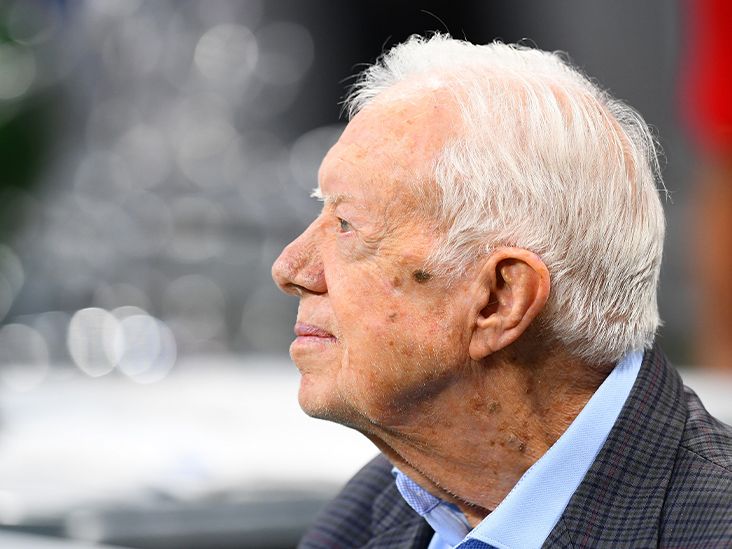
When Jimmy Carter announced in 2015 that melanoma had spread to his liver and brain, the news sounded grim. A 90-year-old former president facing metastatic cancer is not exactly the setup for a medical comeback story. Yet Carter did what he had done throughout much of his public life: he calmly explained the facts, followed the plan, and somehow turned a frightening diagnosis into a teachable national moment.
His story became one of the most visible examples of how cancer immunotherapy can change the outlook for certain patients with advanced melanoma. Carter did not survive because of one magic shot, one miracle headline, or a peanut-farmer superpower, though the last one is tempting. His extended life after cancer treatment reflected a carefully coordinated plan: surgery to remove a liver tumor, stereotactic radiation to target brain lesions, and pembrolizumab, better known by the brand name Keytruda, to help his immune system recognize and attack melanoma cells.
By December 2015, only months after his diagnosis became public, Carter said scans showed no signs of the original brain cancer spots or new ones. He went on to live for nearly a decade after that diagnosis, eventually dying peacefully at home in Plains, Georgia, on December 29, 2024, at age 100. For patients, caregivers, doctors, and science watchers, his case remains a powerful example of what modern immunotherapy can sometimes do: not merely shrink tumors, but give people more meaningful time.
The Diagnosis That Shocked the Country
In August 2015, Carter revealed that doctors had found melanoma after surgery on a mass in his liver. Further testing showed that the cancer had also reached his brain, where four small lesions were discovered. Melanoma is often discussed as a skin cancer, but advanced melanoma can travel to organs such as the liver, lungs, and brain. Once it spreads that far, it becomes far more difficult to treat.
Before the modern immunotherapy era, metastatic melanoma was one of oncology’s most stubborn villains. It did not politely wait its turn. It often resisted traditional chemotherapy, moved quickly, and left doctors with limited tools. For decades, a diagnosis involving both liver and brain metastases would have suggested a very short timeline for many patients.
Carter’s case arrived at a turning point. Cancer science had spent years learning how tumors hide from the immune system. New drugs were beginning to remove those disguises. Pembrolizumab had received accelerated FDA approval for certain advanced melanoma patients in 2014, just one year before Carter’s diagnosis. In medical timing, that is not “old reliable”; that is practically fresh out of the laboratory oven.
What Is Cancer Immunotherapy?
Cancer immunotherapy is a treatment approach that helps the body’s own immune system fight cancer. Unlike chemotherapy, which directly attacks rapidly dividing cells, immunotherapy tries to improve immune recognition and response. Think of chemotherapy as sending in a wrecking crew. Immunotherapy is more like removing the blindfold from the security team already inside the building.
The type of immunotherapy Carter received is called an immune checkpoint inhibitor. The immune system naturally uses checkpoint proteins to prevent overreaction. That is usually a good thing. Without checkpoints, the immune system could attack normal tissues too aggressively. But cancer cells can exploit those checkpoints, using them as biological fake IDs to avoid immune attack.
Pembrolizumab targets PD-1, a checkpoint protein found on T cells. T cells are immune cells that can identify and destroy abnormal cells, including cancer cells. When PD-1 is activated, it can slow or suppress the immune response. By blocking PD-1, pembrolizumab helps release the brakes, allowing T cells to respond more strongly to melanoma cells.
That does not mean the immune system suddenly becomes a superhero with a cape and dramatic theme music. Immunotherapy does not work for everyone, and it can cause serious immune-related side effects. But for some patients, especially in melanoma, checkpoint inhibitors have produced durable responses that were once rare.
Jimmy Carter’s Treatment Plan: A Three-Part Strategy
1. Surgery Removed the Liver Tumor
Carter’s doctors first removed a tumor from his liver. Surgery can be useful when a tumor is isolated or when doctors need tissue to understand exactly what kind of cancer they are dealing with. In Carter’s case, molecular testing helped confirm metastatic melanoma. That information mattered because melanoma treatment had changed dramatically by 2015.
2. Stereotactic Radiation Targeted Brain Lesions
Carter also received stereotactic radiation therapy for the four small melanoma spots in his brain. This is a highly focused form of radiation designed to deliver treatment precisely to tumor targets while limiting exposure to surrounding tissue. In plain English: it is radiation with better aim than a teenager trying to toss laundry into a basket from across the room.
Brain metastases are serious because the brain is delicate territory. Traditional treatment options can be limited, especially in older patients. In Carter’s case, the combination of targeted brain radiation and systemic immunotherapy created a one-two punch: radiation addressed visible brain lesions, while pembrolizumab helped train the immune system to fight melanoma throughout the body.
3. Pembrolizumab Helped the Immune System Fight Back
Carter’s treatment plan included four infusions of pembrolizumab at three-week intervals. At the time, this drug represented a major advance in melanoma care. Clinical research had shown that pembrolizumab improved progression-free survival and overall survival for patients with advanced melanoma compared with older checkpoint therapy in key studies.
The important point is not that Carter received a “celebrity treatment.” He received a scientifically grounded therapy that was becoming part of a new standard of cancer care. His public profile simply made the science visible to millions of people who might otherwise have ignored oncology news unless it came with a side of coffee and a weather forecast.
Why Melanoma Was a Good Target for Immunotherapy
Melanoma is one of the cancers where immunotherapy has made some of its most dramatic early gains. One reason is that melanoma tumors often carry many mutations. These mutations can create abnormal markers that help the immune system recognize cancer cells as foreign, especially when checkpoint inhibitors remove the signals that keep immune responses suppressed.
That does not make melanoma easy to treat. It remains a dangerous cancer when advanced. But compared with some tumors that are “colder,” meaning less visible to the immune system, melanoma can be more immunogenic. In the right patient, with the right tumor biology, immunotherapy can produce responses that last long after treatment begins.
Carter’s response helped the public understand a major shift in cancer care. For years, many people thought of cancer treatment mostly as surgery, chemotherapy, and radiation. His case introduced a broader audience to a fourth pillar: immunotherapy. Suddenly, dinner-table conversations included terms like “PD-1 inhibitor,” which is impressive because most dinner tables can barely survive a debate over who forgot to buy paper towels.
How Much Did Immunotherapy Extend Carter’s Life?
No responsible doctor can say with mathematical certainty exactly how many years pembrolizumab added to Jimmy Carter’s life. Cancer outcomes depend on many factors: tumor biology, treatment timing, overall health, immune response, age, side effects, and luck. Medicine is science, but the human body still enjoys keeping a few plot twists.
Still, the broad picture is clear. Carter had metastatic melanoma involving the liver and brain in 2015. Historically, that combination often carried a poor prognosis. After receiving surgery, radiation, and pembrolizumab, he showed no evidence of the original brain lesions within months. He then lived until age 100, nearly nine and a half years after the diagnosis became public.
That timeline is extraordinary. It does not mean every patient with metastatic melanoma can expect the same result. It does mean that immunotherapy helped make outcomes possible that would have seemed unlikely in earlier decades. Carter’s story became a living case study in durable response: cancer control that lasts far longer than short-term tumor shrinkage.
Why Carter’s Case Was More Than a Medical Headline
Carter’s cancer journey mattered partly because of who he was. As the 39th president of the United States, a Nobel Peace Prize winner, and a humanitarian known for global health work, he had a public voice that carried weight. When he calmly discussed metastatic melanoma and his treatment plan, he demystified a frightening diagnosis.
He also modeled something rare in public life: clarity without drama. He did not frame his illness as a battle scene with trumpets. He spoke plainly about his doctors, his treatment, and his peace with uncertainty. For patients and families, that kind of honesty can be as meaningful as any slogan. Cancer is scary enough without forcing everyone to speak in movie-trailer language.
His openness also helped immunotherapy enter mainstream awareness. Many Americans first heard about pembrolizumab because Carter received it. That visibility helped people ask better questions: What is immunotherapy? Is it available for my cancer type? What are the side effects? How is it different from chemotherapy? Those questions are exactly how medical literacy begins.
The Science Behind Durable Responses
One of the most fascinating features of immunotherapy is immune memory. When the immune system learns to recognize a threat, it may continue responding even after treatment ends. This is why some patients experience long-lasting control of cancer after checkpoint inhibitor therapy.
In melanoma, researchers have seen cases where tumors shrink, stabilize, or disappear for extended periods. Some patients remain cancer-free for years. The word “cure” is used carefully in oncology, especially with metastatic disease, but long-term remission is no longer as rare as it once was for certain melanoma patients.
Pembrolizumab and related drugs do not directly poison cancer cells. Instead, they change the immune environment. They make it harder for cancer cells to hide behind checkpoint signals. When this works, the effect can be powerful because the immune system is adaptable, mobile, and capable of surveillance throughout the body.
Immunotherapy Is Powerful, But Not Perfect
Carter’s case is inspiring, but it should not be oversold. Immunotherapy can cause side effects because an activated immune system may attack healthy organs. These immune-related reactions can affect the skin, colon, liver, lungs, thyroid, and other parts of the body. Some side effects are mild. Others can be serious and require urgent medical attention.
Another limitation is response rate. Some patients respond dramatically. Others have stable disease. Some do not respond at all. Researchers continue studying biomarkers, tumor genetics, immune signatures, and combination therapies to understand who is most likely to benefit.
Cost and access also matter. Immunotherapy drugs can be expensive, and not every patient has equal access to specialized cancer centers, clinical trials, or expert oncologists. Carter’s story highlights scientific progress, but it also reminds us that medical breakthroughs must reach ordinary patients, not just famous ones with recognizable smiles and Secret Service memories.
What Patients Can Learn From Carter’s Story
The first lesson is that diagnosis details matter. “Cancer” is not one disease. Melanoma, lung cancer, breast cancer, lymphoma, and colon cancer all behave differently. Even within melanoma, tumors can vary based on mutations, immune activity, and treatment history. The more precise the diagnosis, the more targeted the treatment plan can become.
The second lesson is that second opinions can be valuable, especially for advanced cancer. Major cancer centers often have access to multidisciplinary teams, molecular testing, immunotherapy expertise, and clinical trials. That does not mean every patient must travel across the country, but it does mean patients should feel empowered to ask whether their case has been reviewed with current treatment options in mind.
The third lesson is that hope and realism can coexist. Carter did not pretend cancer was harmless. He also did not assume the worst. His approach was practical: understand the facts, accept expert care, and keep living. That mindset will not change tumor biology, but it can help patients and families make clearer decisions during a chaotic time.
Experience-Based Reflections: What Carter’s Case Teaches Families, Patients, and Caregivers
Stories like Jimmy Carter’s often become larger than the medical chart. They enter waiting rooms, family kitchens, online support groups, and quiet car rides after oncology appointments. For many families, the most powerful part of Carter’s experience was not just that immunotherapy worked. It was that his case made a terrifying word, metastatic, feel slightly less final.
Anyone who has watched a loved one face cancer knows the emotional whiplash. One day, the family is discussing lunch. The next, everyone is learning medical vocabulary at Olympic speed. Suddenly, words like “lesion,” “scan,” “infusion,” and “metastasis” become part of normal conversation. Carter’s public explanation gave people a template for asking questions without panic. What type of cancer is it? Where has it spread? What treatments are available? Is immunotherapy appropriate? What side effects should we watch for?
Caregivers can also learn from the way Carter’s care was coordinated. Advanced cancer treatment is rarely one doctor doing one thing. It may involve surgeons, radiation oncologists, medical oncologists, radiologists, nurses, pharmacists, primary care doctors, and family caregivers who somehow remember the appointment schedule better than the calendar app. Carter’s case showed the value of a team approach. Surgery addressed one tumor site. Radiation targeted the brain lesions. Immunotherapy treated the disease systemically.
Another experience-based lesson is patience. Immunotherapy does not always follow the same rhythm as older treatments. Responses can take time. Scans may need careful interpretation. Side effects can appear weeks or months into treatment. Families often want instant certainty, but cancer care rarely hands out certainty like Halloween candy. The better goal is informed monitoring: know the plan, track symptoms, keep appointments, and report changes early.
Carter’s story also helps families talk about aging and treatment. Some people assume older patients cannot benefit from advanced therapy. Age matters, but it is not the only factor. Functional status, organ health, goals of care, cancer biology, and patient preference all matter. Carter was 90 when diagnosed, yet his doctors considered his overall condition and offered a modern treatment plan. That does not mean every older adult should receive aggressive therapy. It means age alone should not erase a thoughtful conversation.
Finally, Carter’s experience reminds us that more time is not an abstract statistic. More time can mean another birthday, another holiday, another book written, another home built, another quiet morning with family. Cancer research often talks in survival curves and response rates, but patients live in ordinary moments. The miracle, when treatment works, is not only that the scan improves. It is that life resumes, sometimes quietly, sometimes imperfectly, and sometimes for far longer than anyone expected.
Conclusion: A Former President, a New Era, and a Longer Life
Jimmy Carter’s life was already historic before cancer entered the story. But his response to metastatic melanoma added a final chapter that helped millions of people understand the promise of cancer immunotherapy. His treatment did not replace surgery or radiation; it worked alongside them. It did not guarantee a cure for everyone; it showed what is possible for some patients when science, timing, and careful medical care align.
By helping the immune system recognize and attack melanoma, pembrolizumab gave Carter a chance that earlier generations of patients often did not have. His nearly decade-long survival after a frightening diagnosis became one of the clearest public examples of how checkpoint inhibitors changed advanced melanoma care.
The lesson is not that immunotherapy is magic. The lesson is better: science moves, treatments improve, and patients deserve access to the most current information available. Carter’s story is ultimately about time: the time research takes, the time treatment can give, and the time a person uses to keep serving, loving, building, teaching, and showing up.
Note: This article is for educational and publishing purposes only. It does not replace medical advice. Patients should discuss diagnosis, treatment options, risks, and expected outcomes with a qualified oncology team.

