
Hair Care
Hibiscus Tea Recipe
Jul
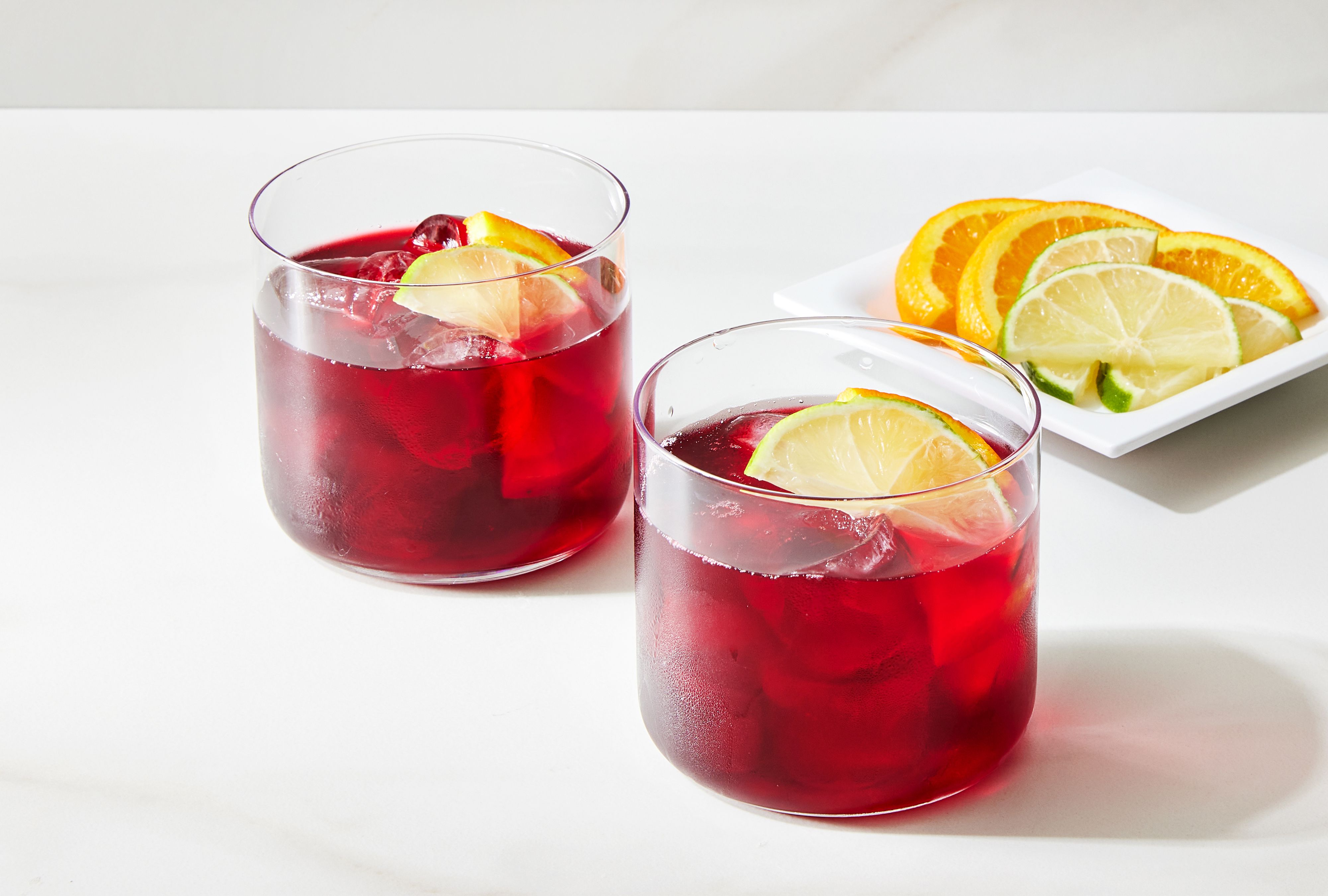
If cranberry juice, lemonade, and a bouquet of edible flowers had a refreshingly dramatic cousin, it would be hibiscus tea. This ruby-red drink is bold, tart, lightly floral, and almost suspiciously beautiful for something that takes only a few minutes to make. Whether you call it hibiscus tea, agua de jamaica, roselle tea, or sorrel drink, the idea is wonderfully simple: steep dried hibiscus in water, sweeten it if you like, add citrus or spices, and enjoy it hot or cold.
This hibiscus tea recipe is designed for everyday home kitchens, not secret botanical laboratories. You do not need fancy equipment, a tea ceremony certificate, or a fridge full of rare ingredients. You need dried hibiscus flowers, water, a little sweetener, and maybe a lime if your drink wants to wear sunglasses and act like it is on vacation.
Below, you will find a classic iced hibiscus tea recipe, a hot version, a cold brew method, flavor variations, practical brewing tips, and real-life experience notes to help you avoid common mistakes. The result is a bright, refreshing herbal tea that tastes special enough for guests but easy enough for a Wednesday afternoon when your water bottle is boring you personally.
What Is Hibiscus Tea?
Hibiscus tea is an herbal infusion made by steeping dried hibiscus calyces, usually from the roselle plant, in hot or cold water. The dried pieces are often labeled as hibiscus flowers, flor de jamaica, roselle, jamaica, or sorrel depending on where you buy them. They produce a deep red drink with a tangy, berry-like flavor that many people compare to cranberry, pomegranate, or tart cherry.
Unlike black tea or green tea, hibiscus tea does not come from the Camellia sinensis tea plant. That means it is naturally caffeine-free, making it a great choice for evenings, lunchboxes, brunch pitchers, and anyone who wants a refreshing drink without accidentally turning into a human ceiling fan at 10 p.m.
Hibiscus tea is enjoyed around the world. In Mexico and parts of Central America, agua de jamaica is a popular chilled drink. In the Caribbean, hibiscus is often known as sorrel and may be brewed with ginger and warm spices. In West African traditions, versions like bissap are served cold and sweetened. The names change, the garnishes change, but the main character remains the same: a tart, red, floral infusion that refuses to be boring.
Why This Hibiscus Tea Recipe Works
A good hibiscus tea recipe needs balance. Hibiscus is naturally tart, so if you brew it too strong and forget the sweetener or citrus balance, your face may fold itself into an origami crane. Brew it too weak, and you get red water with ambition issues. This recipe lands in the middle: bold color, bright flavor, adjustable sweetness, and enough flexibility to serve hot, iced, or cold brewed.
The Key Flavor Formula
The best hibiscus tea usually follows a simple formula: tart hibiscus, clean water, gentle sweetness, and a finishing note such as lime, lemon, ginger, mint, cinnamon, orange, or berries. The sweetener softens the sharp edges. The citrus makes the drink taste fresher. The spices add warmth and depth. Together, they make hibiscus tea taste like it knows exactly what it is doing.
Classic Iced Hibiscus Tea Recipe
This is the all-purpose version: strong enough to pour over ice, easy to adjust, and perfect for keeping in the refrigerator. It tastes like summer, even if you are drinking it while wearing socks indoors and staring at emails.
Ingredients
- 1 cup dried hibiscus flowers, also labeled flor de jamaica or dried roselle
- 8 cups water, divided
- 1/3 to 1/2 cup honey, sugar, agave, or maple syrup, adjusted to taste
- 2 tablespoons fresh lime juice or lemon juice
- 1 thin slice fresh ginger, optional
- 1 small cinnamon stick, optional
- Ice, for serving
- Fresh mint, orange slices, lemon wheels, or lime wedges, for garnish
Instructions
- Rinse the hibiscus briefly. Place the dried hibiscus in a fine-mesh strainer and give it a quick rinse under cool water. This helps remove tiny bits of dust or grit.
- Boil part of the water. In a medium pot, bring 4 cups of water to a boil.
- Steep the hibiscus. Turn off the heat. Add the dried hibiscus flowers, ginger, and cinnamon if using. Cover and steep for 10 to 15 minutes. For a stronger, more tart tea, steep up to 20 minutes.
- Strain carefully. Pour the tea through a fine-mesh strainer into a heat-safe pitcher. Press lightly on the hibiscus to extract flavor, but do not mash it into botanical confetti.
- Sweeten while warm. Stir in honey, sugar, agave, or maple syrup while the tea is still warm so it dissolves smoothly.
- Add cold water and citrus. Stir in the remaining 4 cups cold water and the lime or lemon juice.
- Chill and serve. Refrigerate until cold, then serve over ice with citrus slices or mint.
Recipe Yield
This recipe makes about 8 cups, or 6 to 8 servings depending on glass size, ice enthusiasm, and whether someone in your house treats pitchers as personal property.
Hot Hibiscus Tea Recipe for One Cup
When you want a cozy mug instead of a cold pitcher, hibiscus tea works beautifully hot. The flavor is sharper when hot, so a little honey or orange peel can make it smoother.
Ingredients for One Mug
- 1 tablespoon dried hibiscus flowers
- 1 cup boiling water
- 1 to 2 teaspoons honey or sweetener, optional
- Small squeeze of lemon or orange, optional
Method
Add dried hibiscus to a mug or tea infuser. Pour boiling water over it, cover, and steep for 5 to 10 minutes. Strain, sweeten if desired, and add citrus. Sip while feeling like the kind of person who owns matching mugs and always knows where the scissors are.
Cold Brew Hibiscus Tea Recipe
Cold brew hibiscus tea is smoother and less sharp than the hot-steeped version. It takes longer, but your refrigerator does most of the work, which is the kind of teamwork we appreciate.
Cold Brew Ingredients
- 1 cup dried hibiscus flowers
- 6 to 8 cups cold filtered water
- Sweetener to taste
- Lime, lemon, mint, or berries, optional
Cold Brew Instructions
- Add hibiscus flowers and cold water to a large jar or pitcher.
- Cover and refrigerate for 8 to 12 hours.
- Strain through a fine-mesh sieve.
- Sweeten to taste and add citrus if desired.
- Serve over ice.
If your cold brew tastes too strong, dilute it with cold water. If it tastes too gentle, let it steep longer next time or use a bit more hibiscus. Hibiscus is forgiving. It has strong opinions, but it is forgiving.
How to Sweeten Hibiscus Tea Without Overdoing It
Hibiscus tea can be enjoyed unsweetened, but many people prefer a touch of sweetness to balance the tart flavor. Start small, taste, and adjust. You can always add more sweetener, but removing it requires time travel, and most kitchens are poorly equipped for that.
Best Sweeteners for Hibiscus Tea
- Honey: Adds floral warmth and blends well in warm tea.
- Sugar: Classic, clean, and easy to dissolve in hot tea.
- Agave: Smooth and mild, especially nice for iced hibiscus tea.
- Maple syrup: Adds a deeper flavor, best in spiced versions.
- Simple syrup: Great for iced tea because it mixes instantly.
For a lighter drink, use 1/3 cup sweetener for the full pitcher. For a sweeter agua de jamaica style, use closer to 1/2 cup. If you plan to pour the tea over lots of ice, make the flavor slightly stronger because the ice will dilute it as it melts.
Flavor Variations
Once you know the basic hibiscus tea recipe, you can customize it like a playlist. Keep the hibiscus base, then add flavors that match your mood, meal, or level of refrigerator creativity.
Hibiscus Lime Tea
Add 2 to 3 tablespoons of fresh lime juice and garnish with lime wheels. This version is bright, crisp, and excellent with tacos, grilled vegetables, rice bowls, and spicy food.
Hibiscus Ginger Tea
Add 3 to 5 slices of fresh ginger during steeping. Ginger gives the tea a warm, peppery finish that makes the drink taste more complex without making it difficult.
Hibiscus Mint Iced Tea
Add a handful of fresh mint after straining and cooling the tea slightly. Do not boil the mint aggressively unless you enjoy the taste of lawn with regrets. Gentle steeping is enough.
Hibiscus Orange Tea
Add orange peel during steeping and a splash of orange juice after straining. Orange softens the tartness and gives the tea a naturally sweet aroma.
Spiced Hibiscus Tea
Add a cinnamon stick, a few cloves, or a pinch of allspice while steeping. This variation is cozy hot and excellent chilled. It is especially good for holiday meals, fall gatherings, or any time your kitchen needs to smell impressive.
Best Food Pairings for Hibiscus Tea
Hibiscus tea pairs beautifully with foods that enjoy a little acidity. Think of it like a squeeze of lemon, but in beverage form and wearing a red velvet jacket.
- Spicy foods: Tacos, enchiladas, chili, jerk-style seasoning, and spicy noodles.
- Brunch dishes: Avocado toast, egg dishes, fruit salad, pancakes, and waffles.
- Grilled foods: Chicken, vegetables, seafood, corn, and summer skewers.
- Fresh snacks: Cucumbers, melon, berries, citrus, and yogurt bowls.
- Desserts: Lemon bars, berry tarts, vanilla cake, coconut desserts, and shortbread cookies.
Common Mistakes to Avoid
Using Decorative Hibiscus From the Garden
Use food-grade dried hibiscus sold for tea or cooking. Garden flowers may be treated with pesticides or may not be the variety commonly used for hibiscus tea. When in doubt, buy dried hibiscus from a grocery store, tea shop, Latin market, Caribbean market, health food store, or trusted online food supplier.
Steeping Too Long Without Diluting
Hibiscus becomes stronger and more tart the longer it steeps. That can be delicious, but if your tea tastes too sour, dilute it with water and adjust the sweetener. Do not panic. Your tea is not ruined; it is just being dramatic.
Adding Sweetener After the Tea Is Ice-Cold
Granulated sugar does not dissolve well in cold tea. Sweeten while the tea is warm, or use simple syrup, honey syrup, or agave for iced versions.
Forgetting Citrus
A small amount of lime or lemon juice can make hibiscus tea taste brighter and cleaner. It is not mandatory, but it is often the difference between “nice drink” and “why did I just finish the whole glass?”
Storage Tips
Store homemade hibiscus tea in a covered pitcher or jar in the refrigerator. For the best flavor, drink it within 3 to 5 days. The tea may settle slightly as it sits, so stir before serving. If you added fresh fruit, herbs, or citrus slices, the flavor may change faster, so enjoy those versions sooner.
You can also freeze hibiscus tea into ice cubes. Add the cubes to lemonade, sparkling water, iced tea, or another batch of hibiscus tea. They keep drinks cold without watering them down, which is the kind of small kitchen victory that deserves applause.
Is Hibiscus Tea Good for You?
Hibiscus tea is naturally caffeine-free and can be a flavorful alternative to soda or heavily sweetened bottled drinks, especially when you control the sugar at home. Hibiscus contains plant compounds, including antioxidants, that contribute to its bright color and tart taste. Some research has linked hibiscus tea with heart-health benefits, especially related to blood pressure, but it should not be treated like medicine or used as a replacement for professional care.
If you take medication for high blood pressure, have low blood pressure, are pregnant or breastfeeding, or have a medical condition, ask a healthcare professional before drinking hibiscus tea regularly. For most people, enjoying a glass now and then as a refreshing beverage is simple and pleasant. Drinking a giant pitcher daily because the internet winked at you is not a personality trait; it is a reason to check with a professional.
My Practical Experience Making Hibiscus Tea at Home
The first time I made hibiscus tea, I treated it like regular tea and expected it to behave politely. It did not. Hibiscus has the confidence of a fruit punch and the tartness of a cranberry with a gym membership. I used too much dried hibiscus, steeped it too long, forgot to dilute it, and took a sip that made my eyebrows file a complaint. The color was stunning, though, so I knew the recipe had potential. It just needed balance.
After testing different ratios, the best everyday version turned out to be a concentrated steep followed by cold water. Brewing the hibiscus in 4 cups of hot water pulls out the flavor quickly. Adding another 4 cups of cold water afterward keeps the tea bright but drinkable. This method also chills faster than brewing the whole pitcher hot. If you are impatient, and many thirsty people are, this matters.
Sweetness is personal. Some people like hibiscus tea almost unsweetened, where the tart floral flavor leads the parade. Others prefer it closer to classic agua de jamaica, where the sugar smooths everything out and makes the drink taste like a backyard party. My favorite middle ground is about 1/3 cup honey or sugar for 8 cups of tea, plus lime juice. It is refreshing without turning into dessert. If serving kids, guests, or anyone suspicious of tart drinks, I make it slightly sweeter and add orange slices. Orange is a friendly negotiator.
Ginger is the most useful upgrade. A few slices add warmth and make the tea taste more grown-up without making it spicy. Cinnamon is lovely too, but it changes the personality of the drink. With cinnamon, hibiscus tea becomes cozy and almost holiday-like. With lime and mint, it becomes poolside and breezy. With orange, it becomes brunch-friendly. Hibiscus is basically the red dress of homemade drinks: change the accessories and it fits the occasion.
One helpful trick is to keep the base unsweetened if you are not sure how people like it. Make the hibiscus concentrate, chill it, and serve it with simple syrup, lime wedges, mint, and sparkling water on the side. Guests can build their own glass. The tart-drink lovers can keep it bold. The sweet-drink fans can add syrup. The fancy people can add sparkling water and act like they are at a garden café. Everyone wins, and you avoid making one giant pitcher that is too sweet for half the room.
Another lesson: strain well. Dried hibiscus pieces are large, but tiny fragments can sneak through a loose strainer. A fine-mesh sieve makes the drink smoother. If you want an extra-clear pitcher for a party, strain it twice or line the sieve with cheesecloth. This is not required for flavor, but it makes the presentation cleaner.
For meal prep, hibiscus tea is excellent. A pitcher in the fridge makes it easier to choose something colorful and refreshing instead of reaching for soda. I like pouring it over ice with a squeeze of lime after lunch, especially with spicy leftovers. It cuts through rich food, wakes up simple meals, and makes a normal glass of ice feel like it has plans.
The biggest experience-based advice is simple: taste as you go. Hibiscus varies by brand, age, and cut size. Some batches are intensely tart; others are softer and more floral. Start with the recipe, then adjust. Add water if it is too strong. Add lime if it tastes flat. Add sweetener if it makes your face squint. Add ginger if it needs depth. Once you find your perfect version, write it down, because “I’ll remember” is one of the funniest lies a busy kitchen ever tells.
Conclusion
This hibiscus tea recipe is simple, flexible, and much more exciting than plain water pretending to have a personality. With dried hibiscus flowers, water, sweetener, and citrus, you can make a brilliant red herbal tea that works hot, iced, or cold brewed. The flavor is tart, fruity, floral, and refreshing, with endless room for variations like ginger, mint, cinnamon, orange, or sparkling water.
The secret is balance: steep long enough for bold color and flavor, dilute to taste, sweeten gently, and finish with citrus. Once you learn the basic method, hibiscus tea becomes one of those recipes you can make from memory. It is affordable, beautiful, naturally caffeine-free, and ready for everything from quiet afternoons to big pitchers at the table.

