
Makeup
Hibiscus Care: How to Grow Hibiscus Outdoors – Bob Vila
Jul
Few plants understand theatrical entrances quite like hibiscus. One morning, the garden looks perfectly respectable. The next, a flower the size of a dinner plate appears and starts behaving as though the entire yard was designed around it. Fortunately, learning how to grow hibiscus outdoors is much less dramatic than the blooms themselves.
Successful hibiscus care begins with identifying which type you own. Tropical hibiscus, hardy perennial hibiscus, and rose of Sharon may share a family name, but they do not share the same tolerance for winter, wet soil, or pruning. Once that mystery is solved, most plants need the same basic comforts: generous sunlight, consistent moisture, fertile soil, sensible feeding, and protection from severe weather.
Outdoor Hibiscus Care at a Glance
- Common name: Hibiscus, rose mallow, tropical hibiscus, or rose of Sharon
- Botanical name: Hibiscus species and hybrids
- Plant type: Tropical shrub, deciduous shrub, or herbaceous perennial
- Light: Full sun, with light afternoon protection in extremely hot climates
- Soil: Fertile and moisture-retentive; drainage needs depend on the type
- Water: Consistent moisture during active growth and flowering
- Bloom season: Usually summer through fall
- Common problems: Aphids, whiteflies, scale, spider mites, Japanese beetles, sawfly larvae, and leaf spot
- Safety: Confirm the exact species before using any hibiscus flowers or leaves as food
Know Which Hibiscus You Are Growing
The word “hibiscus” covers a surprisingly varied group of plants. Buying one without checking the label is a little like adopting a “small dog” and discovering six months later that it is part Great Dane.
Tropical Hibiscus
Tropical hibiscus, commonly sold as Hibiscus rosa-sinensis, has glossy evergreen leaves and brightly colored flowers in red, pink, yellow, orange, white, and multicolored combinations. It thrives outdoors in warm, frost-free regions and is commonly grown year-round in USDA Zones 9 through 11, although local conditions and individual cultivars matter.
In colder areas, tropical hibiscus works best as a container plant that spends summer on a patio and winter inside a bright room. It dislikes frost, abrupt temperature changes, and being forgotten outdoors during the first cold night of fall.
Hardy Perennial Hibiscus
Hardy hibiscus, often represented by Hibiscus moscheutos and related hybrids, produces enormous flowers on upright stems. Many cultivars survive winters in Zones 4 or 5 through Zone 9. The stems die to the ground after frost, while the roots remain dormant below the soil.
This plant emerges unusually late in spring. Do not assume it is dead and replace it with petunias in April. Mark its location and give it time. Once warm weather arrives, hardy hibiscus can grow with astonishing speed.
Rose of Sharon
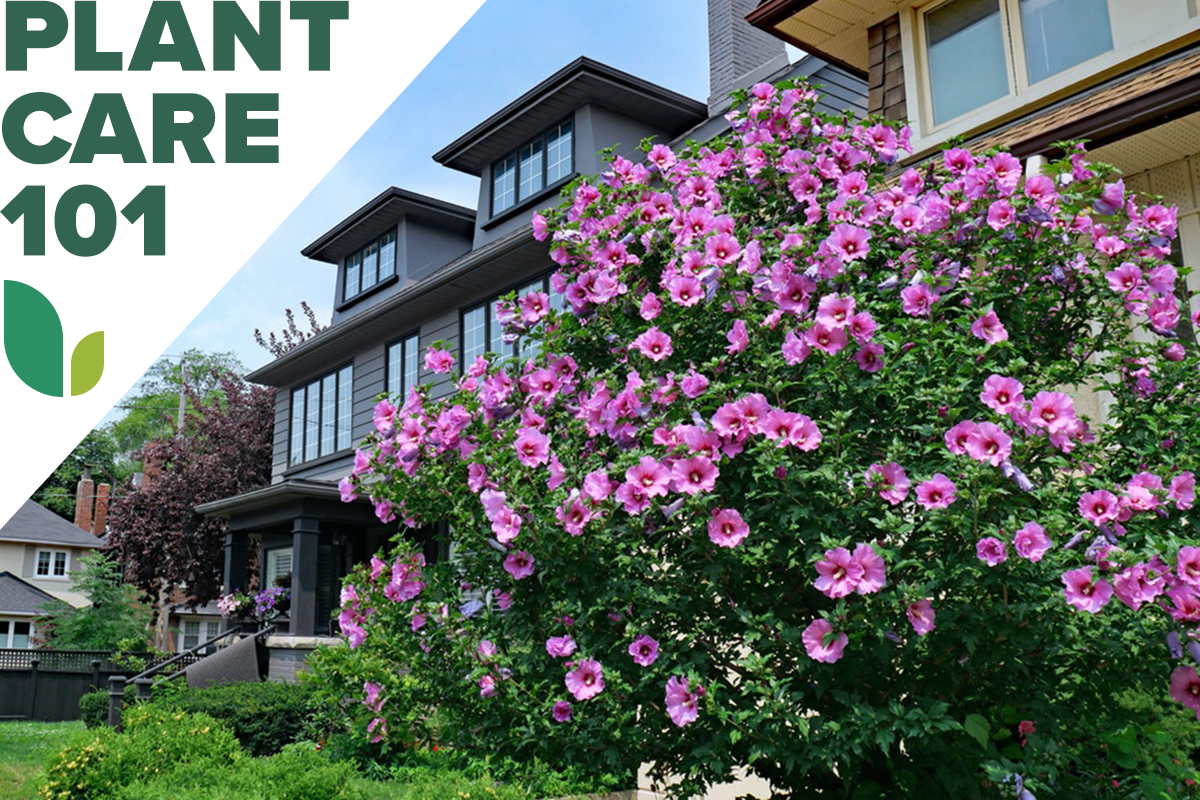
Rose of Sharon, or Hibiscus syriacus, is a deciduous woody shrub rather than a tropical patio plant or die-back perennial. It generally grows well in Zones 5 through 9 and can become a large flowering screen, hedge, or specimen shrub. Its flowers are usually smaller than those of hardy hibiscus but appear in greater numbers.
How Much Sun Does Hibiscus Need?
For the strongest stems and most abundant flowers, plant hibiscus where it receives at least 6 hours of direct sunlight per day. Eight hours is even better in moderate climates. Plants grown in too much shade may remain alive, but they often become leggy and produce fewer, smaller blooms.
Gardeners in extremely hot inland or desert climates may benefit from a location with morning sun and light afternoon shade. This protects the foliage from the harshest heat without turning the plant’s flower show into a low-budget production.
Choose a location with reasonable air circulation and some protection from powerful winds. Large hibiscus leaves lose moisture quickly in drying winds, and the tall stems of hardy varieties can bend when covered with giant flowers.
Choosing and Preparing the Soil
Most hibiscus plants prefer fertile soil enriched with organic matter. Compost improves moisture retention in sandy ground and helps loosen dense soil, making it a useful amendment in many gardens.
Tropical hibiscus and rose of Sharon need soil that drains well. Their roots appreciate moisture but should not remain trapped in stagnant water. If a planting hole stays full long after rain, improve the drainage, create a raised bed, or select a more suitable location.
Hardy hibiscus is more tolerant of wet conditions because many of its ancestors grew in marshes, wet meadows, and along waterways. It is an excellent candidate for a rain garden or consistently damp bed. Even so, a newly planted specimen should not be dropped into sour, compacted mud and expected to applaud.
A slightly acidic to neutral soil suits most hibiscus plants. Before adding lime, sulfur, or large quantities of fertilizer, consider having the soil tested. Correcting an imaginary problem can create a very real one.
How to Plant Hibiscus Outdoors
- Wait for warm conditions. Plant after the danger of frost has passed. Tropical hibiscus should remain protected until nights are reliably mild.
- Water the nursery plant. A moist root ball is easier to remove from its container and less likely to crumble.
- Dig a wide hole. Make the hole roughly twice as wide as the root ball but no deeper than the root system.
- Check the planting depth. Position the top of the root ball level with, or slightly above, the surrounding soil. Planting too deeply can deprive roots of oxygen.
- Backfill with care. Return the loosened soil around the roots, gently firming it to eliminate large air pockets.
- Water thoroughly. Soak the planting area to settle the soil around the roots.
- Add mulch. Apply 2 to 3 inches of organic mulch while leaving a small open ring around the stems.
Spacing depends on the cultivar. Compact hardy hibiscus may remain only a few feet wide, while large rose of Sharon shrubs can eventually require considerably more room. Read the mature dimensions on the plant label rather than judging the innocent-looking one-gallon pot.
Watering Hibiscus Correctly
Consistent watering is one of the most important parts of outdoor hibiscus care. These plants use plenty of water while producing leaves, stems, and oversized flowers. Newly planted hibiscus needs especially close attention because its roots have not yet spread into the surrounding soil.
Check the ground with a finger or small trowel instead of watering only by calendar. When the upper portion begins to dry, water deeply enough to moisten the full root zone. Deep watering encourages roots to grow downward and is generally more useful than frequent surface sprinkling.
Hardy hibiscus toleratesand often enjoysmore moisture than tropical hibiscus or rose of Sharon. Container-grown tropical plants may need water daily during hot, windy weather because pots dry much faster than garden beds.
Wilting during a scorching afternoon does not always mean the soil is dry. Check before adding water. A plant can wilt from saturated, oxygen-starved roots as well as drought. Hibiscus is expressive, but not always specific.
Fertilizing Hibiscus for More Flowers
Hibiscus grows vigorously and benefits from nutrients during the growing season, particularly when planted in containers. However, more fertilizer does not automatically produce more flowers. Excess nitrogen can create a magnificent green shrub that seems philosophically opposed to blooming.
For in-ground plants, begin with compost and the recommendations from a soil test. A balanced or flowering-plant fertilizer can be applied according to its label during active growth. Hardy hibiscus is often fed after spring growth appears and again later in the first half of summer.
Potted tropical hibiscus usually needs lighter but more frequent feeding because nutrients wash out through drainage holes. Never apply concentrated fertilizer to bone-dry soil, and reduce feeding when growth slows in fall and winter.
Pruning and Deadheading Hibiscus
Pruning Tropical Hibiscus
Prune tropical hibiscus in early spring or when active growth is beginning. Remove dead, damaged, crossing, or weak branches first. Long stems can be shortened by roughly one-third to encourage branching and a fuller shape. Because flowers form on new growth, a well-timed trim can ultimately increase the number of flowering shoots.
Pruning Hardy Hibiscus
After frost kills the stems, cut hardy hibiscus back to approximately 3 or 4 inches above the ground. This cleanup can be done in late fall or early spring. Leaving short stubs helps mark the crown, which is useful when the plant has not emerged but your spring shovel is feeling ambitious.
Pruning Rose of Sharon
Rose of Sharon blooms on the current season’s growth, so late winter or early spring is a suitable time to remove damaged wood, control size, and improve its structure. Avoid severe annual pruning unless renovation is genuinely needed. A naturally shaped shrub generally looks better and requires less work.
Do You Need to Deadhead?
Deadheading is optional. Individual hibiscus flowers may last only a day or two, but healthy plants continually produce new buds. Removing faded blooms improves appearance and may reduce unwanted seedlings on some varieties, though it is not essential for every plant.
Growing Hibiscus in Containers
Containers are ideal for tropical hibiscus in climates with cold winters. Choose a sturdy pot with generous drainage holes and use a high-quality potting mix rather than garden soil. The container should provide room for roots without being comically oversized, since excessive unused soil stays wet for too long.
Place the pot in full sun after gradually acclimating the plant. Rotate it occasionally for balanced growth, check moisture frequently, and empty any saucer that holds standing water. Repot when roots circle heavily, water rushes straight through, or the plant becomes unstable.
Large containers can become difficult to move. A wheeled plant caddy introduced at planting time is much easier than attempting to negotiate with a 90-pound pot in October.
Protecting Hibiscus During Winter
Hardy perennial hibiscus normally enters dormancy and returns from its roots. After cutting back the dead stems, apply a moderate layer of mulch over the root zone in colder regions, particularly during the plant’s first winter. Remove excess mulch gradually in spring.
Rose of Sharon generally overwinters outdoors within its recommended hardiness range. Water it during extended dry periods before the ground freezes, and avoid late-season fertilization that encourages tender growth.
Tropical hibiscus must be moved indoors before cold nights and frost. Inspect the stems and undersides of leaves for insects, rinse the plant, and treat visible pests before bringing it near other houseplants. Move it first to a shaded outdoor position for several days so the transition to lower indoor light is less abrupt.
Indoors, provide the brightest practical location. Water less often than in summer, allowing the surface of the potting mix to dry slightly before watering again. Some yellow leaves and bud drop are common after relocation because hibiscus dislikes sudden environmental changes almost as much as people dislike airport delays.
Common Hibiscus Pests and Diseases
Inspect hibiscus regularly, paying particular attention to new growth and leaf undersides. Aphids, whiteflies, scale insects, mealybugs, and spider mites feed on plant fluids. Outdoor hardy hibiscus may also attract Japanese beetles or sawfly larvae that chew the foliage.
A strong stream of water can dislodge many soft-bodied pests. Heavily infested leaves may be removed, and labeled insecticidal soap or horticultural oil can help when applied thoroughly and repeatedly as directed. Test any spray on a small section first, avoid treating heat-stressed plants, and do not spray open flowers while pollinators are visiting.
Leaf spots, rust, blights, and occasional cankers become more likely when plants are crowded, foliage remains wet, or infected debris accumulates. Improve airflow, water near the soil rather than over the canopy, sanitize pruning tools, and remove severely affected material. Persistent or rapidly spreading symptoms may require diagnosis through a local extension office.
Why a Hibiscus Is Not Blooming
A healthy-looking hibiscus without flowers usually points to one or more environmental problems:
- Too little direct sunlight
- Excessive nitrogen fertilizer
- Irregular watering or repeated drought stress
- Recent transplanting or relocation
- Cold temperatures that interrupt bud development
- Pruning at the wrong time or removing too much new growth
- A root-bound container with exhausted potting mix
- Hidden pests feeding on buds and new shoots
Correct one likely cause at a time. Changing the light, fertilizer, watering schedule, pot, and pruning routine simultaneously makes it impossible to learn what actually helped.
Practical Hibiscus-Growing Experiences: Lessons From a Full Season
One of the first lessons gardeners commonly learn is that hibiscus reacts quickly to its surroundings. A newly purchased tropical plant may arrive covered in buds, only to drop several after being moved from a sheltered nursery to an exposed patio. The immediate temptation is to add fertilizer, water twice a day, and hold an emergency meeting. In many cases, the plant simply needs time to adjust. Gradual acclimation to stronger light prevents sunburn and reduces stress.
Another familiar experience involves the mysterious disappearance of hardy hibiscus. In early spring, neighboring perennials are already growing while the hibiscus bed appears empty. Gardeners who know its habit leave the area undisturbed. Those who do not may plant something directly over the crown. A small marker placed beside the plant in fall prevents this comedy of errors. Once the soil warms, new shoots often appear suddenly and can gain height surprisingly fast.
Watering also produces valuable lessons. A hardy hibiscus planted beside a downspout may grow vigorously because the ground remains moist, while an identical plant in a dry border develops browned leaf edges and fewer flowers. The solution is not necessarily daily watering. A deep soak, followed by mulch that reduces evaporation, creates steadier conditions and encourages a more resilient root system.
Container hibiscus teaches a slightly different lesson: pot size and drainage matter as much as watering frequency. A plant in a small black nursery pot can dry by afternoon during hot weather. Moving it into a modestly larger container with fresh potting mix gives the roots more moisture without surrounding them with a swamp of unused soil. A drainage hole is essential; decorative pots without one are attractive buckets, not functioning planters.
Feeding experiments often demonstrate why restraint is useful. A hibiscus given large amounts of high-nitrogen fertilizer may produce fast, lush growth but disappointingly few buds. Switching to moderate feeding based on label directionsand giving the plant adequate sunusually produces a better balance between foliage and flowers. The goal is a blooming shrub, not a salad bar.
Pest problems are easiest to manage when noticed early. A few aphids clustered on tender buds can often be washed away before they multiply. Whiteflies reveal themselves when a branch is disturbed and tiny adults flutter upward. Scale insects are less obvious and may resemble small bumps attached to stems. Weekly inspection takes only a minute and is far easier than treating a plant after leaves are coated with sticky honeydew.
Overwintering tropical hibiscus brings perhaps the most useful experience of all: indoor growth will not look exactly like summer growth. Lower light, drier air, and reduced temperatures can trigger yellow leaves and fewer flowers. Providing bright light, checking for spider mites, and watering only when needed keeps the plant alive until spring. When warm weather returns, gradual outdoor acclimation allows it to recover without scorching.
Across all three major hibiscus groups, consistency wins. The most successful plants are rarely the ones receiving the most products. They are the ones growing in the right location, watered according to actual soil conditions, pruned according to type, and inspected before small problems become large ones.
Final Thoughts on Growing Hibiscus Outdoors
Outdoor hibiscus care becomes straightforward once you match the plant to the climate. Hardy hibiscus rewards cold-region gardeners with tropical-looking flowers and reliable summer growth. Rose of Sharon supplies height and long-season color in shrub borders. Tropical hibiscus delivers the brightest palette of all, provided it receives warmth or a comfortable indoor winter vacation.
Give your hibiscus abundant sunlight, fertile soil, steady moisture, and enough room to mature. Feed it thoughtfully, prune it at the correct time, and check the leaves for pests before they establish a condominium complex. With those needs covered, hibiscus will provide the kind of garden display that makes neighbors slow down, stare, and casually ask whether you have any cuttings to spare.

