
Body Care
Gingham Cotton Print
Jun
Gingham cotton print is one of those patterns that looks like it packed a picnic basket, wrote a thank-you note, and still had time to make your kitchen curtains look charming. Simple? Yes. Boring? Absolutely not. With its neat grid of colored and white checks, gingham has moved from humble woven fabric to fashion staple, home décor favorite, craft-room hero, and summer-style MVP.
At first glance, gingham seems almost too familiar: red-and-white tablecloths, blue checked shirts, breezy cotton dresses, café curtains, baby clothes, and farmhouse napkins. But behind that cheerful checkerboard is a surprisingly rich story of textile history, weaving technique, practical cotton comfort, and modern design flexibility. The beauty of gingham cotton print is that it works hard without looking like it is trying too hard. It can feel nostalgic, modern, rustic, preppy, coastal, cottagecore, minimalist, or playful depending on color, scale, and how it is styled.
This guide explores what gingham cotton print is, why it has remained popular for centuries, how it is used in fashion and interiors, how to choose quality gingham cotton fabric, and how to care for it so those crisp little checks stay fresh instead of wandering into sad laundry territory.
What Is Gingham Cotton Print?
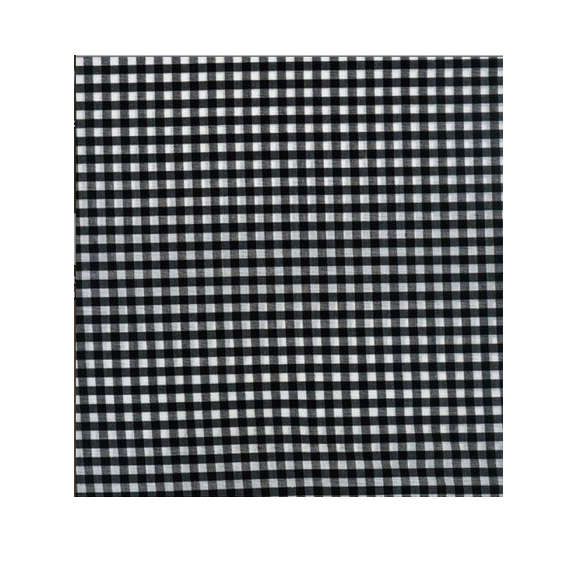
Gingham cotton print refers to a checked textile pattern traditionally made with cotton or cotton-blend yarns. Classic gingham uses two colors: white and one contrasting color, such as blue, red, black, yellow, green, or pink. The pattern is formed by evenly spaced horizontal and vertical stripes that cross each other, creating three visual tones: white squares, colored squares, and darker overlapping squares where the colored yarns meet.
Strictly speaking, traditional gingham is not always “printed.” Historically, the pattern was woven into the fabric using dyed yarns, which means the checks appear on both sides. Today, however, many products are described as “gingham print” because the design may be printed onto cotton fabric rather than woven. Both versions can be useful, but woven gingham usually has a more authentic, reversible look, while printed gingham can offer more variety in color, scale, and price.
Gingham vs. Checkered Print
All gingham is checkered, but not all checkered patterns are gingham. A basic checkerboard pattern can use any color combination, including black and red, navy and green, or several colors at once. Gingham is more specific. It typically features white paired with one main color in a balanced, repeated grid. The result feels lighter, cleaner, and more casual than many other checks.
Plaid is also different. Plaid patterns usually include multiple stripe widths and several colors crossing in a more complex arrangement. Gingham is the neat friend who alphabetizes the spice rack. Plaid is the friend who brings five guitars to a campfire.
A Brief History of Gingham
The exact origin of gingham is debated, which is fitting for a fabric that has traveled across cultures, wardrobes, and centuries. Many textile historians connect the word “gingham” to the Malay word “genggang,” meaning striped or separate. Others point to possible links with Guingamp, a town in Brittany, France. What is clear is that gingham entered European trade centuries ago and was originally associated more with stripes than the checks we recognize today.
By the 18th century, textile mills in places such as Manchester, England, helped popularize checked gingham. As cotton manufacturing expanded, gingham became practical, affordable, washable, and widely used. In the United States, gingham gained a strong association with everyday clothing, workwear, children’s garments, aprons, kitchen textiles, and later, cheerful summer fashion.
Its reputation has shifted many times. Gingham has been viewed as humble, domestic, wholesome, stylish, rebellious, romantic, and runway-ready. That is quite a career path for a pattern that looks like graph paper went on vacation.
Why Cotton Works So Well for Gingham
Cotton is one of the most common fibers used for gingham because it matches the pattern’s personality: comfortable, practical, breathable, and easy to live with. Cotton fibers are naturally soft and absorbent, making cotton gingham especially appealing for warm-weather clothing, bedding, table linens, children’s wear, and craft projects.
Because cotton allows air to circulate, gingham cotton shirts, dresses, and blouses are comfortable in spring and summer. The fabric also takes dye well, which helps gingham keep its crisp contrast between white and color. A blue-and-white cotton gingham shirt looks clean because the fiber and pattern are working together, not arguing in the laundry basket.
Common Benefits of Gingham Cotton Fabric
Gingham cotton print remains popular because it offers a practical combination of style and function. It is breathable enough for casual clothing, sturdy enough for home textiles, easy to sew, and visually structured enough to make even simple designs look intentional. A plain cotton napkin says, “I tried.” A gingham cotton napkin says, “I own a lemon zester and know where it is.”
Another advantage is versatility. Small-scale gingham can look refined and subtle, especially in shirts or dresses. Large-scale gingham feels bold and graphic, making it useful for statement curtains, tablecloths, pillows, or modern upholstery. Medium-scale gingham sits comfortably in the middle and works almost anywhere.
Popular Uses for Gingham Cotton Print
1. Fashion and Apparel
Gingham cotton print is a warm-weather classic. It appears in button-down shirts, sundresses, midi skirts, children’s outfits, shorts, scarves, hair bows, pajama sets, and lightweight jackets. Blue-and-white gingham shirts are especially popular because they can look polished without feeling stiff. Pair one with jeans and sneakers for casual style, or tuck it into chinos for a clean weekend look.
For women’s fashion, gingham dresses often carry a breezy, romantic feel. A black-and-white gingham dress can look modern and city-ready, while yellow or pink gingham leans sunny and playful. Red gingham brings picnic energy, which is not a flaw unless you are actively trying to avoid being invited to charming outdoor lunches.
2. Home Décor
In interiors, gingham cotton print is loved for its warmth and approachability. It works beautifully as café curtains, tablecloths, placemats, napkins, pillow covers, bedding, lampshades, and slipcovers. Small gingham checks can create a cozy cottage feel, while oversized checks can look surprisingly contemporary when paired with clean furniture and neutral walls.
Modern designers often use gingham in unexpected ways. Instead of limiting it to farmhouse kitchens, they pair it with sleek lighting, sculptural furniture, dark paint colors, natural woods, or bold artwork. The contrast keeps gingham from feeling too sweet. Think less “grandma’s jam shelf” and more “design editor who definitely owns good olive oil.”
3. Kitchen and Dining Textiles
Gingham and kitchens have a long friendship. Cotton gingham tablecloths, tea towels, aprons, and napkins bring instant freshness to a dining space. The pattern hides small wrinkles better than plain white cotton, and darker colors can be forgiving with everyday use.
Red-and-white gingham is the classic picnic-table look, but navy, sage green, chocolate brown, and black gingham can feel more elevated. For a modern table, mix gingham napkins with plain ceramic plates, wooden serving boards, and clear glassware. The result is casual but thoughtful, which is the sweet spot between “effortless host” and “I panicked and bought paper plates.”
4. Sewing, Quilting, and Crafts
Gingham cotton fabric is popular among sewists because the grid makes cutting, measuring, and aligning easier. It is frequently used for quilts, children’s clothing, doll clothes, tote bags, bunting, fabric baskets, and decorative trims. The pattern can also be used as a guide for embroidery, especially cross-stitch-style embellishments.
For beginners, gingham is friendly because mistakes are easier to spot before they become dramatic. If a seam is crooked, the checks will politely expose it. That may sound rude, but it is better than discovering the problem after finishing an entire dress and emotionally bonding with it.
How to Choose High-Quality Gingham Cotton Print
Look at the Fiber Content
For breathable clothing and soft home textiles, 100% cotton gingham is a strong choice. Cotton blends may add wrinkle resistance, stretch, or durability, but they can also change the feel of the fabric. A cotton-polyester blend may be easier to care for, while pure cotton usually feels more natural and breathable.
Check Whether It Is Woven or Printed
Woven gingham has yarn-dyed checks visible on both sides. This is ideal for garments, napkins, and items where both sides may show. Printed gingham has the pattern applied to the surface, which may be perfectly fine for crafts, décor, or budget-friendly projects. However, printed versions may fade differently over time depending on dye quality and washing habits.
Consider the Scale of the Check
Scale changes everything. Tiny gingham checks look subtle and refined, making them excellent for shirts, blouses, baby clothes, and linings. Medium checks feel classic and balanced. Large checks create a bolder statement and work well for curtains, tablecloths, bedding, or fashion pieces with simple silhouettes.
Feel the Weight and Hand
Lightweight cotton gingham is best for summer dresses, shirts, pajamas, and children’s clothing. Medium-weight gingham works for aprons, table linens, structured tops, and crafts. Heavier cotton gingham can be used for cushions, slipcovers, tote bags, and décor accents.
How to Style Gingham Cotton Print
For Clothing
The easiest way to style gingham is to treat it like a casual neutral. A blue gingham shirt pairs with denim, khaki, white trousers, navy shorts, or even a blazer. A black-and-white gingham skirt works with a plain white tee, fitted tank, denim jacket, or lightweight sweater.
For a polished look, keep the rest of the outfit simple. Let gingham be the visual interest. For a playful look, mix it with stripes, florals, or textured knits. The trick is to vary the scale: small gingham with a larger floral, or large gingham with a thin stripe. When patterns compete at the same volume, your outfit may start looking like a fabric store having a lively argument.
For Home Décor
In the home, gingham cotton print works best when balanced with solids and natural textures. Pair gingham curtains with linen-look upholstery, woven baskets, painted wood, simple ceramics, or matte metal accents. For a modern twist, choose unexpected colors such as terracotta, olive, espresso, butter yellow, or charcoal.
If you are nervous about pattern, start small. Try gingham napkins, pillow covers, a tray liner, or a table runner. If you already love pattern, go bigger with a duvet cover, wallpaper-inspired fabric panels, or dramatic checked drapes. Gingham is friendly, but it still appreciates a little breathing room.
How to Care for Gingham Cotton Print
Most cotton gingham items are easy to care for, but always check the care label first. In general, wash cotton gingham in cool or warm water with similar colors. Use a gentle detergent and avoid harsh bleach unless the label says it is safe. High heat can shrink cotton, so tumble dry on low or hang dry when possible.
To keep gingham looking crisp, remove it from the dryer while slightly damp and smooth it flat. Iron on the cotton setting if needed. For table linens, ironing can make the checks look sharp and fresh. For casual clothing, a little natural softness is fine. Gingham does not need to look like it reports to military inspection at 7 a.m.
Is Gingham Cotton Print Still in Style?
Yes, gingham cotton print is still very much in style because it is adaptable. It follows trend cycles without depending on them. When cottagecore is popular, gingham feels romantic and handmade. When coastal style trends, blue-and-white gingham feels breezy and nautical. When vintage Americana returns, gingham fits right in. When minimalism dominates, tiny black-and-white gingham can look clean and graphic.
The secret is context. A gingham tablecloth with ruffled curtains may feel nostalgic. The same pattern used as oversized black-and-white bedding in a simple room can feel modern. Gingham is not stuck in the past; it just has excellent memory.
Buying Ideas: Best Colors and Pairings
Blue Gingham
Blue gingham is the most classic and versatile option. It works for shirts, bedding, kitchen curtains, table linens, and children’s clothes. Pair it with white, navy, tan, natural wood, or soft yellow.
Red Gingham
Red gingham is cheerful, nostalgic, and bold. It is perfect for picnic textiles, aprons, café curtains, and playful summer fashion. Pair it with cream, denim, butcher-block wood, or simple white dishes.
Black Gingham
Black-and-white gingham feels cleaner and more modern. It works well for dresses, skirts, pillows, and contemporary kitchens. Pair it with warm wood, brass accents, stoneware, or solid black details.
Green Gingham
Green gingham brings a garden-inspired mood. Sage and olive feel soft and sophisticated, while brighter green feels fresh and preppy. Use it with natural fibers, plants, terracotta, and cream tones.
Common Mistakes to Avoid
The biggest mistake with gingham cotton print is overusing it without contrast. A room with gingham curtains, gingham tablecloths, gingham cushions, and gingham wallpaper may begin to feel like a picnic basket swallowed the house. Instead, choose one or two gingham moments and support them with solids, textures, and breathing space.
Another mistake is choosing the wrong scale. Tiny checks can disappear from a distance, while huge checks can overwhelm small items. Match the scale to the purpose. Small checks are great for clothing details; large checks are better for statement décor.
Finally, pay attention to fabric quality. A crisp pattern on thin, scratchy cotton will not feel luxurious. For clothing, touch matters. For home décor, weight matters. For table linens, washability matters. For all uses, colorfastness is your friend.
Personal Experiences and Practical Lessons with Gingham Cotton Print
One of the best things about gingham cotton print is that it teaches you how much personality a simple pattern can carry. In clothing, a gingham shirt can completely change the mood of an outfit. A plain white shirt may look formal, but a blue gingham cotton shirt feels relaxed, approachable, and still neat enough for lunch, errands, casual Fridays, or a family gathering where someone will definitely ask why you are not eating more.
In home decorating, gingham is surprisingly powerful in small doses. A pair of gingham café curtains can soften a kitchen faster than a full renovation, and thankfully costs less than one mysterious contractor visit. The pattern adds rhythm to a room. It gives the eye something cheerful to land on without demanding that every other object become decorative backup dancers.
Gingham cotton napkins are another underrated upgrade. They are practical, washable, and much more charming than disposable paper napkins. They also make ordinary meals feel more intentional. Even a sandwich looks slightly more respectable next to a folded gingham napkin. Not fancy, exactly, but fancy-adjacent, which is often the most useful category in real life.
For sewing projects, gingham can be both helpful and brutally honest. The grid makes it easier to cut straight lines, match seams, and place pockets evenly. At the same time, if something is off, the checks will reveal the truth immediately. This is why gingham is a good teacher. It rewards patience, careful measuring, and pressing seams properly. It does not reward the phrase “close enough,” unless the project is a very forgiving tote bag.
When choosing gingham for clothing, lightweight cotton is usually the most comfortable. A soft cotton gingham dress, camp shirt, or pajama set feels easy and breathable, especially in warm weather. However, very thin cotton may become slightly transparent in lighter colors, so it is smart to check the fabric in natural light before committing to a full garment. Nobody wants a sundress that reveals more plot than intended.
For interiors, medium-weight cotton gingham tends to be more reliable. It hangs better as curtains, folds nicely as table linens, and holds up better to repeated washing. If the gingham will be used for cushions or upholstery-style projects, consider a heavier cotton or cotton blend. The pattern may be sweet, but the fabric still needs enough backbone to survive real life, pets, children, snack crumbs, and the occasional coffee incident.
Color choice also changes the experience. Blue gingham feels calm and timeless. Red gingham feels cheerful and bold. Black gingham feels graphic and modern. Green gingham feels fresh and garden-like. Brown or tan gingham can feel warm, vintage, and surprisingly elegant. Pastel gingham works beautifully for nurseries, spring clothing, and soft bedrooms, but it can become too sugary if paired with too many frills. Balance is everything.
The most practical lesson is that gingham cotton print looks best when it has contrast. Pair it with plain denim, white cotton, linen textures, wood, stone, ceramic, or simple solids. In a room, let gingham be one voice in the conversation, not the entire choir. In an outfit, let it bring charm without adding five other competing patterns unless you are intentionally going bold.
Gingham also ages well emotionally. Some patterns feel dated the moment a trend passes, but gingham has a rare ability to return again and again. It can remind people of picnics, childhood dresses, summer kitchens, vintage shirts, handmade quilts, or breezy vacation homes. That nostalgia is part of its value. But because the pattern is so simple and geometric, it can also feel fresh when used with modern cuts and clean spaces.
In everyday use, gingham cotton print earns its place because it is not precious. It can be washed, worn, folded, sewn, ironed, packed, spilled on, and used again. It looks friendly without being fragile. That is why it continues to appear in closets, kitchens, nurseries, craft rooms, restaurants, and design magazines. Gingham does not need to shout. It just shows up, checks in, and makes everything look a little more cheerful.
Conclusion
Gingham cotton print proves that timeless design does not have to be complicated. With its clean checks, breathable cotton base, and endless styling possibilities, gingham remains one of the most useful patterns in fashion, home décor, and handmade projects. It can be sweet or sharp, rustic or modern, nostalgic or fresh. The key is choosing the right scale, color, fabric weight, and context.
Whether you are sewing a summer dress, refreshing a breakfast nook, choosing table linens, or adding a playful accent to your wardrobe, gingham cotton print offers charm without chaos. It is practical, recognizable, and endlessly adaptablethe textile equivalent of a friendly neighbor who always returns your mixing bowl.
Note: This article is written for web publication in standard American English and is based on synthesized textile, cotton, fashion, and home décor information from reputable references. Source links and unnecessary citation markers are intentionally omitted for a clean publishing format.

