
Makeup
Domestic Science: Stanley & Sons Apron and Bag
Jun
Note: Stanley & Sons Apron & Bag Co. is a workwear maker associated with Brooklyn-made aprons and bags, not the separate Stanley drinkware or tool brands.
Some objects are so useful that they quietly become part of the household rhythm. A dependable apron catches the olive-oil splash, holds the tasting spoon, and saves a favorite shirt from becoming a permanent abstract painting. A sturdy bag carries garden gloves, library books, vegetables, hardware-store finds, and the mysterious collection of receipts that somehow multiplies in every kitchen drawer.
That is the appeal of Stanley & Sons Apron and Bag: the designs treat domestic work as real work. Not grim, joyless work. The good kindthe kind that leaves a loaf cooling on the counter, a repaired chair in the corner, or a garden basket full of tomatoes that make you feel suspiciously powerful.
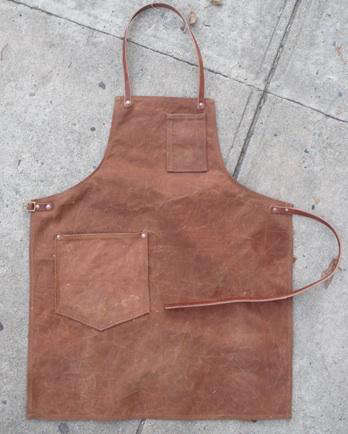
Stanley & Sons built its identity around handmade, heritage-inspired workwear. Its aprons and bags combine materials such as waxed canvas, denim, cotton duck, salvaged fabric, leather straps, brass hardware, and sturdy pockets. The result is not a costume for pretending to be a blacksmith while making pancakes. It is practical equipment with enough character to make ordinary routines feel more intentional.
What Is the Story Behind Stanley & Sons?
Stanley & Sons Apron & Bag Co. was founded in Brooklyn by Chris Grodzki in 2008, drawing inspiration from his grandfather, Stanley Grodzki, who operated an earlier apron-and-bag manufacturing business. That family connection matters because it gives the brand more than a vintage-looking label. It creates a design philosophy: make useful goods carefully, use durable materials, and let age become part of the product rather than a reason to replace it.
Early Stanley & Sons pieces were made one at a time and leaned into heavy-duty, old-school construction. The designs included waxed canvas aprons with leather-riveted straps and brass buckles, as well as canvas bags made with U.S. Navy seabag fabric and leather handles. Later versions and retailer listings also highlighted selvedge denim, duck canvas, cotton herringbone, deep utility pockets, and substantial leather details.
In an era when many household products are designed to survive roughly one season and three aggressively enthusiastic dishwasher cycles, this approach feels refreshing. A Stanley & Sons apron or bag is built around the idea that scratches, faded areas, softened leather, and fabric creases are evidence of usenot evidence of failure.
Why an Apron Belongs in Modern Domestic Life
The phrase domestic science may sound like something involving a chalkboard, a measuring cup, and a very stern instructor named Mrs. Whitaker. But at its heart, domestic science is simply the skill of running a home with care and intelligence. It includes cooking, cleaning, gardening, repairing, organizing, hosting, preserving food, and making daily life work a little better.
A good work apron supports all of that. It protects clothing, keeps small tools close, and creates a useful boundary between “I am relaxing” and “I am about to tackle this project.” Tying on an apron can be a small ritual, but rituals matter. They tell your brain that it is time to chop, sand, scrub, plant, bake, or finally deal with the cabinet hinge that has been squeaking since last winter.
Protection Without the Plastic-Cover Look
Stanley & Sons-style work aprons favor substantial fabrics rather than thin, decorative cotton. Waxed canvas, denim, cotton duck, and herringbone all bring different strengths to the tableor, more accurately, to the kitchen island, workbench, and potting bench.
Waxed canvas is especially useful for damp, messy tasks because its treated surface helps resist moisture and grime. It has a slightly rugged hand and develops a lived-in finish over time. Denim is breathable, familiar, and tough enough for repeated kitchen use. Cotton duck is tightly woven and prized in workwear for standing up to abrasion, while herringbone fabric adds texture and a subtle visual pattern without becoming fussy.
The key is choosing the material for the job. A waxed canvas apron makes sense for grilling, gardening, woodworking, or outdoor projects. A washable denim or cotton canvas apron may be more convenient for frequent cooking and baking. There is no universal champion, despite what a particularly confident barbecue uncle may claim.
Pockets That Earn Their Keep
Pockets are one of the quiet heroes of a work apron. The best ones do not exist merely to make the apron look industrious in a product photo. They keep essentials nearby: a folded kitchen towel, thermometer, recipe card, pencil, seed packet, pruning shears, measuring tape, or phone.
Stanley & Sons aprons are often associated with front pockets, chest pockets, pencil slots, and leather lap-pocket details. These features make sense because domestic work rarely happens in one perfect location. You might begin by chopping onions, step outside to check the herbs, head to the garage for a screwdriver, and return to discover the onions have become “deeply caramelized.” An apron with thoughtful storage reduces the wandering.
The Stanley & Sons Bag: More Than a Handsome Tote
A well-made canvas bag is one of the most flexible tools in a home. It can be a market bag on Saturday, a gardening kit on Sunday, a work tote on Monday, and an emergency “Why are there twelve random chargers in this drawer?” collection vessel on Tuesday.
The Stanley & Sons bag concept is appealing because it treats the tote as equipment rather than a disposable giveaway. Heavy canvas gives the bag structure. Leather straps add carrying strength and tend to soften and darken with use. Interior pockets help prevent small items from sinking into the abyss, where they join the loose mint, the old key, and a receipt from 2019.
Materials That Look Better After Real Use
One reason heritage work bags remain popular is that they do not need to look brand-new forever. In fact, the most interesting versions tend to improve with age. Waxed canvas may show lighter creases where the wax shifts. Denim can fade around folds and seams. Leather straps gradually become more supple. These changes create a record of use that synthetic, disposable bags rarely achieve.
This does not mean every stain is charming. Tomato sauce is still tomato sauce. But durable natural materials allow a bag to become personal without becoming unusable. The goal is not perfection. The goal is a bag that can handle the farmers’ market, a rainy sidewalk, a stack of cookbooks, and one impulsive purchase of a potted lemon tree.
How to Choose a Work Apron and Utility Bag
Even when a specific Stanley & Sons item is difficult to find, its design principles offer an excellent buying guide. Focus on construction, comfort, material, repairability, and practical capacity rather than chasing a logo.
1. Match the Apron to Your Actual Projects
Start with your habits. For cooking, choose enough coverage to protect the chest and upper legs from splatter. For gardening, look for large front pockets and fabric that tolerates dirt and moisture. For craft work or repairs, consider tool loops, reinforced pocket corners, and an adjustable fit.
A full bib apron offers broad protection. A waist apron is lighter but leaves your shirt vulnerable during sauces, sanding dust, or flour clouds. Smock-style aprons are comfortable for light kitchen work, but a structured canvas apron generally performs better for projects that involve heavier tools or frequent movement.
2. Pay Attention to Strap Design
A beautiful apron becomes useless when it makes your neck ache after 20 minutes. Traditional neck-loop aprons are simple and adjustable, but a loaded chest pocket can pull weight forward. Cross-back straps distribute weight across the shoulders and back, which many people prefer for longer cooking sessions or workshop projects.
Leather straps can be durable and handsome, though they add weight and may require more care than fabric straps. Adjustable hardware is helpful, especially when the apron will be worn over a T-shirt in summer and a thick sweater in winter. The best fit is not necessarily the tightest fit; it should allow you to bend, reach, sit, and move without constantly retying yourself like a parcel.
3. Examine the Bag’s Structure
For a utility tote, look at the bottom, handles, seams, and pocket layout. A sturdy base helps the bag stand upright while you load groceries or tools. Reinforced stitching at handles matters because handles carry the full weight of everything you decided was “probably not that heavy.” Interior pockets are useful for keys, pens, lip balm, and small hardware.
Canvas weight affects the feel of the bag. Lighter canvas is easier to fold and store. Heavier canvas holds its shape and usually handles rougher use better. Waxed canvas offers weather resistance but should be treated differently from regular washable cotton canvas.
Care Tips for Waxed Canvas, Denim, and Leather
Care should match the material. This is where many good-looking work accessories accidentally meet a washing machine and come out looking as though they lost an argument with a lawn mower.
Waxed Canvas Care
Waxed canvas should generally be spot-cleaned rather than machine-washed or soaked. Brush away dry dirt first, then use a damp cloth for small marks. Over time, the protective finish can wear down in high-contact areas. Rewaxing can restore water resistance, though it will also affect the fabric’s look and feel.
Store waxed items in a cool, dry place and avoid leaving them crumpled for long periods. A waxed canvas bag is made for weather, but it is not an invitation to store wet towels inside it until a new ecosystem develops.
Denim and Cotton Duck Care
Denim and untreated cotton duck are usually easier to clean. Follow the garment’s care label, use gentle laundering when appropriate, and avoid excessively harsh detergents that can weaken fibers or fade color faster than necessary. Air-drying can help preserve shape and reduce shrinkage.
For work aprons, stains are part of the job description. It is reasonable to clean spills, but it is also reasonable to accept that a baking apron may eventually display a faint map of every pie crust you have ever made.
Leather Strap Care
Leather handles and straps benefit from occasional conditioning with a product intended for the specific leather finish. Keep leather away from prolonged soaking, wipe off moisture promptly, and allow it to dry naturally. With time, leather should become more flexible and develop a richer tone.
Why Handmade Workwear Still Matters
There is a larger idea behind the Stanley & Sons aesthetic: useful objects deserve thoughtful design. A handmade apron or bag may cost more than a thin mass-market alternative, but it can offer stronger materials, better stitching, repair potential, and a longer useful life.
This is not an argument that every household item needs to become a family heirloom. Your sponge can remain a sponge. But for items you use week after weekan apron, tote, tool roll, cutting board, or garden basketdurability can be both practical and more sustainable. Buying fewer, better things is not glamorous in the dramatic sense. It is glamorous in the “my bag still works after years of carrying real stuff” sense.
Stanley & Sons reminds us that home work deserves tools with dignity. The apron is not just for chefs. The bag is not just for errands. Together, they support the small projects that make a home feel cared for: feeding people, mending things, growing herbs, organizing shelves, carrying supplies, and making the everyday a little more capable.
Composite Experience: A Week of Domestic Science With an Apron and Bag
The following is a composite, everyday-use scenario inspired by the practical qualities of heritage-style aprons and utility bags.
Monday begins with coffee, a grocery list, and the optimistic belief that this week will be different. The canvas bag waits by the door, already carrying reusable produce bags, a notebook, and a rogue measuring spoon that somehow traveled there after Sunday’s baking experiment. On the walk to the market, it feels sturdier than a flimsy tote but not overly precious. Apples go in first, then bread, then a bunch of basil that instantly makes the whole bag smell like good intentions.
Tuesday is a cooking night. The apron goes on before the cutting board appears, which is the first sign that the evening has a chance of staying organized. A chest pocket holds a recipe card. A front pocket holds a folded towel. The towel is used for wiping hands, then wiping the counter, then briefly becomes a makeshift pot-holder before better judgment arrives. The apron catches flour, oil, and a tiny splash of tomato sauce that would otherwise have landed directly on a clean shirt. It is not magic. It is simply one less problem.
Wednesday brings a small repair project: tightening a loose cabinet pull and organizing the drawer beneath it. The apron becomes a portable command center. A pencil, screwdriver, and measuring tape stay close instead of disappearing into three different rooms. The bag catches old batteries, instruction manuals, and the strange collection of items that have been living under the sink without permission. By the end, the repair takes 15 minutes, but the drawer cleanup somehow becomes an hour. This is normal. Domestic science has a sneaky way of turning one task into a small victory parade.
Thursday is garden day. The bag carries gloves, twine, seed packets, and a water bottle. The apron’s pockets hold pruners and a packet of basil seeds. Dirt appears everywhere, including places where dirt should not be physically capable of appearing. Still, the heavy fabric feels appropriate for the job. A delicate linen apron would look lovely, but it might also stare at the potting soil with the quiet terror of a person wearing white pants near spaghetti.
Friday means pizza dough and a crowded kitchen. The apron is floury by the end, and the canvas bag is placed near the door for a weekend market trip. Neither item looks showroom-perfect anymore. That is the point. The leather has softened slightly. The fabric has developed creases. The pockets have proven themselves useful enough that going back to pocketless clothes now feels mildly unfair.
By Sunday evening, the bag has carried groceries, books, a small potted plant, and a stack of clean dish towels. The apron has survived cooking, cleaning, gardening, and a near-disaster involving berry compote. Both have become part of the household routinenot decorative props, but reliable partners. That is the quiet charm of workwear made for the home. It helps everyday tasks feel less like chores and more like evidence that a life is being actively, beautifully maintained.

