
Beauty Tools & Accessories
“Celebrity Worship Is Over”: People Are Blocking Celebs On Social Media Amid Tone Deaf Met Gala
Jun
The Met Gala has always been a strange little cultural sandwich: one slice fashion museum fundraiser, one slice celebrity prom, and a very thick filling of “wait, that dress costs more than my car?” But in 2024, the usual sparkle came with an unusually sharp aftertaste. As celebrities floated up the Metropolitan Museum of Art steps in sculptural gowns, floral fantasies, and outfits that looked like they required their own ZIP code, many social media users were not clapping. They were blocking.
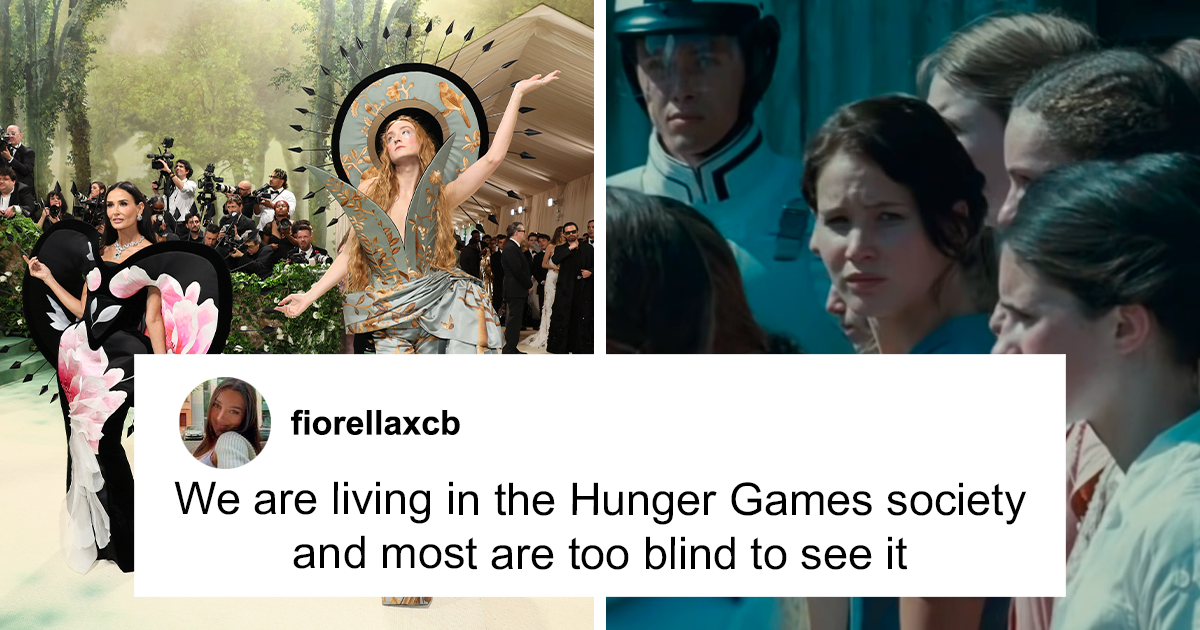
The phrase “celebrity worship is over” began circulating as a blunt summary of a bigger mood shift. People were tired of watching extreme luxury perform itself online while real-world crises, economic stress, and humanitarian suffering dominated the news. The backlash grew around the 2024 Met Gala, where the theme, “Sleeping Beauties: Reawakening Fashion,” and dress code, “The Garden of Time,” produced a lush, theatrical red carpet. But for many viewers, the timing felt less like fantasy and more like a Capitol party from The Hunger Games.
That frustration helped fuel #Blockout2024, also called the “digital guillotine,” a social media movement urging users to block celebrities and influencers they believed were silent, performative, or out of touch. The goal was simple: stop feeding attention to people who profit from attention. In the attention economy, blocking is not just a personal boundary. It is a tiny economic vote with a dramatic French Revolution haircut.
What Happened After the Tone Deaf Met Gala?
The Met Gala is an annual fundraiser for the Metropolitan Museum of Art’s Costume Institute in New York City. In 2024, it took place on May 6 and celebrated fragile, archival garments through the exhibition “Sleeping Beauties: Reawakening Fashion.” The dress code, “The Garden of Time,” encouraged celebrities to interpret nature, decay, beauty, and transformation through couture. On paper, that sounds poetic. On TikTok, it became a matchstick.
The backlash intensified after influencer Haley Kalil posted a video connected to her Met Gala appearance using audio from Marie Antoinette with the line “Let them eat cake.” The clip landed badly because audiences were already comparing the gala’s opulence with images and news from Gaza. Even though the original phrase is historically disputed, its cultural meaning is not subtle: rich people appearing oblivious while others suffer. In internet terms, it was not a vibe. It was a five-alarm discourse smoothie.
Users began stitching Met Gala clips with footage of war, displacement, and hardship. The contrast was harsh: celebrities posed in gowns worth small fortunes while many viewers were thinking about rent, inflation, student debt, and global crises. Soon, people were not merely criticizing celebrities in comment sections. They were circulating lists and encouraging others to block stars across TikTok, Instagram, and X.
What Is #Blockout2024?
#Blockout2024 is a digital boycott in which users block celebrities, influencers, and sometimes their brands. The movement became popular after the Met Gala backlash, but it reflected a longer frustration with celebrity silence on social issues, especially the war in Gaza. Participants argued that famous people benefit from massive platforms, public loyalty, and brand deals, so they should not be surprised when audiences expect some moral awareness in return.
Blocking is more aggressive than unfollowing. When users block a celebrity account, they reduce the chance of seeing that person’s posts, ads, collaborations, or sponsored content. The theory is that enough blocks can reduce reach, engagement, and possibly brand value. A single block will not topple a celebrity empire. But thousands or millions of users deciding “you no longer get my attention for free” can send a message.
Why Blocking Became the Protest Tool
Social media has trained audiences to understand that attention equals money. Views, likes, shares, comments, saves, and clicks all feed the machine. Celebrities monetize visibility through ads, brand partnerships, product lines, streaming attention, and cultural relevance. So the block button became a symbolic wallet snap. People were saying: no more passive support, no more hate-watching, no more algorithmic charity for millionaires.
The genius of the tactic is also its weakness. Blocking is easy, fast, and emotionally satisfying. It feels like cleaning your digital room with a flamethrower. But because the movement is decentralized, there is no universal rulebook. Some users block celebrities who never speak on politics. Others block those who speak vaguely. Some block influencers who post luxury content during crises. Others block anyone who seems to treat social justice like a seasonal accessory, right between Coachella outfits and a skincare launch.
Why the Met Gala Became the Perfect Symbol
The Met Gala is not new to criticism. It is exclusive, expensive, and designed to turn wealth into spectacle. In 2024, individual tickets reportedly cost $75,000, while tables started around $350,000. Usually, brands buy tables and invite stars, who then become walking billboards in couture. That arrangement is part art, part fundraising, part marketing campaign, and part “please pretend this is normal.”
In another year, the public might have treated the red carpet as escapism. In 2024, the same images felt different. The online mood had changed. Audiences were no longer satisfied with “look pretty and sell perfume.” The red carpet collided with a wider cultural fatigue: people were tired of celebrities asking for attention when convenient and claiming helplessness when accountability arrived.
That is why comparisons to The Hunger Games spread so quickly. The Met Gala already has the visual language of fantasy privilege: dramatic stairs, elite guests, elaborate outfits, and cameras flashing like a royal coronation sponsored by luxury brands. When viewers placed that imagery beside real suffering, the result was not glamorous. It looked dystopian, even when the gowns were technically beautiful.
Is Celebrity Worship Really Over?
Probably not completely. Celebrity culture is too profitable, too addictive, and too deeply woven into entertainment, fashion, sports, beauty, and social media. People still want movie stars, musicians, athletes, and charismatic weirdos who can turn a red carpet into a group chat emergency. But the old model of celebrity worship is cracking.
For decades, fame created distance. Stars lived behind gates, appeared in magazines, gave polished interviews, and seemed untouchable. Social media changed that. Celebrities now post breakfast, workouts, apologies, brand deals, vacation photos, and occasionally the most cursed Notes app statement you have ever seen. The more available they became, the less magical they seemed.
Audiences no longer view celebrities only as entertainers. They see them as media companies, employers, political actors, lifestyle brands, and attention merchants. A singer is not just a singer if they also sell makeup, shapewear, tequila, wellness products, NFTs, and a documentary about how hard it is to be rich near excellent lighting. Fans are asking: if celebrities profit from cultural influence, why should they be exempt from cultural responsibility?
The Parasocial Relationship Has Entered Its Audit Era
Celebrity worship thrives on parasocial relationships, the one-sided emotional bonds people form with public figures. A fan may feel connected to a celebrity who has no idea they exist. That is not automatically unhealthy. Music, film, sports, and online creators can provide comfort, identity, and community. The problem begins when admiration becomes unpaid emotional labor.
For years, fans defended celebrities like volunteer lawyers with unlimited coffee. They fought in comment sections, bought products, streamed songs on repeat, and treated criticism as a personal attack. Now, many are asking what they receive in return. A blurry selfie? A limited-edition lip gloss? A publicist-approved statement that says “my heart is with everyone” so vaguely it could apply to a thunderstorm?
The blockout movement shows a shift from devotion to evaluation. Fans are behaving less like worshippers and more like customers, citizens, and media critics. They are asking whether celebrities align with their values, whether their activism is consistent, and whether their silence is strategic. That does not mean every celebrity must speak on every issue. It does mean the audience is no longer pretending fame is a moral achievement.
The Case For Blocking Celebrities
Supporters of #Blockout2024 argue that blocking is a peaceful and practical form of protest. No one is forced to participate. No one is owed an audience. If a celebrity’s influence depends on public attention, then the public has every right to withdraw that attention. In this view, blocking is not cruelty. It is consumer choice with a sharper button.
The movement also challenges the idea that celebrities can enjoy political aesthetics without political risk. Many stars build brands around empowerment, compassion, diversity, justice, and “using my platform.” When a major crisis arrives, audiences notice who speaks, who donates, who shares resources, who stays silent, and who posts a $700 candle while the world is on fire. The internet has receipts, and it keeps them in high definition.
Blocking can also help users reclaim their feeds. Social media platforms often push celebrity content whether users follow those celebrities or not. Blocking becomes a way to tell the algorithm, “No thank you, I am full.” In a media environment where attention is constantly harvested, choosing what not to see can feel surprisingly powerful.
The Case Against the Digital Guillotine
Critics of #Blockout2024 raise fair concerns. First, the movement can become messy and inconsistent. Without clear standards, block lists may include people who have already spoken out, donated, signed letters, or used their platforms in meaningful ways. Online outrage often moves faster than fact-checking, which is how nuance gets flattened into a pancake and served cold.
Second, focusing too much on celebrities can distract from the actual crisis. If the purpose is to help people suffering in war, famine, displacement, or poverty, then arguing about which actor posted the correct infographic may not be the most useful endpoint. Some creators pushed audiences toward mutual aid campaigns and direct support efforts, arguing that energy should move from punishment to practical help.
Third, there is the question of performance. Blocking celebrities can become its own kind of social media theater. People may post their block lists not only to protest but to signal moral purity. The danger is that activism becomes less about impact and more about being seen doing the correct thing in public. In other words, the anti-celebrity performance can start looking suspiciously like celebrity behavior, just with fewer stylists.
What Celebrities Should Learn From the Backlash
The lesson is not that every celebrity must instantly become a geopolitical scholar. Nobody needs a pop star to explain international law between album teasers. The lesson is that silence, luxury, and branding now interact in volatile ways. When public figures cultivate intimacy with fans, sell values-based products, and ask audiences to trust them, they create expectations.
Modern celebrities need media literacy, crisis awareness, and humility. Before posting from a luxury event, they should understand the surrounding news cycle. Before using a loaded historical phrase, they should ask whether the joke works outside the glam squad bubble. Before issuing an apology, they should avoid making it sound like a hostage note written by a scented candle.
Most importantly, celebrities should stop treating audiences as passive. Fans are not just consumers waiting to be dazzled. They are workers, students, parents, voters, organizers, and people with bills. They can admire a dress and still question the system around it. They can enjoy art and still reject empty spectacle. They can love a singer’s music and still block her skincare brand if the vibes go rancid.
What Brands Should Learn
Brands should pay attention because #Blockout2024 is not just celebrity gossip. It is a warning about reputation risk. Companies pay celebrities for borrowed trust. But if audiences see the celebrity as out of touch, that borrowed trust becomes borrowed trouble. A luxury brand may want glamour; it may not want to trend beside words like “tone deaf,” “boycott,” and “digital guillotine.”
The safest celebrity partnership in the future may not be the person with the biggest follower count. It may be the person with the most credible relationship with their audience. Influence is moving from scale to trust. A smaller creator who is consistent, transparent, and socially aware may be more valuable than a superstar whose comment section has turned into a town hall meeting with pitchfork emojis.
Why This Moment Feels Bigger Than One Gala
The Met Gala backlash tapped into deeper resentment about inequality. Many Americans are exhausted by rising costs, unstable work, housing pressure, medical bills, and the feeling that the rich are playing a different game with cheat codes. Against that backdrop, celebrity luxury content can feel less like fantasy and more like mockery.
At the same time, younger audiences get news through social platforms and influencers more than previous generations did. That means entertainment, politics, activism, and branding now live in the same feed. A video of a gown can appear between footage of a protest and a post about layoffs. Context collapses. The algorithm does not care whether the emotional transition gives users whiplash.
This is why “read the room” has become a survival skill. The room is no longer a ballroom in Manhattan. The room is millions of people scrolling during lunch breaks, after night shifts, on buses, in dorm rooms, and in apartments where the rent has developed delusions of grandeur. The room has opinions. The room has screenshots. The room has a block button.
Experience Notes: What the Celebrity Blockout Feels Like From the Feed
The strangest thing about the “celebrity worship is over” mood is how ordinary it feels when it begins. It does not start with a manifesto. It starts with a tired person opening Instagram and realizing they have seen one too many diamond necklaces before breakfast. They scroll past a red carpet video, then a news clip, then an influencer apology, then a sponsored post for a product that costs half a grocery run. Suddenly the feed feels less like entertainment and more like a luxury mall built on top of everyone’s anxiety.
Many users describe the blockout experience as a kind of digital decluttering. At first, blocking a celebrity can feel dramatic, like slamming a tiny velvet door. But after a while, it feels practical. You stop seeing the same faces. You stop being pulled into debates about whether someone’s silence is acceptable. You stop feeding outrage to the algorithm. The feed becomes quieter, and the quiet itself feels like a small rebellion.
There is also a social experience to it. Group chats become little ethics committees with memes. Someone asks, “Are we blocking this person?” Another friend replies with a screenshot, a timeline, and the energy of a lawyer cross-examining a scented billionaire. People compare notes, disagree, soften, harden, and sometimes admit they are not sure what the right standard should be. That uncertainty matters. It shows the movement is not only about punishment; it is also about people trying to figure out what responsible attention looks like.
For some, the blockout is emotional. Fans may feel disappointed when a celebrity they admired seems indifferent. That disappointment can be sharper than normal criticism because parasocial affection is real on the audience side, even if it is one-sided. A fan may have grown up with an artist’s music, copied their style, defended them online, and bought their products. Blocking that person can feel like canceling a subscription to a version of yourself.
For others, it is almost funny. There is something absurd about ordinary users discovering they can annoy the famous by refusing to look at them. The internet spent years telling people they were powerless in the face of algorithms, brands, and celebrity machines. Then everyone remembered that the machine still needs attention to run. The block button became a tiny off-switch. Not a revolution by itself, maybe, but definitely a remote control with attitude.
The healthiest version of this experience is not hate. It is discernment. It asks users to notice how fame works, how influence is monetized, and how their own attention becomes part of someone else’s business model. It also invites people to move beyond blocking and toward action: donating, learning, organizing, sharing credible resources, supporting journalists, and following creators who treat serious issues with care. Blocking can clear the feed. What people do with the cleared space matters more.
Conclusion: The End of Worship, Not the End of Fame
Celebrity worship is not disappearing overnight. The red carpets will continue. The gowns will continue. Someone will still arrive dressed as a haunted chandelier, and the internet will still pause to judge the craftsmanship. But the relationship between celebrities and audiences has changed. Fame no longer guarantees forgiveness, and beauty no longer cancels context.
The Met Gala backlash and #Blockout2024 show that audiences are becoming more selective with their attention. They want entertainment, yes, but not at the cost of awareness. They want glamour, but not obliviousness. They want public figures to understand that influence is not just a perk; it is a responsibility.
The block button may not dismantle celebrity culture. But it does reveal something important: the audience knows its attention has value. And once people understand that, the old worship model starts to wobble. Celebrities can still be admired, celebrated, and enjoyed. They just may have to earn it without assuming the public will clap forever from the cheap seats.

