
Beauty Unlocked
Bronchitis Video: Quick Facts You Need to Know
Jun
That stubborn cough has officially outstayed its welcome. It may have started with a runny nose or scratchy throat, but now it sounds as though your chest has hired a tiny construction crew. Could it be bronchitis?
Think of this article as the detailed companion to a short bronchitis video: the essential facts first, followed by a deeper look at symptoms, causes, treatment, warning signs, and the surprisingly unglamorous experience of living with a cough that refuses to read the room.
Bronchitis Quick Facts
- Bronchitis is inflammation of the bronchial tubes, the large airways that carry air into and out of the lungs.
- Its main symptom is a persistent cough, sometimes accompanied by mucus, wheezing, fatigue, or chest discomfort.
- Acute bronchitis is usually caused by a respiratory virus and commonly follows a cold, flu, COVID-19, or another respiratory infection.
- Most uncomplicated cases improve without antibiotics.
- A cough may continue for several weeks even after the original infection has cleared.
- Chronic bronchitis is a long-term condition associated with chronic obstructive pulmonary disease, or COPD.
- Difficulty breathing, blue lips, coughing up blood, confusion, or severe chest pain requires prompt medical attention.
What Is Bronchitis?
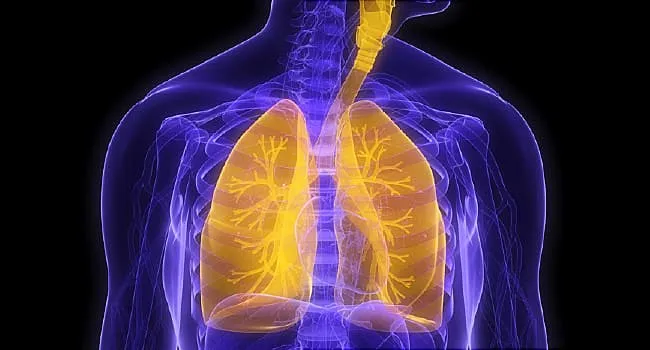
The bronchial tubes are branching air passages that connect the windpipe to the lungs. When their lining becomes irritated and swollen, the airways may produce extra mucus. Your body then tries to clear that mucus by coughingrepeatedly, loudly, and often at the exact moment everyone else is trying to sleep.
Bronchitis is not one single disease with one single cause. Doctors generally divide it into acute bronchitis and chronic bronchitis. Although both can produce coughing and mucus, they have very different timelines, risks, and treatment plans.
Acute bronchitis
Acute bronchitis, commonly called a chest cold, begins suddenly and usually develops after a viral respiratory infection. Most symptoms improve within one or two weeks, although the cough frequently lasts two to three weeks and may occasionally continue longer.
The lingering cough does not always mean the infection is still active. Inflamed airways can remain sensitive after the immune system has dealt with the virus. Cold air, exercise, laughter, smoke, perfume, or a marathon phone conversation may trigger another coughing spell during recovery.
Chronic bronchitis
Chronic bronchitis is not simply acute bronchitis that is taking its sweet time. It is traditionally defined as a mucus-producing cough occurring for at least three months in each of two consecutive years after other causes have been excluded.
It is considered a form or feature of COPD. Long-term cigarette smoking is the leading risk factor, although secondhand smoke, occupational dust, chemical fumes, air pollution, and other lung irritants may contribute. Anyone with an ongoing productive cough, breathlessness, or frequent episodes labeled “bronchitis” should receive a medical evaluation rather than repeatedly treating the problem as an ordinary cold.
What Causes Acute Bronchitis?
Viruses cause the overwhelming majority of acute bronchitis cases. The same viruses responsible for common colds, influenza, COVID-19, and respiratory syncytial virus can travel farther down the respiratory tract and inflame the bronchi.
Less commonly, coughing and bronchial irritation may be related to bacteria or exposure to smoke, wildfire pollution, dust, cleaning chemicals, or industrial fumes. Pertussis, also called whooping cough, is an important bacterial possibility when coughing occurs in violent fits, causes vomiting, produces a “whoop,” or persists for many weeks.
Is bronchitis contagious?
The inflammation itself is not something you pass to another person. However, the virus or bacterium that caused acute bronchitis may be contagious. Respiratory germs can spread through droplets, contaminated hands, and close contact.
Chronic bronchitis is not contagious. You cannot catch COPD from someone sitting beside you, although sharing their cigarette smoke is certainly not doing your lungs any favors.
Common Bronchitis Symptoms
A cough is the defining symptom of acute bronchitis. It may begin dry and later produce clear, white, yellow, or green mucus. Other possible symptoms include:
- Chest congestion or a heavy feeling behind the breastbone
- Wheezing or a whistling sound during breathing
- Mild shortness of breath
- Low-grade fever or chills
- Sore throat and nasal congestion
- Fatigue and body aches
- Chest or abdominal soreness caused by repeated coughing
Yellow or green mucus does not automatically prove that an infection is bacterial. Immune cells and inflammatory substances can change the color of mucus during an ordinary viral illness. Green phlegm may look dramatic, but it is not a tiny neon sign flashing “antibiotics required.”
Bronchitis, Pneumonia, or Something Else?
Bronchitis symptoms can overlap with pneumonia, asthma, influenza, COVID-19, pertussis, allergies, acid reflux, heart disease, and other conditions. Pneumonia affects the lung tissue and air sacs rather than primarily inflaming the large airways. It is more likely to cause significant fever, chills, rapid breathing, low oxygen, pronounced weakness, or shortness of breath, although symptoms vary.
Asthma may cause repeated episodes of coughing, wheezing, chest tightness, and breathing difficulty. A respiratory infection can also reveal previously unrecognized asthma. A cough that repeatedly returns after exercise, exposure to cold air, or contact with allergens deserves further investigation.
A clinician typically diagnoses acute bronchitis by reviewing symptoms and listening to the lungs. Oxygen measurement, viral testing, pertussis testing, or a chest X-ray may be considered when the history or examination suggests another diagnosis. A chest X-ray is not routinely necessary for every uncomplicated cough but may help rule out pneumonia.
Does Bronchitis Need Antibiotics?
Routine antibiotics are not recommended for uncomplicated acute bronchitis because the condition is usually viral. Antibiotics do not kill viruses, meaning they generally will not shorten a typical bronchitis cough or make recovery magically arrive by express delivery.
Unnecessary antibiotics can cause diarrhea, nausea, allergic reactions, yeast infections, and other adverse effects. Their overuse also contributes to antibiotic resistance, which makes bacterial infections more difficult to treat in the future.
There are exceptions. A clinician may prescribe antibiotics when testing or examination suggests a bacterial illness such as pertussis or pneumonia. Antibiotics may also be appropriate in selected people experiencing certain COPD exacerbations. The decision should be based on the complete clinical picturenot mucus color alone.
How Acute Bronchitis Is Treated
For most otherwise healthy adults, treatment focuses on comfort while the airways heal. Helpful measures may include:
Drink enough fluids
Water, broth, and warm beverages can prevent dehydration and may make thick mucus easier to clear. There is no need to force gallons of water as though preparing for life as a camel; steady, normal hydration is the goal.
Rest without becoming completely inactive
Sleep and reduced activity give the body time to recover. Light movement around the home may be comfortable, but intense exercise should wait if it worsens coughing, dizziness, chest tightness, or shortness of breath.
Use moisture carefully
A clean cool-mist humidifier may soothe dry, irritated airways. Humidifiers should be cleaned according to the manufacturer’s instructions because a neglected machine can spread mold and microorganismsthe opposite of the relaxing spa atmosphere you had in mind.
Consider honey when appropriate
Honey may reduce coughing for some adults and children older than one year. It should never be given to an infant younger than 12 months because of the risk of infant botulism.
Ask before using cough medicine
Over-the-counter cough suppressants or expectorants may provide temporary relief for selected adults, but benefits vary. They may interact with other medications or be unsafe for people with certain medical conditions. Parents should not give cough and cold products to young children unless advised by a healthcare professional. A pharmacist can help interpret the label without judging the fact that you are reading it at 2:00 a.m.
Treat fever or discomfort safely
Some people can use an over-the-counter pain reliever or fever reducer, provided it is safe with their health history and other medications. Follow the label and avoid combining products containing the same active ingredient.
Avoid smoke and irritating fumes
Cigarette smoke, vaping aerosols, marijuana smoke, wood smoke, strong fragrances, and chemical fumes can intensify coughing and delay recovery. If you smoke, bronchitis is an excellentthough thoroughly unpleasantreminder to discuss quitting support with a healthcare professional.
When to Seek Medical Care
Contact a healthcare professional when the cough is getting worse instead of better, lasts longer than expected, repeatedly returns, or interferes substantially with sleep and normal activity. Evaluation is especially important for older adults, pregnant people, young children, and anyone with asthma, COPD, heart disease, a weakened immune system, or another serious medical condition.
Seek prompt medical care for:
- Shortness of breath, rapid breathing, or difficulty speaking because of breathlessness
- Blue, gray, or unusually pale lips or skin
- Coughing up blood or blood-streaked mucus
- Severe or persistent chest pain
- Confusion, fainting, or unusual drowsiness
- A high or persistent fever
- Signs of dehydration, such as very little urination or severe dizziness
- Symptoms that improve and then suddenly become much worse
- Repeated episodes of “bronchitis” or an ongoing daily mucus-producing cough
A baby younger than three months with a rectal temperature of 100.4°F (38°C) or higher needs immediate medical guidance. Breathing difficulty in an infant or child should always be taken seriously.
Managing Chronic Bronchitis
Chronic bronchitis requires more than cough drops and optimism. A clinician may perform spirometry to measure airflow and determine whether COPD is present. Depending on the findings, treatment may include inhaled bronchodilators, other inhaled medicines, pulmonary rehabilitation, oxygen therapy for qualifying patients, and a written plan for handling symptom flare-ups.
Stopping smoking is the most important step for people who use tobacco. Quitting can slow further lung damage and reduce coughing and respiratory symptoms over time. Counseling, nicotine-replacement products, and prescription medications can improve the likelihood of success.
People with chronic lung disease should also discuss recommended vaccinations, exercise, nutrition, air-quality precautions, and early treatment of respiratory infections with their healthcare team. Sudden increases in breathlessness, mucus volume, or mucus thickness may signal a COPD exacerbation and should not be managed with leftover medication from a previous illness.
How to Reduce Your Risk
- Wash your hands regularly and avoid touching your face with unwashed hands.
- Cover coughs and sneezes and dispose of used tissues promptly.
- Improve indoor ventilation when respiratory illnesses are circulating.
- Avoid close contact with people who are actively sick when practical.
- Stay current with respiratory vaccines recommended for your age and health status.
- Avoid smoking, vaping, and secondhand smoke.
- Use protective equipment when working around dust, fumes, or airborne chemicals.
- Monitor local air-quality alerts during wildfire smoke or heavy pollution.
What the Bronchitis Experience Can Really Feel Like
The following is a composite description of common experiences rather than one person’s medical story.
The first few days of acute bronchitis often feel like an ordinary cold. There may be a stuffy nose, tiredness, a sore throat, and the vague suspicion that someone has secretly replaced your energy supply with damp cardboard. At this stage, many people continue working, studying, caring for children, or performing other normal activities because the symptoms seem manageable.
Then the cough moves into the spotlight. It may start as an occasional dry cough before becoming deeper, more frequent, and harder to ignore. Conversations are interrupted. Phone calls require strategic use of the mute button. Sleeping becomes an experiment involving extra pillows, warm drinks, careful positioning, and negotiations with a throat that has apparently joined a labor union.
Repeated coughing can make the chest wall, abdominal muscles, ribs, and back feel sore. This muscle discomfort is often most noticeable when laughing, bending, or beginning another coughing fit. However, severe, crushing, unexplained, or persistent chest pain should not automatically be blamed on strained muscles; it deserves medical attention.
Nighttime may be the most frustrating part. Mucus can collect when lying flat, while dry bedroom air may irritate sensitive airways. Even after falling asleep, a coughing episode can wake the personand possibly everyone within a two-room radius. Fatigue then builds during the day, making concentration and patience more difficult.
Many people become concerned when mucus changes from clear to yellow or green. They may assume recovery has failed or that antibiotics are urgently needed. In reality, mucus color alone does not reliably distinguish a viral infection from a bacterial one. More meaningful warning signs include increasing breathlessness, high fever, confusion, low oxygen, bloody mucus, or a pattern of worsening after initial improvement.
By the second week, fever, congestion, and body aches may be gone while the cough remains. This mismatch can feel alarming: “I am no longer sick, so why am I still coughing?” The answer is often that airway inflammation resolves more slowly than the initial infection. The bronchi remain sensitive, so cold air, long conversations, exercise, laughter, or household cleaning products may trigger coughing.
Returning to activity is usually gradual. A short walk may feel fine one day and cause coughing the next. Rather than trying to “sweat it out,” people often do better by increasing activity in small steps and pausing when symptoms worsen. Anyone experiencing significant shortness of breath, dizziness, chest pressure, or unusual weakness during activity should stop and seek medical advice.
Recovery rarely happens in one dramatic moment. More often, the cough becomes less frequent, sleep improves, mucus decreases, and normal energy quietly returns. The first uninterrupted meeting, full night of sleep, or laugh without a coughing fit may feel like a surprisingly impressive victory.
Chronic bronchitis creates a different experience. The cough is not a brief guest but a recurring part of daily life, often accompanied by mucus, wheezing, reduced exercise tolerance, and anxiety about infections. People may gradually avoid stairs, errands, or social events without recognizing how much their breathing has changed. That is why a long-term “smoker’s cough” should never be dismissed as harmless. Early evaluation and consistent treatment can protect lung function, improve daily life, and reduce the risk of severe flare-ups.
Final Takeaway
Acute bronchitis is usually a viral chest cold that improves with time, rest, hydration, and sensible symptom care. Antibiotics are rarely helpful unless a healthcare professional identifies a bacterial condition. The cough may linger, but serious breathing problems, bloody mucus, high fever, confusion, or worsening symptoms are reasons to obtain medical care.
Chronic bronchitis is a different and more serious condition linked to ongoing airway damage and COPD. A persistent mucus-producing cough is not merely an annoying personality trait of the lungsit is a symptom worth discussing with a medical professional.

