
Skincare
Brain Embolism: Definition, Symptoms, Treatment, and More
Jun
Note: This article is for general education only and should not replace medical advice. A suspected brain embolism or stroke is an emergency. Call 911 in the United States, or your local emergency number, if symptoms appear suddenly.
A brain embolism sounds like something that belongs in a medical drama, right between “stat!” and someone dramatically pushing a hospital bed down a hallway. In real life, it is less cinematic and far more urgent. A brain embolism happens when a clot or other traveling blockage gets lodged in a blood vessel that supplies the brain. When blood cannot reach brain tissue, oxygen delivery drops fast, and brain cells begin to suffer.
Doctors commonly describe this condition as an embolic stroke or cerebral embolism. It is a type of ischemic stroke, meaning the stroke is caused by blocked blood flow rather than bleeding. The “embolism” part simply means the blockage formed somewhere else in the body, traveled through the bloodstream, and then parked itself in a brain artery like the world’s worst delivery truck.
The good news is that modern stroke care has improved dramatically. Emergency medications, mechanical clot-removal procedures, better brain imaging, and early rehabilitation can make a major difference. The catch? Timing matters. With brain embolism, “wait and see” is not a strategy. It is a gamble with terrible odds.
What Is a Brain Embolism?
A brain embolism occurs when an embolus blocks an artery in the brain. An embolus is usually a blood clot, but it may also be other material, such as fat, air, infected tissue, or plaque debris. Most brain embolisms discussed in stroke care involve blood clots.
The blockage prevents blood from reaching part of the brain. Without enough blood, the affected area does not receive oxygen and nutrients. If blood flow is not restored quickly, brain tissue may be damaged. This damage can affect speech, movement, memory, vision, balance, mood, and many other functions, depending on which part of the brain is involved.
Brain Embolism vs. Thrombotic Stroke
A brain embolism is different from a thrombotic stroke. In a thrombotic stroke, the clot forms directly inside the artery where the blockage occurs. In an embolic stroke, the clot forms elsewhere, travels through the bloodstream, and then gets stuck in a brain artery.
Think of a thrombotic stroke as a traffic jam that starts on the road itself. A brain embolism is more like a stalled car rolling in from another neighborhood and blocking the tunnel. Either way, traffic stops, and the brain is not amused.
Common Causes of Brain Embolism
The most common source of an embolic stroke is the heart. When the heart does not beat normally, blood may pool and form clots. Those clots can then travel to the brain.
Atrial Fibrillation
Atrial fibrillation, often called AFib, is one of the best-known risk factors for embolic stroke. AFib is an irregular heart rhythm that can allow blood to collect in the upper chambers of the heart. When blood sits around too long, it may clot. If that clot travels to the brain, it can cause a brain embolism.
Heart Valve Problems
Damaged or artificial heart valves may raise the risk of clot formation. Certain valve infections, such as infective endocarditis, can also send infected material into the bloodstream. These cases need urgent medical evaluation because the treatment plan may be more complex than simply “remove the clot and move on.”
Recent Heart Attack or Heart Disease
After a heart attack, areas of the heart muscle may not pump normally. This can create conditions where clots form. Cardiomyopathy, heart failure, and other heart conditions may also contribute to embolic stroke risk.
Artery Plaque and Carotid Disease
Plaque buildup in arteries can crack or shed material into the bloodstream. If plaque debris or a clot travels upward and blocks a brain artery, an embolic stroke can occur. The carotid arteries in the neck are especially important because they carry blood directly to the brain.
Other Less Common Causes
Less commonly, a brain embolism may involve air bubbles, fat particles after major bone injury, clotting disorders, cancer-related clotting, or a hole between heart chambers called a patent foramen ovale. These causes are less common, but doctors may investigate them when a stroke happens in a younger person or when the usual risk factors are absent.
Symptoms of Brain Embolism
Brain embolism symptoms often appear suddenly. They may be dramatic, subtle, or confusing. Some people feel “off” but cannot explain why. Others have obvious one-sided weakness, speech trouble, or vision loss.
The classic stroke warning signs can be remembered with BE FAST:
- B – Balance: Sudden dizziness, loss of balance, trouble walking, or lack of coordination.
- E – Eyes: Sudden vision loss, blurred vision, double vision, or trouble seeing in one or both eyes.
- F – Face: One side of the face droops or feels numb.
- A – Arms: One arm becomes weak, numb, or difficult to raise.
- S – Speech: Speech becomes slurred, strange, confused, or hard to understand.
- T – Time: Call emergency services immediately.
Other Possible Symptoms
A brain embolism may also cause sudden confusion, trouble understanding language, severe headache, nausea, vomiting, difficulty swallowing, numbness on one side of the body, poor coordination, or changes in alertness. Some strokes affect the back of the brain and may cause more balance and vision symptoms than facial drooping or arm weakness.
Symptoms can also come and go. A temporary episode may be a transient ischemic attack, or TIA. People sometimes call it a “mini-stroke,” but that nickname is too cute for something so serious. A TIA can be a warning that a larger stroke may happen soon, so it still needs urgent medical evaluation.
When to Seek Emergency Help
Call 911 or your local emergency number immediately if stroke symptoms appear. Do not drive yourself to the hospital. Emergency medical teams can begin assessment, alert the hospital, and help route the person to a stroke-ready facility.
Write down the time symptoms started or the last time the person was known to be normal. This detail helps doctors decide whether certain emergency treatments are safe and appropriate. If the person wakes up with symptoms, the “last known well” time may be when they went to sleep.
Do not give aspirin, food, water, or medication unless emergency professionals advise it. Some stroke symptoms can be caused by bleeding in the brain, and treatment depends on imaging results. The safest first move is fast emergency care, not kitchen-table medicine.
How Doctors Diagnose Brain Embolism
Diagnosis usually begins with a neurological exam. Doctors check speech, strength, sensation, vision, coordination, facial movement, and level of alertness. At the same time, the medical team works quickly to identify the type of stroke and the location of the blockage.
Brain Imaging
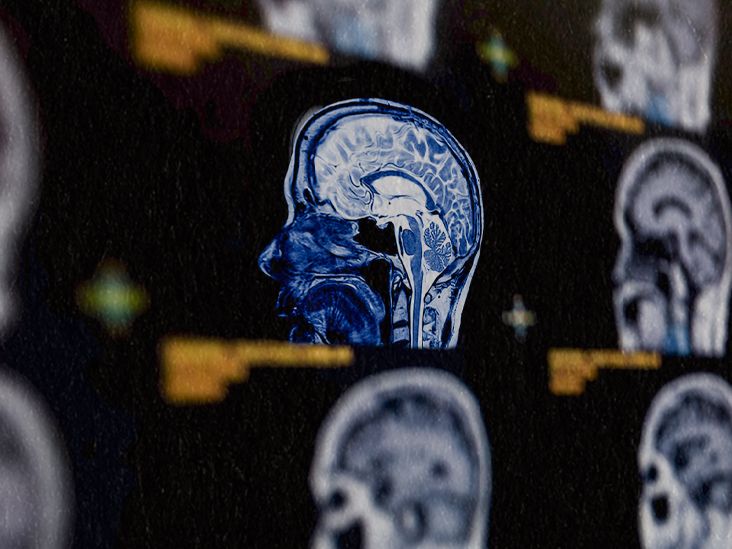
A CT scan is often used first because it is fast and can help distinguish ischemic stroke from bleeding. An MRI can show brain tissue injury in greater detail. CT angiography or MR angiography may be used to look at blood vessels and find a blocked artery. Perfusion imaging may help doctors estimate which brain tissue is already damaged and which tissue might still be saved.
Heart and Blood Vessel Tests
Because embolic strokes often start outside the brain, doctors may look for the source. Tests may include an electrocardiogram, heart rhythm monitoring, echocardiogram, carotid ultrasound, blood tests, and sometimes longer-term heart monitoring after discharge. The goal is not only to treat the current stroke but also to prevent the sequel nobody wants.
Emergency Treatment for Brain Embolism
Emergency treatment focuses on restoring blood flow as quickly and safely as possible. The right treatment depends on when symptoms began, imaging results, the size and location of the blockage, bleeding risk, medical history, and hospital resources.
Clot-Busting Medication
Some patients with ischemic stroke may receive an intravenous clot-dissolving medicine. Alteplase is a well-known option, and some stroke centers may use tenecteplase in selected situations. These medicines work by helping dissolve the clot blocking blood flow. They must be used within a limited time window and only after doctors rule out bleeding and review safety factors.
Mechanical Thrombectomy
For certain large artery blockages, doctors may perform mechanical thrombectomy. In this procedure, a specialist threads a catheter through an artery, often from the groin or wrist, and guides it to the blocked brain artery. A device then removes or captures the clot. It sounds like high-tech plumbing because, honestly, it kind of isexcept the pipes are tiny, delicate, and attached to your personality, memories, and ability to text properly.
Mechanical thrombectomy can be life-changing for carefully selected patients, especially when a large vessel is blocked. Imaging helps determine who may benefit.
Supportive Hospital Care
Hospital care also includes monitoring blood pressure, oxygen, blood sugar, temperature, swallowing safety, and complications. Patients may need fluids, medications, nutrition support, or treatment in a stroke unit or intensive care unit. Stroke teams move quickly, but they are not guessing; they are balancing speed with safety.
Long-Term Treatment and Prevention
After the emergency phase, treatment shifts toward preventing another stroke. The plan depends on what caused the embolism.
Anticoagulants
If atrial fibrillation or another high-risk heart source caused the embolism, doctors may prescribe an anticoagulant, often called a blood thinner. These medicines do not actually make blood watery. They reduce the blood’s tendency to clot. Options may include direct oral anticoagulants or warfarin, depending on the patient’s condition, kidney function, valve status, cost, interactions, and bleeding risk.
Antiplatelet Therapy
Some people may need antiplatelet medicines, such as aspirin or clopidogrel, especially when artery plaque is involved. Antiplatelets and anticoagulants are not interchangeable, and taking them without medical direction can be risky. This is not a “more is better” situation; it is a “please let the neurologist and cardiologist coordinate” situation.
Cholesterol and Blood Pressure Control
Statins may be used to lower cholesterol and stabilize plaque. Blood pressure control is one of the most powerful ways to reduce stroke risk. Diabetes management, smoking cessation, healthy sleep, regular physical activity, and a heart-healthy diet can also reduce risk.
Procedures for Specific Causes
If carotid artery narrowing is severe, some patients may need carotid endarterectomy or carotid stenting. If a patent foramen ovale is suspected as a cause in a younger patient, closure may be discussed in selected cases. If a heart rhythm problem is found, treatment may include medication, rhythm control, ablation, or other cardiology care.
Recovery After Brain Embolism
Recovery varies widely. Some people improve quickly. Others need months of therapy. The outcome depends on how long blood flow was blocked, which brain area was affected, the person’s age and overall health, how quickly treatment began, and whether complications occur.
Rehabilitation may include physical therapy, occupational therapy, speech-language therapy, swallowing therapy, cognitive therapy, counseling, and support for daily activities. Rehab often begins early once the person is medically stable. The brain can relearn skills through repetition, adaptation, and neuroplasticity. It is not magic, but when therapy works well, it can look suspiciously close.
Possible Complications
A brain embolism can lead to weakness or paralysis, speech problems, swallowing difficulty, memory changes, depression, anxiety, vision problems, chronic fatigue, pain, falls, and increased risk of another stroke. Some people also develop post-stroke seizures or muscle stiffness.
Emotional changes are common and deserve attention. A stroke does not only affect the body; it can shake a person’s confidence, independence, and identity. Recovery is medical, physical, emotional, and practical all at once.
How to Lower the Risk of Brain Embolism
Not every stroke can be prevented, but many risk factors can be managed. The most important steps include treating high blood pressure, controlling cholesterol, managing diabetes, avoiding smoking, limiting alcohol, staying physically active, eating a balanced diet, maintaining a healthy weight, and treating atrial fibrillation or other heart conditions.
Regular checkups matter because high blood pressure, high cholesterol, and AFib can be sneaky. They may cause no obvious symptoms until something serious happens. Your body is not always great at sending calendar reminders, so routine screening fills the gap.
Living With a History of Brain Embolism
After a brain embolism, follow-up care is essential. Many people need appointments with neurology, primary care, cardiology, rehabilitation specialists, and sometimes mental health professionals. Medication adherence is critical. Missing anticoagulant doses, stopping blood pressure medication, or ignoring new symptoms can raise risk.
Family members and caregivers also play an important role. They may help track medications, attend appointments, encourage therapy exercises, notice mood changes, and make the home safer. Recovery is rarely a solo sport.
Experience-Based Lessons: What Brain Embolism Care Often Feels Like
Brain embolism is not only a diagnosis on a chart. For patients and families, it is often a before-and-after moment. One minute someone is making coffee, answering emails, or arguing with the TV remote. The next minute, speech sounds strange, one hand will not cooperate, or the room tilts like a badly designed carnival ride.
One common experience is hesitation. People may wonder, “Is this really a stroke?” They may blame fatigue, stress, low blood sugar, or sleeping in a weird position. That hesitation is understandable, but it can be costly. The practical lesson is simple: sudden neurological symptoms deserve emergency attention. You do not need to diagnose a brain embolism at home. You only need to recognize that something is wrong and call for help.
Another real-world lesson is that stroke symptoms can be embarrassing. A person may slur words and laugh it off. They may drop a cup and insist they are fine. They may feel confused and become frustrated when others ask questions. Families should respond calmly and directly. Ask the person to smile, raise both arms, and repeat a simple sentence. If anything looks unusual, call emergency services. This is not the time for a family debate, a group chat poll, or a dramatic search engine spiral.
In the hospital, families often feel overwhelmed by unfamiliar words: CT, MRI, CTA, tPA, thrombectomy, anticoagulation, neuro checks. A helpful approach is to keep one notebook or phone note with key details: symptom start time, medications, allergies, medical history, test results, doctor names, and questions. During a stroke emergency, everyone’s brain is running on panic Wi-Fi. Written notes help.
Recovery brings its own surprises. Progress may come in tiny wins: moving a finger, standing for ten seconds, swallowing safely, saying a full sentence, buttoning a shirt, or walking to the bathroom without help. These moments may look small from the outside, but inside recovery, they are championship-level victories. Celebrate them.
At the same time, recovery is rarely a straight line. Fatigue may be intense. Mood changes may appear. A person who was independent may suddenly need help with basic tasks. Caregivers can feel guilty, tired, impatient, or scared. None of that means anyone is failing. It means the situation is hard. Support groups, counseling, respite care, and honest conversations can make a real difference.
Medication routines also become part of daily life. Some people need blood thinners, cholesterol medication, blood pressure treatment, diabetes care, or heart rhythm management. Pill organizers, refill reminders, and written instructions can prevent mistakes. Patients should ask before taking over-the-counter pain relievers or supplements because some can interact with blood thinners.
The biggest experience-based takeaway is this: brain embolism care is a team effort. Emergency responders, neurologists, nurses, therapists, cardiologists, primary care clinicians, patients, and families all matter. The clot may start the crisis, but teamwork shapes the recovery. And while nobody wants to join the stroke club, people who get fast treatment, steady follow-up, and strong support often discover more resilience than they expected.
Conclusion
A brain embolism, or embolic stroke, happens when a clot or other material travels to the brain and blocks blood flow. Symptoms often appear suddenly and may include facial drooping, arm weakness, speech trouble, vision changes, balance problems, confusion, numbness, or severe headache. Because treatment is time-sensitive, emergency care is essential.
Diagnosis usually involves brain imaging, blood vessel imaging, heart testing, and laboratory work. Treatment may include clot-dissolving medication, mechanical thrombectomy, supportive stroke-unit care, and long-term prevention with medications or procedures based on the cause. Recovery may require rehabilitation and ongoing support, but early treatment and consistent follow-up can improve outcomes.
The best defense is awareness. Know the warning signs, manage heart and vascular risk factors, and take sudden symptoms seriously. When the brain raises an alarm, do not hit snooze.

