
Hair Care
Alcohol: Why Does it Make You Pee?
Jul
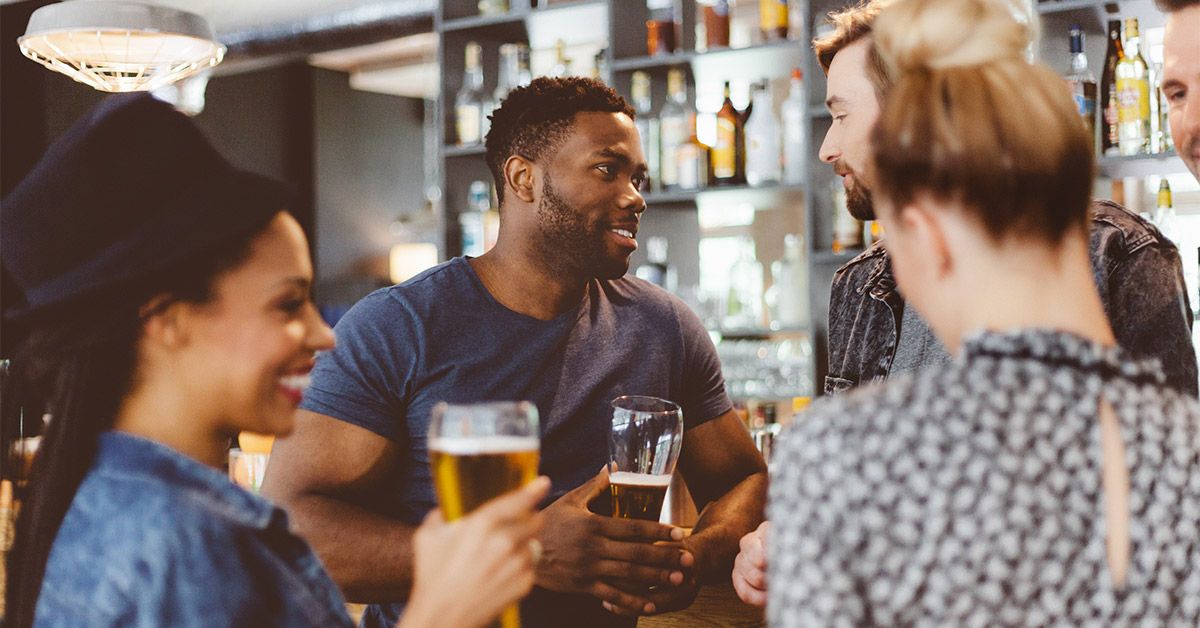
You are out with friends, sipping a beer, wine, cocktail, or whatever mysterious neon drink someone confidently called “a house special.” Everything is normaluntil suddenly your bladder starts acting like it has its own calendar invite. One bathroom trip becomes two. Two becomes five. Before long, you know the restroom layout better than the bartender does.
So, what is going on? Why does alcohol make you pee so much? The short answer is that alcohol acts as a diuretic, meaning it encourages your body to produce more urine. The longer answer involves your brain, your kidneys, a hormone called vasopressin, fluid balance, electrolytes, and the fact that your body is much more complicated than a “drink in, pee out” machine.
This article breaks down the science in plain English, with just enough humor to keep your bladder from filing a complaint. We will look at why alcohol increases urination, why beer sometimes feels worse than spirits, what “breaking the seal” really means, how dehydration fits into hangovers, and what you can do to drink more comfortably and responsibly.
Why Alcohol Makes You Pee: The Main Reason
The biggest reason alcohol makes you pee is that it interferes with a hormone called vasopressin, also known as antidiuretic hormone, or ADH. This hormone is made in the brain and helps tell your kidneys how much water to conserve.
Under normal conditions, your body is very good at managing fluid. If you are low on water, your brain releases more ADH. That tells your kidneys, “Hold on to water, please. We are not running a sprinkler system today.” Your kidneys respond by making less urine and concentrating it more.
Alcohol disrupts that message. When you drink, alcohol can suppress the release of ADH. With less ADH circulating, your kidneys do not get the same strong signal to conserve water. Instead, they release more water into your urine. The result: more bathroom trips, clearer urine, and a bladder that seems dramatically more ambitious than usual.
Alcohol Is a Diuretic: What That Actually Means
A diuretic is anything that increases urine production. Some medications are diuretics. Caffeine can have mild diuretic effects in some situations. Alcohol is also a diuretic, and it can be surprisingly efficient at turning your evening drink into a restroom tour.
But alcohol is not simply adding liquid to your body and then sending that same liquid out. The extra urine can include water your body would otherwise keep. That is why alcohol can contribute to dehydration even though beer, wine, and cocktails contain fluid. Your body may lose more usable water than it wisely should, because the hormone system that normally helps retain water is temporarily muted.
Think of ADH as the responsible friend in your body’s group chat. Alcohol mutes that friend. Your kidneys continue the conversation without supervision, and suddenly everyone is ordering more urine.
The Brain-Kidney Connection
Your kidneys do not make fluid decisions alone. They are part of a larger command system involving the brain, blood volume, blood pressure, sodium concentration, and hormones. When your blood becomes more concentrated or your fluid level drops, your body usually tries to hold on to water.
ADH helps with this by acting on the kidneys’ collecting ducts, where water can be reabsorbed back into the bloodstream. When ADH levels are appropriate, the kidneys conserve water and produce smaller amounts of more concentrated urine. When ADH is suppressed, the kidneys allow more water to leave the body through urine.
This is why drinking alcohol can make you urinate more even before you feel drunk. Your body begins responding chemically. You may still be politely discussing appetizers while your hormone system is already adjusting the plumbing.
Why Beer Can Make You Pee So Much
Many people notice that beer seems especially good at sending them to the bathroom. There are two reasons for that. First, beer contains alcohol, which can suppress ADH. Second, beer is usually consumed in larger volumes than wine or liquor.
A 12-ounce beer, a 5-ounce glass of wine, and a 1.5-ounce shot of 80-proof spirits can each count as one standard drink in the United States, depending on alcohol content. But the physical volume is very different. Drinking two pints of beer puts far more liquid into your stomach and bladder than two small servings of spirits.
So beer gives your bladder a double assignment: process the liquid volume and respond to alcohol’s diuretic effect. No wonder your bladder starts behaving like it has backstage passes to the restroom.
What About Wine and Cocktails?
Wine and cocktails can also increase urination because they contain alcohol. However, the experience may feel different based on volume, alcohol strength, sugar content, carbonation, and how quickly you drink.
Wine usually has less volume than beer but more alcohol by percentage. Cocktails vary wildly. One carefully measured mixed drink may contain one standard drink. A giant restaurant margarita served in a glass the size of a birdbath may contain much more. When drinks are stronger than they look, the diuretic effect can sneak up on you.
Sugary mixers can also make some people feel thirstier or more uncomfortable later, although sugar itself is not the main reason alcohol makes you pee. The primary driver remains alcohol’s effect on ADH and fluid balance.
Is “Breaking the Seal” Real?
The phrase “breaking the seal” suggests that once you pee for the first time while drinking, you somehow open the floodgates and doom yourself to endless bathroom visits. It is a dramatic phrase, and like many dramatic phrases, it is only partly useful.
There is no literal seal. Your bladder is not a jar of pickles. What is really happening is that alcohol has already increased urine production. Once your bladder fills enough to trigger the urge to go, the cycle becomes noticeable. After that first trip, you may keep needing to go because your kidneys are still producing extra urine and you may still be drinking more fluid.
In other words, the first bathroom trip does not cause the rest. It simply announces that the process is already underway. It is less “breaking the seal” and more “the bladder has entered the chat.”
Why Alcohol Can Dehydrate You
Alcohol can contribute to dehydration because it increases fluid loss through urine. If you do not replace that fluid with water or other nonalcoholic drinks, your body may become mildly dehydrated.
Dehydration can contribute to common next-day symptoms such as thirst, dry mouth, headache, fatigue, and dizziness. However, dehydration is only one part of a hangover. Hangovers can also involve inflammation, poor sleep, stomach irritation, low blood sugar, congeners in certain drinks, and the byproducts created when your liver breaks down alcohol.
This is why drinking water helps but does not magically erase a hangover. Water is useful, but it is not a time machine, a liver assistant, or a legal defense for texting your ex at 1:13 a.m.
Electrolytes: The Supporting Cast
When you urinate more, you lose water and may also affect your electrolyte balance. Electrolytes are minerals such as sodium, potassium, and chloride that help regulate nerve signals, muscle function, hydration, and blood pressure.
Most healthy adults can handle occasional mild fluid shifts, especially with food and water. But heavy drinking, vomiting, sweating, drinking in hot weather, or drinking without eating can make dehydration and electrolyte issues more likely.
This is one reason food matters. Eating before and while drinking can slow alcohol absorption and provide sodium, carbohydrates, and other nutrients. A balanced meal will not make alcohol harmless, but it can reduce how quickly alcohol hits your system.
Why You Pee More at Night After Drinking
Alcohol can interfere with sleep in several ways, and nighttime urination is one of them. If you drink in the evening, alcohol may increase urine production while you are trying to sleep. That can wake you up for bathroom trips, even if you normally sleep through the night.
Alcohol may also reduce sleep quality. It can make you feel sleepy at first but disrupt deeper sleep later. Combine poor sleep with dehydration and several bathroom wake-ups, and the next morning can feel like your body is running on low battery mode.
If alcohol regularly makes you wake up to urinate, cutting back, drinking earlier, spacing drinks, and having water can help. If nighttime urination happens often even without alcohol, it may be worth discussing with a healthcare professional.
Why Some People Pee More Than Others When Drinking
Not everyone responds to alcohol the same way. Several factors can affect how much you pee after drinking:
1. Drink Volume
More liquid usually means more urine. Beer, hard seltzer, and large mixed drinks may increase bathroom trips simply because they deliver more fluid.
2. Alcohol Strength
Higher alcohol content can have a stronger effect on ADH. A drink with more alcohol than expected may lead to more fluid loss.
3. Drinking Speed
Drinking quickly raises blood alcohol levels faster. That can intensify alcohol’s effects, including its diuretic action.
4. Food Intake
Food slows alcohol absorption. Drinking on an empty stomach can make alcohol affect you faster, which may also make dehydration more noticeable.
5. Body Size and Biology
Body weight, sex, muscle mass, hormones, kidney function, medications, and overall hydration status can all influence how alcohol affects fluid balance.
6. Caffeine and Other Ingredients
Some cocktails include caffeine, such as espresso martinis or energy drink mixers. Caffeine may add to bathroom urgency for some people and can also mask how intoxicated someone feels.
Does Clear Urine Mean You Are Hydrated?
Clear urine after drinking does not automatically mean you are perfectly hydrated. It may simply mean your kidneys are sending out diluted urine because ADH is suppressed. You can be producing lots of pale urine and still be losing more fluid than your body wants to give up.
In everyday life, pale yellow urine often suggests decent hydration. But after alcohol, urine color can be misleading. Your body may be dumping water quickly, even while your mouth feels dry and your head is preparing tomorrow’s complaint letter.
How to Reduce Alcohol-Related Bathroom Trips
You cannot completely turn off alcohol’s diuretic effect, but you can reduce how intense it feels. The goal is not to “hack” alcohol. The goal is to support your body so the evening does not become a bladder-based obstacle course.
Drink Slowly
Pacing yourself gives your body more time to process alcohol and fluid. Try sipping instead of racing through drinks.
Alternate With Water
A glass of water between alcoholic drinks can help replace some fluid and slow your overall alcohol intake.
Eat Before Drinking
A meal with protein, carbohydrates, and some salt can slow absorption and support fluid balance.
Watch Serving Sizes
Many drinks contain more than one standard drink. Strong craft beers, oversized wine pours, and heavy-handed cocktails can add up fast.
Avoid Drinking Too Close to Bed
Stopping earlier in the evening may reduce nighttime urination and improve sleep quality.
Be Careful in Heat
Hot weather, dancing, exercise, and sweating can increase fluid loss. Alcohol plus heat can dehydrate you faster.
When Frequent Urination May Not Be Just Alcohol
If you only pee more when drinking alcohol, the cause is likely alcohol’s diuretic effect combined with fluid volume. But if frequent urination happens often even when you are not drinking, pay attention.
Frequent urination can also be related to urinary tract infections, diabetes, overactive bladder, pregnancy, prostate issues, kidney problems, certain medications, anxiety, or drinking large amounts of fluid or caffeine. Seek medical advice if frequent urination disrupts your sleep or daily life, comes with pain or burning, includes blood in the urine, causes fever or back pain, or appears suddenly without an obvious reason.
Your bladder may be dramatic, but sometimes it is dramatic for a reason.
Alcohol, Hangovers, and the Morning After
The morning after drinking, you may feel thirsty, foggy, tired, and headache-prone. Alcohol-related urination is one contributor, but not the entire story. Your liver breaks alcohol down into acetaldehyde before converting it into less harmful substances. Acetaldehyde can contribute to inflammation and unpleasant symptoms.
Alcohol can also irritate the stomach, lower sleep quality, affect blood sugar, and increase inflammation. So while dehydration matters, a hangover is more like a committee of bad decisions than a single villain.
Water, rest, gentle food, and time are the most reliable supports. More alcohol, often called “hair of the dog,” may delay symptoms but does not solve the underlying issue. Your liver is already busy; it does not need extra paperwork.
Responsible Drinking: A Practical Reminder
In the United States, one standard drink contains about 14 grams of pure alcohol. That is roughly 12 ounces of regular beer, 5 ounces of wine, or 1.5 ounces of 80-proof spirits. Moderate drinking is commonly described as up to two drinks or less in a day for men and one drink or less in a day for women, on days when alcohol is consumed.
Some people should avoid alcohol entirely, including people who are pregnant, under the legal drinking age, taking medications that interact with alcohol, recovering from alcohol use disorder, planning to drive, or managing certain medical conditions.
If alcohol causes repeated problemsblackouts, risky behavior, relationship stress, missed work, health concerns, or inability to cut backit may be time to talk with a healthcare professional. That conversation is not a failure. It is maintenance. Even cars get checkups, and cars do not have group chats.
Real-Life Experiences: Why the Bathroom Trip Keeps Happening
Most people do not learn about alcohol’s diuretic effect from a physiology textbook. They learn it in the least glamorous laboratory available: a crowded restaurant, a backyard barbecue, a concert venue, a wedding reception, or a sports bar with exactly two restrooms and a line that appears to be governed by federal policy.
One common experience is the “first beer surprise.” Someone drinks a pint, feels fine, chats for a while, and then suddenly needs to pee with the urgency of a breaking news alert. They go once, return to the table, and ten minutes later the bladder sends a second memo. This feels mysterious until you remember that beer brings both volume and alcohol. The body is processing a large amount of liquid while alcohol is reducing the hormone signal that normally tells the kidneys to conserve water.
Another familiar situation is the wedding reception effect. A guest has a glass of champagne, then wine with dinner, then maybe a cocktail during dancing. The room is warm, everyone is moving, and water is somehow less interesting than the dessert table. By the end of the night, that guest may feel thirsty, tired, and glued to the bathroom route. The issue is not one drink alone; it is the combination of alcohol, time, dancing, sweating, salty food, and not enough water.
Then there is the “I only had cocktails” confusion. Some people assume cocktails should cause fewer bathroom trips because the glasses are smaller than beer. Sometimes that is true. But cocktails can be stronger than they look, especially when made at home or served in oversized glasses. A sweet mixed drink may go down smoothly while delivering more alcohol than expected. The bladder does not care that the drink had a cute garnish. It responds to chemistry.
People also notice alcohol-related urination more during travel. On vacation, routines change. You may drink in the sun, eat later, sleep less, walk more, and forget water. A beach cocktail or brewery flight can feel harmless, but heat and sweating add extra fluid loss. That is why a person may feel unusually drained after a “casual” day of vacation drinking. It is not just the alcohol; it is the setting.
The best real-world strategy is boring but effective: pace your drinks, eat a real meal, drink water, and know your limit before your bladder starts negotiating on your behalf. If you are going to drink, treat hydration like part of the plan, not a punishment assigned at midnight. A glass of water between drinks is not dramatic, but neither is waking up feeling like your mouth has been carpeted.
Alcohol makes you pee because it changes how your body manages water. Once you understand that, the bathroom trips feel less random and more like a predictable biological receipt. Your body is simply saying, “I am processing this, and unfortunately, we will be making several stops.”
Conclusion
Alcohol makes you pee because it acts as a diuretic and suppresses vasopressin, the antidiuretic hormone that helps your kidneys conserve water. With less ADH signaling, your kidneys release more water into urine, which leads to more frequent bathroom trips and can contribute to dehydration.
The effect can be stronger when you drink large-volume beverages like beer, consume alcohol quickly, drink on an empty stomach, spend time in hot weather, or forget to drink water. “Breaking the seal” is not a real biological switch, but it describes a real experience: once alcohol-driven urine production starts, your bladder may keep filling quickly.
The smartest approach is simple: drink slowly, know what counts as a standard drink, eat before drinking, alternate with water, avoid overdoing it, and pay attention to symptoms that do not seem normal. Your kidneys are not trying to ruin your night. They are just doing their job under slightly chaotic management.

