
Beauty Unlocked
A Young UK Designer with an Old Soul
Jun
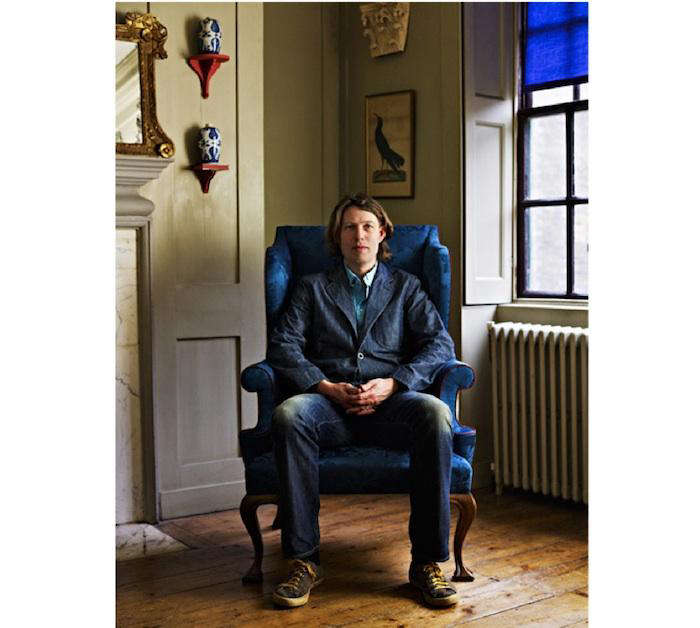
Some designers chase trends the way a golden retriever chases a tennis ball: fast, happy, and not always sure why. Then there are designers like Max Rollitt, the British antiques dealer, furniture maker, restorer, and interior designer whose rooms seem to have skipped the panic of “what’s hot now” and gone straight to “what will still feel wonderful in 80 years?” That is the rare magic behind the phrase a young UK designer with an old soul.
Rollitt’s work does not feel young in the usual glossy-magazine sense. It is not desperate to shock, nor does it rely on giant sculptural chairs that look like they were designed by a confused mushroom. Instead, his interiors feel layered, warm, and deeply lived-in. They carry the confidence of old houses, the humor of unexpected objects, and the softness of rooms made for actual human beings, not just photoshoots where nobody is allowed to sit down.
At the center of his design philosophy is a simple but powerful idea: a beautiful home should not look newly delivered. It should look discovered, edited, repaired, loved, and occasionally saved from a dusty corner of an antiques shop. In an era of fast furniture, white-box minimalism, and copy-paste social media rooms, that old-soul approach feels surprisingly fresh.
Who Is Max Rollitt?
Max Rollitt is a UK-based interior designer, antiques dealer, furniture maker, and restorer known for a richly layered version of English country-house style. His career grew from practical craftsmanship rather than pure decoration. Before becoming recognized for interiors, he studied cabinetmaking and furniture design, then trained in antique furniture restoration. That background matters because it gives his rooms a different kind of intelligence. He understands how furniture is made, how wood ages, how surfaces acquire patina, and why a chair can look elegant but still behave like a chair.
His business brings together three connected worlds: interiors, antiques, and bespoke furniture. This combination explains the distinctive character of his spaces. A Rollitt room rarely feels like someone ordered everything from one showroom in a single afternoon. Instead, it feels assembled over generations, even when the project itself is new. A Georgian table might share space with a relaxed sofa, botanical prints, a worn rug, a quirky lamp, and enough books to suggest the homeowner has opinions about tea, history, and possibly the correct way to stack firewood.
The phrase “old soul” suits Rollitt because his work respects time. He does not treat age as a flaw to be polished away. He treats it as evidence. Scratches, faded textiles, old timber, and slightly imperfect finishes are not signs of failure; they are signs of use, memory, and character.
Why His Style Feels So Different Today
Modern interior design often gets trapped between two extremes. On one side, there is sterile minimalism: empty surfaces, beige walls, and rooms so quiet you can almost hear the mortgage. On the other side, there is trend overload: arches, checkerboards, bouclé, mushroom lamps, and whatever else the internet decided was important before breakfast.
Rollitt’s interiors sit somewhere more interesting. They are traditional without being stiff, decorative without being fussy, and comfortable without looking lazy. This is not “grandma’s house” in the dusty sense. It is more like grandma’s house if grandma had excellent taste, a restoration workshop, and the confidence to put a formal antique beside a sofa built for long conversations.
His rooms often include deep color, aged wood, hand-finished surfaces, patterned textiles, antique lighting, art, books, ceramics, and furniture with real presence. The result is a look that feels both historic and personal. It avoids the biggest mistake in traditional decorating: turning the home into a museum where the only thing missing is a velvet rope and a bored security guard.
The Power of Antiques in a Modern Home
Antiques are not just old objects. In the right hands, they are design shortcuts to depth. A new room can look instantly more grounded when it includes something with age, craftsmanship, and a story. This is why designers increasingly recommend vintage and antique pieces for homeowners who want interiors that feel collected rather than manufactured.
Rollitt’s use of antiques is especially effective because he does not treat them as precious trophies. They are part of the rhythm of daily life. A worn table can host dinner. An old chest can hold clutter. A faded chair can still be a favorite reading spot. This practical attitude keeps the style relaxed. It says, “Yes, this object has history, but please put your coffee down and stop hovering like you’re in a palace.”
For American homeowners, this approach is especially useful. Many U.S. homes are newer than the English houses that inspire this style, but that does not mean they must feel flat or soulless. A single antique mirror, a vintage rug, a solid wood dining table, or a quirky inherited painting can change the emotional temperature of a space. It adds a little mystery. It gives the eye somewhere to land.
Old-Soul Design Is Not About Buying Expensive Things
One common misunderstanding about antique-led interiors is that they require a giant budget and a family crest. They do not. The old-soul design mindset is less about price and more about discernment. It asks better questions: Is the piece well made? Does it have character? Does it improve with age? Does it make the room feel more human?
A well-chosen thrifted stool can have more charm than a brand-new accent chair trying too hard to look important. A vintage brass candlestick can add more warmth than a dozen anonymous accessories. Even mismatched dishes, old frames, secondhand lamps, and simple wooden pieces can create the feeling of a home with roots.
The trick is editing. Rollitt’s rooms may be layered, but they are not random. There is balance in the mix: formal and informal, polished and rough, old and new, dark and light. The eye moves through the room without feeling attacked by objects. This is where experience shows. A room full of old things can become cluttered quickly. A room with a few meaningful old things can feel unforgettable.
What Makes an Interior Feel Timeless?
Timeless design is not the same as safe design. A timeless room can be bold, colorful, eccentric, and deeply personal. What makes it last is not neutrality; it is integrity. Materials matter. Proportion matters. Comfort matters. A room that respects architecture, scale, and daily life will usually age better than one built around a trend.
Rollitt’s interiors often begin with the bones of a building. Fireplaces, beams, windows, doorways, floors, and ceiling heights all influence the final design. This is a major lesson for anyone decorating a home: do not fight the house before you have listened to it. A sleek glass table may be beautiful in one room and completely wrong in another. A floral fabric may feel charming in a cottage and chaotic in a glassy apartment. Good design is not just taste; it is context.
Old-soul decorating also values usefulness. Rooms are meant to be occupied. Sofas should invite people to sit. Dining rooms should be ready for food, laughter, and at least one person telling a story that takes too long. Bedrooms should feel restful, not staged. A home that is too perfect becomes emotionally unavailable. Nobody wants to live inside a showroom that silently judges socks on the floor.
The English Country-House Influence
The English country-house style has long appealed to design lovers because it balances elegance with informality. It accepts pattern, books, dogs, muddy boots, old portraits, flowers, textiles, and slightly eccentric arrangements. It is not afraid of abundance, but it prefers character over glamour.
Rollitt represents a younger, livelier interpretation of that tradition. His work is rooted in history but not trapped by it. The rooms can include Georgian shapes, Victorian pine, botanical references, hand-blocked textiles, antique furniture, and modern comfort. This is why his style travels so well. Even outside Britain, the principles work: mix eras, use natural materials, add texture, choose pieces with personality, and let the room breathe.
For U.S. readers, this influence can translate beautifully into farmhouses, brownstones, cottages, colonials, apartments, and suburban homes. The point is not to pretend you live in Hampshire when you actually live in Ohio. The point is to borrow the wisdom: rooms should feel gathered, not purchased by algorithm.
How to Bring the Look Home
Start with one strong antique
Choose a piece that can anchor the room: an old table, a chest, a mirror, a cabinet, or a pair of chairs. Let it provide texture and age, then build around it with simpler elements.
Mix old and new deliberately
A home should not look like one era had a monopoly on good taste. Pair antique furniture with modern upholstery, contemporary art with old frames, or a clean-lined sofa with a vintage rug. Contrast keeps the room alive.
Respect patina
Do not refinish every old piece until it looks suspiciously young. Some wear is beautiful. Patina gives furniture depth, like laugh lines on a person who has actually enjoyed life.
Use color with confidence
Old-soul interiors are rarely afraid of color. Deep greens, muddy reds, ochres, blues, creams, browns, and warm neutrals can all create atmosphere. The goal is not to be loud; it is to be rich.
Layer textiles
Rugs, cushions, curtains, throws, and upholstery are where comfort becomes visible. Mixing patterns is allowed, but keep a shared palette so the room feels composed rather than dizzy.
Add humor
A room without humor can feel too self-important. A strange little painting, an unexpected lamp, a funny object, or a slightly odd chair can make the space feel human. Design should occasionally wink.
Why Young Designers Are Returning to Old Ideas
The renewed interest in antiques, restoration, craft, and vintage decor is not just nostalgia. It is a reaction to sameness. When everyone can buy the same furniture, paint the same walls, and copy the same inspiration board, individuality becomes more valuable. Younger designers are discovering that old objects help break the cycle of sameness.
There is also a sustainability angle. Reusing furniture is often more responsible than buying poorly made pieces that will be discarded in a few years. Antique and vintage items were frequently built with better materials and repairable construction. They reward patience. They ask homeowners to hunt, compare, touch, inspect, and think.
That slower process is part of the charm. You cannot always find the perfect old cabinet in one click. Sometimes you have to visit a market, talk to a dealer, check measurements, imagine it in your hallway, and then convince yourself that yes, you do have room for one more chair. This is how homes become personal.
Experience Notes: Living with the “Old Soul” Design Mindset
The most useful lesson from the idea of a young UK designer with an old soul is that taste improves when you slow down. Many people decorate in panic. They move into a home and immediately feel they must finish every room before anyone visits. So they buy matching sets, quick accessories, and temporary solutions that somehow become permanent. Three years later, the room is technically complete but emotionally empty.
An old-soul approach feels different. It gives permission to let a home evolve. You might start with a plain room, then add a vintage table found after weeks of searching. A few months later, you discover a lamp with a shade that is slightly too dramatic but somehow perfect. Then comes a framed print, a better rug, a chair inherited from a relative, and a ceramic bowl picked up while traveling. Slowly, the room begins to tell the truth about you.
I have seen this approach work especially well in ordinary homes. A small apartment can gain instant charm from an old wooden stool used as a bedside table. A modern kitchen can feel warmer with vintage cutting boards, aged brass hardware, or open shelves holding mismatched ceramics. A basic living room can become memorable with one antique mirror above the mantel and a rug that looks as if it has already survived three family arguments and a dog with muddy paws.
The best experience is not the shopping; it is the relationship that develops with objects. New mass-produced furniture often disappears into the background. Older pieces keep introducing themselves. You notice the turning on a table leg, the worn edge of a drawer, the faded color of a textile, the way afternoon light catches an uneven surface. These details make a room feel alive.
There is also emotional comfort in imperfection. In a home full of flawless new things, every scratch feels like a tragedy. In a home with old things, life relaxes. A mark on a table is not the end of civilization. It joins the record. This is why antique-led interiors often feel more welcoming than ultra-polished spaces. They have already made peace with use.
Of course, the old-soul style requires restraint. Not every old object is beautiful. Some are just tired. A good eye learns the difference between patina and damage, charm and clutter, history and dust. The goal is not to fill a home with antiques until it looks like a storage room wearing curtains. The goal is to choose pieces that earn their place.
That is why Max Rollitt’s work is such a helpful model. It shows that tradition can be lively, antiques can be practical, and comfort can be elegant. It proves that young design does not have to look futuristic to feel relevant. Sometimes the freshest room is the one with the deepest roots.
Conclusion
A Young UK Designer with an Old Soul is more than a catchy title. It describes a design philosophy that feels increasingly important: respect craft, embrace age, decorate with personality, and create rooms that can handle real life. Max Rollitt’s interiors remind us that a home should not be a trend report. It should be a layered, comfortable, slightly eccentric record of taste, memory, and daily rituals.
In a world obsessed with the next new thing, old-soul design offers a better question: what is worth keeping? The answer might be an antique chair, a faded rug, a handmade table, a family picture, or simply the courage to let a room become itself over time. That is not just good decorating. That is good living, with better lamps.
Note: This article was created as original, publication-ready editorial content based on publicly available information about Max Rollitt, antique-led interiors, English country-house style, restoration, vintage decor, and current design commentary.

