
Skincare
How to Grow Catnip at Homeand Why You Should
Aug
Growing catnip at home is one of those gardening projects that delivers an impressive amount of entertainment for very little effort. You plant a few tiny seeds, provide sunshine and sensible watering, and eventually your cat behaves as though you have opened an exclusive botanical nightclub in the living room.
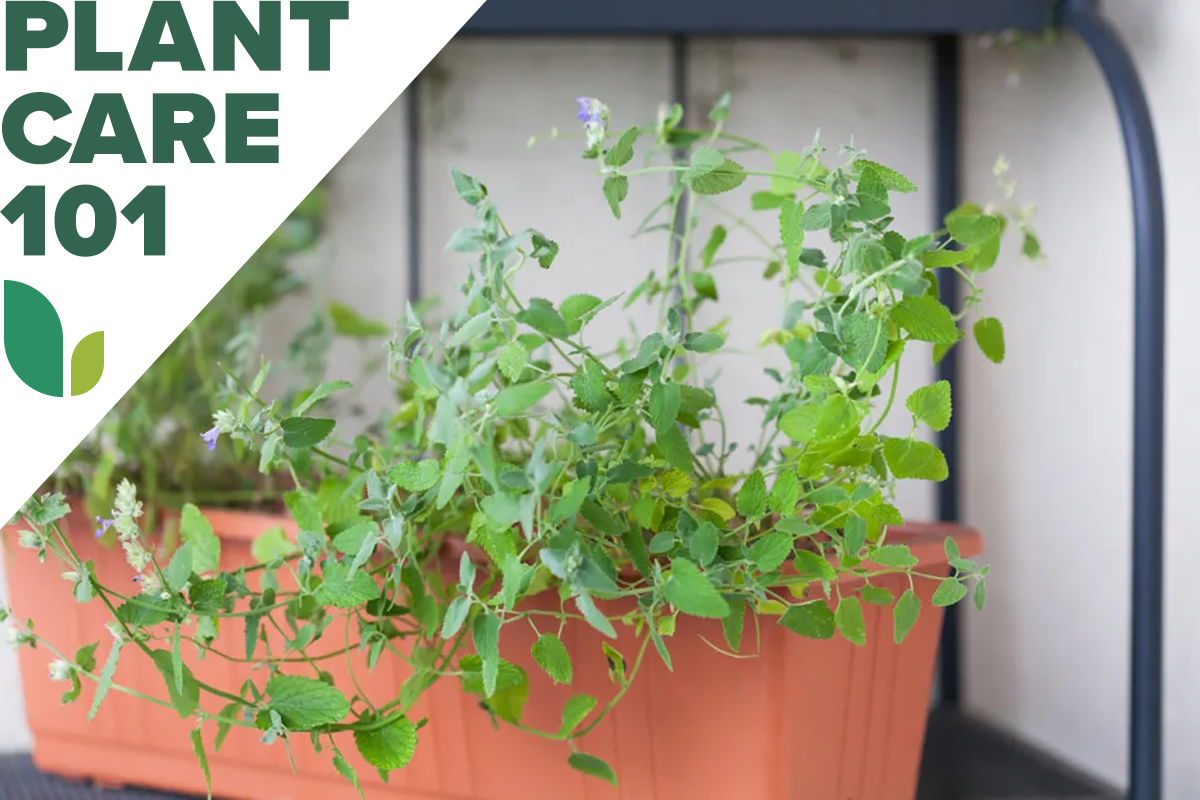
Catnip, scientifically known as Nepeta cataria, is a fragrant perennial herb in the mint family. It grows well in garden beds, patio containers, raised gardens, and sunny indoor spaces. Once established, it tolerates dry conditions, asks for little fertilizer, and produces gray-green leaves with small white flowers marked by pale purple spots.
The plant is famous for its effect on cats, but that is not its only attraction. Catnip is inexpensive to grow, useful for feline enrichment, appealing to some pollinators, and easy to harvest for homemade cat toys. It can also become enthusiastic about reproducing, so a little planning prevents your modest herb patch from declaring independence and occupying the yard.
Research basis for plant identification, growth habit and cultural requirements:
What Is Catnip, Exactly?
True catnip is Nepeta cataria. It should not be confused with ornamental catmint, a name commonly applied to other plants and hybrids in the Nepeta genus. Catmint varieties are often shorter, tidier, and covered with showier blue or purple flowers. They are excellent landscape plants, but they may not excite cats as reliably as true catnip.
Catnip contains nepetalactone, an aromatic compound concentrated in its leaves, stems, and flowers. When a responsive cat smells the plant, it may roll, rub its face, purr, zoom across the room, paw at imaginary enemies, or temporarily forget every rule of civilized household conduct.
Sensitivity to catnip is inherited, so not every cat reacts. Young kittens frequently show little interest until they are several months old. Among responsive adult cats, smelling catnip often produces an energetic reaction, while eating it may have a more calming effect.
Research basis for feline response and age-related sensitivity:
Why Grow Catnip at Home?
You Control What Goes on the Plant
Homegrown catnip lets you decide how the plant is raised. You can avoid unnecessary pesticides, keep it away from roadside pollution, and harvest only clean, healthy leaves. This is especially valuable when the catnip will be placed in toys or offered directly to a pet.
That does not automatically make every backyard leaf ready for consumption. Avoid using plants treated with products that are not labeled for edible herbs or pet-accessible areas. Wash harvested stems when necessary and dry them completely before storage.
Fresh Catnip Can Be More Aromatic
Catnip’s distinctive fragrance comes from volatile compounds that gradually fade after harvesting. Commercial catnip may spend months being processed, packaged, shipped, shelved, purchased, forgotten in a drawer, and eventually discovered beside three expired coupons.
Homegrown leaves can be harvested at their aromatic peak and stored in small, tightly sealed containers. Crushing a dried leaf immediately before use releases more scent than leaving a pile exposed to the air.
It Provides Useful Enrichment
Catnip can make familiar objects interesting again. Rub a small amount on an approved scratching post, sprinkle it inside a puzzle toy, or stuff dried leaves into a durable fabric toy. Rotating catnip items rather than leaving them out continuously can help preserve their novelty.
Cornell University’s feline-care guidance notes that catnip may be offered as an alternative green for cats interested in chewing houseplants. It can also encourage some cats to investigate appropriate scratching surfaces. However, access to catnip does not guarantee that a determined cat will stop sampling other plants, so potentially dangerous houseplants should still be kept securely out of reach.
Research basis for enrichment and houseplant management:
It Is Friendly to Beginning Gardeners
Catnip tolerates ordinary soil, occasional neglect, and periods of dryness after its roots are established. In fact, excessive fertilizer and constant watering often cause more trouble than modest care. The plant is therefore well suited to beginners, busy households, and gardeners whose watering schedule occasionally becomes “whenever the leaves look judgmental.”
The Flowers Attract Insect Visitors
When allowed to bloom, catnip can provide nectar and pollen for visiting insects. However, it is a nonnative plant in the United States, and research from Oregon State University Extension notes that native plants generally support a broader diversity of native insects. Treat catnip as one useful component of a garden rather than a replacement for regionally native flowers.
Research basis for pollinator value and limitations:
How to Grow Catnip from Seed
Choose a Suitable Container or Garden Site
For outdoor planting, select a location receiving at least four to six hours of direct sunlight, with more sun generally producing denser, more aromatic growth. Catnip tolerates light shade, particularly in hot climates, but deep shade usually creates weak, floppy stems.
The soil must drain well. Catnip can grow in sandy, loamy, rocky, or relatively poor ground, but it dislikes roots sitting in water. If puddles remain for hours after rain, improve the soil structure, use a raised bed, or plant in a container.
For container growing, choose a pot with several drainage holes. A container about 8 to 12 inches across is adequate for a young plant, although a larger pot will dry more slowly and accommodate mature roots. Fill it with a commercial potting mix rather than dense garden soil.
Sow the Seeds
- Moisten the potting mix before planting so the seeds are not washed into a corner later.
- Scatter the small seeds over the surface and press them gently into the mix.
- Cover them only lightly, following the depth recommended on the seed packet.
- Keep the growing medium evenly moist but not soggy while germination occurs.
- Place the container in bright light and provide gentle air circulation.
- Once seedlings develop several true leaves, thin or transplant them so they are not crowded.
Catnip can be started indoors several weeks before the final expected frost or sown outside in spring. It may also be sown in fall where winter conditions provide a natural cold period. Local timing varies, so use your regional frost calendar rather than trusting a generic national date.
Protect Young Plants from Cats
A seedling may be biologically prepared for sunlight and soil, but it is rarely prepared for a twelve-pound cat performing a full-body celebration on top of it. Protect young plants with a wire basket, mesh cover, decorative cage, or temporary barrier until the stems become stronger.
Hanging baskets and elevated containers can work, provided your cat cannot launch from a nearby chair. Never underestimate an animal that regards the top of a refrigerator as a reasonable destination.
How to Grow Catnip Indoors
Indoor catnip needs more light than many people expect. Place it near a bright south- or west-facing window where it can receive several hours of direct sun. When natural light is limited, position a grow light above the plant and operate it for roughly 12 to 16 hours daily.
Rotate the pot every few days to keep growth balanced. Long spaces between leaves, pale foliage, and stems leaning dramatically toward the window are signs that the plant needs stronger light.
Water when the upper inch of potting mix feels dry. Apply enough water for excess moisture to run through the drainage holes, then empty the saucer. Do not keep the pot permanently wet. Catnip is much more forgiving of slight dryness than of swamp-like soil.
Indoor herbs benefit from airflow, but avoid placing the pot directly in front of heating or air-conditioning vents. Pinch the growing tips periodically to encourage branching. If the plant becomes crowded or root-bound, move it into a slightly larger container with fresh potting mix.
Use fertilizer sparingly. A diluted, balanced fertilizer applied occasionally during active growth is generally sufficient for container plants. Heavy feeding can produce large amounts of soft foliage with less concentrated aroma.
Research basis for container drainage, light, watering, fertilizer and harvesting:
Growing Catnip from Cuttings or Division
Seeds are economical, but they are not the only way to obtain more plants. Catnip can also be propagated from stem-tip cuttings or by dividing an established clump.
Propagating from a Cutting
- Cut a healthy, nonflowering stem several inches long.
- Remove the leaves from the lower portion of the stem.
- Insert the stem into moist perlite, sand, or a light propagation mix.
- Keep it in bright, indirect light while roots develop.
- Transplant it once it has a healthy root system and begins producing new growth.
Dividing an Established Plant
In early spring, dig up a mature clump and separate it into sections with healthy roots and shoots. Replant the divisions promptly and water them during establishment. Dividing older catnip plants can rejuvenate growth and replace a woody, untidy center with several vigorous new plants.
Routine Catnip Care
Water Deeply but Infrequently
Newly planted catnip needs consistent moisture while its roots establish. Mature outdoor plants are more drought tolerant. Water deeply when the soil becomes dry rather than applying a tiny splash every day. Deep watering encourages roots to explore a larger area of soil.
Pinch and Prune Regularly
Pinching the top of each young stem encourages side branches and creates a fuller plant. Later in the season, trim lanky growth and remove fading flowers. Shearing after the first bloom may encourage fresh foliage and another round of flowers.
Avoid removing the entire plant repeatedly. For a perennial, harvesting roughly the top third at one time leaves enough foliage for recovery.
Control Self-Seeding
Catnip may spread by dropping seeds around the parent plant. This can be charming when you want free plants and less charming when catnip appears between patio bricks, beneath the tomatoes, and in a flower bed three properties away.
Remove flower heads before they mature if you do not want seedlings. Growing catnip in a container also makes its enthusiasm easier to manage. Check around pots because seeds can still fall through drainage holes or scatter onto nearby soil.
Research basis for self-seeding and garden containment:
How and When to Harvest Catnip
For a leafy harvest with strong fragrance, cut stems as flower buds appear or as blooming begins. Catnip harvested in full bloom can also be highly aromatic. Choose a dry morning after the dew has evaporated but before intense afternoon heat.
- Use clean scissors or pruning shears.
- Cut just above a pair of leaves to encourage branching.
- Take no more than approximately one-third of a perennial plant at once.
- Discard damaged, moldy, or pest-infested material.
- Wash dusty stems in cool water when needed and dry them thoroughly.
Fresh leaves can be offered in very small amounts or used to scent toys. Bruising or crushing the leaf releases more aroma. Do not leave a freshly harvested pile where a cat can consume an unlimited quantity.
How to Dry and Store Catnip
Gather a few stems into a small bundle and hang them upside down in a warm, dark, well-ventilated place. Darkness helps protect color and aroma, while airflow reduces the risk of mold. Large, tightly packed bundles dry slowly, so several small bundles are better than one botanical broom.
You can also remove the leaves and spread them in a single layer on a clean screen or drying rack. The catnip is ready for storage when the leaves feel crisp and the stems snap rather than bend.
Strip the dried leaves from the coarse stems and place them in airtight containers. Store the containers in a cool, dark cabinet. Small jars are useful because you can open one portion without repeatedly exposing the entire harvest to oxygen and humidity.
Label each container with the harvest date. Replace old catnip when its aroma becomes faint. Crushing the leaves only when needed helps preserve the volatile scent longer.
Common Catnip-Growing Problems
Yellow Leaves
Yellowing often points to excessive watering, poor drainage, or roots remaining wet for too long. Let the soil dry slightly, confirm that drainage holes are open, and never allow the pot to sit continuously in collected water.
Long, Floppy Stems
Leggy growth usually results from insufficient light, crowding, or excessive fertilizer. Move the plant to a brighter location, pinch the stems, and reduce feeding.
A Plant That Keeps Getting Flattened
The likely pest may be asleep on your pillow. Surround the plant with a low wire cage or grow a protected “mother plant” for harvesting while offering your cat smaller cut stems elsewhere.
Unwanted Seedlings
Deadhead flowers before seeds mature. Pull young volunteer plants while the soil is moist, before their roots become established.
Weak Indoor Growth During Winter
Short days and weak window light can slow growth dramatically. Add a grow light, reduce watering to match the plant’s slower growth, and avoid trying to force rapid development with extra fertilizer.
Is Catnip Safe for Cats?
Catnip should be offered in moderation. The ASPCA notes that it can cause vomiting or diarrhea when cats consume too much, and individual cats may become either stimulated or sedated. Remove the plant or toy if your cat becomes distressed, unusually aggressive, uncoordinated, or determined to eat a large quantity.
Start with a small pinch of dried leaves or brief access to a fresh stem. Supervise the first few sessions so you can observe the response. Contact a veterinarian when vomiting, diarrhea, unusual behavior, or other concerning symptoms are persistent or severe.
Do not apply concentrated catnip essential oil directly to your cat unless a veterinarian specifically recommends an appropriate product and method. A fresh leaf and a bottle of concentrated oil are not interchangeable.
Research basis for pet-safety guidance:
Can Catnip Repel Mosquitoes and Other Insects?
Catnip compounds have shown insect-repellent or insect-attracting effects in laboratory and agricultural research. However, growing one catnip plant beside the patio does not create an invisible mosquito force field. Studies generally involve extracted oils, isolated compounds, treated materials, or controlled concentrationsnot an ordinary potted plant minding its own business.
Some catnip-derived compounds have also attracted beneficial lacewings, which prey on pests such as aphids. These findings are scientifically interesting, but home gardeners should not treat catnip as a substitute for proven personal insect protection or a complete pest-management program.
Research basis for insect-related claims and limitations:
A Realistic Grower’s Notebook: What the First Season Often Teaches You
The first lesson many new catnip growers learn is that the plant is tougher than its seedlings look. During the first few weeks, the stems can appear delicate and unimpressive. This encourages nervous gardeners to water constantly, which is usually the opposite of what the roots need. A seedling in damp, airless soil may collapse even though its owner has been caring for it with the intensity of a hospital drama. Moist is useful during germination; permanently saturated is not.
The second lesson arrives when the cat discovers the plant. A gardener may imagine a peaceful scene in which the cat delicately smells one leaf. The actual event may involve rolling, chewing, hugging the pot, kicking soil across the floor, and staring at the remaining stem as though it has committed a personal betrayal. A simple mesh cover placed over young plants can prevent this. Growing two containers is even better: one protected plant can supply future harvests while the other serves as the supervised recreational branch office.
Another common surprise is how strongly growing conditions affect the plant’s shape. Catnip receiving good light and regular pinching tends to become bushier. A plant grown in a dim window often stretches into a collection of long stems with leaves spaced far apart. Adding a grow light may seem excessive for an herb famous for making cats roll on the carpet, but stronger light can transform a weak indoor plant into one that produces enough foliage for repeated harvests.
Harvesting also teaches patience. Fresh catnip smells green and minty, but its scent changes as it dries. The aroma becomes more concentrated when a crisp leaf is crushed between the fingers. Hanging an enormous wet bundle may produce musty leaves rather than fragrant ones, especially in humid weather. Small bundles or a single layer on a screen dry more evenly and make it easier to notice any discoloration or mold.
Then there is the seedling surprise. A gardener may allow every flower to remain because the bees are enjoying them. The following season, dozens of baby plants may appear nearby. This is excellent when the goal is a catnip meadow. It is less excellent when the goal was one polite container beside the back door. Deadheading most flowers while leaving a few for insect visitors offers a practical compromise.
Finally, not every cat will provide the dramatic reaction shown in online videos. One cat may roll, leap, and purr; another may sniff the same leaf and walk away to investigate a cardboard box. That does not mean the plant was grown incorrectly. Catnip sensitivity varies, and some cats simply do not respond. The gardener still gains a hardy flowering herb, while the unimpressed cat retains the satisfaction of rejecting something produced through weeks of human effort.
Conclusion
Learning how to grow catnip at home requires little more than strong light, well-drained soil, moderate watering, and protection from overly enthusiastic feline gardeners. Start it from seed, cuttings, or divisions; pinch it for bushier growth; harvest around the beginning of flowering; and dry the leaves carefully to preserve their aroma.
A container is often the smartest choice because it controls spreading, brings the plant within easy harvesting distance, and allows indoor growing. Whether you use the leaves in toys, on a scratching post, or as an occasional supervised treat, homegrown catnip provides inexpensive enrichment while adding another useful herb to your garden.

