
Beauty Unlocked
Why Do Redheads Need More Anesthesia?
Jul
Red hair has always had a flair for drama. It shows up in a crowd, refuses to be ignored, and apparently may even have opinions about anesthesia. For years, patients, dentists, surgeons, and anesthesiologists have swapped stories about redheads needing “a little more” medication to stay comfortable during procedures. It sounds like medical folklorethe kind of thing whispered in a waiting room next to someone aggressively filling out insurance formsbut science says there may be something real behind it.
So, why do redheads need more anesthesia? The short answer is genetics. Many natural redheads carry variations in a gene called MC1R, which influences hair color, skin pigmentation, pain sensitivity, and the way the body may respond to certain anesthetic and pain-relieving medicines. Some studies suggest that natural redheads may need about 20% more inhaled general anesthesia than people with darker hair to achieve the same level of unconsciousness. Other research has found differences in pain response, local anesthetic effectiveness, and opioid sensitivity.
But before every redhead enters the operating room wearing a T-shirt that says “Dose Me Like You Mean It,” let’s add nuance. Not every redhead needs more anesthesia. Not every type of anesthesia works differently in red-haired people. And anesthesiologists do not calculate medication by hair color alone. They use weight, age, health history, procedure type, medications, monitoring equipment, and real-time body responses. Hair color may be one clue, not the whole medical mystery novel.
The Redhead-Anesthesia Connection: Myth, Fact, or Spicy Science?
The idea that redheads need more anesthesia moved from rumor to research in the early 2000s, when scientists began testing whether natural red hair was linked to increased anesthetic requirements. In one small but influential study, researchers found that women with natural red hair needed more of a volatile anesthetic gas to prevent movement in response to painful stimulation. The difference was roughly 19% to 20%, which is large enough to get doctors’ attention.
That does not mean redheads are “immune” to anesthesia. They are not superheroes, although the sunscreen budget may suggest otherwise. It means some red-haired patients may require a higher concentration of certain inhaled anesthetics during general anesthesia. General anesthesia is the type used for many surgeries where the patient is fully unconscious, unaware, and not expected to remember the procedure.
Later research has made the topic more interesting and more complicated. Some studies support the idea that red hair and MC1R gene variants are associated with altered responses to pain, local anesthetics, opioids, and sedatives. Other studies have found weaker or inconsistent results. The best current understanding is this: red hair can be associated with different anesthesia and pain responses, but the effect varies by person, medication, and situation.
What Is the MC1R Gene?
The star of this medical soap opera is the melanocortin-1 receptor gene, better known as MC1R. This gene helps regulate melanin, the pigment that gives color to hair, skin, and eyes. People with typical MC1R activity produce more eumelanin, which is associated with brown or black pigmentation. Many natural redheads have MC1R variants that shift pigment production toward pheomelanin, the reddish-yellow pigment linked to red hair, fair skin, freckles, and a tendency to burn faster than a forgotten marshmallow at a campfire.
MC1R does more than influence appearance. It belongs to a larger biological system involving melanocortin receptors, hormones, and signaling pathways that may affect pain perception and the nervous system. This is where anesthesia enters the story. The same genetic pathway that contributes to red hair may also influence how the body processes pain signals and responds to certain anesthetic drugs.
Why Pigment Genes May Affect Pain
It may seem odd that a gene involved in hair color could have anything to do with pain. Hair and pain do not exactly seem like coworkers. But the body loves multitasking. Biological systems often overlap, and genes can influence more than one trait. MC1R affects melanocytes, the cells involved in pigment production, and melanocytes interact with hormonal pathways that can influence pain sensitivity.
Researchers studying red-hair-related genetic variants have found that changes in MC1R signaling may alter the balance between pain-promoting and pain-reducing pathways. Some evidence suggests red-haired individuals may be more sensitive to certain types of pain, such as thermal pain, while also showing higher tolerance to other pain stimuli. That sounds contradictory, but pain is not one simple sensation. Heat, cold, pressure, dental pain, surgical pain, and inflammatory pain can all travel through different biological routes.
Do Redheads Really Need 20% More Anesthesia?
The famous “20% more anesthesia” figure usually refers to inhaled general anesthetics, also called volatile anesthetics. These are gases or vapors used to maintain unconsciousness during surgery. The original research finding does not automatically apply to every medication used in every medical procedure.
For example, the amount of anesthesia needed for a wisdom tooth extraction, colonoscopy, skin biopsy, C-section, or open abdominal surgery may depend on different drugs and different dosing goals. A patient receiving local anesthesia at the dentist is not in the same situation as a patient receiving general anesthesia in an operating room. That is why it is important not to turn one study result into a universal rule.
Still, the research matters. If a natural redhead has a history of “waking up too much,” feeling pain despite local numbing, or needing repeated dental injections, it is worth mentioning to the anesthesia team. Doctors appreciate useful clues. They do not appreciate surprise plot twists after the procedure has already started.
General Anesthesia vs. Local Anesthesia: What Redheads Should Know
When people say “anesthesia,” they often mean several different things. Understanding the difference helps explain why redheads may notice problems in one setting but not another.
General Anesthesia
General anesthesia makes a person unconscious and unaware during surgery. It often involves a combination of inhaled gases, IV medications, pain medicines, muscle relaxants, and careful monitoring. Some research suggests natural redheads may need a higher amount of certain inhaled anesthetics to achieve the same effect as people without red hair.
Local Anesthesia
Local anesthesia numbs a specific area, such as a tooth, mole, cut, or small surgical site. Lidocaine is a common local anesthetic. Some studies have suggested that redheads may be more resistant to lidocaine or may need additional numbing medication, especially in dental or skin-related procedures. Anyone who has sat in a dentist’s chair thinking, “I can still feel that,” knows this is not a tiny detail.
Sedation
Sedation is used for procedures like colonoscopy, endoscopy, minor surgery, or imaging studies. Sedation may make a person relaxed, sleepy, or unaware, depending on the depth. The evidence about redheads and sedative requirements is less settled than the evidence for some inhaled anesthetics. The safest approach is individualized dosing and monitoring.
Redheads and Pain Sensitivity: The Plot Thickens
One of the most fascinating parts of redhead anesthesia research is that the findings are not as simple as “redheads feel more pain.” In fact, red-haired people may respond differently to different kinds of pain.
Some research suggests redheads may be more sensitive to thermal pain, especially heat and cold. Other findings suggest they may have higher tolerance for certain types of pain or may respond more strongly to opioid pain medicines. This is why one redhead might say dental numbing never works well, while another might say they have a surprisingly high pain threshold. Both experiences can be valid.
Pain is personal. Genetics, anxiety, sleep, inflammation, previous trauma, medications, hormones, and even expectations can influence how pain feels. The nervous system is not a toaster. You cannot simply set it to “medium brown” and expect identical results every time.
Do Redheads Need More Pain Medication Too?
Not necessarily. Anesthesia and pain medication are related, but they are not the same thing. Some studies suggest redheads may need more of certain non-opioid pain medicines or local anesthetics, while other research suggests people with MC1R variants may respond more strongly to opioid pain relievers. That means some redheads might need less opioid medication, not more.
This is one reason patients should avoid making medication assumptions on their own. More medication is not automatically better. Too much anesthesia or pain medication can cause side effects, including low blood pressure, breathing problems, nausea, confusion, or excessive sleepiness. The right dose is the dose that works safely for that person in that situation.
Why Dentists Hear About This So Often
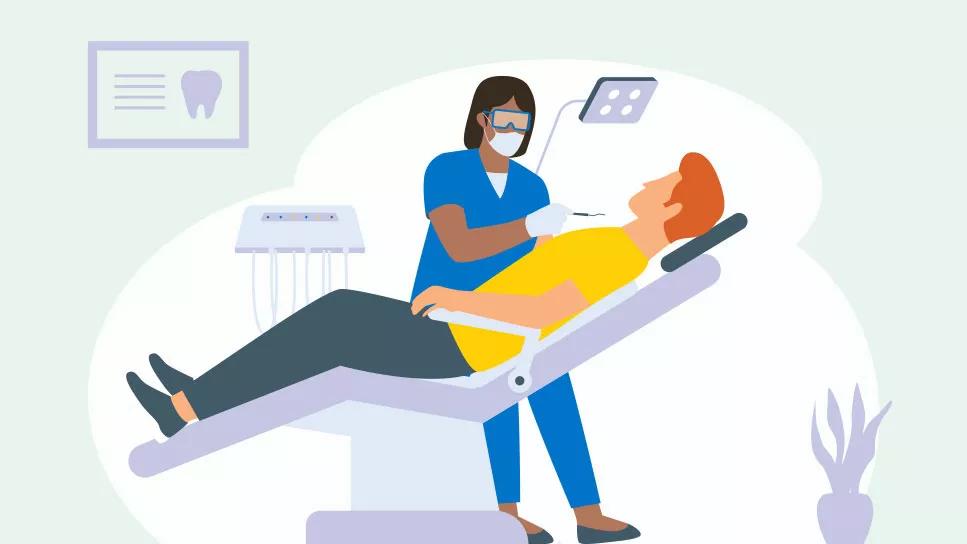
If there is one place where the redhead-anesthesia discussion gets loud, it is the dental chair. Many natural redheads report needing extra numbing medication for fillings, root canals, extractions, or gum procedures. Dental anxiety may also be higher among people who have had past experiences where local anesthetic did not fully work.
This creates a frustrating cycle. A patient remembers pain from a previous visit, becomes anxious before the next visit, and anxiety increases sensitivity to discomfort. Then the appointment feels worse, and the brain files another angry complaint. Lovely system, right?
The practical solution is simple: tell the dentist early. A patient can say, “Local anesthetic has worn off quickly for me before,” or “I usually need extra numbing.” Dentists can adjust technique, wait longer for the medication to take effect, use a different anesthetic, add another injection, or consider sedation options when appropriate.
Should Redheads Tell Their Anesthesiologist?
Yes. Natural redheads should mention their hair color if it is not obvious, especially if they dye their hair or have gone gray. More importantly, they should share any personal history of anesthesia or pain-control problems. Useful details include:
- Feeling pain during dental work after receiving numbing injections
- Waking up during a procedure or feeling unusually aware
- Needing extra medication during past surgeries
- Having severe nausea or side effects after anesthesia
- Strong reactions to opioid pain medicine
- Family history of anesthesia complications
Anesthesiologists do not rely on hair color alone. They monitor breathing, heart rate, blood pressure, oxygen levels, temperature, movement, and sometimes brain activity. Modern anesthesia is highly individualized. Think of the anesthesiologist as a pilot, pharmacist, physiologist, and professional nap manager all at once.
Does This Apply to All Redheads?
No. Natural red hair is strongly associated with MC1R variants, but not every redhead has the same genetic pattern. Some people carry one variant, some carry multiple variants, and some people with MC1R variants do not have bright red hair. Hair color also changes with age, dye, sun exposure, and genetics from both parents.
That means “redhead” is a useful clue, not a diagnostic test. Two redheads may respond differently to the same anesthetic. A strawberry-blond person may have relevant MC1R variants. A person with auburn hair may or may not. A person who had red hair as a child but now has brown hair or gray hair may still carry the same genetic traits.
What Patients Should Do Before Surgery
Patients do not need to panic, demand a giant anesthesia upgrade, or arrive at pre-op carrying a framed photo of their childhood hair. But they should communicate clearly. Before surgery or a medical procedure, red-haired patients can take a few smart steps.
Share Your Anesthesia History
Tell the anesthesia team if you have needed extra numbing medicine, had awareness during a procedure, experienced unusual pain, or had strong side effects. Personal history is often more useful than hair color alone.
Mention Natural Red Hair
If your hair is dyed, gray, shaved, or hidden under a surgical cap, mention that you are a natural redhead. This gives clinicians one more piece of information when planning medication.
Do Not Adjust Medications Yourself
Never take extra sedatives, pain pills, alcohol, cannabis, or supplements before a procedure unless your doctor specifically instructs you to. These substances can interact with anesthesia in dangerous ways.
Ask About the Pain Plan
Before surgery, ask how pain will be controlled afterward. A good pain plan may include acetaminophen, anti-inflammatory medication, nerve blocks, local anesthetics, ice, physical positioning, and carefully selected prescription pain medicine when needed.
What Doctors and Dentists Can Do
For clinicians, the takeaway is not “all redheads need more drugs.” The better takeaway is “ask better questions and watch closely.” Red hair can signal possible differences in anesthetic response, but dosing should remain evidence-based and individualized.
In dental care, clinicians may want to confirm numbness before starting, allow enough onset time, and be prepared to supplement local anesthesia. In surgery, anesthesia professionals already titrate medications based on the patient’s response. A red-haired patient with a history of anesthetic resistance may deserve extra attention during planning.
Common Myths About Redheads and Anesthesia
Myth 1: Redheads Cannot Be Properly Anesthetized
False. Redheads can absolutely be safely and effectively anesthetized. They may simply need individualized dosing, just like every other patient.
Myth 2: Every Redhead Needs Exactly 20% More
False. The 20% figure comes from specific research involving certain anesthetic conditions. It is not a universal calculator.
Myth 3: Redheads Always Feel More Pain
False. Redheads may be more sensitive to some types of pain and less sensitive to others. Pain response is complex.
Myth 4: Hair Dye Changes Anesthesia Needs
False. The relevant factor is genetics, not the current shade from a box labeled “Volcanic Copper Sunrise.”
Real-Life Experiences: What Redheads Often Report
Many redheads describe a lifetime of being told they are “hard to numb.” Some remember dental appointments where one injection was not enough, then two still felt questionable, and by the third injection their lips were numb enough to accidentally chew a napkin. These stories are not formal scientific proof, but they matter because repeated patient experiences can point clinicians toward patterns worth studying.
A common experience involves dental procedures. A red-haired patient may receive local anesthetic, wait several minutes, and still feel sharpness when the dentist begins. The patient raises a hand, the dentist adds more anesthetic, and only then does the area become fully numb. In some cases, the numbing works but wears off faster than expected. This can make routine care feel unpredictable and can lead people to avoid dental visits. Unfortunately, teeth do not respect avoidance strategies. They simply schedule drama for later.
Another experience involves minor skin procedures, such as mole removal, stitches, or dermatology treatments. Some redheads report feeling pressure as expected but also feeling stinging or burning when they were supposed to feel nothing sharp. In these cases, the issue may not be general pain tolerance but local anesthetic effectiveness. The practical lesson is to speak up early. A good clinician would rather pause and add more numbing medication than have a patient silently gripping the chair like they are landing a plane in a thunderstorm.
Surgical experiences vary widely. Some redheads report no unusual anesthesia issues at all. They go to sleep, wake up, and their biggest complaint is that hospital socks have the fashion energy of a damp envelope. Others report needing more medication, waking up unusually quickly, or having difficult pain control after surgery. These differences show why personal history is so important. A patient’s previous response to anesthesia is often more helpful than a broad category like hair color.
There is also an emotional side. When patients repeatedly hear “You should be numb by now,” they may begin to doubt themselves. That is not helpful. Pain is not a character flaw. If someone feels pain, they feel pain. The better response is not skepticism; it is reassessment. Is the anesthetic in the right location? Has enough time passed? Is inflammation making numbing more difficult? Is a different medication needed? Is anxiety amplifying the sensation? These are practical questions, not accusations.
For redheads, the best experience often comes from being direct but calm. Instead of saying, “Anesthesia never works on me,” a more useful phrase is, “I have needed extra local anesthetic in the past, especially at the dentist.” That gives the clinician specific information without sounding like a challenge. For surgery, patients can say, “I’m a natural redhead and I’ve heard this can affect anesthesia. I also had trouble staying comfortable during a previous procedure.” That opens the door to a serious conversation.
Families may notice patterns too. A red-haired parent might say their child needed extra numbing for dental work, or siblings with similar coloring might report similar anesthesia stories. While family anecdotes are not the same as genetic testing, they can still be useful. Anesthesia teams routinely ask about family history because inherited traits can affect medication responses, allergies, and rare anesthesia complications.
The reassuring news is that awareness of this topic has improved. More dentists, surgeons, and anesthesia professionals know that red hair and MC1R variants may be linked with altered pain and anesthetic responses. Patients do not need to fight to be believed. They simply need to communicate clearly, answer questions honestly, and speak up if something does not feel right. Medicine works best when the patient and clinician are on the same teamand when nobody tries to be a hero in silence.
Conclusion: Red Hair Is a Clue, Not a Crisis
So, why do redheads need more anesthesia? The most likely explanation involves MC1R gene variants that affect pigmentation and may also influence pain pathways and anesthetic response. Research suggests some natural redheads may need more inhaled general anesthesia and may respond differently to local anesthetics and pain medications. However, the science is still evolving, and the effect is not identical for every red-haired person.
The smartest approach is personalized care. If you are a natural redhead, tell your dentist, surgeon, or anesthesiologist about your hair color and any past problems with numbing, sedation, pain control, or anesthesia side effects. If you are a clinician, listen carefully and adjust based on patient response. Redheads do not need fear. They need good communication, thoughtful dosing, and maybe a little respect for the genetic drama that comes with that glorious copper crown.
Note: This article is for educational purposes only and should not replace professional medical advice. Patients should discuss anesthesia concerns, medication history, allergies, and previous procedure experiences directly with a licensed healthcare professional.

