
Hair Care
Shrinky Dink Substitutes
Jun
There are few craft moments as weirdly satisfying as watching a floppy drawing curl into a tiny plastic taco, panic for a few seconds, then relax into a hard little charm. That is the magic of Shrinky Dinks: draw, cut, bake, shrink, feel like a kitchen wizard. But what happens when you do not have the official sheets? Maybe the craft store is closed, your kid needs a science-fair project by tomorrow morning, or your budget is currently giving “please recycle something.” Good news: there are several Shrinky Dink substitutes that can work beautifully, as long as you know which materials actually shrink, which ones merely pretend, and which ones should stay far away from your oven.
The best Shrinky Dink substitute is clean, flat #6 polystyrene plastic, often marked with the recycling symbol “6” or “PS.” Generic shrink plastic sheets, printable shrink film, frosted shrink film, and certain craft-store shrink papers can also replace name-brand Shrinky Dinks. Other materialslike laminated cardstock, polymer clay, resin, acrylic blanks, or air-dry claycan create similar charms and keychains, but they do not shrink in the same magical way.
This guide breaks down the safest, most practical, and most creative alternatives so you can make charms, earrings, ornaments, tags, magnets, bookmarks, zipper pulls, and tiny masterpieces without needing the official kit. Tiny art, big joy. Possibly one very confused baking sheet.
What Are Shrinky Dinks Made Of?
Traditional Shrinky Dinks are made from thin sheets of polystyrene plastic. When the plastic is manufactured, it is stretched into a thin sheet. When you heat it, the plastic softens and tries to return to its original, unstretched form. That is why the design shrinks, thickens, and becomes rigid.
Most shrink plastic projects reduce to roughly one-third of their original size, although the exact shrink rate depends on the brand, plastic thickness, temperature, and oven behavior. The color also becomes more concentrated after baking. A pale pink doodle may emerge looking like it had three espressos and discovered eyeliner.
For a true Shrinky Dink substitute, you need a plastic that behaves similarly under heat. That is why #6 polystyrene is the star of the DIY shrink plastic world.
The Best Shrinky Dink Substitutes
1. #6 Plastic Containers
The most popular homemade Shrinky Dink substitute is clear #6 plastic, also known as polystyrene or PS. You may find it in some bakery lids, salad containers, takeout clamshells, deli packaging, or disposable food containers. The key is the recycling symbol: look for a triangle with the number 6 inside, sometimes with the letters “PS.”
This plastic can shrink in the oven much like store-bought shrink film. It works best when you use flat, smooth sections instead of ridged corners or raised logos. Wash the plastic thoroughly, dry it completely, and cut away any warped, printed, greasy, or scratched areas before crafting.
Best uses include:
- Keychains
- Bag charms
- Gift tags
- Mini ornaments
- Fridge magnets
- Simple earrings or pins
The downside is inconsistency. Recycled #6 plastic may shrink unevenly because food containers are not designed for art projects. Some pieces curl dramatically, some shrink more in one direction, and some come out charmingly imperfect. Translation: your cat drawing may become a potato with ears. Still adorable, but perhaps less anatomically ambitious.
2. Generic Shrink Plastic Sheets
If you want reliable results without paying specifically for the Shrinky Dinks brand, generic shrink plastic sheets are the easiest substitute. These are sold under names like shrink film, shrink art plastic, shrink paper, printable shrink sheets, or craft shrink plastic.
Generic shrink plastic usually comes in clear, white, black, frosted, matte, or inkjet-printable versions. The main advantage is consistency. Unlike recycled packaging, craft shrink film is designed to shrink evenly and accept color. It is also easier to cut, punch, sand, and seal.
Clear sheets are great for stained-glass effects, line art, and translucent charms. White sheets make colors pop and are excellent for pins or magnets. Frosted sheets are ideal for colored pencils because the rough surface grips pigment better than slick plastic.
3. Inkjet Printable Shrink Film
Printable shrink film is a fantastic Shrinky Dink substitute for crafters who want cleaner designs, logos, photos, planner charms, product tags, or custom party favors. Instead of drawing directly on the plastic, you print your design onto a special inkjet-compatible sheet, cut it out, and bake it.
The most important rule is to use the correct film for your printer. Inkjet shrink film is not the same as laser-printer film. Laser printers use heat, and heat plus shrink plastic equals a printer disaster that nobody wants to explain to customer support.
Because colors intensify as the film shrinks, it is smart to print designs lighter than normal. Many crafters reduce opacity before printing so the finished charm does not look overly dark. A test piece is your best friend here. It is cheaper than learning the hard way with twenty tiny portraits of your dog that now look like mysterious Victorian ghosts.
4. Frosted Shrink Film
Frosted shrink film is another excellent alternative because one side has a slightly rough texture. That texture is perfect for colored pencils, pastels, and some markers. If you love a soft hand-drawn look, frosted film often gives better results than shiny clear plastic.
You can also lightly sand clear shrink film or #6 plastic to create a similar toothy surface. Use fine sandpaper and make gentle crosshatch marks. Do not gouge the plastic. The goal is “paper-like grip,” not “tiny crime scene.”
5. Commercial Shrink Art Brands
Shrinky Dinks may be the famous name, but it is not the only shrink plastic option. Many craft suppliers sell shrink art film in different finishes and sheet sizes. These alternatives often behave the same way: decorate, cut, punch holes if needed, bake, flatten, cool, and seal.
Commercial substitutes are best when you need repeatable results for craft fairs, classroom projects, jewelry, or gifts. They may cost more than recycled plastic, but they save time and reduce the “why did this become a plastic pretzel?” problem.
Can You Use Plastic Packaging as Shrinky Dinks?
Yes, but only certain plastic packaging works well. The most reliable recycled option is #6 polystyrene. Look for the number 6 in the recycling triangle. Clear, rigid, flat packaging is usually better than foam packaging or flexible plastic.
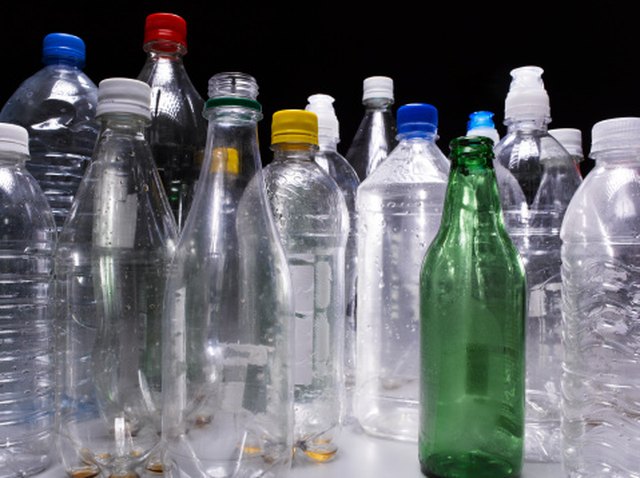
Avoid using random plastics just because they are clear. Plastic types are not interchangeable. Some may melt, smoke, warp, release unpleasant odors, or fail to shrink properly. Do not use PVC, unknown plastics, plastic wrap, grocery bags, soft drink bottles, milk jugs, or containers without a clear material code.
Some crafters experiment with #1 PET plastic, but results are less predictable. It may curl, cloud, warp, or refuse to flatten. For safety and quality, #6 PS remains the better DIY shrink plastic substitute.
Safety Tips Before Using Shrinky Dink Alternatives
Crafting should be fun, not an accidental chemistry exam with fumes. Whenever heating plastic, use common-sense safety precautions.
- Use only plastic clearly marked #6 PS if you are recycling packaging.
- Work in a well-ventilated area.
- Use adult supervision for children.
- Never microwave shrink plastic.
- Use parchment paper, a paper bag, or cardboard on the baking tray.
- Do not bake on bare metal if the product instructions advise against it.
- Do not use dirty, greasy, painted, or unknown plastic.
- Keep plastic pieces away from direct contact with food surfaces after crafting.
- Let pieces cool before touching them.
- Consider using a dedicated toaster oven for frequent craft projects.
Also, remember that recycled food packaging was made for packaging, not crafting. Occasional supervised craft use is different from turning your oven into a full-time plastic laboratory. If you are making shrink art regularly, commercial shrink film is the cleaner and more consistent choice.
How to Make DIY Shrinky Dinks from #6 Plastic
Step 1: Find the Right Plastic
Check the container for the recycling symbol. You want #6 or PS. Cut out the flat sections from lids or container sides. Avoid curves, ridges, labels, and areas that touched oily food.
Step 2: Wash and Dry
Clean the plastic with dish soap and warm water. Dry it completely. Grease can interfere with ink and may create unpleasant smells during baking.
Step 3: Draw Your Design
Use permanent markers, paint markers, alcohol markers, acrylic paint, or colored pencils on sanded/frosted surfaces. If the plastic is too slick for pencils, lightly sand one side first. Keep your design fairly large because it will shrink significantly.
Step 4: Cut and Punch
Cut out your design before baking. Round sharp corners because points can become extra sharp after shrinking. If you are making charms, earrings, necklaces, ornaments, or keychains, punch the hole before baking. After shrinking, the plastic will be too thick for a regular hole punch.
Step 5: Bake and Watch
Most shrink plastic projects bake somewhere around 325°F to 350°F. Place the pieces colored-side up on parchment paper or a lined baking tray. The plastic will curl, twist, and look like it is making several poor life choices. Do not panic. In many cases, it will flatten again after shrinking.
Once the piece has flattened and stopped moving, let it bake briefly longer, then remove it carefully. If it needs help flattening, press it while warm with a flat object such as a glass bottom, spatula, or book protected with parchment paper.
Step 6: Seal the Finished Piece
Sealing helps protect the artwork, especially if you used markers, pencils, or printed designs. Use a clear acrylic sealer, water-based varnish, UV resin, or clear nail polish for small decorative items. Test first, because some sealers can smear ink.
Materials That Look Like Shrinky Dink Substitutes but Do Not Shrink
Polymer Clay
Polymer clay is excellent for charms, earrings, miniatures, and ornaments. It bakes hard, holds detail, and comes in many colors. However, it does not shrink like Shrinky Dinks. Use it when you want a handmade charm with dimension instead of a flat plastic piece.
Air-Dry Clay
Air-dry clay is affordable and kid-friendly for tags, ornaments, beads, and magnets. It dries without an oven, which is helpful for classrooms or younger crafters. It is more fragile than shrink plastic and usually needs sealing.
Resin
Resin can create glossy charms, jewelry, and keychains with a professional finish. It is not a shrink plastic substitute in behavior, but it can replace the finished look. Resin requires careful ventilation, gloves, accurate mixing, and curing time, so it is better for older teens and adults.
Laminated Cardstock
Laminated cardstock works for pretend charms, classroom name tags, bookmarks, ornaments, and temporary keychains. It is cheap, printable, colorful, and easy. It will not shrink or thicken, but it is a great no-oven alternative.
Acrylic Blanks
Acrylic blanks are ready-made keychain and ornament shapes. You decorate them with vinyl, paint pens, stickers, or UV resin. They are durable and neat, but they skip the shrinking stage entirely. Great for people who love the final charm and do not need the oven drama.
Best Tools for Shrinky Dink Substitutes
The right tools make shrink plastic projects smoother and less chaotic. You do not need a professional craft studio, although if you already have one, please invite us over.
- Permanent markers: Good for bold outlines and bright color.
- Colored pencils: Best on frosted or sanded plastic.
- Acrylic paint pens: Great for opaque details.
- Fine scissors: Helpful for clean edges.
- Hole punch: Essential for charms before baking.
- Parchment paper: Prevents sticking and protects trays.
- Tweezers: Useful for handling small warm pieces.
- Clear sealer: Protects finished artwork.
- Jump rings and key rings: Turn art into accessories.
- Mini magnets: Perfect for fridge art.
Common Problems and Easy Fixes
The Plastic Curled and Stayed Curled
This usually means it needed more time, more even heat, or a flatter starting piece. Try baking a little longer, using a preheated oven, and choosing flatter plastic. You can also press the piece flat immediately after removing it from the oven.
The Colors Turned Too Dark
Colors intensify as the plastic shrinks. Use lighter colors than you think you need, especially with printable film or alcohol markers.
The Design Smudged
Let ink dry fully before cutting and baking. If sealing, test your sealer on a scrap piece. Spray sealers often work better than brush-on products for marker designs.
The Piece Shrunk Unevenly
Recycled plastic may shrink more in one direction. This happens because the original packaging was stretched during manufacturing. For precise projects, use commercial shrink film instead of recycled containers.
The Edges Are Sharp
Round corners before baking. After shrinking, you can gently sand sharp edges with fine sandpaper.
Creative Project Ideas Using Shrinky Dink Substitutes
Once you know what materials work, the project list gets wonderfully ridiculous. Make custom pet ID-style charms, tiny food earrings, plant markers, backpack tags, holiday ornaments, wine glass markers, teacher gifts, charm bracelets, zipper pulls, dollhouse signs, mini bookmarks, board game tokens, luggage tags, or magnets shaped like your family members’ favorite snacks.
For kids, simple shapes work best: hearts, stars, dinosaurs, flowers, rainbows, initials, cartoon animals, and hand-drawn monsters. For adults, try botanical line art, minimalist initials, tiny portraits, retro motel key tags, faux stained glass, bookish charms, or miniature versions of your own artwork.
If you are making jewelry, keep the finished size and weight in mind. A huge pre-baked design may still become a dramatic earring. Dramatic is fun. Earlobe weightlifting is less fun.
Which Shrinky Dink Substitute Is Best?
The best substitute depends on your goal. For the closest free alternative, use clean #6 plastic. For the most reliable results, buy generic shrink film. For printable designs, use inkjet shrink sheets. For a no-oven project, use laminated cardstock or acrylic blanks. For a more sculptural charm, use polymer clay.
Here is the simple breakdown:
- Best free option: Clean #6 polystyrene food packaging
- Best overall substitute: Generic craft shrink plastic
- Best for detailed artwork: Printable shrink film
- Best for colored pencils: Frosted shrink film
- Best no-shrink alternative: Acrylic blanks or laminated cardstock
- Best jewelry alternative: Commercial shrink film or polymer clay
Experience Notes: What I Learned Testing Shrinky Dink Substitutes
The first lesson of working with Shrinky Dink substitutes is that recycled plastic has a personality. Store-bought shrink film behaves like a well-trained craft assistant. Recycled #6 plastic behaves more like a raccoon wearing reading glasses: clever, chaotic, and occasionally brilliant.
When using #6 plastic from food containers, the flat center of a lid usually gives the best result. Curved sides often shrink unevenly because they already have tension from the container shape. If the plastic has ridges, stamped numbers, logos, or a cloudy texture, those marks may become more obvious after shrinking. That can be cool for experimental art, but not ideal if you are trying to make a clean wedding favor or a tiny portrait of someone’s very serious cat.
Permanent markers are the easiest coloring tool for beginners. They glide over slick plastic and stay bright after shrinking. However, they can become very intense. A medium blue may bake into navy. A sweet blush pink may turn into “I have joined a rock band.” Colored pencils give a softer handmade look, but only if the surface has tooth. On clear plastic, pencils often skid around like they are late for a meeting. Light sanding fixes that problem.
One practical trick is to make every design bigger than feels reasonable. Beginners often draw too small, then end up with a charm the size of a cornflake. Because the plastic shrinks so much, bold lines and simple shapes usually look better than tiny details. If you want text, use thick lettering and check that it will still be readable when reduced.
Another useful habit is baking one test piece before committing to a full batch. Cut a one-inch square, mark arrows for direction, color a few swatches, and bake it. This shows how much that specific plastic shrinks, whether it warps, and how the colors change. It sounds fussy, but it saves you from ruining ten matching charms and then pretending they were “abstract” all along.
Ventilation matters, especially with recycled plastic. Even when there is no obvious smell, heating plastic should be treated with respect. Open a window, run a fan, and avoid hovering over the oven like you are watching the season finale of a baking show. For frequent projects, a small dedicated toaster oven is convenient because it keeps craft materials separate from everyday cooking.
For the neatest finish, seal the finished pieces after cooling. A clear spray sealer is especially helpful for colored pencil and marker designs. If using resin as a topcoat, apply a thin layer and let it cure fully. Resin gives charms a glossy, boutique-style finish, but it also adds time, cost, and safety steps.
The biggest takeaway is that Shrinky Dink substitutes are not just backup materials. They can become their own creative category. Recycled #6 plastic is wonderful for eco-minded experiments and casual crafts. Generic shrink film is better for gifts and sellable products. Printable shrink sheets are excellent for polished designs. And non-shrinking alternatives like acrylic blanks or polymer clay are perfect when you want the charm look without the curling-plastic circus.
Conclusion
Shrinky Dink substitutes open the door to budget-friendly, eco-conscious, and highly customizable crafting. If you want the real shrinking effect, choose #6 polystyrene plastic or commercial shrink film. If you simply want the finished charm style, polymer clay, acrylic blanks, resin, and laminated cardstock can all step in beautifully.
The secret is matching the material to the project. Recycled #6 plastic is fun and affordable, but unpredictable. Generic shrink plastic is reliable and beginner-friendly. Printable shrink film is best for detailed designs. Frosted sheets are ideal for colored pencils. And no-oven alternatives are perfect for classrooms, quick gifts, or anyone who prefers not to watch plastic curl itself into a temporary panic spiral.
Publisher’s note: This article is based on real craft-material behavior, manufacturer-style shrink film guidance, polymer education resources, recycled-plastic craft testing, and practical safety recommendations. Always follow the instructions on the specific shrink film or plastic product you use, and supervise children during cutting and baking.

