
Body Care
How to Write Science Fiction
Jun
Writing science fiction is a little like building a spaceship in your garage: exciting, ambitious, occasionally alarming, and much easier if you know which end is supposed to point toward the stars. At its best, science fiction is not just “robots plus lasers plus someone named Commander Vex.” It is a genre of big questions. What happens when technology changes faster than ethics? What would people do if they could live forever? What if an alien civilization arrived and found our comment sections first?
If you want to learn how to write science fiction, start with this simple truth: the science matters, but the fiction matters more. Readers may come for faster-than-light travel, artificial intelligence, time loops, alien planets, dystopian cities, or post-apocalyptic survival. They stay because they care about the characters, the conflict, and the emotional consequences of your imagined world.
This guide will walk you through science fiction writing from idea to revision, with practical examples, story-building strategies, and a few friendly warnings about info-dumping, which is what happens when your novel briefly turns into a refrigerator manual wearing a cape.
What Is Science Fiction?
Science fiction, often called sci-fi, is speculative fiction built around imagined scientific, technological, social, or environmental possibilities. It asks “what if?” and then follows that question until something fascinating, dangerous, beautiful, or deeply weird happens.
A science fiction story might be set in the far future, the near future, outer space, an alternate timeline, a virtual reality, a laboratory, a collapsing civilization, or a version of Earth where one invention has changed everything. The key is speculation. Science fiction does not merely decorate a normal story with gadgets. It explores how a change in science, technology, society, or human understanding affects real lives.
Common Types of Science Fiction
Before writing, it helps to know what kind of sci-fi story you are building. Hard science fiction emphasizes scientific accuracy and technical plausibility. Soft science fiction focuses more on psychology, sociology, culture, politics, or ethics. Space opera favors grand adventure, interstellar conflict, and big emotions in even bigger ships. Cyberpunk explores high-tech worlds with low-life realities, often involving corporations, hackers, surveillance, and identity. Dystopian fiction examines broken societies and the systems that keep them broken.
You do not have to trap your story in one box. Many great science fiction novels blend subgenres. A story can be both a space adventure and a political thriller. It can include artificial intelligence, climate collapse, romance, mystery, and a sarcastic maintenance robot who deserves a raise.
Start With a Big “What If?”
Most strong science fiction begins with a question. Not a vague question like “What if space?” but a focused idea that creates pressure. For example: What if memories could be edited like photos? What if humans discovered a planet where aging stopped? What if a city’s justice system was run by predictive software that was almost always right?
Your central idea is the engine. It does not need to be complicated, but it should create consequences. A good science fiction premise changes something important about the world, then forces characters to respond.
Turn the Idea Into Conflict
An idea alone is not a story. “A planet where gravity changes every day” is a cool concept. A story begins when a character must cross that planet before sunrise to deliver medicine, rescue a sibling, expose a conspiracy, or escape a government that controls gravity forecasts. The moment someone wants something and something else stands in the way, your shiny concept starts earning its oxygen.
Ask three questions: Who is most affected by this science fiction idea? What do they want? What happens if they fail? The answers will help you move from concept to plot.
Create Characters Readers Care About
Science fiction can feature alien queens, clone soldiers, cyborg poets, and astronauts with trust issues, but readers still need emotional access. Your protagonist should not exist only to explain the technology. They need desire, fear, contradiction, and a reason to act.
For example, imagine a scientist who invents a machine that predicts natural disasters. That is interesting. Now make the scientist someone who ignored an earlier warning and lost a loved one. Suddenly the machine is not just technology; it is guilt, obsession, and hope wrapped in blinking lights.
Give Every Main Character a Human Problem
Even in a story about alien civilizations, the emotional problems should feel recognizable. A captain may fear failure. A robot may want autonomy. A terraforming engineer may have to choose between loyalty to a corporation and loyalty to a dying ecosystem. Science fiction becomes powerful when huge speculative ideas collide with intimate human needs.
A useful trick is to describe your character’s problem without mentioning the sci-fi element. “She wants to prove she is more than her family name.” “He is afraid love will make him weak.” “They want to escape a system designed to use them.” If the emotional core works without the gadgets, the gadgets will strengthen the story instead of carrying it on a very expensive hoverboard.
Build a Believable Science Fiction World
Worldbuilding is the process of designing the setting, rules, culture, history, technology, politics, economy, environment, and daily life of your story world. In science fiction writing, worldbuilding is essential, but it should serve the story rather than swallow it whole.
You do not need to know the tax policy of every moon colony unless your plot involves moon taxes, in which case I am both impressed and concerned. Focus first on what your characters experience directly.
Worldbuilding Questions to Ask
Start with the basics. What has changed from our world? Who benefits from that change? Who suffers? What does power look like? How do ordinary people eat, work, travel, communicate, learn, fight, love, and complain about customer service?
If your story involves advanced technology, consider access. Is the technology available to everyone, or only the rich? Is it regulated, hacked, worshipped, feared, or treated like a boring household appliance? The social impact of technology often creates better drama than the technology itself.
Keep the Rules Consistent
Readers will accept almost any speculative rule if you establish it clearly and apply it consistently. If faster-than-light travel requires rare crystals in chapter two, it should not suddenly run on positive thinking in chapter twenty-seven unless your novel is secretly about a cult, in which case, carry on carefully.
Consistency builds trust. Create a story bible or notes document for names, timelines, technologies, political systems, invented terms, and rules. This prevents your Mars colony from having two mayors, three suns, and a cafeteria that changes location whenever the plot gets hungry.
Research the Science Without Becoming a Textbook
Research gives science fiction texture and credibility. You might study astronomy, genetics, robotics, climate science, neuroscience, artificial intelligence, space travel, oceanography, or sociology depending on your story. But research should support the fiction, not replace it.
The best science fiction often uses enough real science to feel grounded while leaving room for imagination. You do not need to explain every equation behind your wormhole. In fact, unless your target reader is actively wearing a lab coat, too much explanation may slow the story.
Use the Iceberg Method
Know more than you show. If you research ten pages of material, perhaps one sharp detail belongs in the scene. A character noticing the metallic taste of recycled air may do more worldbuilding than a five-page lecture on atmospheric processors.
When deciding whether to include a technical detail, ask: Does this affect the plot? Does it reveal character? Does it increase tension? Does it make the world easier to imagine? If not, save it for your notes, your sequel, or a dinner conversation with someone who has been warned in advance.
Avoid the Dreaded Info-Dump
Info-dumping happens when a writer pauses the story to explain background information in a large, undigested block. Science fiction is especially vulnerable because invented worlds require explanation. The solution is not to hide everything from readers. The solution is to reveal information when it matters.
Instead of opening with the complete history of the Galactic Treaty of 2419, start with a character breaking that treaty and running for their life. The reader will want to know the rules because the rules now have consequences.
Teach Through Action
Let readers learn by watching characters use the world. Show a worker bribing a transit scanner. Show a child practicing low-gravity etiquette. Show a soldier hesitating before firing a weapon that erases memories. These moments explain the setting while keeping the scene alive.
Dialogue can also reveal information, but be careful. Characters should not tell each other things they already know simply because the reader is eavesdropping. “As you know, Captain, Earth was destroyed in 2198” is the literary equivalent of wearing a name tag that says “Hello, I Am Exposition.”
Plot Around Consequences
Science fiction plots become stronger when every invention, discovery, or social change creates consequences. If humans can upload consciousness, what happens to inheritance law, marriage, crime, religion, identity, and customer support passwords? If teleportation exists, what happens to borders, disease control, tourism, warfare, and the airline industry’s emotional journey?
Think in systems. A single change should ripple through the world. Those ripples create conflict, and conflict creates story.
Build Escalation
A strong sci-fi plot often escalates from personal stakes to wider stakes. At first, the protagonist may simply want to fix a broken machine, escape a lab, or hide an illegal android. As the story unfolds, the problem expands. The machine controls a city. The lab is part of a planetary experiment. The android carries evidence that could start a revolution.
Escalation keeps readers turning pages because the meaning of events keeps growing. The trick is to make each revelation feel earned, not dropped from orbit by the Plot Satellite 9000.
Make the Setting Work Hard
In science fiction, setting is not wallpaper. It shapes behavior, conflict, mood, and theme. A mining colony under Europa’s ice creates different pressures than a luxury space station orbiting Venus. A climate-ravaged coastal city produces different choices than a perfectly managed corporate habitat where every citizen is monitored “for happiness optimization,” which is definitely not suspicious at all.
Use sensory details to make the setting vivid. What does the air smell like? What sounds are normal? What does the sky look like? What food do people eat? What small inconvenience annoys everyone? A believable future needs more than starships. It needs laundry, slang, broken elevators, bad coffee, and people arguing about parking.
Use Theme Without Preaching
Science fiction is excellent for exploring themes: freedom, identity, progress, inequality, survival, memory, power, loneliness, environmental responsibility, and what it means to be human. But readers usually prefer discovery over lectures.
Instead of announcing your theme, dramatize it. If your story is about surveillance, show characters changing how they speak because they know they are watched. If your story is about artificial intelligence and personhood, show an AI making a costly moral choice. Let the reader feel the question before you ask it directly.
Let Opposing Views Breathe
A story becomes richer when different characters have understandable positions. The scientist who wants to release a dangerous technology may genuinely believe it will save lives. The activist opposing it may have seen who gets harmed first when powerful tools are deployed carelessly. Nuance makes conflict smarter.
Write a Strong Opening
Your opening should establish tone, genre, character, and tension quickly. You do not need an explosion on page one, although explosions remain available for writers who enjoy paperwork. What you need is a reason for the reader to continue.
Open with a character in motion, a problem already forming, or a striking image that reveals the world. A woman wakes up with someone else’s memories. A courier discovers the package is breathing. A farmer on Mars sees rain for the first time, and everyone panics.
The opening should make a promise. It tells readers what kind of story they are entering: adventurous, philosophical, terrifying, funny, romantic, political, mysterious, or some glorious combination of all six wearing a jetpack.
Revise for Clarity, Pace, and Wonder
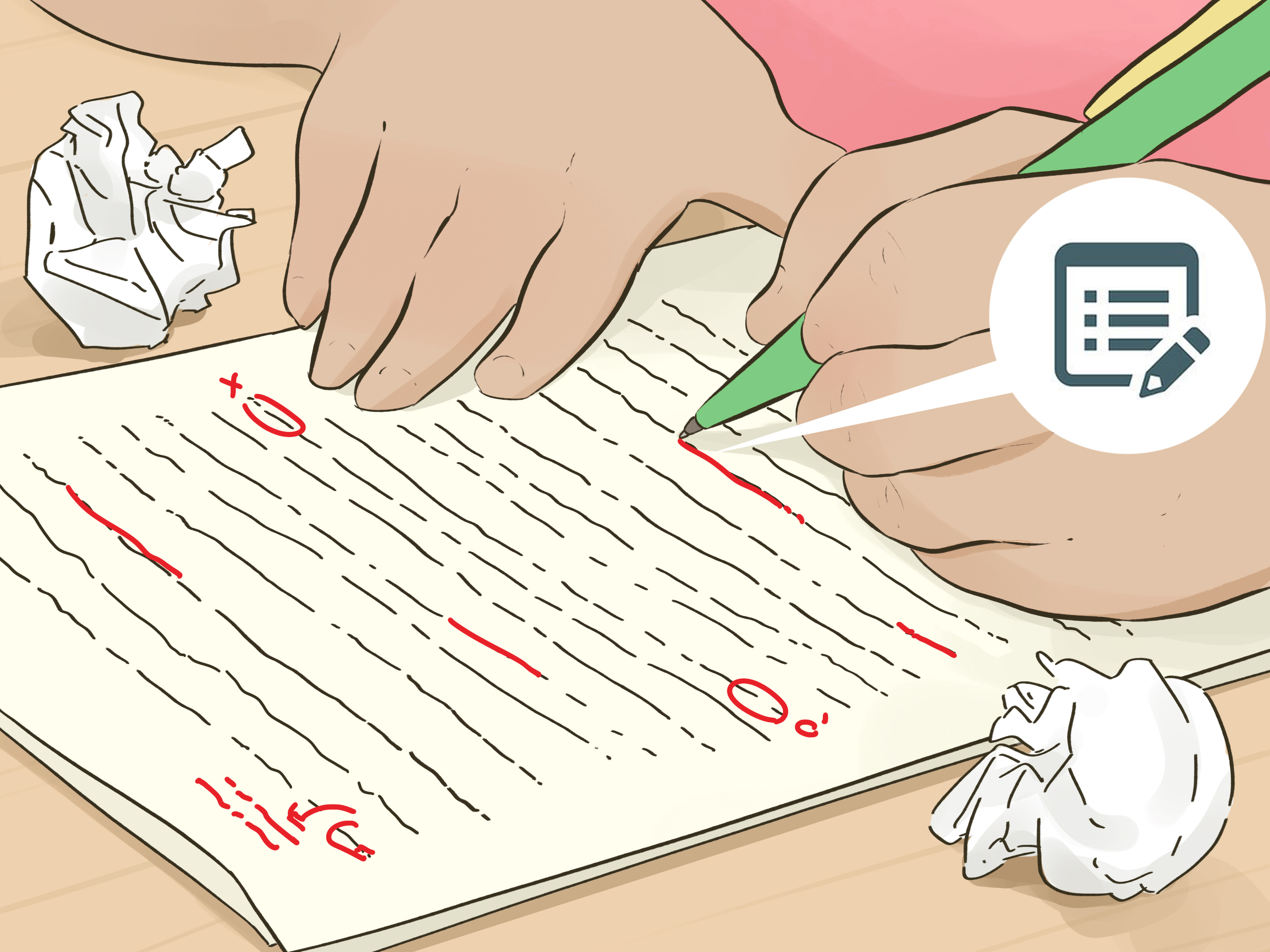
The first draft is where you discover the planet. Revision is where you make it habitable. After drafting, read for story structure, character motivation, pacing, worldbuilding clarity, and emotional payoff.
Look for scenes that explain too much, scenes that explain too little, and scenes where characters make decisions only because the plot has a clipboard and a deadline. Strengthen cause and effect. Make sure each major event changes something.
Create a Revision Checklist
Ask yourself: Is the central “what if” clear? Does the protagonist have a strong goal? Are the world’s rules consistent? Does the science fiction element affect the plot in meaningful ways? Are technical details understandable? Does every major character want something? Does the ending resolve both the external conflict and the emotional arc?
Also check your invented terms. A few can create flavor. Too many can make readers feel like they accidentally enrolled in Advanced Space Nouns. Use invented language carefully and define terms through context whenever possible.
Practical Example: Turning an Idea Into a Story
Let’s say your idea is: “People can rent dreams.” Interesting, but not yet a plot. Now ask who is affected. Perhaps your protagonist is a dream technician who edits luxury dreams for wealthy clients. What do they want? They want enough money to buy medical treatment for their brother. What goes wrong? They discover that some rented dreams contain stolen memories from real people.
Now the science fiction concept creates moral conflict. The protagonist must choose between survival, family loyalty, and exposing a system that exploits vulnerable minds. The worldbuilding can expand naturally: dream black markets, memory regulations, addiction clinics, celebrity dream designers, and protesters who believe dreams are the last private human territory.
Notice that the story is not about explaining the dream machine. It is about what the dream machine does to people.
of Experience-Based Advice for Writing Science Fiction
One of the most useful experiences in writing science fiction is learning that your first idea is usually a doorway, not the whole building. Many writers begin with a dazzling concept: a planet with two civilizations separated by time, a city powered by memories, a spaceship crewed by clones, a school for children who can predict disasters. The temptation is to protect that idea like a museum artifact. But stories grow when you test the idea, bend it, complicate it, and ask annoying questions until it starts sweating.
A practical habit is to keep a “consequence list.” Whenever you invent a technology or social rule, write down ten effects it might have. Some will be obvious. Some will be ridiculous. Keep going anyway. Ridiculous ideas sometimes contain gold wearing a fake mustache. If teleportation exists, yes, commuting changes. But so do crime scenes, dating, immigration, emergency medicine, military strategy, and the meaning of “long-distance relationship.” The deeper you push consequences, the less generic your world becomes.
Another hard-earned lesson: do not wait until you understand everything before drafting. Worldbuilding can become a beautiful swamp. You enter to design one moon calendar and emerge three weeks later with a 14-page document on ceremonial hats. Planning is useful, but drafting teaches you what the story actually needs. Write enough background to begin, then let scenes reveal missing pieces. You can always revise. In fact, you absolutely will, because first drafts are tiny disasters with potential.
Reading widely is also part of the job. Read classic science fiction, modern science fiction, short stories, award winners, indie experiments, novels outside the genre, nonfiction science writing, history, essays, and journalism. Science fiction feeds on curiosity. A single article about fungi, ocean vents, space law, urban planning, or machine learning can spark a better premise than staring dramatically out a window, although dramatic staring has its place.
When writing scenes, anchor the strange in the familiar. Readers can accept alien weather or quantum communication if they also recognize hunger, jealousy, boredom, grief, ambition, embarrassment, and the universal horror of being late. A character cleaning dust from a helmet before a dangerous mission may feel more real than a paragraph about the helmet’s polymers. Specific human behavior makes speculative worlds believable.
Finally, protect the sense of wonder. Science fiction should make readers feel that reality is larger, stranger, and more flexible than they assumed. Wonder does not always mean beauty. It can be terror, awe, grief, humor, or the quiet shock of seeing humanity from a new angle. Whether you write about galaxies or one small room where a machine whispers the future, give readers a reason to look up from the page and think, “Oh. I never imagined it that way before.” That moment is the rocket fuel.
Conclusion: Write the Future by Caring About People
Learning how to write science fiction is not about memorizing every law of physics or inventing the most complicated spaceship restroom system in literary history. It is about asking bold questions and answering them through character, conflict, setting, and consequence.
Start with a powerful “what if.” Build a world with consistent rules. Create characters who want something badly. Research enough to make your ideas feel grounded, but do not bury the reader under technical gravel. Reveal your world through action. Revise until the story is clear, tense, emotionally alive, and full of wonder.
Science fiction lets you redesign reality, but the best stories still come back to people: what they fear, what they love, what they sacrifice, and what they become when the universe changes around them. Build the stars, yes. Then give us someone reaching for them.
Note: This article is an original, publication-ready draft synthesized from established science fiction writing principles, genre craft guidance, and practical storytelling techniques.

