
Hair Care
How to Levitate Like Criss Angel: 14 Steps
Jun
Note: This article explains a safe beginner-friendly levitation illusion for entertainment only. Do not attempt dangerous stunts, rigging, rooftop performances, street-traffic performances, wires, lifts, harnesses, or anything that requires professional supervision. Real stage illusions are designed by trained teams. Your living room carpet is not Las Vegas, and your ankles would like a word.
Introduction: Can You Really Levitate Like Criss Angel?
Criss Angel made levitation look like the universe briefly forgot to enforce gravity. On television and on stage, his Mindfreak persona turned floating, vanishing, walking through barriers, and other impossible-looking moments into dramatic visual theater. But here is the important truth: stage levitation is not supernatural flight. It is illusion, timing, choreography, audience management, psychology, and practice wrapped in a leather jacket and served with dramatic lighting.
If you want to learn how to levitate like Criss Angel, the safest place to begin is not with wires, platforms, harnesses, cranes, rooftops, or “watch this” ideas that end with someone calling your parents. The best beginner route is a classic street magic levitation illusion based on angles, body positioning, misdirection, and a short performance window. It creates the impression that both feet leave the ground, even though the method is simple and low-risk when practiced responsibly.
This guide breaks the effect into 14 practical steps. You will learn how to prepare your space, choose your audience angle, control attention, rise smoothly, land cleanly, and sell the moment without overacting like a haunted elevator. The goal is not to copy Criss Angel’s exact professional methods. The goal is to understand why his style feels powerful and how to create a small, safe, convincing levitation illusion of your own.
What Makes Criss Angel-Style Levitation So Convincing?
The secret ingredient is not just the secret. That may sound like a fortune cookie written by a magician, but it is true. A levitation illusion works because the audience experiences a complete moment: setup, suspense, visual impossibility, reaction, and clean ending. If you only focus on the mechanics, the trick becomes a weird calf exercise. If you focus on performance, the illusion becomes a story.
Criss Angel’s public image helped redefine modern street magic by blending edgy visuals, emotional audience reactions, bold staging, and television-friendly pacing. His performances often feel spontaneous, even when the real strength is careful preparation. That is the lesson beginners should take seriously: great magic feels casual, but it is rarely casual behind the scenes.
Before You Start: Safety and Reality Check
Beginner levitation illusions should happen on flat, dry ground with plenty of space. Avoid stairs, ledges, roads, crowded sidewalks, balconies, rooftops, moving platforms, wet floors, and anything involving height. Do not use hidden supports, homemade rigs, wires, fishing line, hooks, furniture, or unstable props. A convincing two-inch illusion beats a dangerous ten-foot mistake every time.
Wear comfortable shoes with solid soles. Practice near a wall or chair at first, but do not use the wall or chair during the actual performance. The movement should be small, controlled, and brief. If you feel pain, dizziness, or loss of balance, stop immediately. Magic should create gasps, not medical paperwork.
How to Levitate Like Criss Angel: 14 Steps
Step 1: Understand the Illusion You Are Creating
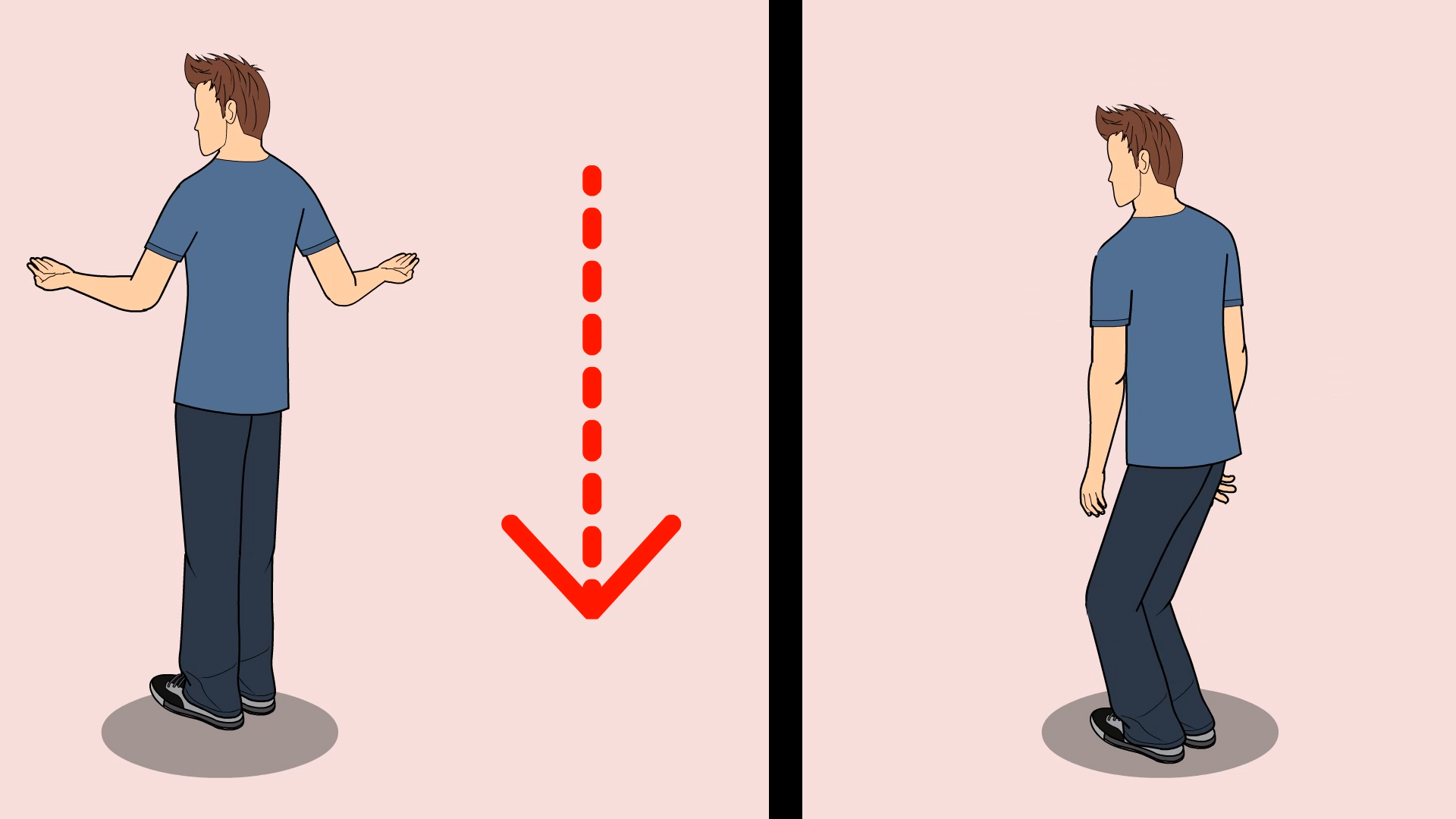
You are not trying to fly. You are creating the impression that both feet lift off the ground at the same time. The classic beginner method relies on audience angle. From one specific viewpoint, spectators cannot clearly see the supporting action that makes the illusion possible. From the wrong angle, the trick becomes obvious faster than a dog hearing a snack bag.
Your first job is to respect the limitations of the illusion. It works best for one to three people standing in a controlled position. It is not designed for a circle of people surrounding you. If your audience is scattered, moving, or determined to inspect your shoes like tiny detectives, choose another trick.
Step 2: Pick the Right Audience
Choose a small, friendly audience. One or two people is perfect. A supportive viewer wants to be amazed. A hostile viewer wants to win. Magic is entertainment, not a courtroom cross-examination. Save levitation for people who enjoy fun moments rather than people who begin every sentence with, “I know how you did that.”
Stand about six to ten feet away from your spectators. Too close, and they may see too much. Too far, and the effect loses impact. The sweet spot gives them a clear view of your outline while preserving the angle that makes the illusion possible.
Step 3: Choose a Clean Background
A simple background makes the illusion stronger. Plain carpet, smooth pavement, a driveway, or a quiet room works well. Busy patterns, mirrors, glass doors, reflective floors, strong backlighting, and clutter can expose details or distract from the floating moment.
A clean background also makes your body shape easier to read. When the audience sees your shoes, legs, and shadow clearly, the tiny rise looks more dramatic. The trick is small, so visual clarity matters.
Step 4: Wear the Right Shoes and Pants
Choose shoes that look natural and have enough structure to keep their shape. Sneakers or casual shoes are ideal. Avoid sandals, flip-flops, boots that restrict movement, or shoes with flashy reflective details. Your pants should hang naturally and not cling tightly around the ankles.
The clothing goal is boring. Yes, boring. In magic, boring clothes are sometimes heroic. You want the audience thinking about levitation, not wondering why your shoes look like they were designed by a disco spaceship.
Step 5: Control Your Angle
Angle is the heart of the illusion. Position your body so the audience is slightly behind and to one side, looking at you from a diagonal. Your feet should not be squarely facing them. You want their view to be blocked just enough that the supporting action is hidden.
Practice by placing your phone on a chair and recording yourself from the spectator’s viewpoint. Watch the video honestly. If the method is visible, adjust your angle. Do not lie to yourself. Your phone is a ruthless magic coach, but at least it does not heckle.
Step 6: Set the Mood Before the Move
Criss Angel-style magic often feels intense because the moment is framed before it happens. You can do the same in a simple way. Slow down. Take a breath. Look at the floor. Tell your audience, “Watch my feet for just a second.” Then pause.
The pause matters. It tells people something unusual is coming. Without a pause, the levitation becomes a random ankle twitch. With a pause, it becomes a moment.
Step 7: Use Misdirection Without Being Annoying
Misdirection does not mean waving your arms like an inflatable tube man. It means guiding attention. Ask your spectators to focus on your shoes. Then shift your eyes upward for a beat, as if gathering concentration. Their attention follows your rhythm, not just your words.
Keep your hands relaxed. A slight lift of the arms can help sell the idea that your body is rising, but do not flap. You are not a startled pigeon. The best movement is controlled and minimal.
Step 8: Rise Only a Little
The biggest beginner mistake is trying to rise too high. A small lift looks cleaner and safer. Aim for the impression of floating a couple of inches. The illusion should last only two to four seconds.
If you hold it too long, spectators start analyzing. Magic lives in the gap between “What?” and “Wait a minute.” Stay in that gap. Rise, let the impossibility register, then return to the ground before curiosity becomes investigation.
Step 9: Keep Your Upper Body Smooth
Your body should move as one unit. Avoid wobbling, bending forward, jerking your shoulders, or looking down nervously. A smooth upper body makes the lower-body illusion more believable.
Imagine an invisible string gently lifting the top of your head. Keep your posture tall, your shoulders relaxed, and your breathing steady. The audience should see calm control, not someone trying to survive a balance test in gym class.
Step 10: Land Softly
The landing should be quiet and natural. Do not stomp. A loud landing reminds people that feet, floors, and gravity are all still involved. Lower yourself smoothly, then let the moment breathe.
After landing, do not immediately explain, laugh nervously, or repeat the trick five times. Repetition is where illusions go to retire. One strong performance is better than six weaker ones.
Step 11: React Less Than Your Audience
After the levitation, stay calm. A subtle expression works better than a huge “Ta-da!” You can smile, step back, or say, “That felt weird.” Underplaying the moment makes it feel more impossible.
If the audience reacts strongly, let them. Their reaction is part of the performance. Do not trample it with explanations. A magician who talks too much after a trick is like a chef explaining every potato in the soup.
Step 12: Have an Exit Line Ready
Prepare one short line to end the effect. Try something simple like, “That only works once,” or “I should probably stop before gravity notices.” Humor helps release tension and prevents spectators from demanding an instant repeat.
Your exit line should feel playful, not defensive. You are not running away; you are closing the moment. A clean ending is one of the most underrated skills in magic.
Step 13: Practice on Camera
Practice from multiple angles, but especially from the angle your spectators will see. Record ten attempts. Keep the best two. Study why they work. Was your posture better? Was your timing sharper? Did your clothing hide the movement more naturally?
Camera practice is useful because it shows what your audience sees, not what you hope they see. Hope is not a method. Video is.
Step 14: Build a Short Routine Around It
A levitation illusion works best as part of a small routine. Start with a quick warm-up trick, such as a coin vanish, a mind-reading gag, or a simple card effect. Once the audience is relaxed and engaged, perform the levitation as the finale.
This structure mirrors professional thinking. Big effects land harder when the audience already trusts the performer. If levitation is your opener, people may be too skeptical. If it is your closer, they are already inside the story.
Common Mistakes Beginners Make
Performing for Too Many People
Angle-based levitation is not a surrounded trick. If people stand on both sides or behind you, the illusion breaks. Keep the group small and positioned where you need them.
Trying to Float Too High
The higher you try to rise, the more suspicious the movement becomes. Keep it small. A clean two-inch mystery is stronger than a wobbly six-inch confession.
Repeating the Trick Immediately
Do not repeat it for the same audience. The first time, they watch the effect. The second time, they watch for the method. That is not magic; that is a shoe inspection appointment.
Ignoring Presentation
The trick is not only the movement. It is the setup, silence, expression, timing, and ending. A simple method with great presentation can feel powerful. A great method with bad presentation can feel like a person stretching their calves in public.
How to Make the Illusion Feel More Like Criss Angel
Criss Angel’s style is dramatic, but drama does not mean yelling, glaring, or dressing like a thunderstorm. It means commitment. Treat the moment seriously. Use stillness. Let the audience anticipate something. Create a tiny story: maybe you are testing gravity, focusing energy, or trying something you “have not done in a while.”
Music can help if you are filming a practice clip, but do not rely on editing to make the trick work. For live performance, your timing is the soundtrack. Silence can be stronger than background music because it pulls attention toward the impossible moment.
Most importantly, avoid claiming real supernatural power. Modern audiences appreciate honesty in spirit, even when they want to be fooled. Present it as magic, illusion, or a strange little experiment. Wonder does not need fake claims to be fun.
Performance Script Example
Here is a simple script you can adapt:
“People always think levitation has to be huge. I think the weirdest version is when it barely happens. Watch my feet. Don’t blink, because if this works, it only works for a second.”
Pause. Breathe. Rise slightly. Hold for a heartbeat. Land softly.
“Okay. Gravity is back. We’re good.”
This script works because it lowers expectations while increasing focus. You are not promising to soar over a building. You are inviting people to witness a tiny impossible moment. That is much easier to sell and much safer to perform.
Practice Plan for Better Levitation
Spend your first session learning the angle. Do not perform for anyone yet. Use your phone camera and adjust your body position until the illusion looks clean.
During your second session, work on smooth rising and landing. Focus on balance, posture, and silence. If your movement looks tense, slow down.
During your third session, add presentation. Practice your script, pause, eye contact, and exit line. When you can perform the full routine three times on camera without obvious mistakes, try it for one trusted person.
After that, treat every live performance as feedback. If the audience gasps, your timing is working. If they immediately step around you, your angle control needs work. If they ask you to do it again, smile and move to another trick.
Experiences Related to Learning “How to Levitate Like Criss Angel”
The first experience most beginners have with levitation is surprise at how small the actual movement can be. You may expect the secret to feel grand, complicated, or cinematic. Then you realize the real work is not in floating higher. It is in making people believe they saw something clean, impossible, and brief. That lesson changes how you look at all magic. A good illusion is not always a big machine. Sometimes it is a smart angle, a confident pause, and the courage to stop before the audience catches up.
Another common experience is discovering that practice feels awkward at first. You may record yourself and think, “Absolutely not. I look like a confused flamingo.” That is normal. Magic practice often looks silly before it looks impossible. The performer sees every flaw: the wobble, the nervous glance, the stiff shoulders, the suspicious foot position. The audience, however, sees the final edited version of your practicethe smooth moment you choose to show them. That is why private rehearsal matters so much.
Many beginners also learn that audience management is a skill of its own. You can perform the same levitation for two different people and get completely different reactions. One person may gasp and step back. Another may lean in and try to solve it instantly. Neither reaction means you failed. It simply means people watch magic differently. The best performers learn to read the room. If someone is playful, give them wonder. If someone is skeptical, give them humor. If someone is determined to expose the method, give them a card trick instead.
The most satisfying moment comes when you stop thinking only about the secret and start thinking like a performer. You begin noticing where people stand, when they blink, how silence changes attention, and how a simple line can shape the entire effect. You realize that “levitating like Criss Angel” is less about copying a celebrity illusion and more about understanding theatrical confidence. Criss Angel’s performances are memorable because they feel like events. Your beginner levitation can feel like a tiny event too, especially if you build suspense and leave cleanly.
Finally, you may experience the strange joy of not explaining everything. After a strong performance, someone will probably ask, “How did you do that?” The beginner’s instinct is to reveal the secret immediately, partly because sharing feels friendly and partly because keeping quiet feels dramatic. But preserving the mystery is part of the gift. You can say, “Practice, weird shoes, and a questionable relationship with gravity.” Then smile and move on. Magic is not about proving you are powerful. It is about giving people a moment where ordinary life briefly tilts sideways.
Conclusion
Learning how to levitate like Criss Angel begins with understanding what levitation really is: a carefully staged illusion. The safe beginner version relies on angles, timing, posture, misdirection, and audience control. It does not require dangerous equipment, risky locations, or professional stunt work. In fact, the smaller and cleaner the illusion, the stronger it often becomes.
Practice slowly. Perform rarely. Choose your audience wisely. Keep the moment brief. Add a little humor. Most of all, respect the art. Levitation is not about escaping gravity forever. It is about borrowing one impossible-looking second and handing it to your audience like a secret.

