
Makeup
How to Get Rid of a Cold Fast: Can Natural Remedies Help?
Jun
Can you get rid of a cold fast? Here is the honest answer your tissue box may not enjoy: you usually cannot cure a cold overnight. The common cold is caused by viruses, and your immune system needs time to do its job. However, you can absolutely feel better faster, reduce discomfort, sleep more comfortably, and avoid doing the classic “I am fine” routine while sounding like a haunted trumpet.
The goal is not magic. The goal is smart symptom relief. Natural remedies such as fluids, rest, honey, saline spray, warm liquids, humidified air, and possibly zinc or vitamin C may help you manage cold symptoms. Some remedies have stronger evidence than others. Some are mostly comfort rituals. A few popular “cures” are more hype than help. Let’s sort the soothing from the suspicious.
What Is a Cold, Really?
A cold is a mild upper respiratory infection, most often caused by viruses such as rhinoviruses. Symptoms usually include a runny or stuffy nose, sneezing, sore throat, cough, mild headache, watery eyes, and tiredness. Most colds improve on their own within about a week, though a lingering cough can stick around longer like a guest who missed all social cues.
Because colds are viral, antibiotics do not work against them. Antibiotics fight bacteria, not cold viruses. Taking antibiotics when they are not needed can cause side effects and contribute to antibiotic resistance. So if your cold asks for antibiotics, politely decline. It is not the boss of you.
How to Get Rid of a Cold Fast: The Realistic Game Plan
The fastest way to recover from a cold is to support your body while controlling symptoms. Think of it as giving your immune system better working conditions: hydration, sleep, warmth, and fewer stressful demands. Your body is already running the antivirus software. You are just not supposed to open 47 browser tabs while it updates.
1. Rest Like It Is Your Job
Rest is not laziness when you are sick. It is treatment. Sleep helps your immune system function properly and gives your body energy to fight infection. If possible, reduce intense exercise, late nights, and unnecessary stress for the first few days. You do not need to prove your toughness to a rhinovirus. It does not have a LinkedIn profile.
A practical approach: go to bed earlier, take short naps if needed, and keep your schedule light. If you have fever, body aches, or heavy fatigue, that is your body waving a little white flag that says, “Please stop pretending we are training for a superhero movie.”
2. Drink Fluids, Especially Warm Ones
Hydration helps keep your throat moist, thins mucus, and may make congestion feel less miserable. Water is excellent. Warm tea, broth, warm lemon water, and soup can also feel soothing. Warm liquids may temporarily ease nasal congestion and throat irritation.
You do not need to force gallons of water. Drink enough that your urine is pale yellow and you are not feeling dry, dizzy, or unusually thirsty. Avoid too much alcohol, because it can dehydrate you and interfere with sleep. Caffeinated drinks are not automatically forbidden, but overdoing them may make you feel jittery or dry.
3. Try Honey for Cough and Sore Throat
Honey is one of the most comforting natural remedies for cold symptoms. It may help soothe a scratchy throat and calm coughing, especially at night. Stir a spoonful into warm tea or warm water with lemon. It is simple, affordable, and dramatically more pleasant than staring at the ceiling at 2:00 a.m. wondering why one nostril has retired.
Important safety note: Do not give honey to children under 1 year old because of the risk of infant botulism. For older children and adults, honey can be a helpful comfort remedy, but people with diabetes or blood sugar concerns should use it thoughtfully.
4. Use Saline Spray or Nasal Rinse
Saline nasal spray can help moisturize dry nasal passages and loosen mucus. It is usually safe, inexpensive, and non-habit-forming. A saline rinse or irrigation bottle may also help some people breathe easier.
If you use a nasal rinse, use distilled, sterile, or previously boiled and cooled water. Do not use plain tap water for nasal irrigation. Your nose is not a backyard sprinkler system; it deserves clean water.
5. Add Moisture to the Air
Dry air can make a sore throat and congestion feel worse. A cool-mist humidifier may help, especially at night. Keep the humidifier clean and change the water daily, because a dirty humidifier can spread mold or bacteria into the air. That is not a home remedy. That is a tiny indoor swamp.
A steamy shower may also temporarily loosen mucus and make breathing feel easier. Steam will not kill the cold virus, but it can provide short-term comfort.
6. Gargle With Salt Water
A saltwater gargle can reduce throat discomfort. Mix about half a teaspoon of salt into a cup of warm water, gargle, and spit it out. It is not glamorous, but neither is mouth-breathing through a conference call.
This remedy is best for adults and older children who can gargle safely without swallowing large amounts of salt water.
Can Natural Remedies Actually Shorten a Cold?
Some natural remedies may slightly reduce the duration or severity of a cold, especially when started early. The keyword is slightly. No supplement reliably turns a seven-day cold into a seven-minute inconvenience.
Zinc: Possibly Helpful If Started Early
Zinc lozenges may shorten cold duration for some adults when started within 24 hours of symptoms. Lozenges are usually studied more than gummies or general multivitamins because they dissolve slowly in the mouth and throat.
However, zinc is not risk-free. It can cause nausea, a bad taste, stomach upset, and interactions with certain medications, including some antibiotics. Avoid intranasal zinc sprays or gels, which have been linked to loss of smell. Also avoid taking high doses for long periods, because too much zinc can interfere with copper levels and cause other problems.
Bottom line: Zinc may help a little if used early and appropriately, but it is not a cold cure. Ask a healthcare professional before using it if you are pregnant, breastfeeding, have a chronic condition, take medications, or are considering it for a child.
Vitamin C: Better for Prevention Than Rescue
Vitamin C is famous in the cold-remedy universe. It supports immune function, but taking a giant dose after symptoms begin is unlikely to perform a miracle. Regular vitamin C use may slightly shorten cold duration in some people, and it may be more useful for people under intense physical stress or those with low intake.
Food-first is a smart strategy: oranges, strawberries, kiwi, bell peppers, broccoli, and leafy greens are great sources. Supplements may cause stomach upset or diarrhea at high doses. More is not always better; sometimes more is just more time in the bathroom.
Echinacea: Mixed Evidence
Echinacea is a popular herbal remedy, but research is mixed. Some studies suggest certain products may modestly reduce the chance of getting a cold, while others show little effect. Product quality varies widely, which makes results hard to compare.
People with allergies to ragweed, daisies, marigolds, or related plants should be careful. Echinacea may also interact with medications or be unsuitable for people with certain immune system conditions. Natural does not automatically mean harmless. Poison ivy is natural too, and nobody is inviting it to brunch.
Probiotics, Elderberry, Garlic, and Other Supplements
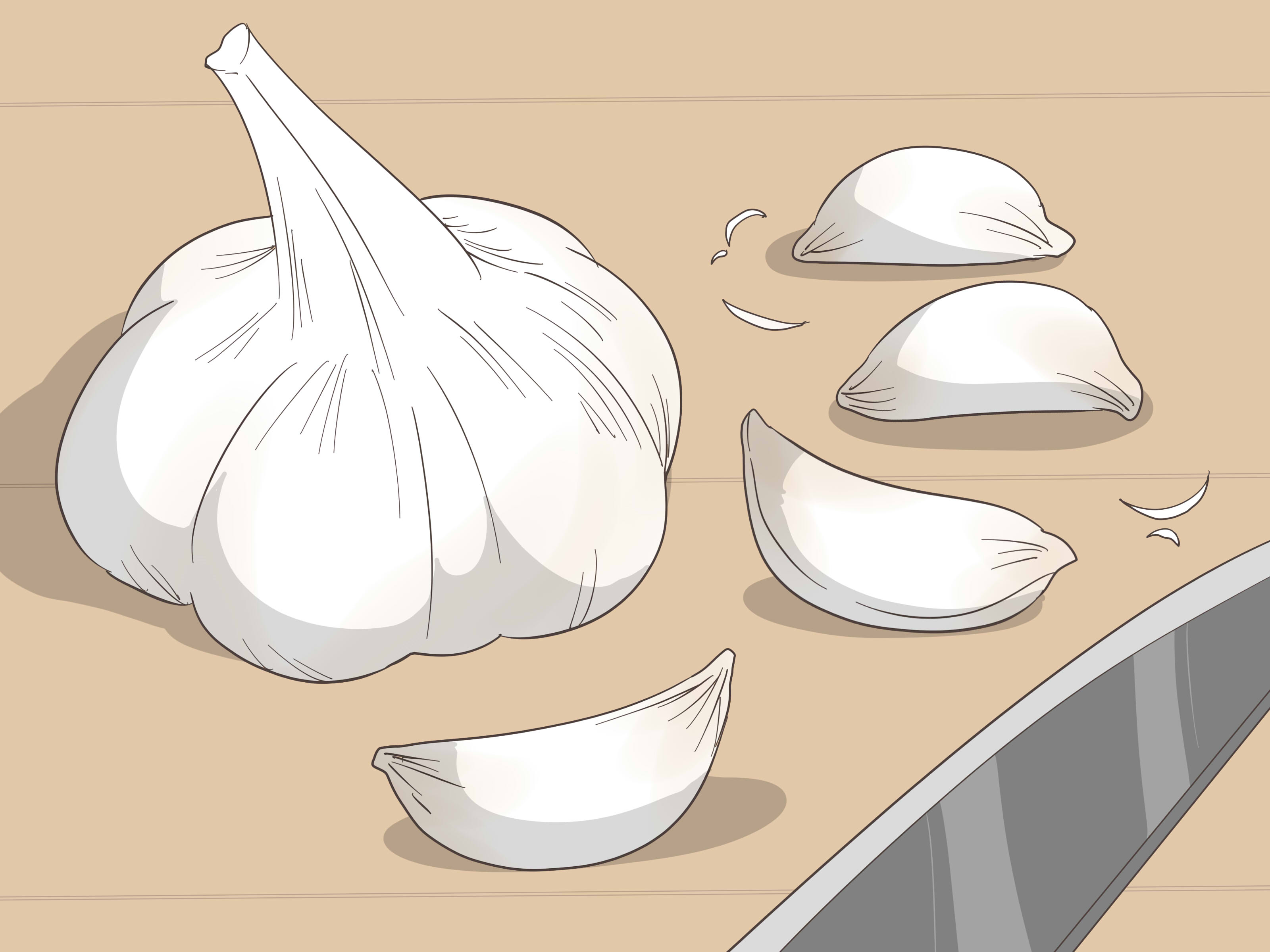
Probiotics may support general immune health, but evidence for treating an active cold is not strong enough to call them a fast fix. Elderberry is often marketed for immune support, but quality and evidence vary. Garlic has some interesting research for prevention, but it is not a reliable cold treatment once symptoms start.
The supplement aisle can feel like a tiny casino with better lighting. Choose carefully, avoid mega-doses, check for third-party testing when possible, and talk with a clinician if you take regular medication.
Over-the-Counter Help: Not Natural, But Sometimes Useful
Natural remedies can help comfort, but over-the-counter medicines may relieve specific symptoms. Pain relievers such as acetaminophen or ibuprofen can reduce fever, headache, and body aches when used as directed. Decongestants may reduce nasal stuffiness for some adults, but they are not right for everyone, especially people with high blood pressure, heart conditions, glaucoma, or certain medication interactions.
Cough medicines may help some people sleep, but results vary. Always read labels carefully, especially because many cold medicines combine several ingredients. Taking two products with the same active ingredient can accidentally lead to too much medicine.
Cold Medicine for Kids: Be Extra Careful
Children need special caution. Over-the-counter cough and cold medicines are not recommended for very young children, and product labels often warn against use in children under 4. Parents and caregivers should ask a pediatrician before giving cold medicines or supplements to children.
For kids, safer comfort steps often include fluids, rest, saline drops, a cool-mist humidifier, and age-appropriate fever medicine if recommended by a healthcare professional.
What Not to Do When You Have a Cold
Do Not Demand Antibiotics
Antibiotics do not treat cold viruses. They may be needed for certain bacterial infections, but a typical cold is not one of them.
Do Not Try to “Sweat It Out” With Extreme Exercise
Light movement may be fine if symptoms are mild and above the neck, but intense workouts can backfire when your body needs rest. If you have fever, chest symptoms, dizziness, or severe fatigue, take a break.
Do Not Mix Too Many Remedies
Combining supplements, cold medicines, energy drinks, and herbal products can create side effects or interactions. Pick a focused plan. Your medicine cabinet does not need to become a chemistry fair.
Do Not Ignore Worsening Symptoms
A cold should gradually improve. If symptoms suddenly worsen after improving, or if you develop concerning signs, it may be something else.
When to Call a Doctor
Seek medical advice if you have trouble breathing, chest pain, blue lips, confusion, dehydration, a fever that is high or lasts more than a few days, severe sinus pain, ear pain, symptoms lasting more than 10 to 14 days, or symptoms that improve and then suddenly get worse.
You should also consider testing for flu or COVID-19 if symptoms fit, especially during respiratory virus season or if you are at higher risk for complications. Unlike the common cold, flu and COVID-19 may have antiviral treatments that work best when started early.
How to Prevent Spreading Your Cold
Colds spread through respiratory droplets and contaminated surfaces. Wash your hands often, cover coughs and sneezes, avoid touching your eyes and nose, clean frequently touched surfaces, and stay home when you are most contagious. If you must be around others, wearing a mask can help reduce spread.
Also, be kind to your future self: sleep enough, eat a balanced diet, manage stress, and keep up with recommended vaccines for illnesses such as flu and COVID-19. Vaccines do not prevent the common cold, but they help protect against other respiratory infections that can feel much worse.
Practical 48-Hour Cold Comfort Plan
First 24 Hours: Act Early
At the first scratchy-throat warning, start with hydration and rest. Make warm tea with honey, use saline spray, and clear your schedule where possible. If you are considering zinc, this is the window when it is most likely to help. Read the label and avoid nasal zinc products.
Eat simple, nourishing foods: soup, oatmeal, fruit, toast, eggs, yogurt, rice, or whatever your stomach accepts without filing a complaint. You do not need a perfect “immune diet” overnight. You need fuel, fluids, and sleep.
Hours 24 to 48: Control Symptoms
If congestion builds, use saline spray or a rinse with safe water. Run a clean humidifier at night. Gargle with salt water for throat pain. Use acetaminophen or ibuprofen as directed if aches or fever make you miserable. Keep tissues nearby and moisturize your nose if it starts looking like it lost a fight with sandpaper.
If symptoms are mild but annoying, do not panic. This is normal cold territory. If symptoms are severe, sudden, or unusual, consider whether it could be flu, COVID-19, allergies, sinus infection, or another condition.
Personal Experience-Style Tips: What Actually Helps When a Cold Moves In
Most people discover their cold routine through trial, error, and at least one regrettable purchase from the “immune support” shelf. A realistic cold routine is not dramatic. It is boring in the best possible way. The most helpful experience-based strategy is to act early, simplify everything, and stop pretending the cold is merely “a little tickle.” The tickle is the trailer. The movie is coming.
On day one, the best move is to prepare your environment. Put a water bottle near your bed, place tissues within reach, make a trash bag available, and set up a humidifier if the air is dry. This tiny setup prevents the midnight adventure where you wander around the house like a congested ghost looking for cough drops. Warm liquids are especially useful because they combine hydration with comfort. Tea with honey, broth, or warm lemon water can make a sore throat feel less sharp and help you relax enough to sleep.
Another lesson: sleep quality matters more than heroic productivity. Many people try to “push through” the first day of a cold, then wonder why day three hits like a piano falling from a cartoon window. If you rest early, you may not erase the cold, but you often avoid making it worse. Even a 20-minute nap, an earlier bedtime, or skipping one intense workout can help your body focus on recovery.
Food does not need to be fancy. Chicken soup has earned its reputation partly because it is warm, hydrating, salty enough to be comforting, and easy to eat. Vegetarian soups, miso broth, rice porridge, oatmeal, and smoothies can play the same practical role. The goal is not to eat a magical bowl of soup that makes viruses run away screaming. The goal is to support your body without exhausting yourself in the kitchen.
For congestion, saline spray is underrated. It does not feel exciting, which may be why people ignore it. But used several times a day, it can reduce dryness and help mucus move. Pairing saline with a steamy shower can make breathing easier before bed. Elevating your head slightly may also reduce the feeling of nasal pressure when lying down.
Honey is one of the few remedies that feels both old-fashioned and genuinely useful. A spoonful in warm tea before bed can calm throat irritation. It is not for babies under 1 year old, but for older kids and adults, it can be a pleasant way to reduce nighttime coughing. The emotional benefit matters too: when you feel awful, a warm mug can make you feel cared for, even if you are the one doing the caring.
Finally, the most practical experience is knowing when to change the plan. If your cold is improving slowly, keep supporting your body. If symptoms get worse after getting better, breathing becomes difficult, fever persists, or the illness drags beyond the usual window, do not keep throwing herbal tea at the problem. Call a healthcare professional. Natural remedies are helpful passengers, but they should not be driving the bus when warning signs appear.
Conclusion: Can Natural Remedies Help You Get Rid of a Cold Fast?
Natural remedies can help you feel better while your immune system clears the infection. The most reliable basics are rest, fluids, warm liquids, honey for cough, saline spray, humidified air, and saltwater gargles. Zinc may slightly shorten a cold if started early, while vitamin C may offer modest benefits, especially when used regularly before illness. Echinacea and other supplements have mixed evidence and should be used carefully.
The honest formula is simple: you cannot force a cold to disappear overnight, but you can make the ride smoother, shorter-feeling, and less miserable. Treat your body like it is doing important workbecause it is. And if your cold comes with red flags, skip the home-remedy guessing game and get medical advice.

