
Body Care
Laptop / Document Leather Folio
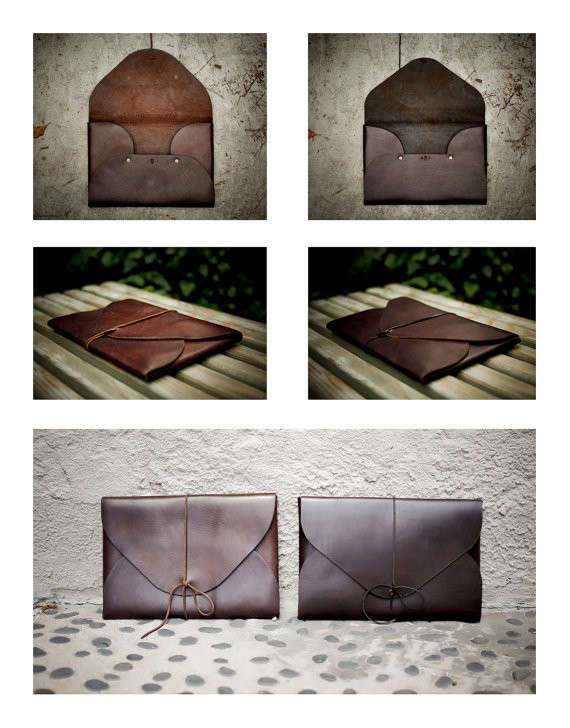
Jun
A laptop / document leather folio is the rare office accessory that quietly says, “Yes, I have my life together,” even if your inbox is currently staging a small rebellion. Slimmer than a briefcase, more polished than a laptop sleeve, and far more dignified than clutching loose papers like a caffeinated raccoon, a leather folio gives professionals a refined way to carry a laptop, documents, notes, business cards, pens, chargers, and the occasional emergency snack.
At its best, a leather laptop folio is not just a case. It is a portable command center for meetings, interviews, client presentations, campus visits, conferences, courtroom prep, travel days, and hybrid work. It protects your device, keeps paper from turning into origami, and adds a touch of old-school craftsmanship to a world where most accessories are black nylon rectangles with zipper anxiety.
This guide breaks down what a laptop / document leather folio is, how it differs from a padfolio or portfolio, what features matter, how to choose the right leather, and how to care for it so it ages beautifully instead of looking like it fought a stapler and lost.
What Is a Laptop / Document Leather Folio?
A laptop / document leather folio is a slim, handheld organizer designed to carry a laptop or tablet alongside paperwork and daily work essentials. Unlike a traditional laptop bag, it usually does not have bulky shoulder straps, heavy padding, or deep compartments. Unlike a basic sleeve, it offers extra organization for papers, pens, cards, notebooks, and accessories.
Think of it as the stylish middle ground between a laptop sleeve and a compact briefcase. It gives you enough structure to protect important items without making you look like you packed for a three-day expedition to the conference room.
Common items a leather folio can carry
- A 13-inch or slim 14-inch laptop, depending on the size
- Letter-size documents, contracts, resumes, proposals, or reports
- A tablet or e-reader
- A legal pad, notebook, or meeting agenda
- Business cards, ID cards, and credit cards
- Pens, stylus, earbuds, cables, and small accessories
The best designs keep these items separated so your laptop does not rub against metal clips, keys, or rogue paper clips. Because nothing says “professional excellence” like pulling out a laptop with a mysterious scratch shaped like office regret.
Laptop Folio vs. Document Folio vs. Padfolio
The terms folio, portfolio, padfolio, document holder, laptop sleeve, and organizer are often used interchangeably. That is convenient for marketing departments and mildly chaotic for shoppers. Here is the practical difference.
Padfolio
A padfolio is usually built around a writing pad. It is slim, lightweight, and designed for note-taking. Most padfolios include a notepad slot, pen loop, and a few pockets for documents or business cards. It is ideal for interviews, meetings, school presentations, and networking events.
Document folio
A document folio focuses on carrying papers cleanly and securely. It may include flat interior pockets, zipper closure, card slots, and space for folders. It is useful for contracts, certificates, legal documents, real estate paperwork, design proofs, and anything you do not want crushed by the bottom of a backpack.
Laptop leather folio
A laptop leather folio adds tech storage. It may include a padded or lined laptop compartment, tablet sleeve, accessory pockets, and a zip-around closure. This is the most versatile choice for modern professionals because it handles both digital and paper work without requiring a full-size bag.
In short: a padfolio is for writing, a document folio is for paperwork, and a laptop folio is for people who need to carry both a device and documents while looking like they own at least one excellent pen.
Why Choose Leather?
Leather remains popular for laptop and document folios because it combines durability, structure, texture, and character. A good leather folio looks polished in a boardroom, creative in a studio, classic in a law office, and practical in a coffee shop. It also develops a patina over time, meaning small marks and color changes can become part of the item’s personality rather than instant evidence of disaster.
Full-grain leather is often considered the premium choice because it keeps the natural grain intact. It tends to be strong, long-lasting, and more likely to age with depth and character. Top-grain leather is also high quality but may be sanded or finished for a smoother, more uniform appearance. Genuine leather can be real leather, but the term does not automatically mean top quality; shoppers should look for details about the hide, tanning process, stitching, lining, and construction.
Leather is not the lightest material, and it does require care. But for people who want an accessory that feels substantial, professional, and personal, leather has a charm that synthetic materials often struggle to copy. It is the difference between “I bought a case” and “I carry a folio.” Very subtle. Very dramatic. Very desk-adjacent.
Key Features to Look For
1. Correct laptop fit
Do not shop by screen size alone. A “13-inch laptop” measurement usually refers to the diagonal display, not the full body of the computer. The actual width, depth, and thickness matter more. A modern 13-inch MacBook Air, for example, is slim and compact, but not every 13-inch laptop has the same dimensions. Always compare the folio’s interior measurements with your device’s actual size.
A good folio should allow the laptop to slide in smoothly without rattling around. Too tight, and you will wrestle with it every morning. Too loose, and your laptop may shift inside like it is looking for better career opportunities.
2. Protective lining
The interior lining matters almost as much as the leather exterior. Soft microfiber, suede-like lining, padded fabric, or smooth textile interiors help reduce scratches. If the folio carries both documents and a laptop, look for a divider or dedicated sleeve so paper edges, clips, and accessories do not scrape against the device.
3. Zip-around or secure closure
A zippered leather folio is excellent for commuting and travel because it keeps everything inside. Open-top designs can look elegant, but they are less practical if you move around a lot. Magnetic snaps, buckles, flap closures, and wrap straps can work well, but zippers provide the most complete security for laptops, loose papers, and small accessories.
4. Interior organization
The ideal layout depends on how you work. Minimalists may only need a laptop compartment and document pocket. Heavy organizers may want card slots, pen loops, cable pockets, a tablet sleeve, and a place for a legal pad. Just be careful: too many tiny pockets can turn a slim folio into a leather filing cabinet with ambitions.
5. Quality stitching and edges
Look closely at the stitching. Even, tight stitching suggests better craftsmanship. Reinforced stress points are especially important near corners, zipper ends, and openings. Finished or burnished edges also help the folio feel more refined and resist fraying over time.
6. Comfortable carry
Some folios are meant to be carried under the arm. Others include a small handle, wrist strap, or detachable shoulder strap. For short meetings, a hand-carry design is fine. For daily commuting, a handle or strap may be more practical. The best choice is the one you will actually use without silently resenting it by Wednesday.
Who Needs a Laptop / Document Leather Folio?
A leather folio is useful for anyone who needs to move between spaces with a laptop and paperwork. Lawyers use them for case notes and contracts. Real estate agents use them for listings, agreements, and closing documents. Designers and consultants use them for proposals, sketches, mood boards, and client presentations. Students and professors use them for class notes, tablets, resumes, and interviews. Executives use them because walking into a meeting with a sleek folio looks significantly better than hugging a laptop charger and three loose folders.
It is especially helpful for professionals who do not want to carry a full briefcase every day. In hybrid work, many people only need a laptop, notebook, and a few essentials. A folio fits that new rhythm: office, home, coffee shop, client visit, airport lounge, repeat until inbox defeated.
Best Use Cases for a Leather Folio
Job interviews
A leather document folio can hold printed resumes, references, a notepad, and a pen. It helps you look prepared without overpacking. It also prevents that awkward moment when a resume emerges from your bag looking like it spent the night under a waffle iron.
Business meetings
For meetings, a laptop folio keeps your agenda, device, notes, and cards together. You can walk into the room, unzip once, and have everything ready. That small bit of organization sends a strong signal: you respect the meeting, even if the meeting could have been an email.
Travel
A folio can work as an in-flight organizer for a laptop, boarding documents, passport holder, earbuds, and reading materials. For standard airport screening, travelers may be asked to remove laptops from carry-on bags unless they are in TSA PreCheck lanes or certain screening setups. A slim folio can make that process less annoying because your laptop is easy to access.
Client presentations
When presentation matters, leather helps. A clean leather folio feels more intentional than a fabric sleeve and more flexible than a large briefcase. It can carry printed handouts, contracts, pricing sheets, or visual samples while keeping your laptop ready for slides.
Everyday office carry
For daily use, a folio helps reduce clutter. Instead of scattering your tools across your desk, backpack, and car seat, you can keep the essentials in one place. Your future self, searching for a pen before a 9 a.m. call, will be grateful.
How to Choose the Right Leather Folio
Choose by device size
Start with your laptop’s actual dimensions. Measure width, depth, and thickness. Then check the folio’s interior compartment dimensions. Leave a little room, especially if you use a laptop shell or protective case. Do not assume a folio labeled “fits 13-inch laptops” will fit every 13-inch laptop equally well.
Choose by work style
If you mostly attend meetings, choose a slim folio with a notepad slot and a document pocket. If you commute daily, choose a zippered model with padding. If you travel often, choose one with quick-access pockets and a secure closure. If you carry chargers, adapters, and cables, choose a folio with gusseted space or a slightly roomier profile.
Choose by leather type
Full-grain leather is excellent for long-term durability and character. Top-grain leather offers a smoother look and may be easier to keep uniform. Pebbled leather can hide small scratches better than smooth leather. Vegetable-tanned leather often develops a rich patina, while chrome-tanned leather may offer softness and color consistency. The “best” leather depends on whether you want rugged character, sleek polish, or low-maintenance practicality.
Choose by color
Black leather looks formal and classic. Brown leather feels warm, versatile, and slightly more relaxed. Tan leather can be beautiful but may show marks faster. Navy, green, burgundy, or gray leather can feel modern without shouting. For a first leather folio, black or dark brown is the safest choice. For a second one, go ahead and become the person with a tasteful oxblood folio. Life is short. Accessories can have plot.
Common Mistakes to Avoid
The first mistake is buying a folio that is too small. Slim is good; impossible is not. If your laptop has to be forced into place, the zipper and seams will suffer. The second mistake is ignoring weight. Leather has substance, and once you add a laptop, documents, and accessories, the carry weight can climb quickly.
The third mistake is choosing beauty over layout. A gorgeous folio with no useful pockets may frustrate you daily. The fourth mistake is overloading it. A folio is not a backpack in formalwear. Stuffing it with chargers, notebooks, folders, snacks, cables, and a water bottle will distort the shape and stress the leather.
Finally, avoid treating leather like plastic. Leather benefits from cleaning, conditioning, and thoughtful storage. It can handle real life, but it does not enjoy being soaked, baked in direct heat, or abandoned under a pile of gym clothes.
How to Care for a Laptop / Document Leather Folio
Leather care is simple when you make it routine. Wipe the folio with a soft, dry cloth after regular use. If it gets dusty or lightly dirty, use a slightly damp cloth and avoid soaking the leather. Let it air dry naturally away from direct heat. Never blast it with a hair dryer unless your goal is to make your folio look emotionally exhausted.
Condition the leather occasionally with a product appropriate for the leather type. A small amount goes a long way. Test any cleaner or conditioner on a hidden area first, because different finishes react differently. Smooth leather, pebbled leather, suede, nubuck, and vegetable-tanned leather do not all want the same treatment.
Store the folio in a cool, dry place. If it came with a dust bag, use it. Avoid plastic bags for long-term storage because trapped moisture can cause problems. Keep the folio lightly filled with clean paper or soft fabric if you want it to maintain shape. And please, do not use it as a coaster. Your coffee has enough responsibilities.
Leather Folio Experience: What It Feels Like in Real Life
The first thing people notice about a laptop / document leather folio is the feeling of intentionality. It changes how you prepare for the day. Instead of throwing your laptop into a backpack and hoping your documents survive the commute, you begin packing with a tiny bit of ceremony. Laptop in the sleeve. Documents in the pocket. Pen in the loop. Cards in their slots. Zipper closed. Suddenly you are not just leaving the house; you are making an entrance, even if the entrance is into a shared workspace with suspiciously weak coffee.
In real use, the best leather folio makes small transitions smoother. Walking from your desk to a conference room becomes easier because you do not need to gather five separate items. A client meeting feels less clumsy because your materials are together. At a coffee shop, the folio creates a clean work zone: laptop, notebook, and papers all contained. It also prevents the classic table shuffle, where you move your phone, wallet, notebook, receipts, and charger around every five minutes like a magician with poor planning.
There is also a confidence factor. A leather folio looks finished. It pairs well with business casual, formal wear, and even smart casual outfits. It does not scream for attention, but it gives the impression that you came prepared. That matters in interviews, presentations, sales meetings, networking events, and any situation where first impressions carry weight. A polished folio will not do the talking for you, but it can make the silence before you speak feel a little more professional.
Over time, the experience becomes more personal. Smooth leather may pick up tiny scratches. Brown leather may deepen in color where your hand naturally rests. Corners may soften slightly. A folio that looked crisp on day one begins to look lived-in, not worn-out. That is one of the reasons people like quality leather: it records use in a way that feels human. A nylon sleeve often just looks older. A good leather folio looks like it has stories, which is a charming feature unless the story is “I spilled iced coffee on this during a budget meeting.”
Of course, a leather folio is not perfect for every day. If you need to carry a charger brick, mouse, headphones, lunch, water bottle, gym clothes, and a backup civilization, use a backpack or messenger bag. A folio shines when your carry is focused. It is ideal for short commutes, meetings, interviews, travel documents, and laptop-plus-paper situations. The trick is respecting its purpose. Use it as a sleek organizer, not a suitcase with better cheekbones.
The most satisfying setup is usually simple: laptop or tablet, one notebook, a few documents, two pens, business cards, earbuds, and perhaps a slim cable. That combination keeps the folio elegant and functional. When packed correctly, it slides under your arm comfortably, sits neatly on a desk, and opens without creating an avalanche. That is the quiet magic of a good laptop / document leather folio: it reduces friction. It makes the workday feel slightly more controlled, slightly more stylish, and much less like you are transporting your office in a grocery bag.
Final Thoughts
A laptop / document leather folio is one of those accessories that earns its place by doing several jobs well. It protects your laptop, organizes documents, holds meeting essentials, and adds professional polish without the bulk of a traditional bag. The right folio should fit your device, match your work style, offer sensible organization, and use leather that suits your taste and maintenance habits.
For professionals, students, creatives, consultants, and frequent meeting-goers, a leather folio can be a practical upgrade. It is not just about looking stylish, although looking stylish is hardly a crime. It is about arriving prepared, keeping your essentials together, and giving your daily workflow a little more structure. Choose well, care for it properly, and a quality leather folio can become the kind of accessory that follows you from first interviews to major presentations and still looks like it belongs.
Note: This article is original, publication-ready content written in standard American English and synthesized from real product, travel, leather-care, and professional accessory information. No source links or citation placeholders are included in the body copy.

