
Beauty Unlocked
How to Train Beagles
Jun
Training a Beagle is a little like negotiating with a cheerful, four-legged detective. Your Beagle hears you. Your Beagle may even respect you. But if there is a mysterious smell floating near the mailbox, your Beagle’s brain may file your command under “later, probably.” That does not mean Beagles are impossible to train. It means they require a smart, patient, scent-aware approach that works with their instincts instead of trying to delete the hound software installed at birth.
Beagles are friendly, curious, food-motivated, energetic, and famously nose-driven. These traits can make training fun, hilarious, and occasionally humbling. The good news is that the same nose that pulls them toward every leaf, squirrel trail, and suspicious patch of grass can become your best training tool. With positive reinforcement, consistent routines, short lessons, and realistic expectations, you can teach a Beagle to listen, walk politely, come when called, settle at home, and become a delightful family companion.
This guide explains how to train Beagles from the first day home through adulthood, with practical examples, common mistakes, and real-world experience for owners who love their dogs but would also like to keep both shoes in matching condition.
Understanding the Beagle Mind Before You Start Training
Before you teach “sit,” “stay,” or “please stop eating the mystery object,” you need to understand what motivates a Beagle. This breed was developed as a scent hound, which means Beagles were bred to follow smells, work with people and other dogs, and keep going with impressive determination. That independence is useful in the field, but in the living room it can look like stubbornness.
In reality, most Beagles are not trying to be difficult. They are simply excellent at noticing things humans miss. A crumb under the table, a bird outside the window, the ghost of a sandwich from three days agothese are breaking news stories in Beagle World. Training succeeds when you become more rewarding than the distraction, at least often enough to build a habit.
What Makes Beagle Training Different?
Beagles are smart, but they are not always naturally handler-focused like some herding breeds. They often ask, “What’s in it for me?” That question is not rude; it is useful. Your answer should be clear: treats, praise, play, sniffing opportunities, attention, and access to fun things.
Because Beagles are usually food-motivated, reward-based training works especially well. However, food should be used wisely. Tiny soft treats, pieces of kibble, or low-calorie rewards can keep your dog engaged without turning training into an accidental buffet. For a Beagle, calories count, because many would happily eat first and ask nutrition questions never.
Start With Positive Reinforcement
The foundation of Beagle obedience training is positive reinforcement. This means rewarding behavior you want so your dog chooses to repeat it. Rewards can include treats, praise, toys, access to a favorite sniffing spot, or permission to greet a friendly person. The key is timing: reward the behavior immediately so your Beagle understands what earned the prize.
For example, when your Beagle sits, say “yes” or click a clicker the moment their bottom touches the floor, then give a reward. If you wait five seconds, your Beagle may think the reward was for standing up, looking at the ceiling, or breathing dramatically. Beagles are clever, but they are not mind readers.
Use Short Training Sessions
Beagle training sessions should be short and upbeat. Aim for five to ten minutes at a time, several times a day. Puppies and young dogs often learn better in tiny sessions than in one long lesson. A bored Beagle will start improvising, and Beagle improvisation usually involves chewing, sniffing, barking, or locating one forbidden item you forgot existed.
End each session on a small win. If your dog successfully sits twice, celebrates calmly, or comes when called from three feet away, stop there and reward generously. Confidence grows through success.
Teach Name Recognition First
Your Beagle’s name should mean, “Look at me; something good is coming.” Say your dog’s name in a happy voice. When they look at you, mark the moment with “yes” and reward. Practice in a quiet room first, then in the yard, then on walks with mild distractions.
Avoid using your Beagle’s name only when you are annoyed. If “Bailey!” always means bath time, nail trimming, or “drop that sock,” Bailey may start pretending to be an independent contractor. Keep the name positive and useful.
House Training a Beagle
House training a Beagle requires routine, supervision, and patience. Take your Beagle outside first thing in the morning, after meals, after naps, after play, and before bedtime. Puppies need frequent bathroom breaks because their bodies are still developing. Adult rescue Beagles may also need a refresher while adjusting to a new home.
Choose one potty area outside and calmly bring your dog there. When your Beagle finishes, reward immediately. Do not wait until you are back inside; the reward should happen right after the correct behavior. This helps your dog connect outdoor potty time with good things.
What to Do About Accidents
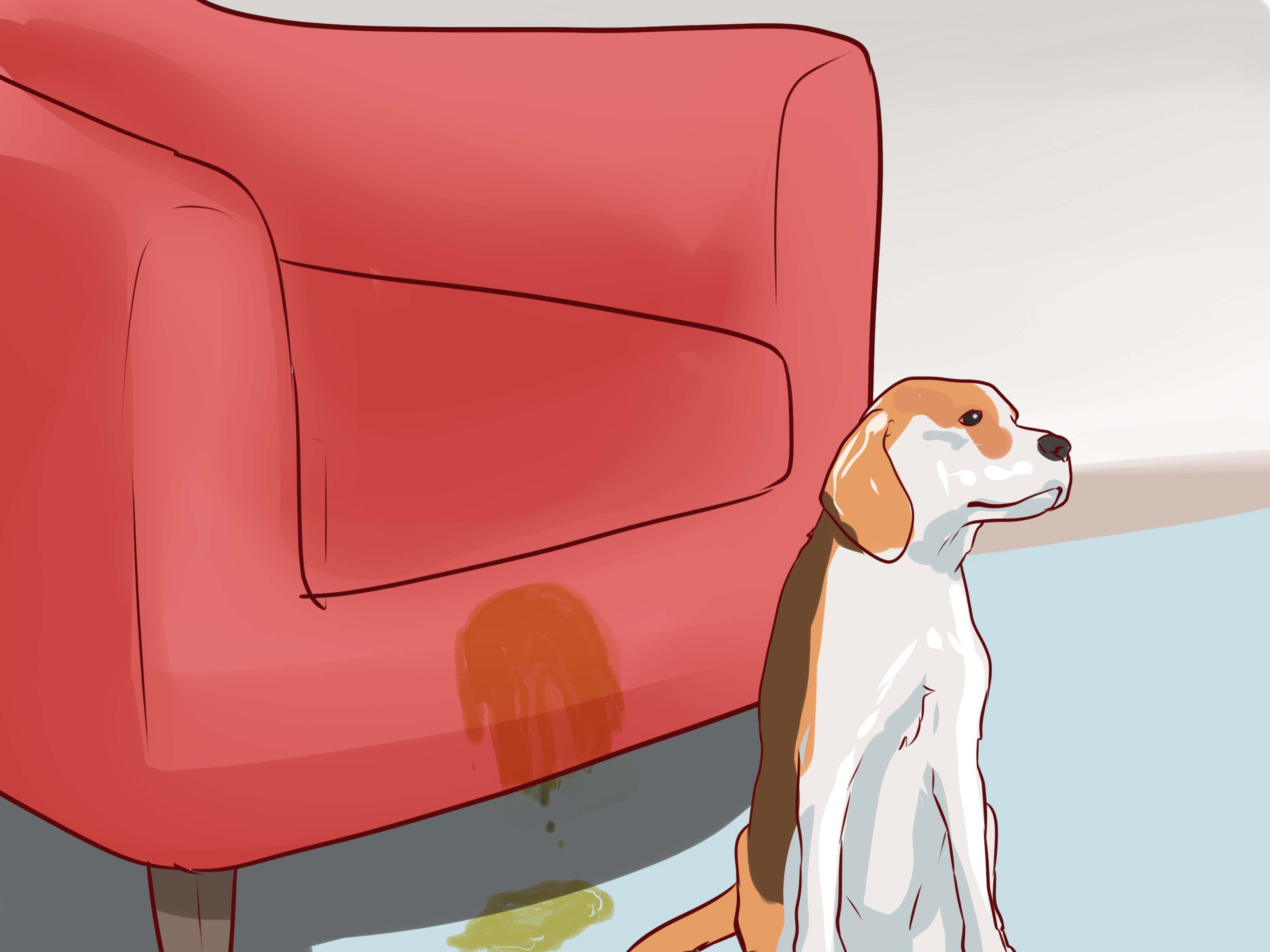
If an accident happens indoors, clean it with an enzymatic cleaner designed for pet messes. Do not punish your Beagle. Punishment can make dogs hide when they need to go, which turns house training into a detective mystery nobody enjoys. Instead, improve supervision and take your dog out more often.
Watch for signs such as circling, sniffing, wandering away, whining, or suddenly becoming very interested in a corner. With Beagles, sniffing is normal, but intense “I have a mission” sniffing may mean it is time to go outside quickly.
Crate Training Beagles the Right Way
Crate training can help with house training, safe rest, travel, and preventing destructive behavior when you cannot supervise. The crate should feel like a cozy bedroom, not a punishment chamber. Add comfortable bedding if your dog will not chew it, keep the crate in a calm area, and introduce it slowly.
Feed meals near the crate, toss treats inside, and allow your Beagle to explore without pressure. Gradually close the door for short periods while your dog is calm. Reward quiet behavior. Increase time slowly. A Beagle who sees the crate as a safe den is more likely to relax, nap, and save your furniture from becoming modern art.
Avoid Overusing the Crate
A crate is a training tool, not a lifestyle. Beagles need exercise, sniffing, social time, and mental stimulation. Too much crate time can create frustration and barking. Use the crate for rest and safety, but balance it with walks, play, training, and enrichment.
Basic Commands Every Beagle Should Know
Basic obedience gives your Beagle structure and safety. Start with simple cues and build gradually.
Teach “Sit”
Hold a treat near your Beagle’s nose and slowly lift it upward. As their head follows the treat, their bottom will usually lower. The moment they sit, mark with “yes” and reward. After several repetitions, add the word “sit” before the movement.
Teach “Down”
From a sit, move a treat slowly toward the floor between your dog’s paws. When your Beagle lies down, mark and reward. Some Beagles pop up like toast, so be patient. Reward small progress, such as elbows bending or the chest lowering.
Teach “Stay”
Ask for a sit or down. Say “stay,” pause for one second, then reward. Gradually increase the time, distance, and distractions, but not all at once. If your Beagle breaks position, make it easier and try again. Training is not a courtroom; no one needs a dramatic objection.
Teach “Leave It”
“Leave it” is essential for Beagles because they are talented at locating questionable snacks. Place a treat in your closed fist. Let your dog sniff. When they stop trying to get it, mark and reward with a different treat from your other hand. Over time, practice with food on the floor, toys, and outdoor distractions.
Recall Training: Teaching a Beagle to Come When Called
Recall is one of the most important Beagle training skills, and also one of the hardest. A Beagle following a scent may act as though your voice has been placed on silent mode. This is why recall must be practiced carefully and rewarded generously.
Start indoors. Say your Beagle’s name and “come” in a cheerful voice. When they move toward you, praise warmly and reward with something special. Practice from short distances. Then move to a fenced yard or use a long line outdoors. Never practice off-leash recall in an unsecured area until your dog has a long history of reliability, and even then, remember that Beagles are scent hounds with strong instincts.
Make Coming to You Wonderful
Do not call your Beagle only for unpleasant things like ending play, leaving the park, or taking a bath. If “come” always ends the fun, your dog may begin reviewing other options. Call your Beagle, reward, and release them back to play often. This teaches that coming to you does not always mean the party is over.
Use high-value rewards for recall: small pieces of chicken, cheese, favorite treats, or a toy your dog loves. For some Beagles, the best reward is permission to go sniff again. Use that. Ask for a recall, reward, then say “go sniff.” Congratulationsyou have turned the environment into your assistant trainer.
Leash Training for Beagles
Beagles love walks, but without training they may treat the leash as a towing cable. Loose-leash walking begins in low-distraction spaces. Reward your dog for walking near you with a loose leash. When they pull, stop moving. When the leash softens, continue. This teaches that pulling does not make the adventure move faster.
Because Beagles are scent-driven, include sniff breaks. A walk with no sniffing is like taking a book lover to a library and saying, “Do not read.” Use a cue such as “let’s go” for walking and “go sniff” for approved sniffing. Clear rules make walks more enjoyable for both of you.
Harness or Collar?
A well-fitted harness can be useful for Beagles who pull, especially while learning leash manners. Avoid equipment that causes pain or fear. Training should teach your dog what to do, not simply make mistakes uncomfortable. If pulling is severe, work with a qualified positive-reinforcement trainer.
Managing Beagle Barking and Howling
Beagles are vocal. They bark, bay, howl, and sometimes produce sounds that suggest they are auditioning for a tiny opera. Vocal behavior is normal, but excessive barking can be managed with training and enrichment.
First, identify the cause. Is your Beagle bored, alerting, anxious, excited, or asking for attention? A bored Beagle needs exercise and brain work. An alert barker may need window access managed. An attention barker should be rewarded for quiet behavior, not for yelling at customer service.
Teach “Quiet”
When your Beagle barks, wait for a brief pause. The moment they are quiet, mark and reward. Add the cue “quiet” once they understand the pattern. Keep sessions calm. Shouting at a barking Beagle often sounds like you are joining the band.
Socialization for Beagle Puppies and Adults
Socialization means helping your Beagle feel safe around different people, dogs, places, sounds, surfaces, and everyday experiences. For puppies, gentle exposure during early development is especially important. For adult Beagles, socialization should still be gradual and positive.
Introduce new experiences at your dog’s pace. Pair new sights and sounds with treats and praise. Do not force greetings. A confident Beagle is built through choice, not pressure. If your dog is fearful, reactive, or overwhelmed, consult a professional trainer or veterinary behavior expert.
Use Scent Work as Training Fuel
One of the best ways to train a Beagle is to give the nose a job. Scent games satisfy natural instincts and reduce boredom. Hide treats around a room and say “find it.” Scatter kibble in grass for a supervised sniffing meal. Use puzzle toys, snuffle mats, or simple cardboard boxes with treats hidden inside.
Scent work can also improve focus. A Beagle who gets appropriate sniffing outlets is often calmer and more responsive. Instead of fighting the nose, hire it. The pay rate is usually one treat per investigation.
Training Beagles Not to Chew Everything
Chewing is normal, especially for puppies, but Beagles need guidance. Provide safe chew toys and rotate them to keep things interesting. When your dog chews something inappropriate, calmly redirect to an approved item. Praise when they chew the correct toy.
Management matters. Keep shoes, socks, trash, food wrappers, and small objects out of reach. A Beagle cannot chew your favorite sandal if your favorite sandal is not available for legal review.
Food Manners and Counter Surfing
Many Beagles are enthusiastic food researchers. Teach polite food manners early. Ask for a sit before meals. Practice “leave it” around dropped food. Keep counters clear and trash secured. If your Beagle learns that counters sometimes produce treasure, the habit can become very strong.
Reward calm behavior in the kitchen. Give your dog a mat or bed where they can settle while you cook. Toss treats there when they stay put. Over time, your Beagle learns that relaxing away from the counter pays better than launching a snack investigation.
Common Beagle Training Mistakes
Expecting Instant Obedience Outdoors
Your Beagle may listen beautifully in the living room and forget your entire relationship outside. That is normal. Outdoor smells are powerful distractions. Practice gradually in different environments, starting easy and increasing difficulty slowly.
Repeating Commands Too Many Times
If you say “sit” eight times, your Beagle may learn that the cue is actually “sit-sit-sit-sit-sit-sit-sit-sit.” Say the cue once, help your dog succeed, and reward. Clear communication beats background noise.
Using Punishment Instead of Teaching
Harsh corrections can damage trust and increase fear or avoidance. Beagles respond best to consistency, rewards, management, and patience. Teach what you want, prevent what you do not want, and reward the good stuff generously.
A Simple Beagle Training Schedule
Morning
Start with a potty break, breakfast, and a five-minute training session. Practice name recognition, sit, down, or recall. Add a short sniff walk if your schedule allows.
Afternoon
Use enrichment while your Beagle has downtime. Try a puzzle feeder, safe chew, or hidden-treat game. Practice leash manners for a few minutes indoors or in the yard.
Evening
Take a longer walk with structured sniff breaks. Practice recall on a long line in a safe area. End the day with calm crate time, mat training, or gentle handling practice.
Training Adult Beagles and Rescue Beagles
Adult Beagles can absolutely learn new skills. Rescue dogs may need extra time to understand routines, trust people, and adapt to household rules. Start with structure: feeding times, potty breaks, sleep areas, and simple cues. Avoid overwhelming your new dog with too many expectations at once.
Reward small improvements. A rescue Beagle who looks at you during a walk, settles quietly for two minutes, or chooses a toy instead of a shoe has made progress. Training is not just about commands; it is about communication and confidence.
When to Get Professional Help
Consider professional help if your Beagle shows aggression, intense fear, severe separation anxiety, destructive panic, or uncontrollable pulling and reactivity. Choose a trainer who uses humane, reward-based methods. For serious anxiety or behavior concerns, a veterinarian or veterinary behaviorist can help rule out medical causes and create a safe plan.
Real-Life Experience: What Training a Beagle Actually Feels Like
Training a Beagle in real life is rarely a perfect sequence of commands, rewards, and peaceful success. It is more like a comedy series with educational value. One day your Beagle sits beautifully before meals, walks politely past three dogs, and comes when called like a champion. The next day, the same dog discovers a fascinating smell near a fence post and behaves as though you are a rumor.
The biggest lesson many Beagle owners learn is that progress is not always loud and obvious. Sometimes progress is your dog checking in with you for half a second during a walk. Sometimes it is choosing to sniff a toy instead of the laundry basket. Sometimes it is coming back on the third recall instead of the tenth. These small wins matter because they build the habit of cooperation.
One useful experience is to treat every walk as a training opportunity, not just transportation. Instead of marching around the block while your Beagle pulls toward every smell, create a rhythm. Walk for a few steps, reward loose leash, release with “go sniff,” then call your dog back with a cheerful voice. Reward again. This pattern teaches that you are not the enemy of fun. You are the manager of fun, the opener of sniff doors, the human vending machine with excellent timing.
Another practical lesson is to keep rewards available in normal life. Many owners train during “training time” but forget to reward good behavior during the day. If your Beagle lies quietly while you answer emails, reward it. If they look at you instead of barking at a passing dog, reward it. If they drop a forbidden object, celebrate like they just paid taxes early. Beagles repeat what works, so make good choices work often.
Beagle owners also learn the value of management. Training does not mean leaving a sandwich on the coffee table and expecting moral development. It means putting the sandwich away while teaching food manners in controlled steps. It means using baby gates, leashes, crates, closed doors, and secure trash cans. Management is not failure. It is teamwork with reality.
Recall training is where expectations must be especially realistic. A Beagle can learn a strong recall, but scent can overpower training in unsafe open areas. Many experienced owners use fenced spaces and long lines because they respect the breed’s instincts. This is not an insult to the dog. It is responsible ownership. A safe Beagle is a Beagle who gets to enjoy more adventures.
Patience is the final ingredient. Beagles do not need owners who dominate them; they need owners who outsmart distractions, reward generously, and stay consistent. Laugh when things get silly. Reset when training goes sideways. Keep lessons short. Protect your dog from practicing bad habits. Give that incredible nose appropriate work. Over time, your Beagle will not become a robotand honestly, that would be a little disappointing. Instead, you will get something better: a happy, responsive, personality-packed companion who listens because listening has become worth it.
Conclusion
Learning how to train Beagles starts with understanding the breed. Beagles are not “bad listeners”; they are scent hounds with big curiosity, strong food motivation, and a cheerful independent streak. The best training approach is positive, consistent, patient, and practical. Teach basic commands in short sessions, make recall highly rewarding, use sniffing as a training reward, build routines for house training, and manage the environment so your Beagle can succeed.
When you work with a Beagle’s instincts instead of against them, training becomes less frustrating and much more fun. Yes, your dog may still occasionally believe the smell under a bush is more important than your schedule. But with time, trust, and a pocket full of tiny treats, your Beagle can learn manners, focus, and reliable everyday skills while keeping the goofy charm that makes the breed so lovable.

